
Table of Contents
- When Ancient History Comes to Life
- The Tree That Survived a Thousand Years
- From Cave to Greenhouse: A Scientific Miracle
- Implications for Health and Nutrition
- Ancient Agriculture Meets Modern Finance
- Sustainability Lessons From the Past
- Bridging History, Culture, and Conservation
- The Technology Behind the Revival
- Economic, Cultural, and Ecological Opportunities
- Challenges and Controversies
- Looking Ahead: A Living Legacy
When Ancient History Comes to Life
Imagine holding a seed older than the Great Wall of China. That’s exactly what scientists in Israel achieved—a tiny, dormant seed recovered from a Judean cave that’s over a millennium old.
This seed, once thought lifeless, has sprouted into a living tree, bridging an impossible gap between ancient history and modern science. Its revival isn’t just a botanical miracle; it’s a story that touches history, religion, and even the future of sustainable living.
Would you plant a seed that could be older than entire civilizations?
The Tree That Survived a Thousand Years
The species in question is the Judean date palm (Phoenix dactylifera), a tree mentioned in biblical texts and once a staple of ancient agriculture. Its fruits sustained communities for centuries, and its shade provided shelter in arid landscapes.
But climate changes and human development pushed these trees toward extinction. The Judean date palm seemed lost to history—until this extraordinary seed emerged from the sands of time.
Think about it: a tree that existed when Jerusalem’s streets were bustling with ancient traders is now growing in a modern greenhouse. How does reconnecting with history in such a tangible way change our perspective on conservation?
From Cave to Greenhouse: A Scientific Miracle

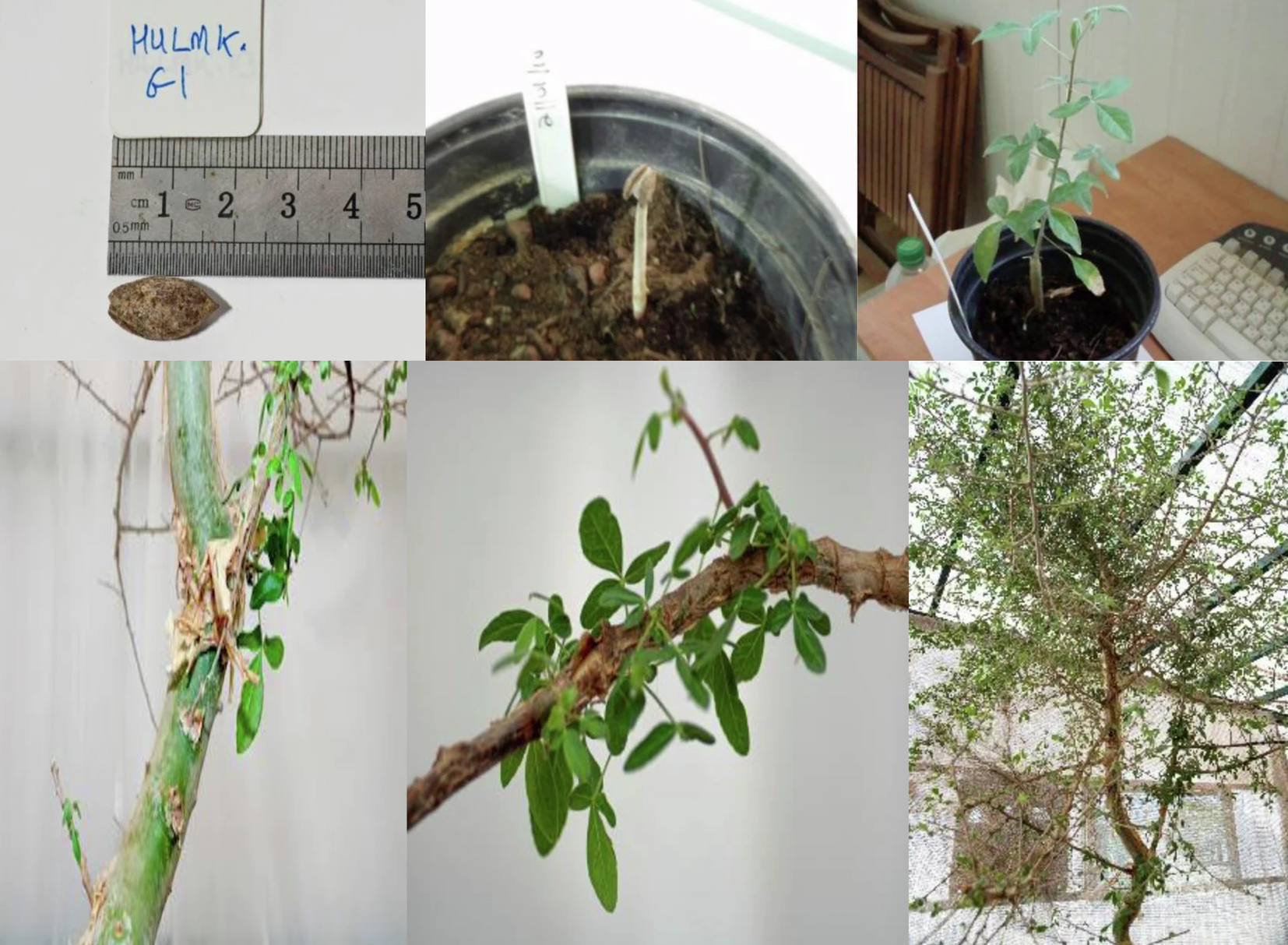
The seed was found in Masada, an archaeological site known for preserving artifacts from ancient times. After being recovered, scientists subjected it to careful rehydration and a controlled environment designed to awaken life that had lain dormant for centuries.
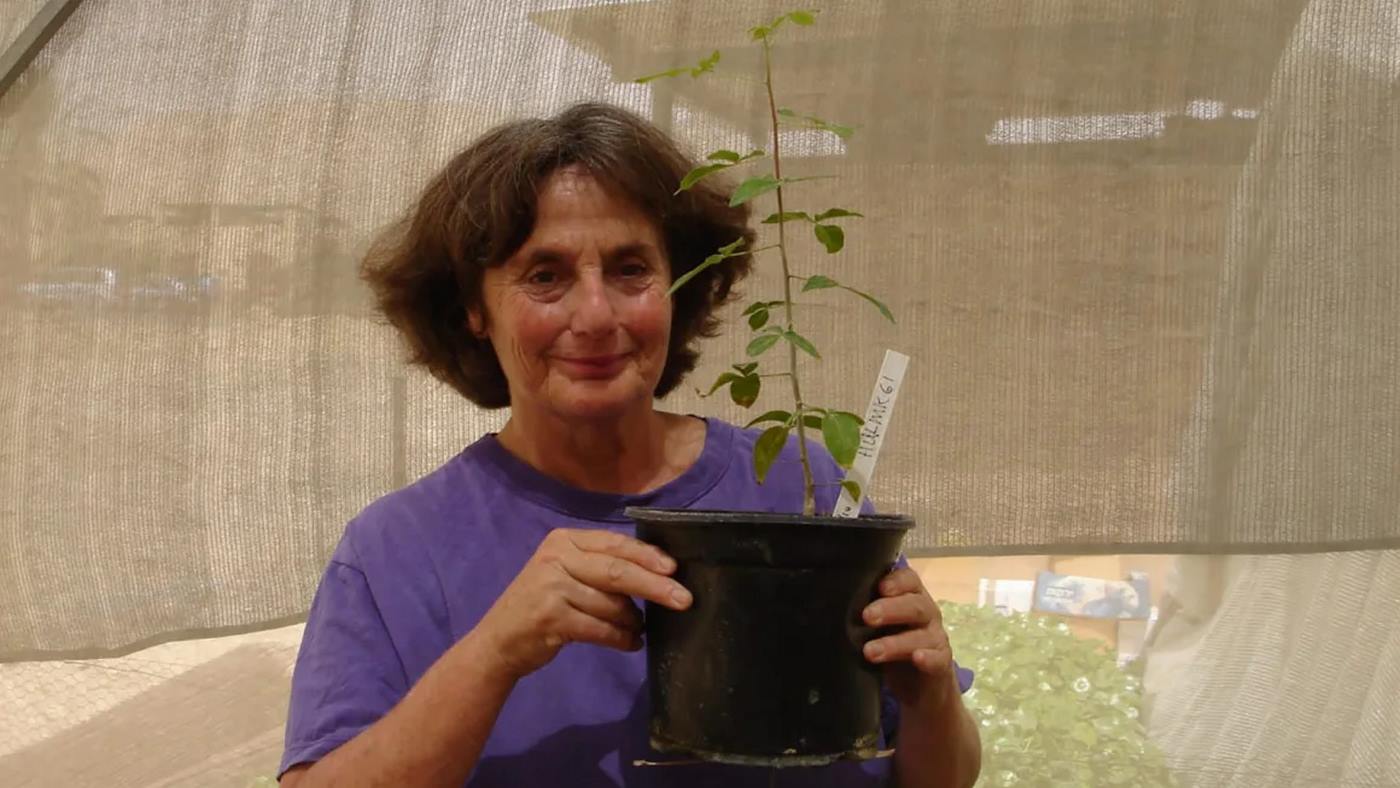
It worked. The seed germinated, and within months, a new Judean date palm began to grow, a living bridge to biblical times.
This is more than botany—it’s a testament to the resilience of life and the potential hidden in forgotten places. Could similar ancient seeds, preserved unknowingly in deserts or caves, hold keys to solving modern problems in agriculture and medicine?
Implications for Health and Nutrition
Date palms aren’t just historical symbols—they’re superfoods. Rich in fiber, antioxidants, and essential minerals, dates promote heart health, improve digestion, and support energy levels.
Reviving ancient varieties could lead to crops with higher nutritional value than modern commercial species. For health-conscious readers, imagine tasting a fruit that nourished people 1,000 years ago, potentially with benefits still hidden in its DNA.
Would you consider adding an ancient variety to your diet if it promised superior nutrition and sustainability?
Ancient Agriculture Meets Modern Finance
The revival of this tree also holds unexpected economic potential. Ancient crops can offer lucrative opportunities for specialty agriculture and sustainable farming ventures.
For investors, these trees represent more than nostalgia—they could be a high-value addition to organic farms, health-focused food brands, or even eco-tourism experiences. A limited number of Judean date palms means exclusive fruits that could fetch premium prices in specialty markets.
Could history become your next investment portfolio? Planting ancient trees might sound exotic, but in today’s niche markets, it’s increasingly profitable.
Sustainability Lessons From the Past

Ancient seeds like this remind us that agriculture once thrived in harmony with nature. The Judean date palm is drought-resistant, resilient, and perfectly adapted to harsh climates.
Modern home improvement and landscaping enthusiasts can take cues from this. Planting drought-resistant species not only saves water but also encourages biodiversity and reduces maintenance costs—a win for both your property and the environment.
What if backyard gardens could become micro-reserves of ancient species, bridging history and modern ecological responsibility?
Bridging History, Culture, and Conservation
The Judean date palm connects science with culture. It’s a living reminder of the region’s heritage, appearing in ancient coins, biblical texts, and historical paintings. Its revival isn’t just scientific—it’s cultural, a restoration of identity alongside biodiversity.
For travelers, seeing these ancient trees grow is a journey through time. Botanical tours, heritage sites, and eco-tourism experiences can now include a tangible connection to biblical history.
Would you pay a visit to a tree that has survived through centuries of human history and climate change?
The Technology Behind the Revival
The germination of a 1,000-year-old seed wasn’t accidental. It required careful analysis of ancient DNA, controlled hydration, temperature regulation, and innovative greenhouse practices.
This is where modern science meets ancient resilience, offering lessons for agriculture in extreme environments. Urban farmers, eco-conscious homeowners, and home gardeners can all take inspiration. Science is showing that even seeds thought extinct may still thrive with the right conditions.
Could this approach transform urban agriculture, enabling us to cultivate rare or ancient plants in city environments?
Economic, Cultural, and Ecological Opportunities

Ancient trees have a surprisingly broad appeal. Eco-tourists are drawn to unique experiences, conservationists celebrate biodiversity milestones, and investors see potential in specialty fruits and agribusinesses.
Meanwhile, local communities benefit from educational programs, cultural preservation, and environmental restoration. The Judean date palm is a living asset—a symbol of resilience that touches finance, tourism, health, and home improvement sectors simultaneously.
Can one tree truly create ripples across multiple industries, proving that ecological investment is economically wise?
Challenges and Controversies
Of course, reviving ancient species isn’t without challenges. Genetic bottlenecks, climate shifts, and disease susceptibility all pose risks. Moreover, there’s a philosophical question: should we resurrect ancient species, or focus solely on conserving what currently exists?
Yet each challenge presents an opportunity: a chance to innovate in agriculture, biotechnology, and conservation practices. The Judean date palm’s survival is a message—nature, with human assistance, can be resilient even after centuries of dormancy.
If this tree survived a thousand years in a cave, what other wonders of the natural world are waiting to be rediscovered?
Looking Ahead: A Living Legacy
The sprouting of the Judean date palm is more than a scientific triumph—it’s a call to action. It reminds us that ancient knowledge, combined with modern technology, can provide sustainable solutions for today’s food, health, and environmental challenges.
Travelers, investors, and home improvement enthusiasts alike can find inspiration here. Ancient trees may soon find their way into urban gardens, educational exhibits, and specialty farms, reminding us that history isn’t just in books—it can grow before our eyes.
Will you be among those witnessing history, or will you wait until it’s too late?