
Table of Contents
- When Forests Hide Magical Secrets
- The Enigmatic Life of Fairy Lanterns
- Discovery in Japan: A Botanical Breakthrough
- The Science Behind the Glow
- Eco-Tourism and Financial Potential
- Conservation Lessons From the Forest Floor
- Cultural Significance and Japanese Heritage
- Challenges in Preservation
- Expanding Knowledge for Home, Health, and Travel
- Looking Forward: The Future of Fairy Lanterns
When Forests Hide Magical Secrets
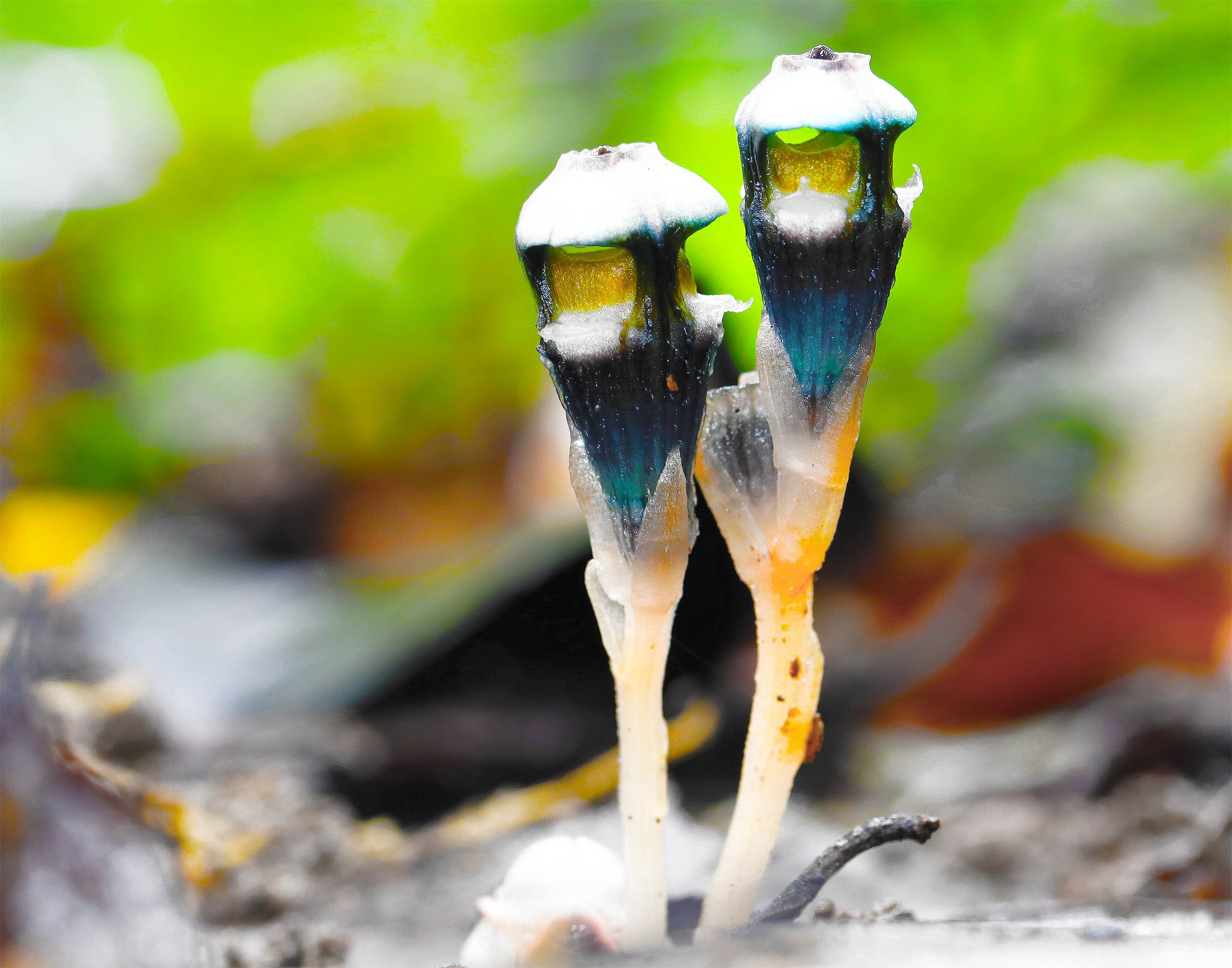
Deep in Japan’s verdant forests, a tiny plant has been hiding a secret for centuries. Biologists have just discovered a new species of fairy lantern (Monotropastrum humile), a small, glowing plant that seems to spring from the pages of a fantasy novel.
Fairy lanterns aren’t just beautiful—they’re mysterious, parasitic plants that thrive under the forest canopy without sunlight. Their discovery opens doors not just to science but to eco-tourism, health, and sustainable living.
Imagine walking through a dim forest, and suddenly, hundreds of tiny lanterns light your path. Would you pause to take a photo—or step carefully, fearing you might disturb a centuries-old secret?
The Enigmatic Life of Fairy Lanterns
Fairy lanterns are unlike any typical plant. They don’t photosynthesize like most greenery. Instead, they survive as mycoheterotrophs, forming symbiotic relationships with fungi to draw nutrients from the roots of surrounding trees.
This means that even though these plants don’t see sunlight, they live in harmony with their forest neighbors, a lesson that resonates with sustainable home gardening and eco-conscious landscaping.
For those investing in home improvement, imagine incorporating plants that thrive in low-light conditions, creating natural, low-maintenance indoor gardens inspired by forest ecosystems. Could your living room glow like a Japanese woodland?
Discovery in Japan: A Botanical Breakthrough

The newly discovered species was found in Japan’s mountainous regions, where dense foliage and rich soil hide countless botanical secrets. Researchers noted its delicate lantern-shaped flowers and unusual growth pattern, which sets it apart from previously known species.
This discovery is significant not just for botanists but also for travelers seeking unique experiences. Japan’s forests, already famed for cherry blossoms and ancient temples, now offer another wonder: glowing fairy lanterns that few have seen.
Would you plan a trip to see plants that are older than some of the temples in Kyoto, still quietly thriving in the undergrowth?
The Science Behind the Glow
What makes fairy lanterns so fascinating is their unusual survival strategy. By relying on fungi rather than sunlight, they challenge our basic assumptions about life and growth. Scientists believe that understanding these plants could lead to innovations in agriculture, particularly for low-light or indoor farming.
Health-focused readers might also find interest here. These plants demonstrate how symbiosis and natural adaptation can maximize efficiency—lessons that can be applied to nutrition, medicine, and sustainable urban farming.
If a plant can thrive without sunlight for centuries, what could this teach us about growing our own food in urban apartments or harsh climates?
Eco-Tourism and Financial Potential
The discovery of this new fairy lantern species isn’t just a scientific headline—it’s a potential driver for eco-tourism. Nature enthusiasts are increasingly drawn to rare flora, and guided tours, photography workshops, and sustainable travel packages could all benefit.
For finance-minded readers, there’s a unique opportunity here. Rare plants often inspire boutique agribusiness ventures, from specialty indoor plants to limited-edition botanical products. A glowing lantern in your living room might soon carry as much status as an orchid in the past.
Would you invest in a business that markets not just plants, but experiences—a literal walk through glowing forests?
Conservation Lessons From the Forest Floor

Fairy lanterns are fragile. They rely on old-growth forests, undisturbed soil, and the delicate balance between fungi and tree roots. This highlights the importance of preserving forest ecosystems, not only for biodiversity but for the future of sustainable living and agriculture.
Homeowners can take cues from this discovery, too. Planting resilient, shade-loving species encourages biodiversity, reduces maintenance, and saves water—a small but impactful step toward environmental responsibility.
Could our backyards become mini-conservation zones, nurturing rare or endangered species alongside practical landscaping benefits?
Cultural Significance and Japanese Heritage
Fairy lanterns aren’t just biological marvels—they carry cultural resonance. Their glowing presence evokes ancient Japanese folklore, reminding us of the deep spiritual connection between nature and human life.
For travelers and home decorators alike, integrating these motifs offers a unique blend of tradition and modernity. From landscape design to interior decoration, the fairy lantern inspires aesthetics that honor history while embracing innovation.
Would you dare to bring a piece of ancient Japanese forest magic into your modern home?
Challenges in Preservation
Of course, discovering a new species is only the first step. Climate change, deforestation, and human interference all threaten these delicate plants. Protecting them requires scientific research, public awareness, and sustainable tourism initiatives.
For investors, it’s a reminder that eco-conscious ventures aren’t just profitable—they’re necessary. Conservation-driven businesses, from guided tours to specialty plants, combine financial opportunity with ecological responsibility.
If a forest can hide a plant that’s been surviving undisturbed for centuries, what else could vanish unnoticed without our intervention?
Expanding Knowledge for Home, Health, and Travel

The discovery of the new fairy lantern species bridges multiple interests:
- Home Improvement: Shade-loving, low-maintenance plants inspired by forest ecosystems.
- Health and Nutrition: Lessons in symbiosis and efficiency that could translate into urban agriculture.
- Travel and Experiences: Rare eco-tourism opportunities in Japan’s forests.
- Finance and Investment: Boutique agricultural ventures, specialty plant markets, and eco-tourism packages.
It’s rare that a tiny plant can touch so many aspects of modern life—but the fairy lantern proves that even the smallest discoveries can have the largest ripple effects.
Would you explore a forest to find a plant so rare, it feels like stepping into a hidden world?
Looking Forward: The Future of Fairy Lanterns
As scientists study this new species, questions remain. How widely can it survive? Could it adapt to urban or indoor environments? What secrets lie within its symbiotic relationship with fungi that could change agriculture and sustainability practices?
This isn’t just a story about plants—it’s about curiosity, innovation, and the timeless dance between nature and humanity. By learning from these magical lanterns, we might find inspiration for healthier diets, smarter home gardens, sustainable travel, and even profitable eco-conscious ventures.
Will we protect these forest treasures before they vanish, or will they remain secrets hidden in Japan’s shadows, glowing quietly for a lucky few to find?