

Table of Contents
- When Birds Become Custodians
- The Intelligence of Crows
- Training Crows: How It Works
- Environmental Benefits of Feathered Helpers
- The Economic Angle: Saving Costs with Nature
- Tourism and Public Engagement
- Lessons for Homeowners and Communities
- Wildlife Education and Conservation
- Challenges and Ethical Considerations
- Future Possibilities
- Conclusion: When Nature and Innovation Meet
When Birds Become Custodians
Imagine walking through a theme park, enjoying rides and attractions, and noticing something unusual: crows flying around, picking up litter, and dropping it into collection bins. It sounds like a scene from a science fiction story, but in France, it’s reality.
The theme park has trained a group of crows to identify trash, pick it up, and deposit it into containers. This isn’t just a quirky experiment—it’s a clever combination of animal intelligence, environmental responsibility, and sustainable park management.
If you saw a bird flying with a bottle in its claws, would you marvel, or question how it learned such a skill?
The Intelligence of Crows
Crows are not your average backyard bird. They belong to the corvid family, renowned for intelligence and problem-solving skills. These birds can use tools, recognize human faces, and even understand cause-and-effect relationships.
Researchers have long studied crows’ ability to learn complex tasks. Teaching them to collect trash leverages this intelligence in practical ways, combining behavioral science, training techniques, and environmental management.
For homeowners and business owners, the lesson is clear: observing and respecting natural intelligence can yield surprising solutions to everyday problems. Could we train animals to help in urban cleaning, gardening, or other sustainability projects?
Training Crows: How It Works

The French theme park uses positive reinforcement, rewarding crows with food for correct behavior. The birds are trained to recognize litter, pick it up, and drop it into bins.
It takes patience and precision, as each crow learns individually. Over time, the birds understand the task and can even complete it reliably. This training is a real-world demonstration of how animal cognition and behavior can integrate into human-designed systems.
If a bird can learn to dispose of trash efficiently, what other tasks might animals perform in cities or homes, reducing labor and environmental costs?
Environmental Benefits of Feathered Helpers
Trash in parks is more than an aesthetic issue. Litter affects wildlife, water quality, and soil health. By teaching crows to clean, the theme park reduces waste impact, minimizes chemical cleaning use, and promotes a healthier ecosystem.
For eco-conscious homeowners, this approach is inspiring. It shows that innovative, low-impact methods can complement traditional cleaning, whether in parks, homes, or urban streets.
Would you consider eco-friendly alternatives, inspired by wildlife, in your own community or business?
The Economic Angle: Saving Costs with Nature
Training crows isn’t just environmentally savvy—it’s economically smart. Using birds to manage waste reduces the need for human labor or machinery, potentially saving parks thousands in maintenance costs.
Similarly, cities and private businesses could explore similar partnerships with animals or automated solutions, blending efficiency with sustainability. This is where finance, environment, and innovation intersect.
Imagine investing in a business model where nature helps cut operational costs while improving public perception. Could wildlife become a strategic partner in sustainable business practices?
Tourism and Public Engagement
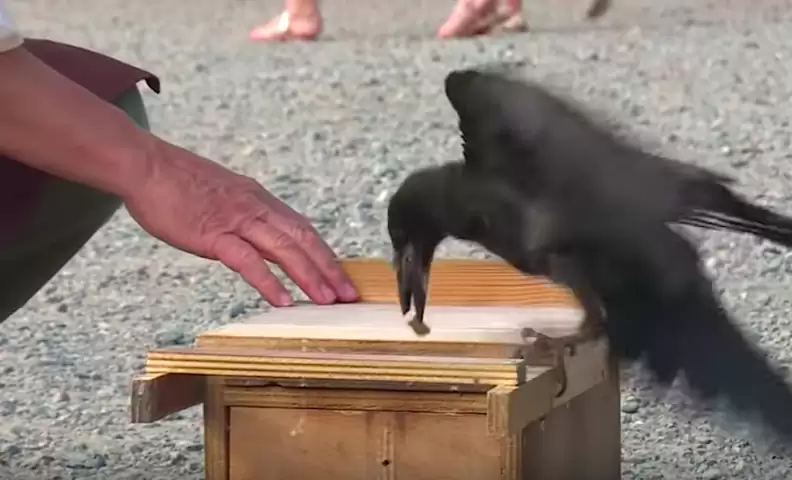
The novelty of trash-collecting crows has also boosted visitor interest. Tourists flock to the park to see the birds in action, merging entertainment with environmental education.
This concept illustrates the growing intersection of eco-tourism, wildlife conservation, and visitor engagement. Attractions that combine fun, education, and sustainability create memorable experiences that keep people coming back.
Would you visit a park to watch clever birds clean, learning about animal intelligence and environmental responsibility at the same time?
Lessons for Homeowners and Communities
While most of us don’t have trained crows, the concept inspires practical takeaways:
- Observing natural intelligence can spark eco-friendly solutions.
- Positive reinforcement and habit-building can improve behavior—whether in animals, children, or adults.
- Small interventions can reduce waste, save money, and enhance aesthetics.
From composting with worms to using bees for pollination in gardens, the theme park model encourages thinking creatively about how humans and nature can collaborate.
Could your backyard or community benefit from integrating natural helpers in everyday tasks?
Wildlife Education and Conservation
This crow project highlights broader lessons in conservation. People see crows differently when they understand their intelligence and ecological role. These birds aren’t pests—they’re problem-solvers.
Educational programs inspired by this could extend to schools, urban communities, and eco-tourism ventures, promoting respect for animals while teaching environmental responsibility.
If children grow up understanding that wildlife has practical value and intelligence, could we create a generation more attuned to sustainability?
Challenges and Ethical Considerations

Of course, training wildlife comes with responsibilities. Researchers ensure the crows are not stressed, overworked, or exposed to hazards. Balancing human benefit with animal welfare is critical.
This parallels other home, garden, and city projects where ethical considerations intersect with efficiency. Using natural solutions responsibly ensures long-term success and reduces unintended consequences.
Could these principles guide the next wave of eco-innovations in urban and suburban living?
Future Possibilities
The success of trash-collecting crows opens doors to new innovations. Could pigeons assist with deliveries? Could bees help monitor environmental changes? The key is observing intelligence and leveraging it ethically.
From smart home integration to wildlife-assisted sustainability, the park’s project demonstrates the potential of combining natural intelligence with human ingenuity.
If a bird can clean a park, what other mundane yet critical tasks could wildlife or nature-inspired technology help solve?
Conclusion: When Nature and Innovation Meet
The French theme park’s crow project isn’t just a quirky story—it’s a lesson in creativity, sustainability, and human-nature collaboration. It merges finance, eco-tourism, health, and home improvement principles into a single narrative: nature can solve problems if we respect it and harness it responsibly.
Next time you walk through a park or garden, imagine the possibilities. Could the next sustainability breakthrough come not from machines, but from clever animals learning alongside us?