
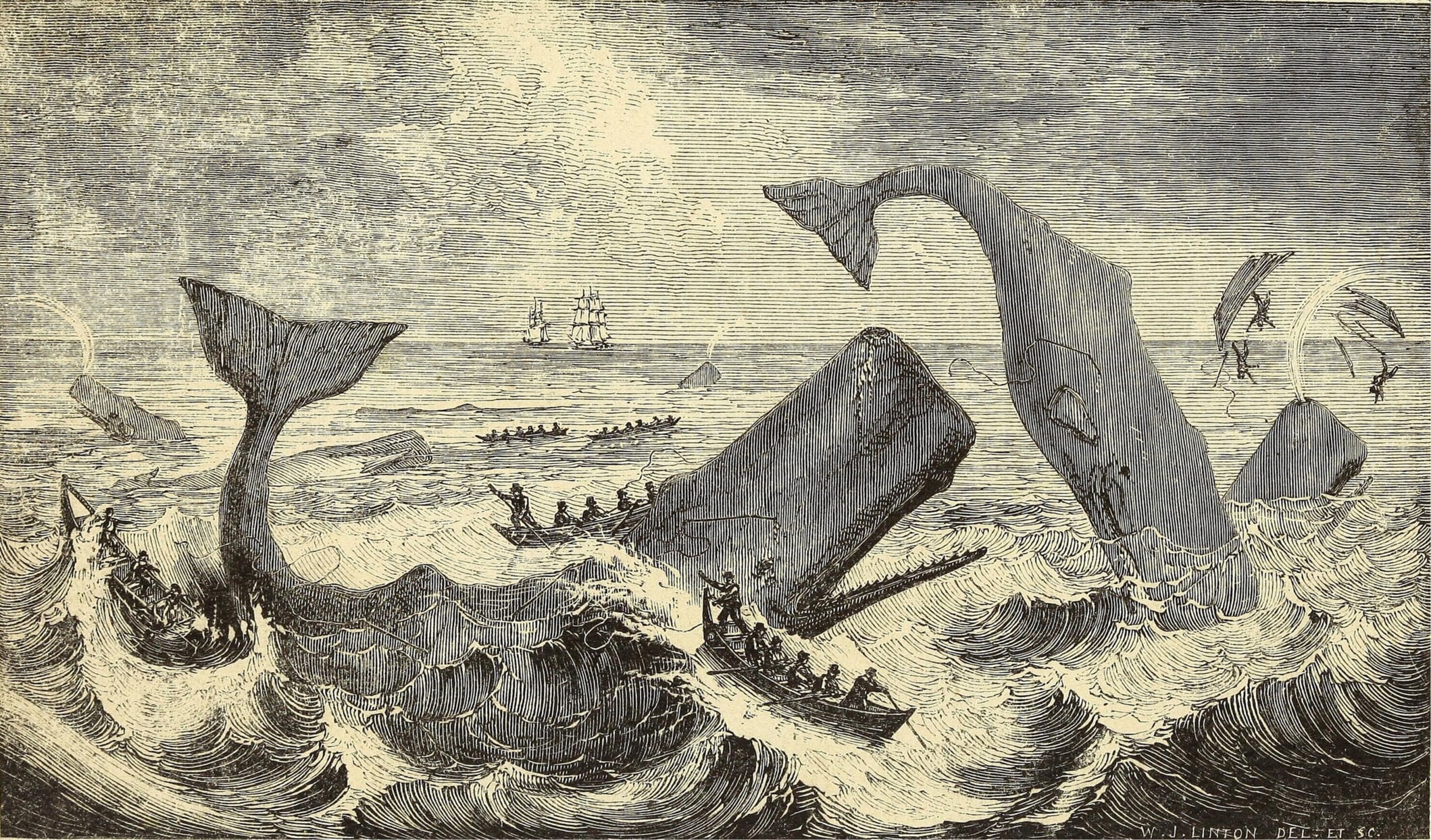
In the icy waters of the Alaskan Arctic, a tale unfolded in 2007 that challenged our understanding of nature’s endurance, time, and survival. Alaskan hunters were tracking a bowhead whale—already a colossal marvel of the sea—when they uncovered something buried deep in its flesh. It wasn’t a scar from a recent encounter or an injury from a predator. It was a 3.5-inch rusted metal shard—an explosive harpoon tip that dated back to the 1800s.
Let that sink in: this whale had been shot with a bomb lance designed to kill on impact, yet it had survived—and carried that deadly artifact in its body for over a century.
The device was a “bomb lance,” a brutal invention from the golden age of commercial whaling. These weren’t simple spears. They were engineered to penetrate thick blubber and detonate inside a whale’s body, destroying internal organs in an instant. They were the death sentence of the 19th-century seas. But somehow, this whale—this survivor—swam through time.
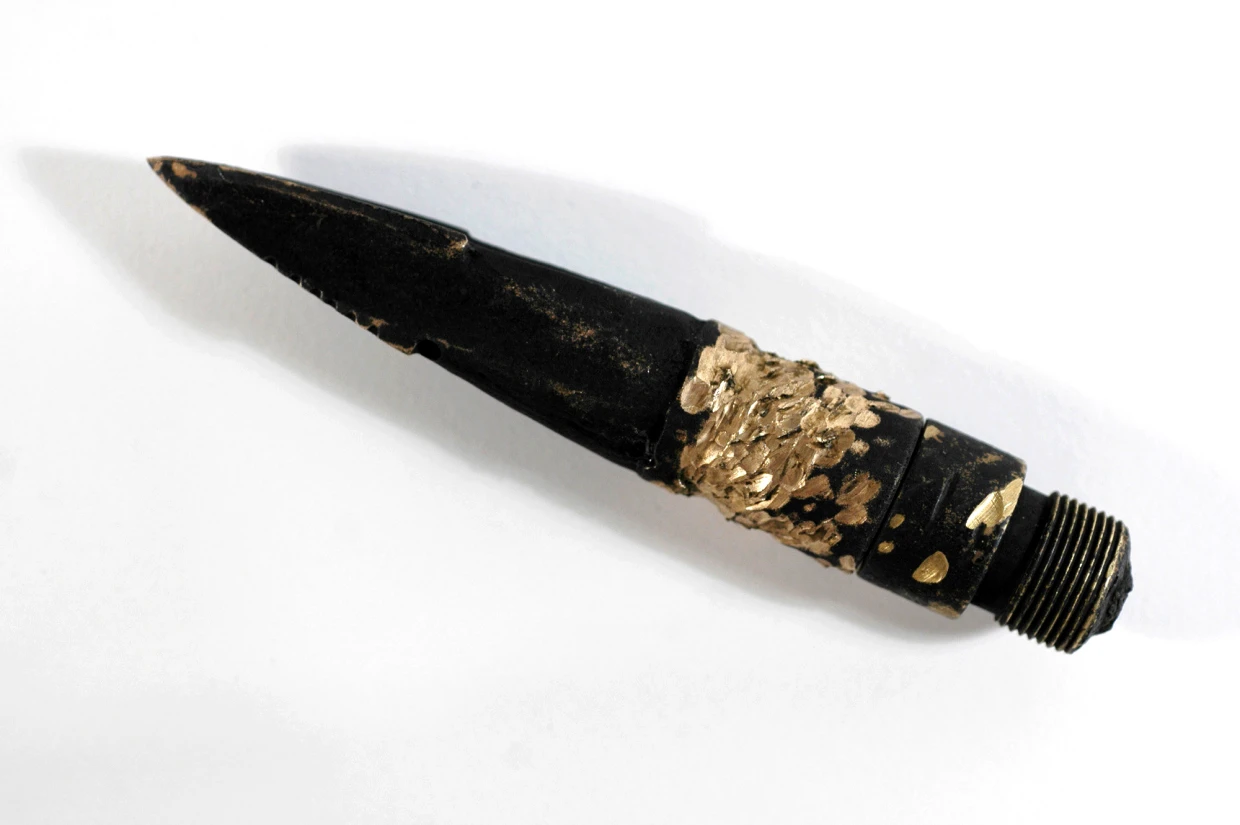
The rusted lance, embedded in the whale’s neck near its shoulder blade, wasn’t just a chilling reminder of humanity’s past—it was scientific gold. From the condition of the fragment and the tissue growth around it, researchers estimated that it had been lodged there for well over 100 years. The whale’s age, based on amino acid racemization and analysis of eye lenses, was estimated to be between 115 and 130 years. That placed its birth in the late 19th century.
Think about what this means: This whale lived through both World Wars, the invention of electricity, the rise of the internet, and the birth of nearly every human alive today. All the while, it silently navigated the Arctic, bearing a piece of history in its flesh.
Bowhead whales (Balaena mysticetus) are among the longest-living mammals on the planet. Some are believed to reach up to 200 years of age. Unlike most creatures, bowheads seem to defy the biological countdown most species are subjected to. Their cells are resistant to age-related diseases, and they’ve even become central to studies on longevity and cancer resistance.
But this particular whale’s story isn’t just about biology. It’s about resilience.
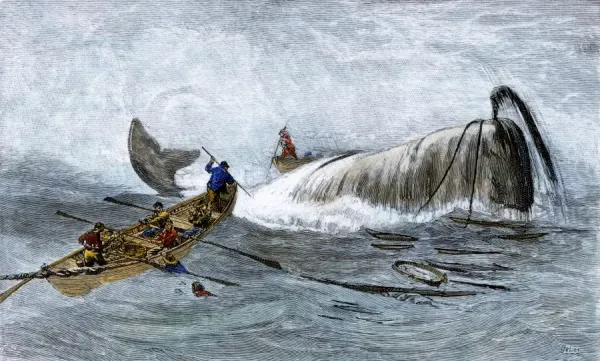
How does a living being survive a bomb built specifically to destroy it? Scientists believe that the harpoon may not have detonated properly or only partially discharged. Still, the fact that the whale survived the attack, healed, and thrived is a testament to the durability of its species. Even with metal embedded in its body, it continued to grow, swim, and adapt—its life a silent protest against extinction.
The discovery sparked global fascination, especially among biologists, historians, and environmentalists. The Inupiat whalers who harvested the whale donated the harpoon tip to the Inupiat Heritage Center in Barrow (now Utqiaġvik), Alaska. There, it remains on display, a haunting symbol of man’s pursuit and nature’s silent defiance.
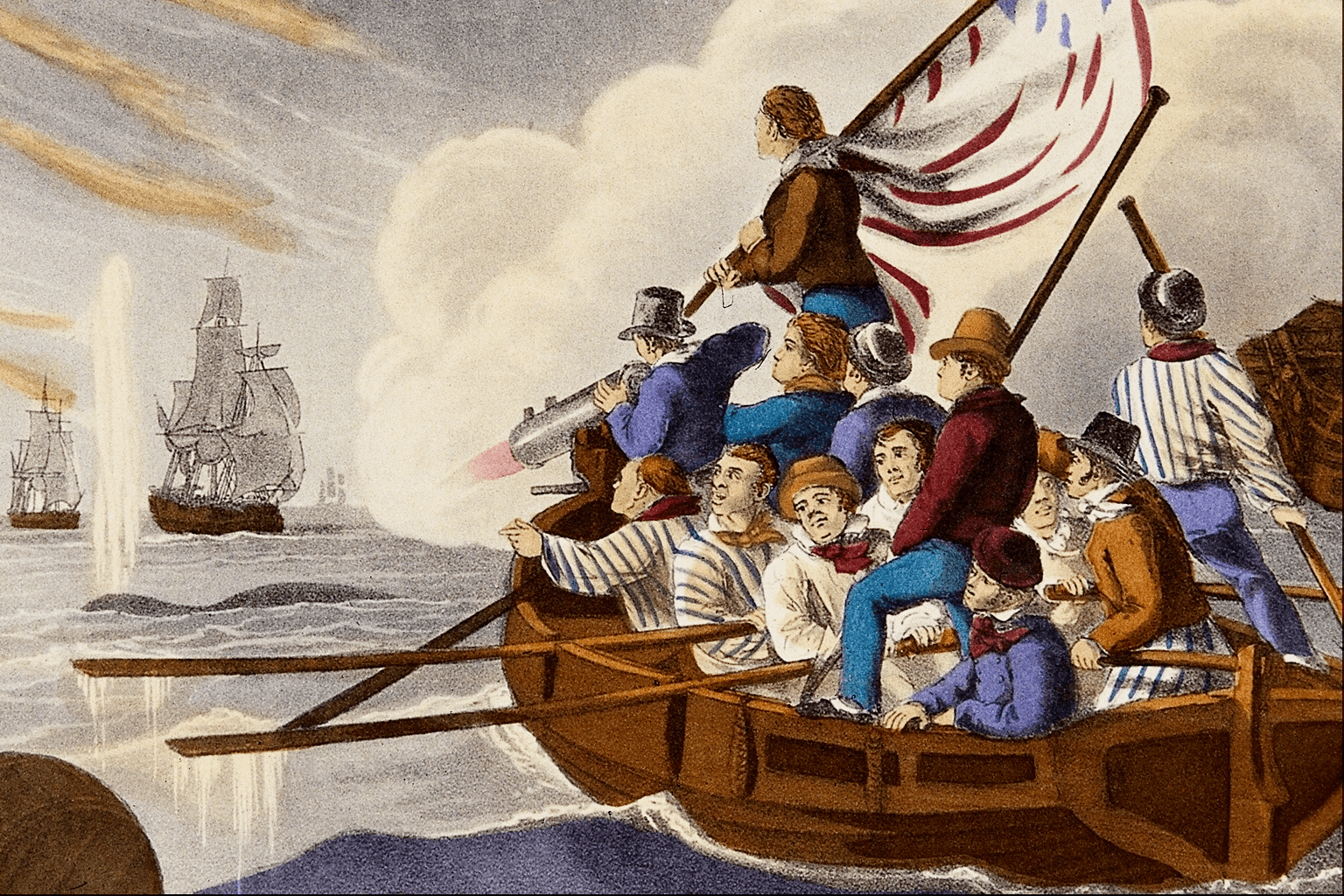
This incident also opened up deeper conversations about how we perceive animals—not just as biological data points, but as living witnesses of our history. This whale bore a scar from a time when ships with sails hunted giants with explosives. Yet it outlived its hunters, its tormentors, and maybe even the descendants of those who designed its weapon.
It’s easy to feel small in the face of such stories. A creature that should have died long ago, not only survived but thrived. In a world obsessed with youth, speed, and progress, this ancient giant teaches us about patience, endurance, and the quiet power of simply continuing on.
Some wounds are meant to destroy. But sometimes, those very scars become the marks of survival.
This isn’t just the story of a whale—it’s the story of time, of history embedded in flesh, of a species that has swum through centuries of change, and of a world that is finally learning to listen to its whispers.
Sources: