
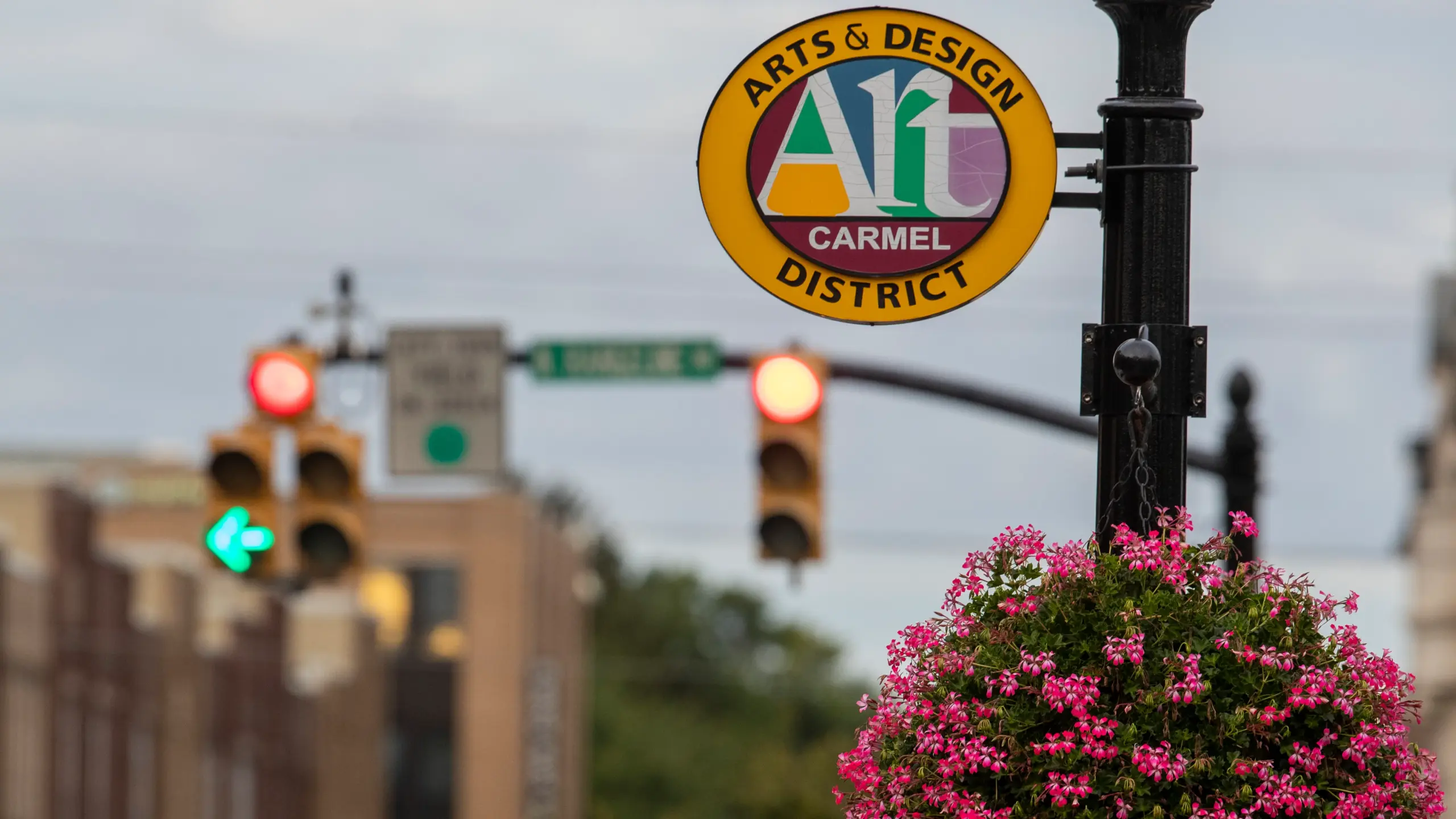
What if the secret to safer roads wasn’t more rules or smarter signals—but fewer of them?
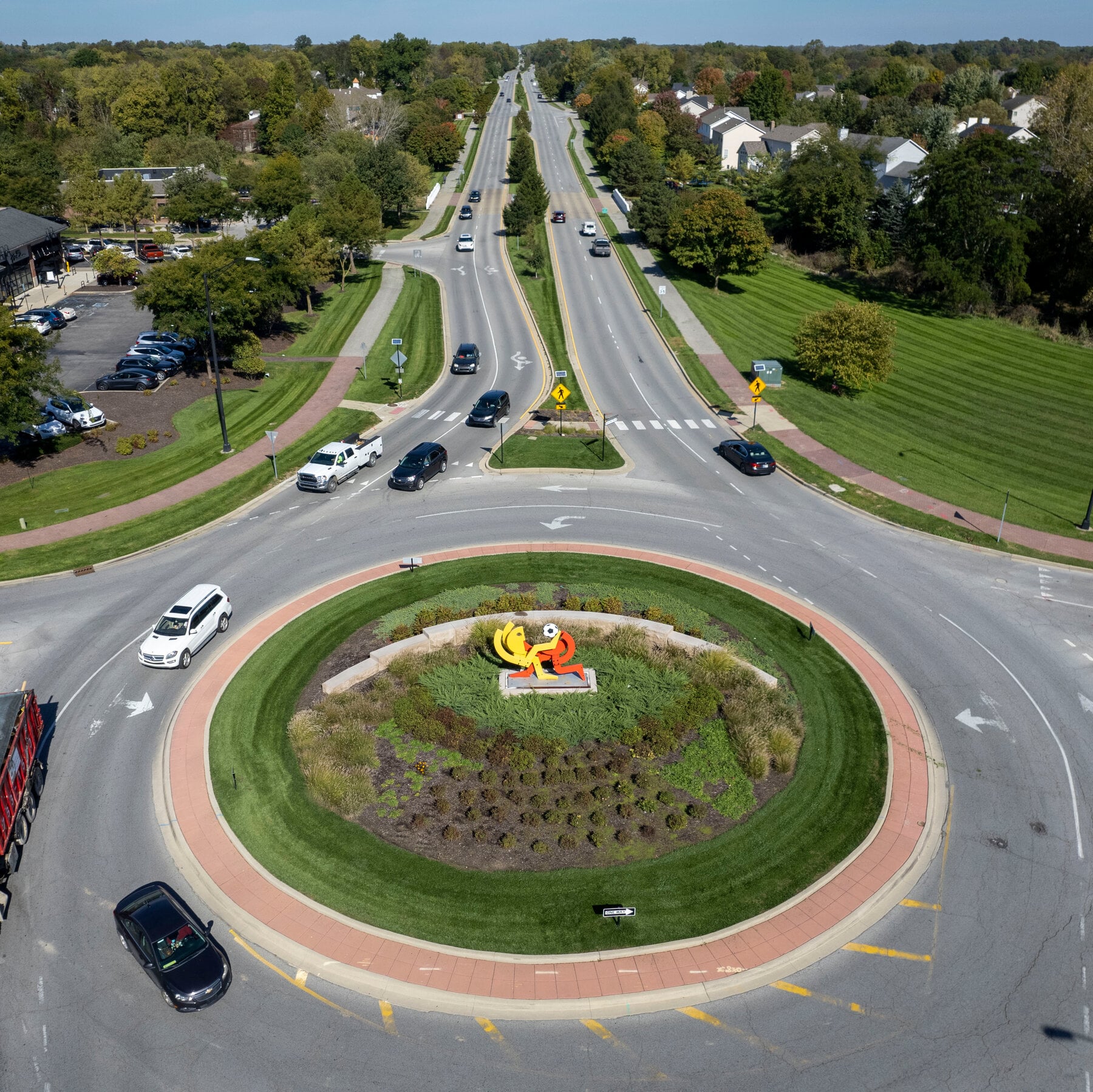
In Carmel, Indiana, officials made a decision decades ago that would challenge how America thinks about traffic. They began replacing traditional traffic lights with roundabouts. Over 120 have been built since 1996—making Carmel the roundabout capital of the United States.
The results? Nothing short of revolutionary.
Carmel didn’t just change how traffic flows. It cut accidents by 40%, slashed fatal crashes by 90%, and saved millions of dollars in city maintenance costs. All by doing something that seems counterintuitive: eliminating red lights.
Table of Contents
The Problem With Traffic Lights

For many drivers, traffic lights feel like safety nets. They control the chaos, manage rush hour, and keep cars from crashing. But studies show that intersections with lights can be among the most dangerous spots on the road.
They encourage speeding on green, abrupt braking on yellow, and risky decisions on red. The worst accidents—like side-impact collisions—often happen at signalized intersections.
Roundabouts change that dynamic entirely.
The Roundabout Revolution
At a roundabout, there’s no signal telling you to go or stop. Drivers slow down, yield to the left, and merge into the flow. It requires awareness, patience, and cooperation—not blind obedience to colored lights.
It may sound chaotic, but it’s actually safer.
Why? Because at slower speeds, crashes are less deadly. And with no red lights to run, the chances of a fatal T-bone collision drop drastically.
Carmel’s gamble proved right: they not only reduced accidents but created smoother traffic patterns citywide.
Environmental & Economic Wins
The benefits didn’t stop at safety.
Traditional traffic lights require expensive maintenance—electricity, sensors, poles, and constant servicing. Carmel’s roundabouts eliminate those costs, saving roughly $180,000 per intersection over their lifespan.
Then there’s fuel. Think about how much gas is wasted as cars idle at red lights. Carmel’s roundabouts prevent that. On average, each one saves drivers 24,000 gallons of fuel annually—which means less money spent at the pump and fewer carbon emissions released into the air.
It’s a quiet revolution that helps both your wallet and the planet.
A Mayor With a Vision
Behind Carmel’s transformation is Mayor Jim Brainard, who’s been re-elected multiple times since the mid-1990s. He saw roundabouts as more than traffic tools—they were part of a vision to make Carmel walkable, beautiful, and safe.
He added art and landscaping to many intersections. He focused on making neighborhoods feel European and connected. And despite criticism early on, he stuck with the plan.
Now, other U.S. cities are studying Carmel as a blueprint.
Will Your City Be Next?
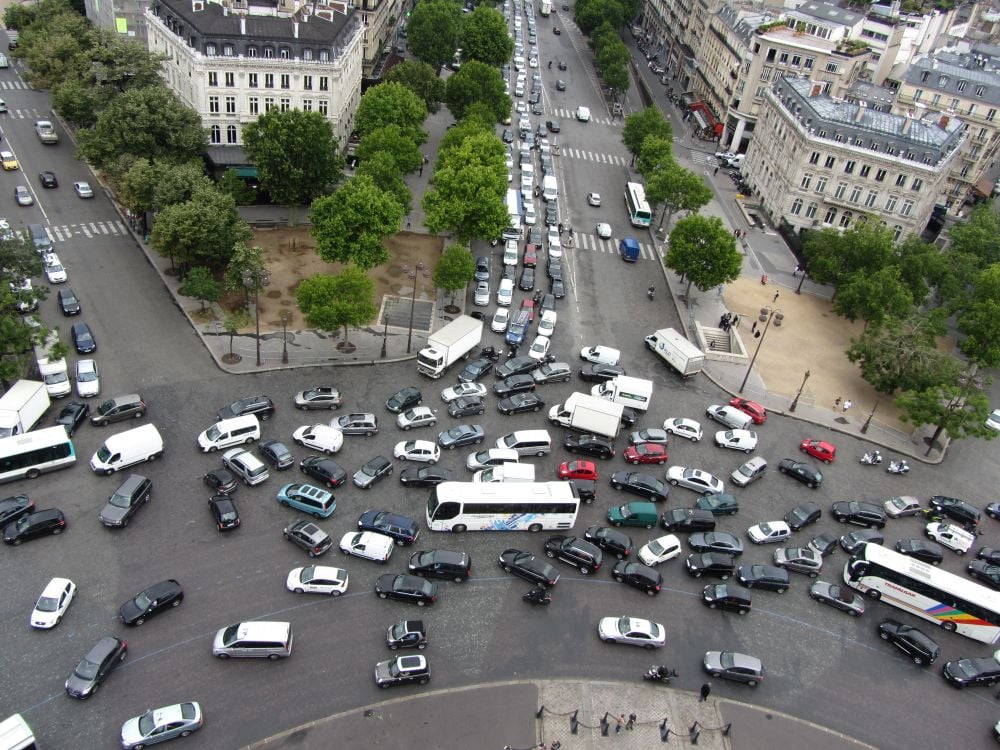
While roundabouts still confuse some American drivers, the data is undeniable. They save lives, cut emissions, and keep cities running efficiently.
Of course, roundabouts aren’t perfect for every situation. They require space, planning, and education. But where they work, they work incredibly well.
So the next time you’re stuck at a red light watching fumes rise from your exhaust, think of Carmel. And imagine how different your commute could be—not with more lights, but with fewer.
Because sometimes, progress doesn’t come from pushing forward—it comes from turning in circles.
Sources: