
Table of Contents
- What Is the 25th Amendment?
- Trump’s Leadership Under Scrutiny
- JD Vance’s Role in the Debate
- Trump’s Controversial Foreign Policy
- The Growing Concerns Over Trump’s Fitness
- What the 25th Amendment Could Mean for the US
- Why This Matters for the Future of the Presidency
- A Divided Nation
- The Legal and Ethical Implications
- What’s Next?
What Is the 25th Amendment?
The 25th Amendment, ratified in 1967, was created in the wake of President John F. Kennedy’s assassination to address presidential incapacitation. Section four of this amendment allows the vice president, in conjunction with the Cabinet, to declare a president unfit to perform his duties. This is a measure of last resort, designed to avoid a national crisis if a president can no longer carry out their responsibilities. This amendment has been invoked in the past under different circumstances, but now, with Trump’s age and controversial actions, the calls for it to be used have grown louder.
Trump’s Leadership Under Scrutiny

Since his return to the White House in January 2025 at the age of 78, President Trump’s actions and decisions have been under intense scrutiny. His leadership has sparked concern from both Democrats and some Republicans, with many questioning his mental and physical fitness for office. This has led to a mounting argument that it might be time for the 25th Amendment to be invoked, ensuring a smooth transition of power, as laid out in the U.S. Constitution. The urgency around this is fueled by the increasing number of incidents where Trump’s decisions have been called into question, both domestically and internationally.
JD Vance’s Role in the Debate
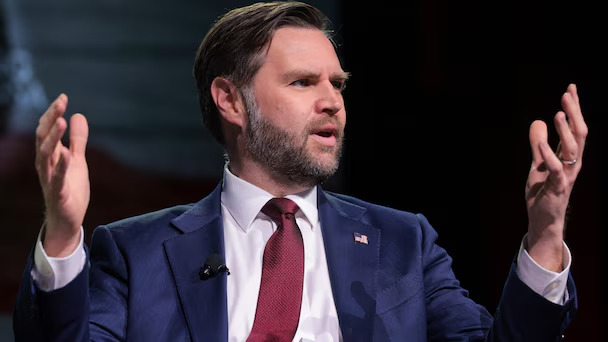
Vice President JD Vance has been thrust into the middle of this controversy. According to McConnell, Vance should publicly endorse a transition of power, putting forward a new vice president such as Senator Chris Murphy. This, McConnell suggests, would secure the stability of the nation and prevent further national security concerns. Vance’s decision could reshape the trajectory of the 2024 elections, with many wondering whether he will take a stand or remain silent on the issue.
Trump’s Controversial Foreign Policy
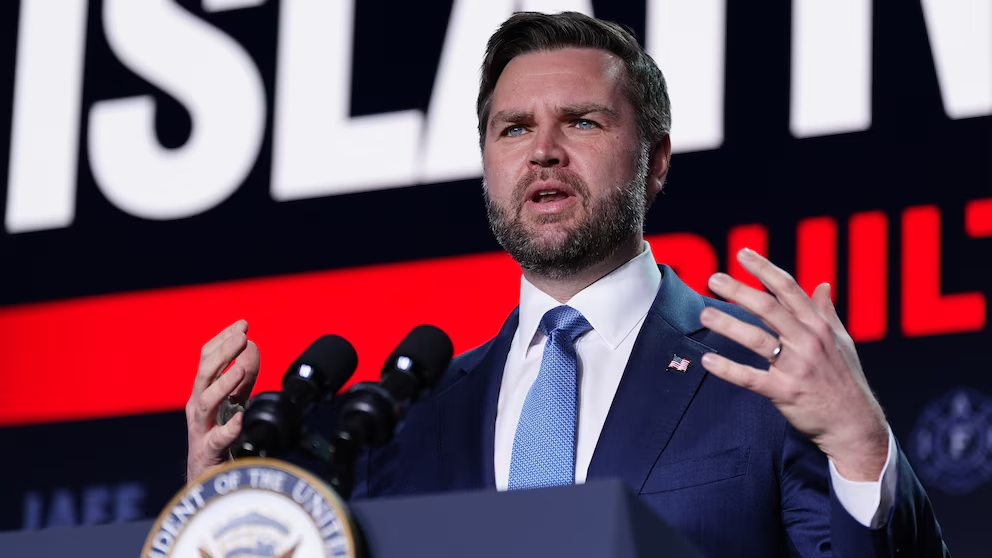
One of the major catalysts behind the push for invoking the 25th Amendment is Trump’s foreign policy, particularly his actions regarding Iran and Venezuela. Trump’s approval of military strikes on Iran and his controversial handling of the Venezuelan President’s capture have raised alarms about his decision-making capabilities. These actions have sparked intense debate about his mental acuity and ability to make critical decisions. As tensions grow in the Middle East, many argue that Trump’s judgment may no longer be reliable.
The Growing Concerns Over Trump’s Fitness
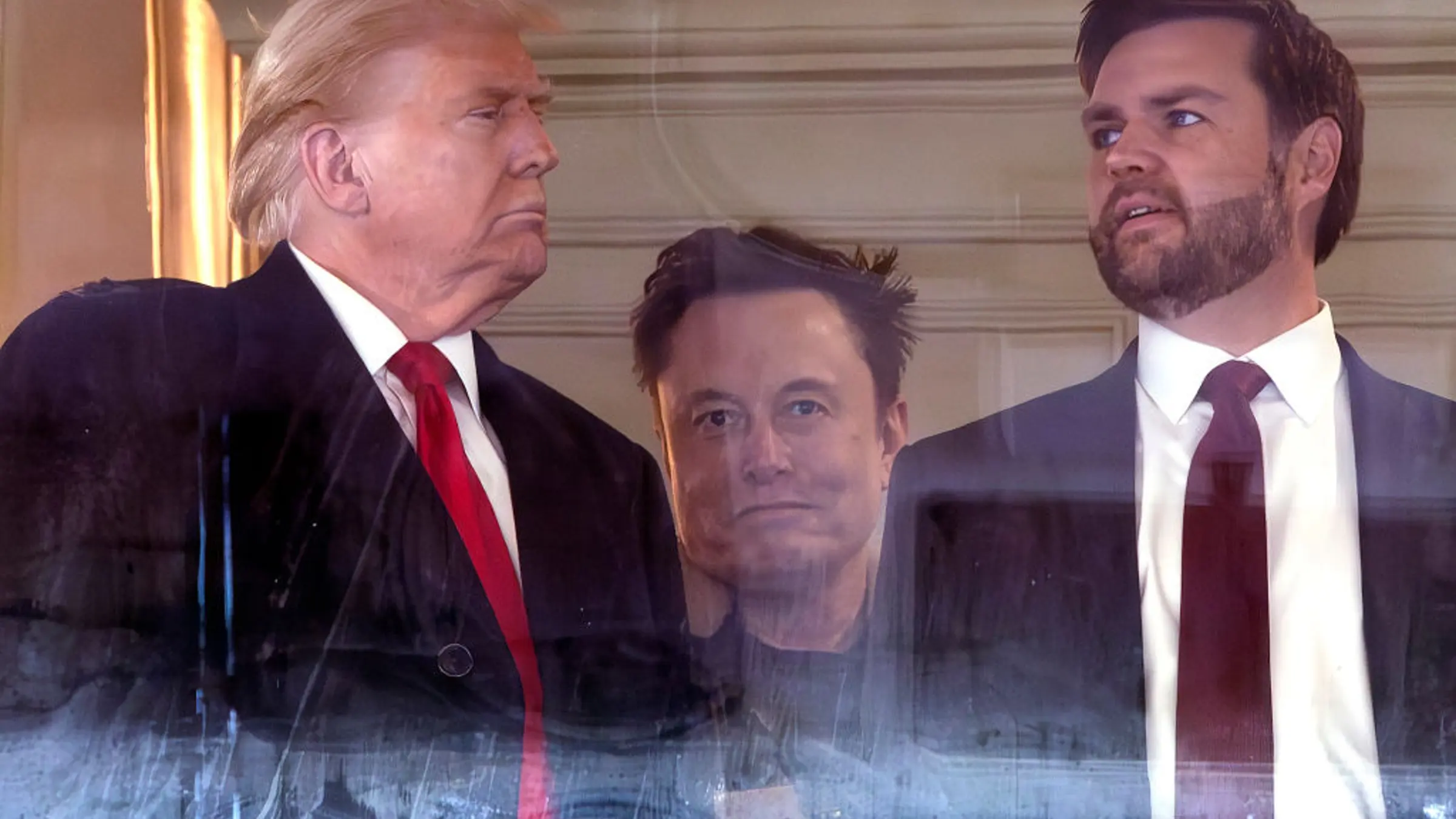
The debate over Trump’s fitness to serve has become a focal point of national discourse. While some argue that these concerns are politically motivated, others believe that they are a legitimate reflection of Trump’s increasingly erratic behavior. His age and health, combined with his actions in office, have led to a growing sense of unease among both political parties and the American public. Polls show that a significant portion of the population is calling for more oversight and, in some cases, for the president to step down. The invocation of the 25th Amendment has thus gained traction as a possible solution to this leadership crisis.
What the 25th Amendment Could Mean for the US
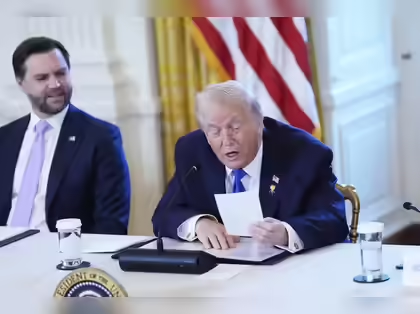
If invoked, the 25th Amendment would transfer power to Vice President Vance, temporarily removing Trump from office. The process would involve a declaration from Vance and a majority of the Cabinet, determining that Trump is unable to fulfill his duties. While the Constitution provides a clear framework for this transfer of power, it also sets a high threshold for its use. This makes the invocation of the amendment a significant and consequential decision that would require broad consensus and careful deliberation.
Why This Matters for the Future of the Presidency
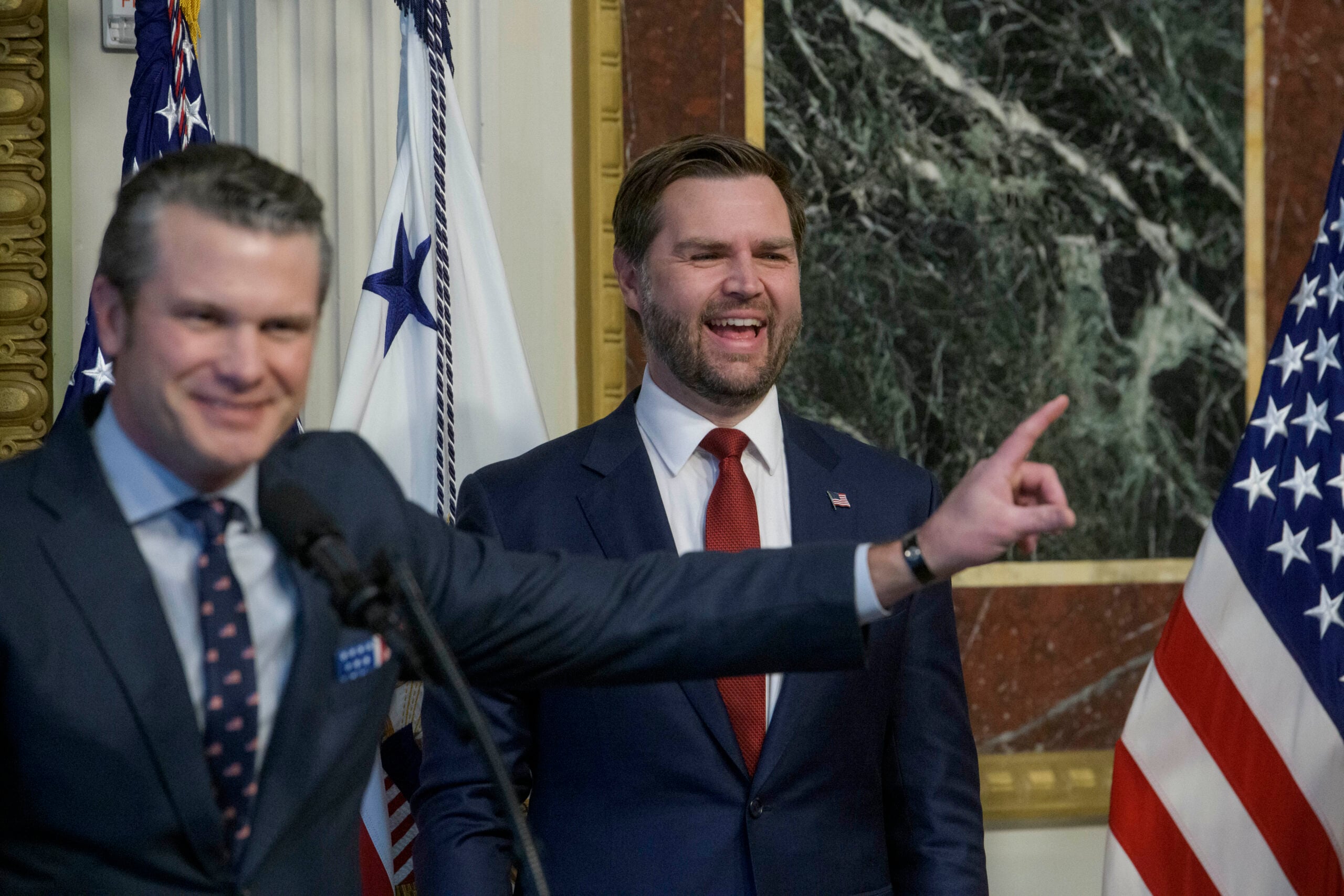
The calls for the 25th Amendment to be invoked against President Trump are not just about one individual’s leadership—they are about the future of the U.S. presidency itself. This debate raises important questions about how the country should handle situations where a sitting president is deemed unfit for office. As Trump’s leadership continues to be scrutinized, the future of presidential power and succession is being redefined in real time. The use of the 25th Amendment would set a precedent that could impact future presidencies, particularly in an era of political polarization and heightened scrutiny of public figures.
A Divided Nation
As political divides grow wider, the question of who should lead the country in times of crisis becomes even more pressing. While the use of the 25th Amendment may offer a solution, it also risks deepening the divide between Trump’s supporters and his critics. The situation reflects a larger issue of trust in leadership, as both parties grapple with questions of fitness, competence, and stability in their leaders. Whether Vance or another leader steps forward to invoke the amendment, it will likely have lasting implications for the nation’s political landscape.
The Legal and Ethical Implications
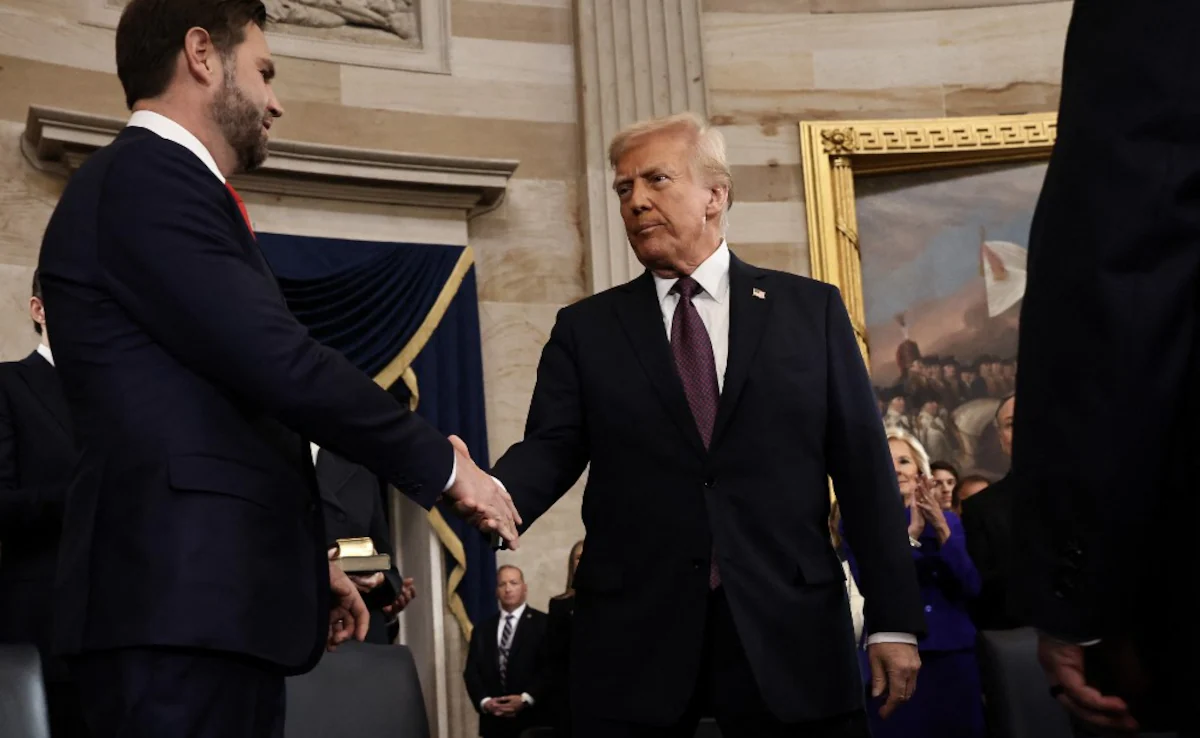
The invocation of the 25th Amendment is not without its legal and ethical challenges. While the Constitution provides for such a transfer of power, the process is complex and fraught with potential legal battles. This could further complicate an already tense political environment. Additionally, ethical concerns about the fairness of removing a president from office based on perceived incapacity could also come into play. As the debate continues, it remains to be seen whether the 25th Amendment will be invoked or whether other avenues for addressing leadership concerns will emerge.
What’s Next?
As we move forward, the question of whether to invoke the 25th Amendment against President Trump will continue to be a critical issue. While the legal framework for such a move is clear, the political ramifications are still unfolding. With Vice President JD Vance at the center of the debate, the decision could shape the future of U.S. politics for years to come. Whether or not the 25th Amendment is invoked, the ongoing conversation about leadership and accountability in American politics is sure to have a profound impact on the nation’s future.