
Table of Contents
The Inspiration Behind the Invention
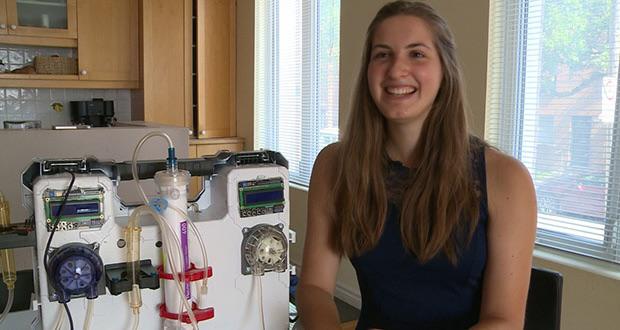
Anya Pogharian’s journey began when she volunteered at a hospital dialysis unit and witnessed firsthand the struggles of patients undergoing regular treatments. Dialysis, a life-saving procedure for people with kidney disease, typically takes hours and is often required multiple times a week. Despite its critical importance, the process is not only time-consuming but also expensive, with the average dialysis machine costing upwards of $30,000. Seeing this disparity sparked Pogharian’s determination to create a more affordable solution.
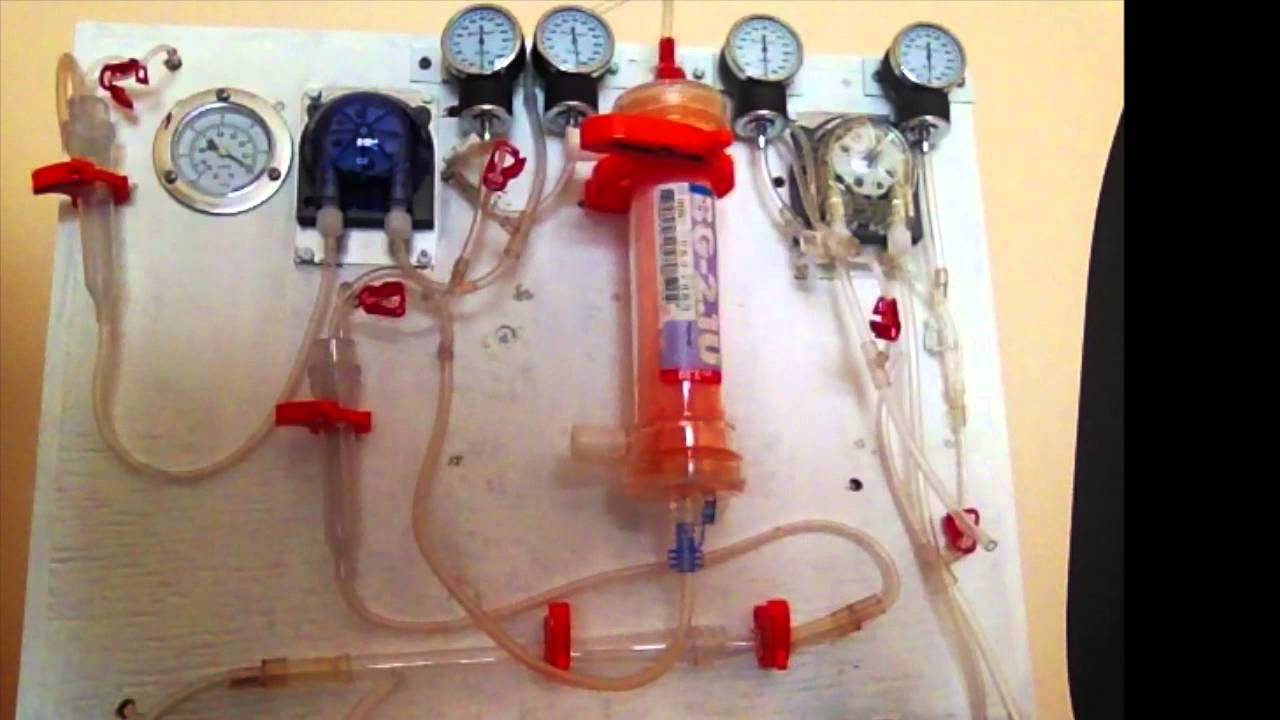
Her science fair project was simple yet groundbreaking: a portable dialysis machine that costs just $500 to build. The device’s affordability and ease of use could transform the way dialysis is administered worldwide, particularly in developing countries where access to healthcare is limited. Through her invention, Pogharian aims to make a difference in the lives of countless individuals who are currently unable to afford or access the care they need.
The Development of the Prototype
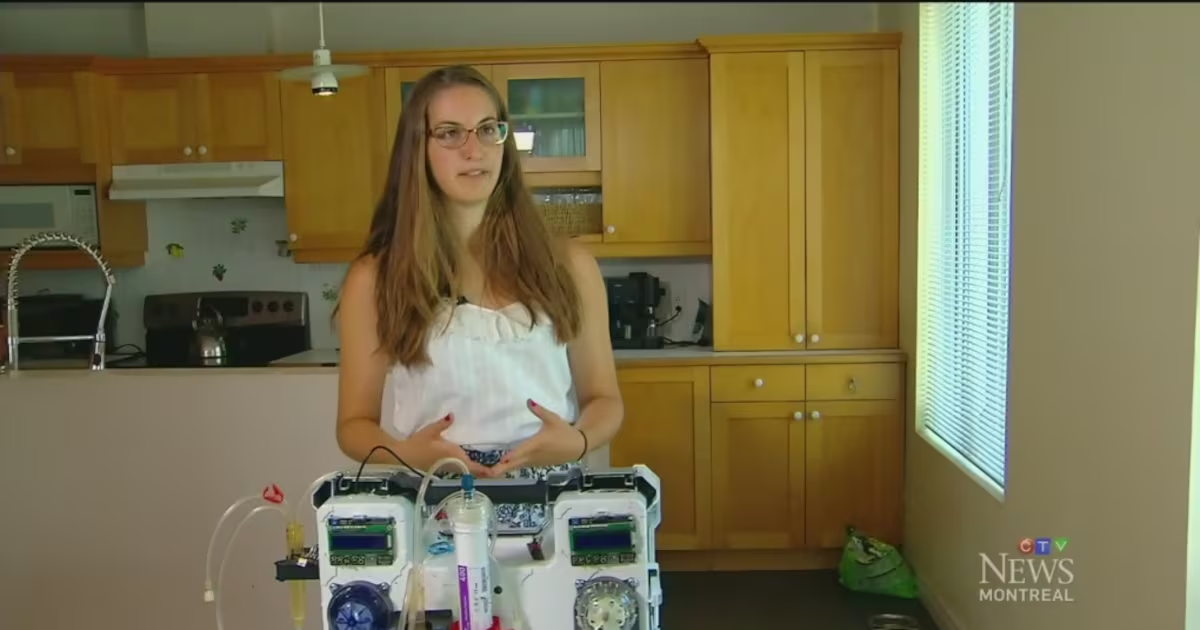
Pogharian’s initial design was tested using artificial blood in the lab, but her breakthrough came when she was offered an internship at Héma-Québec, a non-profit organization managing the province’s blood products. There, she was able to test her prototype using real blood samples. The results were astonishing—her machine, designed to filter four liters of blood, completed the process in just 25 minutes. This efficiency far surpassed expectations, and Pogharian’s innovation was now seen as a viable solution for patients in need of quick and affordable dialysis.
Why This Invention Matters
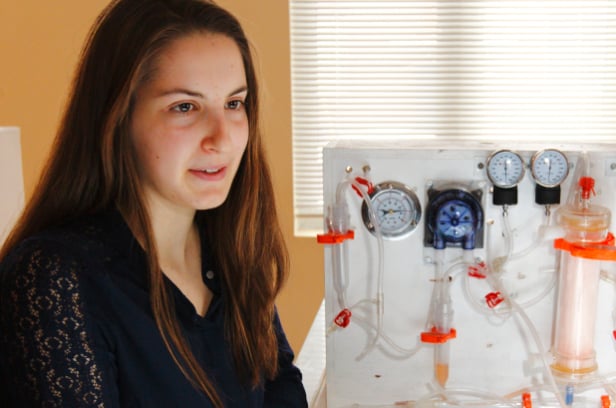
Dialysis is essential for those suffering from kidney failure, and while home dialysis machines are available, they are often prohibitively expensive, typically costing tens of thousands of dollars. In many cases, patients rely on in-clinic treatments, which can be exhausting, time-consuming, and difficult to access. Pogharian’s portable dialysis machine could change all that, offering a convenient and cost-effective alternative that would allow patients to undergo treatment in the comfort of their homes or even in disaster-stricken areas.
By reducing the cost of dialysis, this innovation could open up new possibilities for millions of people living with kidney disease. In addition to improving the quality of life for patients, the machine’s portability and speed could be particularly impactful in regions with limited healthcare infrastructure, where dialysis centers are few and far between.
Global Attention and Opportunities
Pogharian’s invention quickly gained international attention after CBC News first published her story. Messages poured in from dialysis patients around the world, praising her work and expressing hope for the future of dialysis treatment. Countries as far afield as India, Australia, and Russia reached out, eager to learn more about the technology. Ontario-based healthcare firm Baxter Corp. offered to sponsor Pogharian, providing her with the necessary filters to further develop her machine.
The recognition didn’t stop there. In addition to sponsorship offers, Pogharian received job opportunities from around the world, including inquiries from major hospitals and health organizations. What started as a high school science project has now become a global movement aimed at making healthcare more accessible and affordable for all.
The Impact on Patients
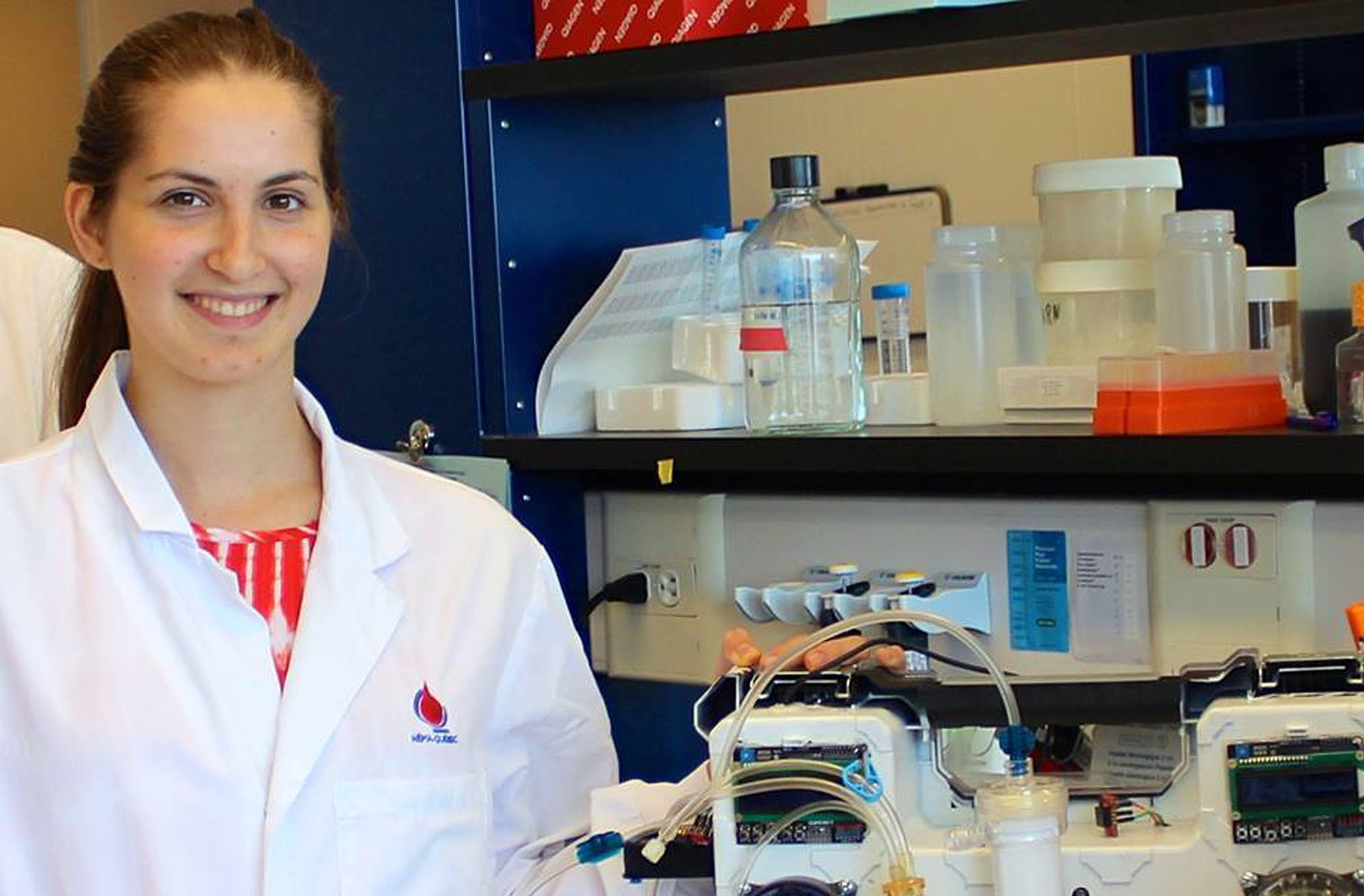
One patient, Philippe Ouaknine, shared his experience with the traditional dialysis process, which often required him to travel long distances for treatments that took several hours. Dialysis prevented him from working and spending time with his family, and the logistics of managing his treatments were a constant burden. Ouaknine expressed his belief that Pogharian’s invention would revolutionize the lives of dialysis patients, making it easier for them to receive treatment at home, thereby improving their overall quality of life.
While Pogharian’s machine is still in development, the potential it holds for patients like Ouaknine is enormous. Home dialysis units are already available, but their high costs make them inaccessible to many. Pogharian’s machine could provide a solution that bridges the gap between the expensive, in-clinic treatments and the need for affordable, at-home options.
A Vision for the Future
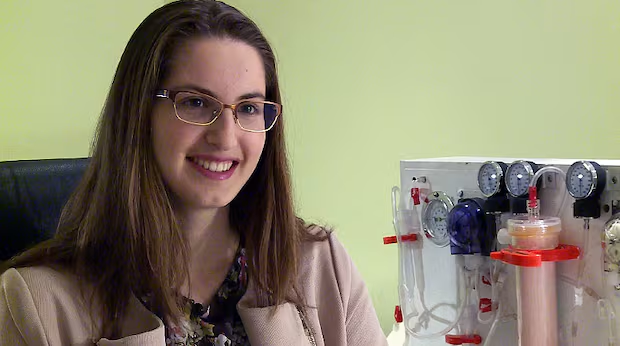
Pogharian’s vision for the portable dialysis machine is not just about improving the lives of patients in Canada or the U.S.; it’s about reaching those who need it most in developing nations and disaster zones. The machine’s portability makes it ideal for use in remote areas where healthcare resources are scarce, and its low cost makes it an appealing option for countries with limited medical budgets. Pogharian is determined to take her invention to the next level and make it available to those who need it most.
With plans to release the machine on the market in the coming years, Pogharian is working tirelessly to improve its design and efficiency. While there are still challenges to overcome, including securing further funding and finalizing regulatory approval, Pogharian remains optimistic that her invention will make a lasting impact on the healthcare industry.
The Role of Innovation in Healthcare

Pogharian’s story serves as a reminder of the power of innovation to change the world. In an age where healthcare costs are rising and access to medical treatments remains a challenge for many, Pogharian’s invention represents a ray of hope for the future. As more young inventors like Pogharian continue to push the boundaries of science and technology, we may begin to see new solutions emerge that make healthcare more accessible and affordable for all.
Her success is not just a triumph for medical science but also an example of the importance of fostering creativity and critical thinking in young minds. With the right support, young inventors can make a real difference in the world, just as Pogharian has done with her dialysis machine.
Conclusion: The Future of Healthcare Innovation
Anya Pogharian’s journey from a high school science project to developing a life-changing medical device is a testament to the power of youth innovation. Her portable dialysis machine has the potential to revolutionize healthcare by making dialysis more affordable, efficient, and accessible for people around the world. As she continues to refine her invention and work toward bringing it to market, Pogharian’s story serves as an inspiration to future generations of inventors who seek to solve some of the world’s most pressing challenges.
In the coming years, we may see Pogharian’s invention become a common sight in homes, hospitals, and disaster zones across the globe. With her dedication and vision, she is proving that one person can make a difference in the world, changing lives for the better and paving the way for a healthier future.