
Table of Contents
- The Hydrogen Stove: A New Cooking Revolution
- How It Works: Hydrogen as the Main Fuel
- The Emission-Free Promise: A Cleaner Future for Cooking
- Expanding Beyond Homes: A Global Solution
- Safety and Build Quality: Designed for Long-Term Use
- Price and Practicality: A Long-Term Investment
- The Future of Cooking: Moving Away from LPG
- A Step Toward a Sustainable Future
The Hydrogen Stove: A New Cooking Revolution
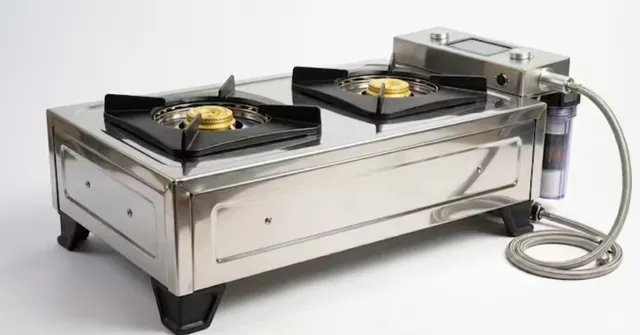
At the heart of this innovation is the use of 100% green hydrogen as fuel, which sets it apart from conventional cooking stoves. Green hydrogen, produced using renewable energy sources, is an environmentally friendly alternative to the fossil fuels typically used for cooking. By adopting this fuel source, the hydrogen stove offers an eco-conscious solution to the growing concerns over emissions from traditional cooking methods. Its design includes two burners and a stainless steel body, making it suitable for both residential kitchens and large-scale commercial settings.
What makes this hydrogen stove different from regular gas stoves is its reliance on hydrogen as a primary fuel, as opposed to the usual LPG cylinders. The stove’s table-top design with manual ignition provides a familiar cooking experience, yet the operation is very different. Instead of using stored gas, it operates with a controlled hydrogen flow system, ensuring that the cooking process remains efficient and safe.
How It Works: Hydrogen as the Main Fuel
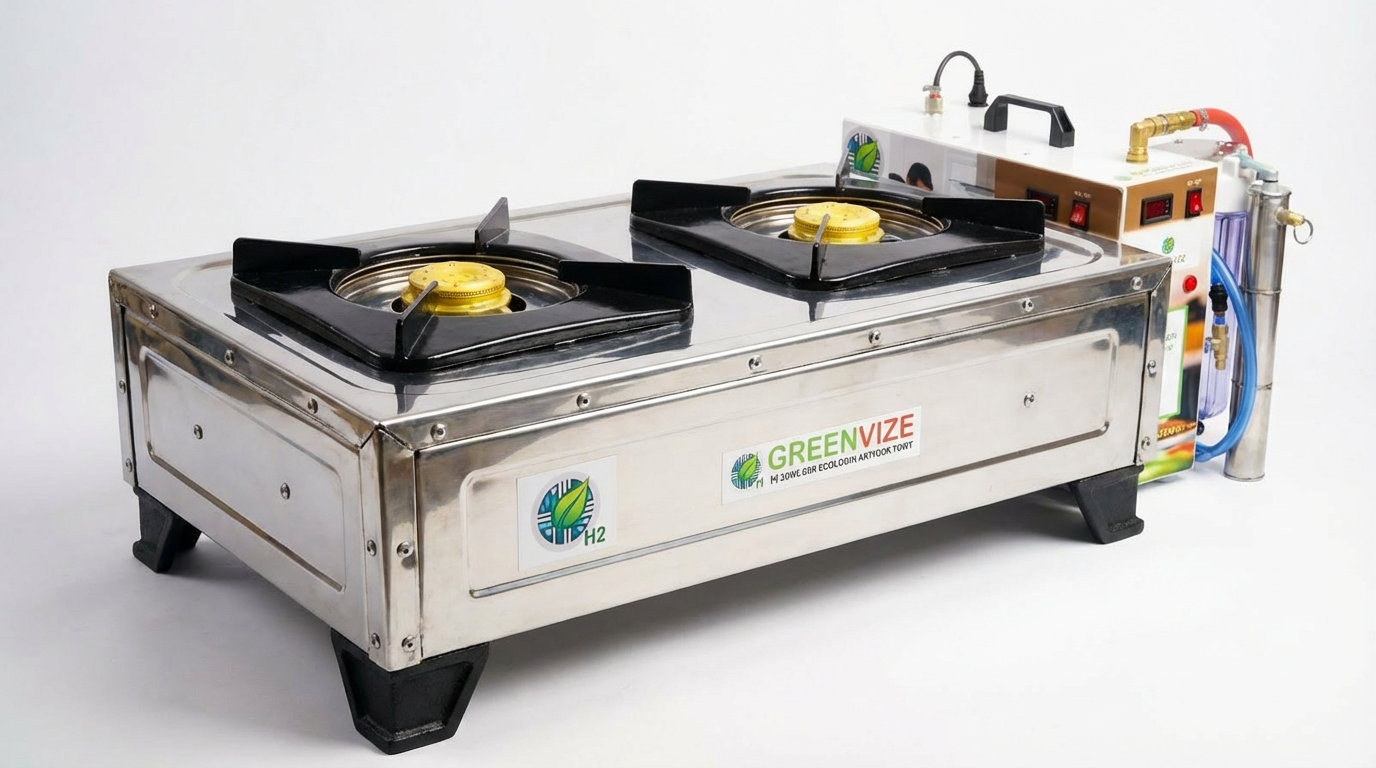
The technology behind the hydrogen stove relies on a catalytic hydrogen burner. This means hydrogen is used as the main fuel, and the stove allows for controlled, low-flame or even near-flameless cooking. The burner ensures that heat is distributed evenly, creating a stable cooking environment that is different from the typical cooking experience on LPG stoves. Importantly, this system does not rely on large, bulky gas cylinders, and instead, hydrogen is delivered in a controlled manner, allowing for safe and consistent cooking.
One of the key advantages of using hydrogen is its ability to produce clean heat. Unlike LPG or natural gas, hydrogen combustion does not result in harmful emissions such as carbon monoxide (CO) or particulate matter, making it a healthier and safer option, especially for indoor use. This makes the hydrogen stove an ideal choice for various cooking environments, including residential kitchens and industrial settings where safety and air quality are paramount.
The Emission-Free Promise: A Cleaner Future for Cooking
One of the most significant benefits of the hydrogen stove is its ability to produce zero emissions. In contrast to traditional cooking methods that release carbon dioxide and other pollutants into the air, this stove burns hydrogen cleanly, without any harmful byproducts. The absence of CO, carbon monoxide, and visible smoke makes it a particularly attractive option for indoor environments, where air quality is a concern. Additionally, the stove operates quietly, with minimal vibration, making it suitable for kitchens where a calm, clean atmosphere is desired.
As the world moves towards sustainable energy sources, this hydrogen stove represents a step in the right direction for the cooking industry. By offering a cooking method that is both efficient and environmentally friendly, this product addresses multiple concerns related to energy consumption and emissions. The stove’s clean operation not only benefits users but also contributes to broader efforts to combat climate change.
Expanding Beyond Homes: A Global Solution
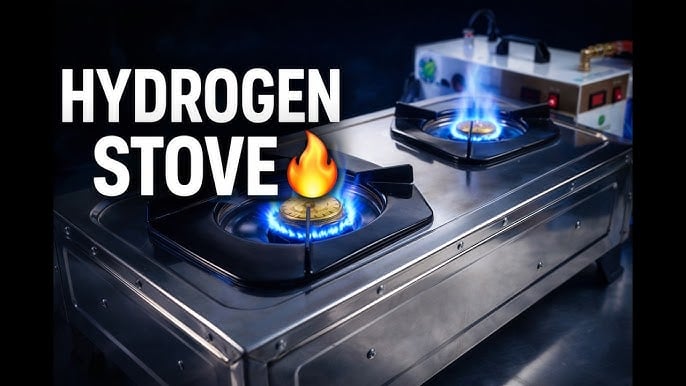
While the hydrogen stove is currently targeted at home kitchens, its potential applications extend far beyond the household. This technology is being explored for use in government clean-energy projects, community kitchens, and even military and remote locations where access to conventional cooking fuels can be challenging. The versatility of the hydrogen stove makes it an ideal candidate for large-scale operations that need an eco-friendly cooking solution.
Its use in research labs and institutional kitchens is also being tested, showcasing its adaptability in different sectors. As the technology continues to evolve, it could find its way into a variety of settings, from disaster relief operations to commercial kitchens that are committed to reducing their environmental impact.
Safety and Build Quality: Designed for Long-Term Use
Safety is a critical concern when dealing with hydrogen as a fuel source, and this stove has been designed with several built-in safety features to ensure safe operation over long periods. The stove is equipped with a flame arrestor, pressure regulation system, and hydrogen-compatible valves, all of which help maintain stable operation and prevent accidents. Additionally, the durable stainless-steel body ensures that the stove can withstand the rigors of daily use while maintaining its efficiency.
Hydrogen is a flammable gas, and it is important to ensure that the stove’s safety systems are robust enough to handle the potential risks. The inclusion of specialized safety features reflects the stove’s commitment to user safety, particularly in commercial and large-scale applications where safety standards are paramount.
Price and Practicality: A Long-Term Investment
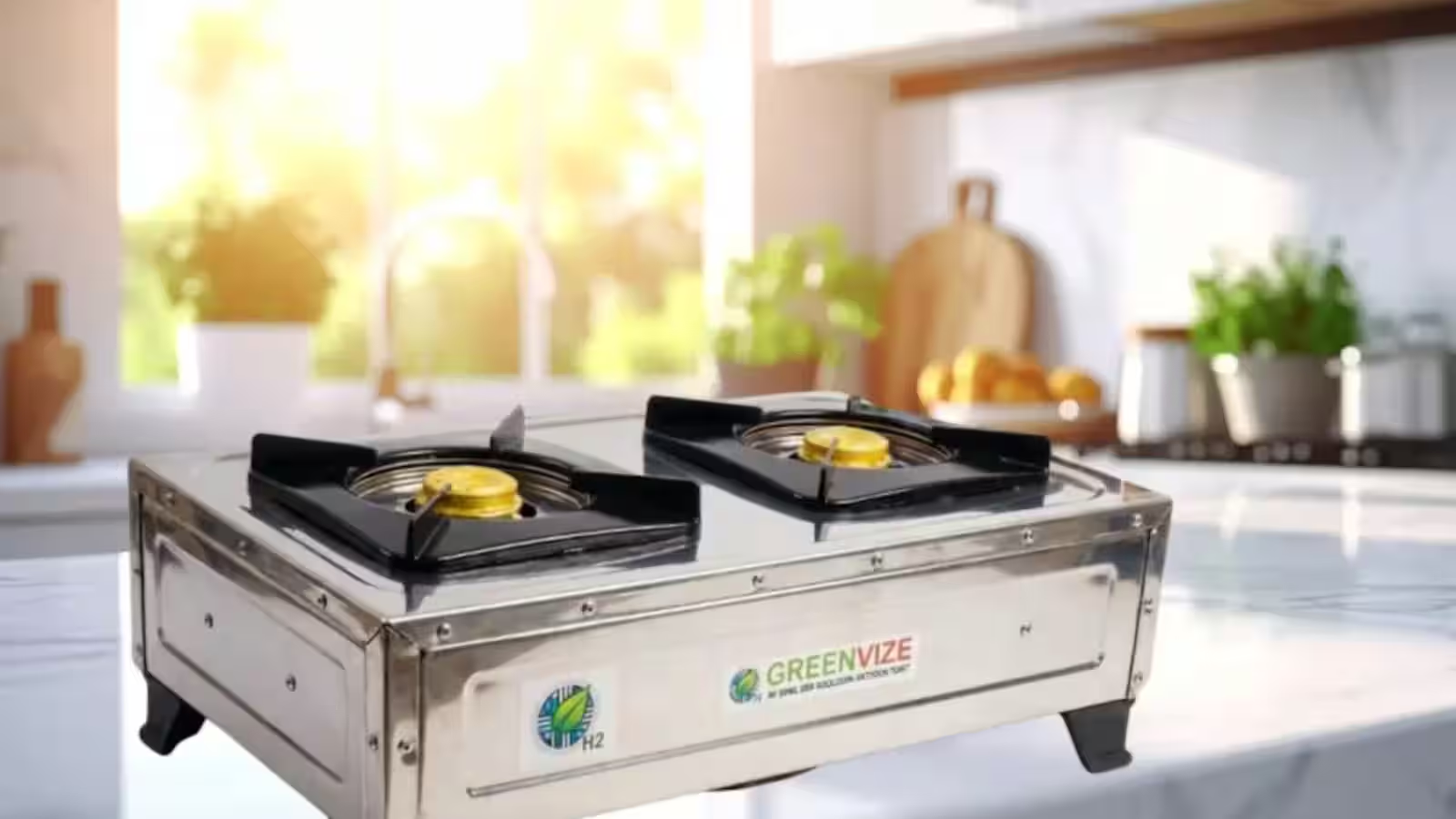
At a price of Rs 1,50,000 per unit, the hydrogen stove is currently positioned as a high-end product. While this price point may seem steep for the average household, it is important to note that the stove is not yet intended for widespread consumer use. Its primary focus is on pilot projects, clean-energy research, and large-scale kitchens that require a cleaner alternative to LPG.
As with many emerging technologies, the widespread adoption of hydrogen stoves will depend on factors such as cost, accessibility to hydrogen fuel, and the practicality of daily use. However, as demand for sustainable cooking solutions grows, it is likely that prices will decrease over time, making hydrogen stoves a more viable option for home use.
The Future of Cooking: Moving Away from LPG
The hydrogen stove is a glimpse into the future of cooking technology. As concerns about air pollution and climate change grow, alternative cooking methods like this one are becoming increasingly important. While it may not replace LPG stoves in every household immediately, it represents a clear step toward a more sustainable and eco-friendly approach to cooking. The shift away from gas-powered stoves towards hydrogen and other renewable energy sources is a trend that is expected to grow in the coming years.
In addition to its environmental benefits, the hydrogen stove offers the potential for greater efficiency and convenience. With its easy-to-use design and clean operation, it has the potential to become a staple in both residential and commercial kitchens worldwide.
A Step Toward a Sustainable Future

The hydrogen stove developed in India marks a significant leap forward in the quest for clean, sustainable cooking solutions. By using green hydrogen as fuel, this stove eliminates the need for traditional LPG cylinders and offers a safer, more efficient way to cook. While it is still in the early stages of adoption, its potential to revolutionize the cooking industry is clear. As technology advances and the world continues to prioritize clean energy, innovations like the hydrogen stove will play a crucial role in shaping the future of cooking and energy consumption.