
Table of Contents
- What is Atmospheric Water Harvesting?
- The MIT Device: How It Works
- Water Scarcity: A Growing Global Challenge
- The Role of Hydrogels in Water Harvesting
- Challenges and Limitations
- Potential Applications and Impact
- The Growing Interest in Atmospheric Water Harvesting
- The Debate: Is Atmospheric Water Harvesting Worth the Investment?
- The Future of Atmospheric Water Harvesting
- A Promising Solution for the Future
What is Atmospheric Water Harvesting?
Atmospheric water harvesting (AWH) is a process that extracts moisture from the air and transforms it into liquid drinking water. The concept isn’t entirely new, as humans have been collecting water from fog for centuries. However, MIT’s latest device represents a significant leap forward in this technology by harnessing advanced materials and methods that make it feasible even in the driest of conditions. The idea of pulling water from the atmosphere to combat water scarcity is particularly relevant in areas where traditional water sources like rivers, lakes, and groundwater are either scarce or drying up due to climate change.
The MIT Device: How It Works
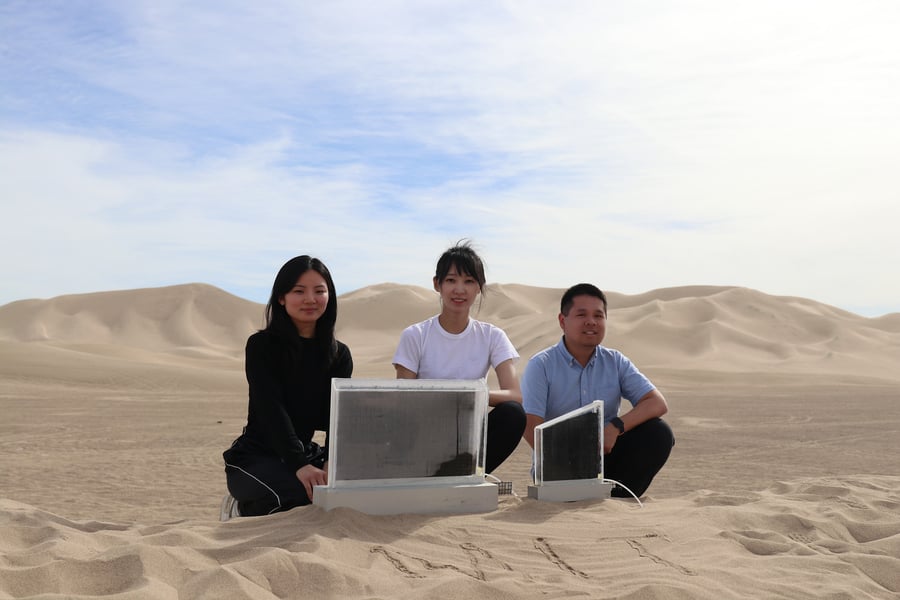
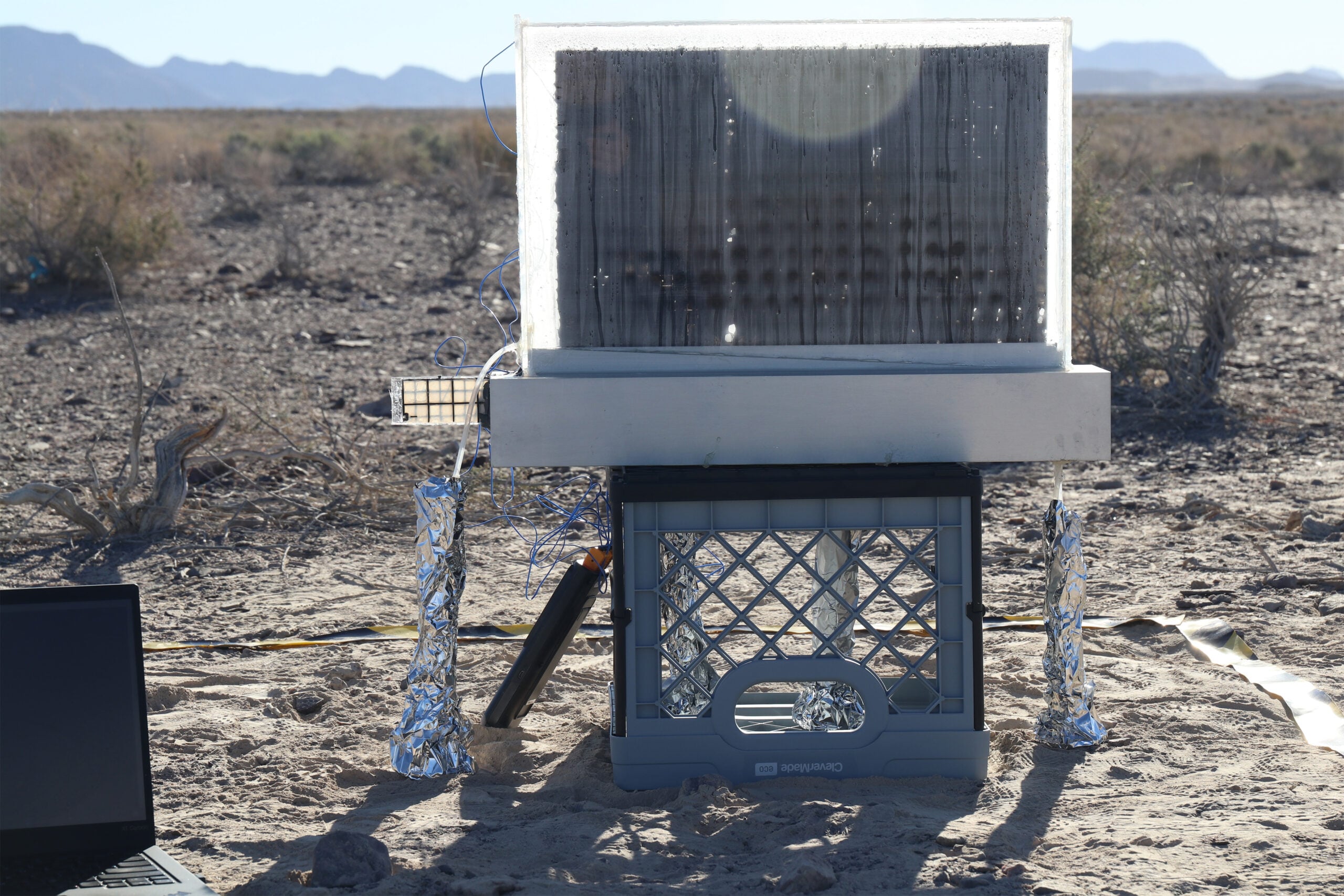
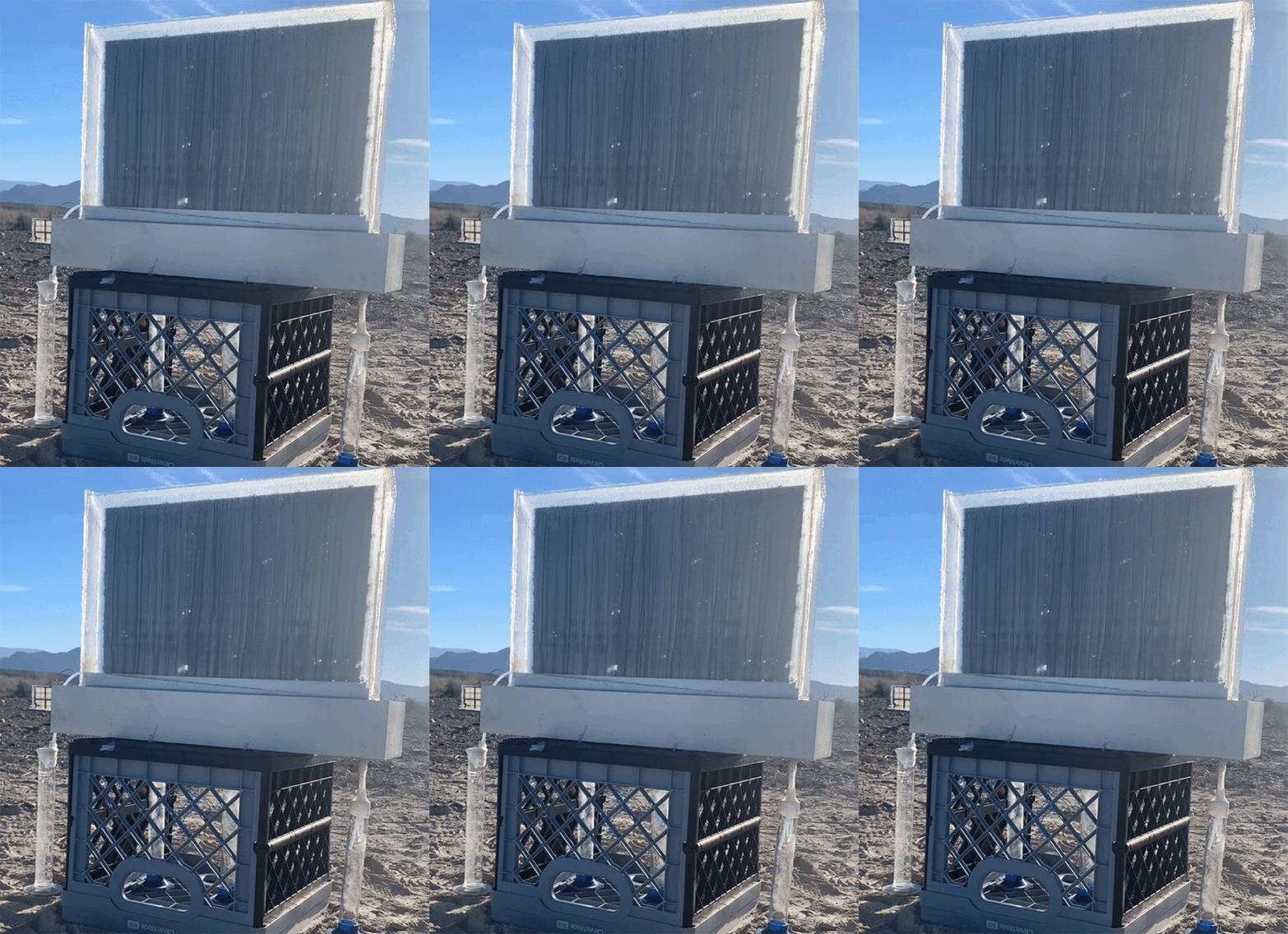
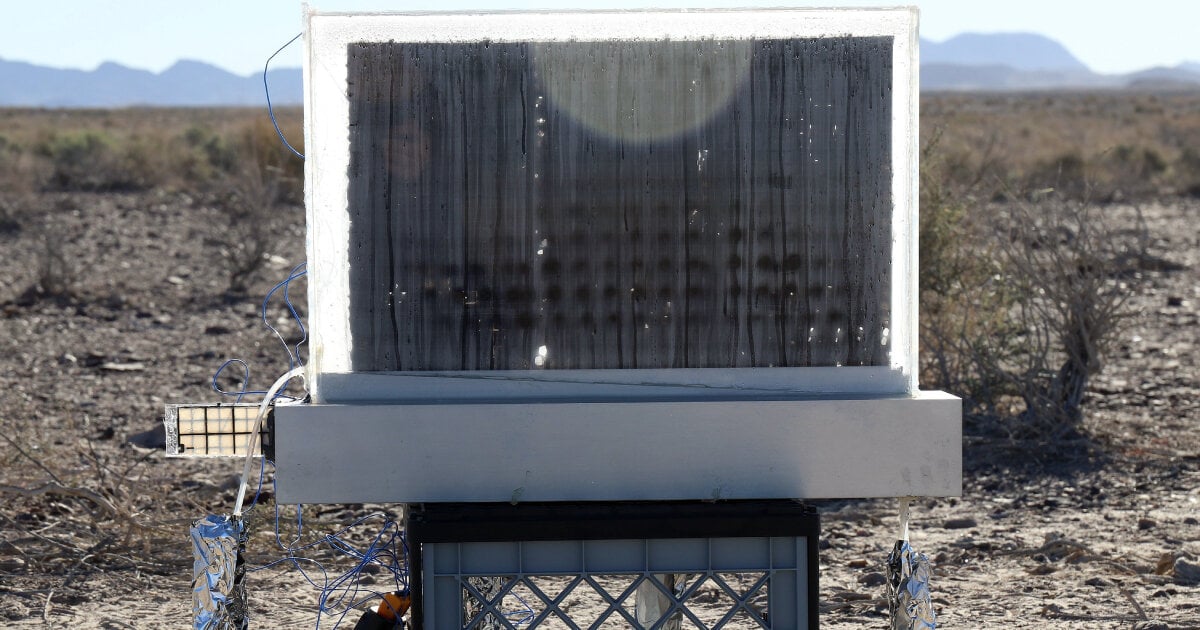
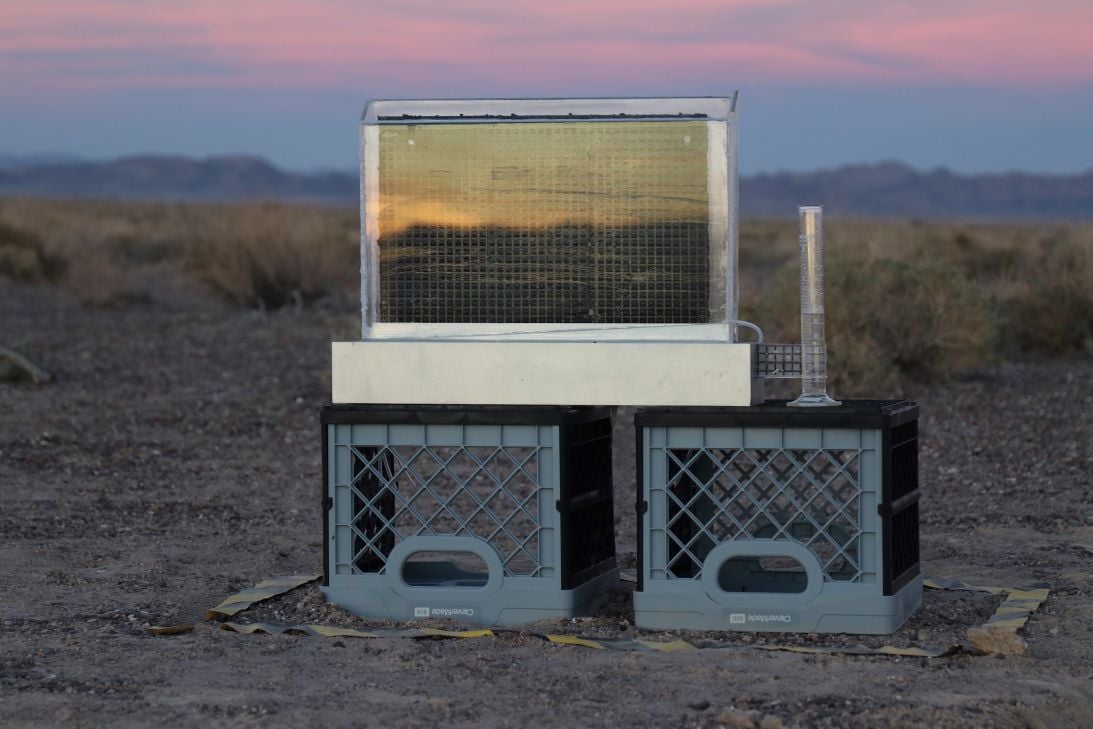
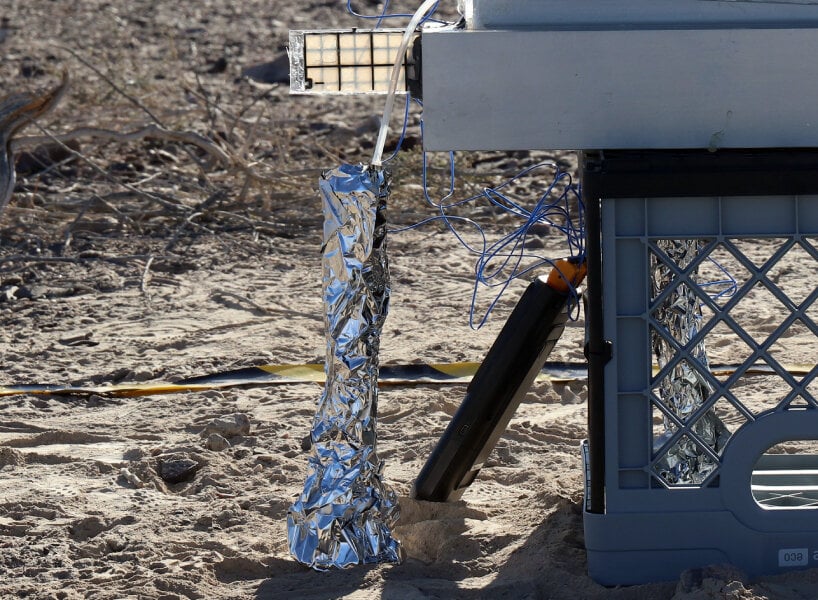
MIT’s atmospheric water harvesting device is a window-sized panel made from an absorbent material called hydrogel, which has been infused with salt. The material is folded into an origami-like structure and encased in glass. The hydrogel, which resembles black bubble wrap, absorbs water vapor directly from the air. As the water vapor is absorbed, the hydrogel swells, and as it evaporates, it shrinks again. This process continues until the water condenses on the glass and flows down a tube, emerging as fresh, drinkable water.
One of the most remarkable aspects of the device is that it does not require any external power source. Instead, it uses solar heat to drive the water extraction process, making it highly energy-efficient. While it does not produce large amounts of water—about two-thirds of a cup per day—its ability to function in extreme arid environments like Death Valley proves that it could be a valuable tool in addressing global water shortages.
Water Scarcity: A Growing Global Challenge
Water scarcity is one of the most pressing issues facing the planet today. More than 2 billion people lack access to safe drinking water, and the situation is expected to worsen as climate change intensifies droughts, reduces freshwater availability, and causes erratic rainfall patterns. While desalination and water purification technologies have made strides, these methods often require significant energy and infrastructure, making them unsustainable for many of the world’s poorest regions.
Atmospheric water harvesting presents a promising alternative. By tapping into the moisture in the air, this technology could provide a sustainable, off-the-grid source of drinking water, particularly in remote and desert areas where conventional water sources are not available. With its minimal energy requirements and ability to operate in arid environments, MIT’s device represents a potential breakthrough in combating water scarcity.
The Role of Hydrogels in Water Harvesting
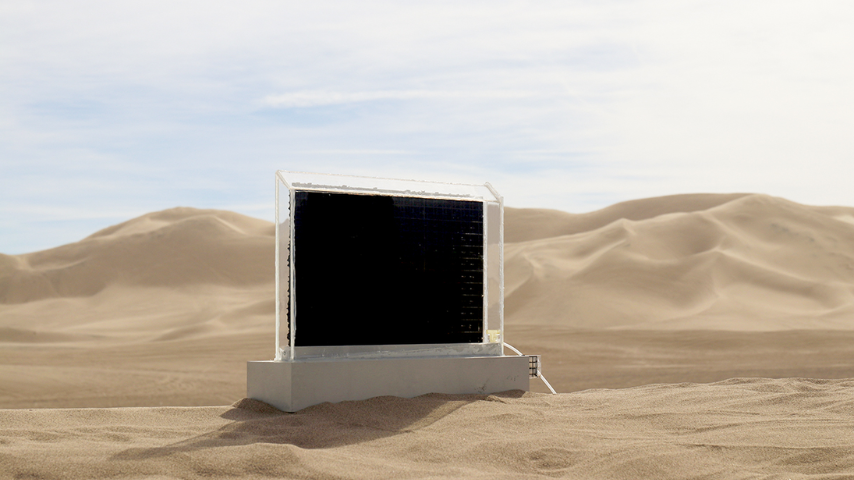
Hydrogels are a key component of the atmospheric water harvesting technology. These materials are capable of absorbing significant amounts of moisture from the air and releasing it when the material is heated. Unlike traditional desiccants, hydrogels are spongy and can swell by up to ten times their volume when absorbing water vapor, making them highly effective even in dry conditions. The use of hydrogels allows the device to function in environments with very low humidity, expanding the potential for water harvesting in arid regions like deserts.
The hydrogel’s ability to work in dry conditions is crucial for the future of atmospheric water harvesting. As Professor Paul Westerhoff from Arizona State University points out, hydrogels are where much of the excitement in the field lies. They are not only effective but also low-cost and energy-efficient, making them a promising material for large-scale water harvesting applications.
Challenges and Limitations
While the technology holds promise, it also faces significant challenges. One of the primary obstacles is the small amount of water that the device can generate. At present, the device produces only around two-thirds of a cup of water per day, which is insufficient to meet the needs of a typical household. Scaling up the technology to produce larger quantities of water will require advancements in material science and design.
Another issue is the cost. Although the MIT device is innovative, it is still relatively expensive. The current prototype is not yet practical for everyday household use, with an estimated price of several thousand dollars. For this technology to be truly transformative, it will need to become more affordable and accessible. The cost of the materials and the complexity of the devices could hinder widespread adoption, especially in regions where water scarcity is most acute.
Potential Applications and Impact

Despite these challenges, the potential applications for atmospheric water harvesting are vast. In addition to providing drinking water in remote areas, the technology could be used for emergency relief efforts in regions affected by natural disasters. For instance, in the aftermath of hurricanes or earthquakes, when traditional water supplies are disrupted, atmospheric water harvesting devices could provide a critical source of fresh water.
The technology could also be used in industrial applications, such as producing ultra-pure water needed for manufacturing processes, like the production of semiconductors and batteries. In these industries, where the quality of water is crucial, atmospheric water harvesting could offer a sustainable, high-quality solution.
The Growing Interest in Atmospheric Water Harvesting
The excitement around atmospheric water harvesting is reflected in the growing body of research in the field. Numerous projects are underway to improve the efficiency of these devices and increase the amount of water they can generate. One such project in the Atacama Desert in Chile, the driest non-polar place on Earth, used a hydrogel-salt mixture to produce small amounts of drinking water, demonstrating the potential for water harvesting in some of the world’s most arid regions.
Similarly, researchers at the University of Nevada, Las Vegas, have developed a hydrogel membrane inspired by tree frogs and air plants that can harvest a gallon of water a day in places like Las Vegas. These advancements represent significant progress in the field and suggest that atmospheric water harvesting could become a viable solution for water-scarce regions in the near future.
The Debate: Is Atmospheric Water Harvesting Worth the Investment?
While the technology is promising, there are skeptics who question its practicality and cost-effectiveness. Christopher Gasson, the owner of Global Water Intelligence, suggests that atmospheric water harvesting will likely remain a niche technology due to the small yields it produces and the high costs involved. He argues that it may be a “distraction” from more practical solutions, such as improving water management and investing in more efficient desalination methods.
Steve Gluck, an independent water consultant, echoes this sentiment, noting that atmospheric water harvesting may be a viable solution for small-scale applications but not for large-scale water production. While he acknowledges the technology’s potential, he believes it is not a silver bullet for addressing global water scarcity.
The Future of Atmospheric Water Harvesting
Despite the challenges, many experts remain optimistic about the future of atmospheric water harvesting. As the technology matures and becomes more affordable, it could play a significant role in addressing the global water crisis. The key to widespread adoption will be improving the efficiency of the devices, reducing costs, and ensuring that they can produce enough water to meet the needs of communities.
Xuanhe Zhao, a professor at MIT, remains hopeful that atmospheric water harvesting could one day provide a reliable source of drinking water for households in arid regions. As the world continues to face the impacts of climate change, innovations like this one could help secure the future of water availability for millions of people around the world.
A Promising Solution for the Future
Atmospheric water harvesting is an exciting and innovative technology that could offer a sustainable solution to the growing global water crisis. While it faces challenges in terms of cost, scalability, and water production, the advancements being made in the field suggest that it could become a valuable tool in addressing water scarcity. As research continues and the technology improves, atmospheric water harvesting may one day provide a reliable source of drinking water in the world’s driest and most remote regions.