
Table of Contents
- Why 5G Is Raising Concerns: The Fear Behind the Technology
- The Groundbreaking 5G Exposure Experiment: Pushing the Limits
- How Did the Scientists Measure the Impact?
- The Results: 5G Exposure Had No Significant Effects
- Why 5G Is Not as Dangerous as Some Think
- Addressing Public Concerns: Understanding the Science Behind the Study
- Why More Research Is Still Needed
- 5G Technology and Human Health
Why 5G Is Raising Concerns: The Fear Behind the Technology
Ever since 5G networks began rolling out, concerns have been rising globally. Social media platforms and online communities buzz with warnings about the potential dangers of radiation, including claims that it could lead to health problems such as cancer, DNA mutations, and neurological disorders. Some communities have even organized protests to block the installation of 5G infrastructure, citing fears of long-term health consequences.
What fuels these concerns is the nature of 5G’s technology itself. 5G uses higher frequencies than its predecessors, reaching up to 27 gigahertz or more, compared to 4G’s typical 2.5 gigahertz. Higher frequencies mean higher energy levels, and naturally, this leads to worries. The term “radiation” often brings to mind images of nuclear fallout and cancer treatment wards, amplifying the anxiety surrounding this new technology.
However, not all radiation is the same. The electromagnetic spectrum, which includes everything from harmless radio waves to dangerous gamma rays, shows that 5G’s frequencies fall into the millimeter wave category. These are far less energetic than the ionizing radiation known to cause damage to DNA. But the debate is far from settled, and that’s where this study comes into play.
The Groundbreaking 5G Exposure Experiment: Pushing the Limits
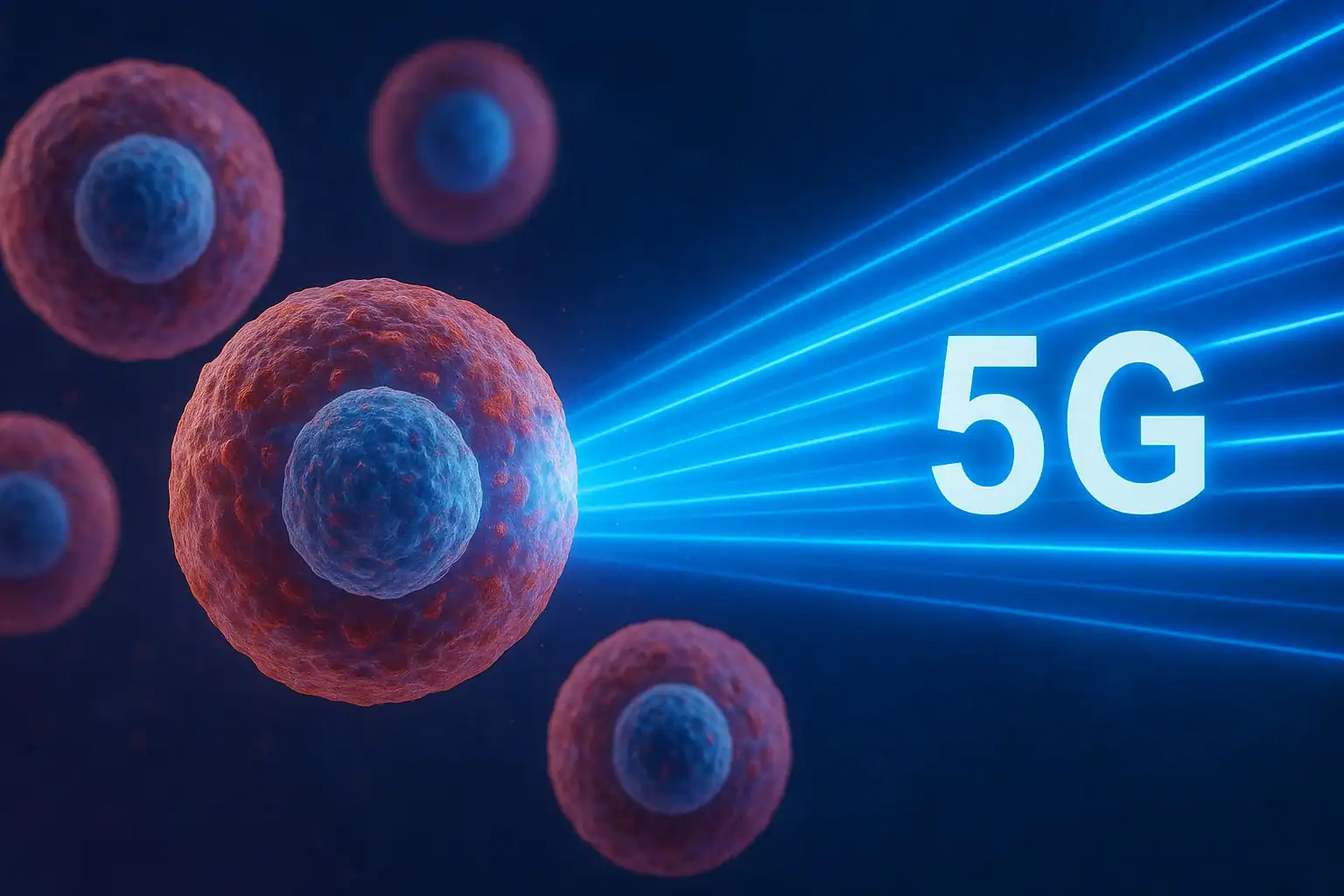
To answer the questions about 5G’s safety, the researchers designed a rigorous and extreme experiment. Rather than simply expose cells to typical 5G levels, they cranked the power up to 10 milliwatts per square centimeter—ten times the legal exposure limit. By doing this, they created a situation far beyond what any ordinary person would experience.
Two types of human skin cells were used for the experiment: fibroblasts and keratinocytes. These cells were chosen because they represent the first line of defense against any external environmental factors, including radiation. Skin cells are also where the 5G radiation would have the most direct impact, as the electromagnetic waves can only penetrate a small depth of about one millimeter into human tissue.
The researchers didn’t just expose these cells for a brief moment. Some cells were exposed for just two hours, while others faced 48 hours of intense radiation. To ensure that temperature wasn’t a confounding factor (since high-frequency radiation can cause tissue heating), the researchers controlled the temperature meticulously throughout the experiment.
How Did the Scientists Measure the Impact?
The study relied on cutting-edge technology to assess the impact of 5G exposure on the human skin cells. Gone are the days of relying solely on microscopes to look for visible damage. The team used RNA sequencing to measure changes in gene expression. RNA, the genetic messenger, helps cells build proteins. If the 5G exposure caused stress or damage, the cells would respond by producing different proteins, and RNA sequencing would catch those changes.
Another tool used was DNA methylation analysis. This process studies chemical tags that regulate gene activity, determining which genes are turned on or off. Exposure to environmental factors, including radiation, can alter these patterns, providing valuable insights into how 5G exposure might impact genetic programming.
In addition to these, the team used network analysis to investigate the broader patterns of genetic changes. Sometimes, the damage doesn’t show up in individual genes but in how multiple genes interact. This approach allowed the researchers to identify subtle patterns that a simpler, gene-by-gene examination might miss.
The Results: 5G Exposure Had No Significant Effects
After weeks of analysis and data collection, the results were clear. Exposure to 5G radiation at ten times the legal limit did not cause any significant changes in the cells’ gene expression or DNA methylation patterns. Out of the 20,000 genes that were analyzed, only a handful showed any changes, but these were statistically insignificant and most were later dismissed upon further testing.
To ensure the results weren’t a fluke, the team also exposed some cells to ultraviolet (UV) light—the type of radiation that causes sunburn. The cells exposed to UV light showed clear signs of damage, including the activation of 462 genes and disruptions in several biological pathways. In stark contrast, the cells exposed to 5G radiation showed no such changes.
Why 5G Is Not as Dangerous as Some Think
The findings of this study put many of the fears surrounding 5G to rest. Even under extreme conditions—exposure to ten times the legal limit of 5G radiation—no harmful effects were observed. This suggests that, in real-world scenarios where exposure levels are far lower, 5G is unlikely to pose a significant health risk.
For comparison, the study’s conditions were equivalent to standing next to a 5G tower for an extended period. In everyday life, our 5G devices automatically adjust their power to the minimum needed for a stable connection, meaning the radiation levels are much lower than those tested in the lab. So, while it’s still important to study the long-term effects of this technology, the current evidence shows that 5G is well within safe limits.
Addressing Public Concerns: Understanding the Science Behind the Study

The concerns about 5G are not entirely baseless, as we do need to understand the long-term impact of all new technologies on human health. However, it’s important to differentiate between scientifically backed evidence and conspiracy theories. This study provides clarity by using rigorous scientific methods to explore the effects of 5G exposure under extreme conditions, and the results offer reassurance.
It’s also essential to remember that while this study focused on 5G, it doesn’t mean that we should stop investigating potential risks associated with wireless technologies. Science should always question and verify, but the study gives us confidence that 5G is not likely to cause the health problems that many have feared.
Why More Research Is Still Needed
While the results of this experiment are promising, they don’t mean that the conversation about 5G’s safety should end here. The study was conducted under extreme conditions, and it’s important to keep studying the long-term effects of 5G exposure on different tissues and populations. Future research will need to explore the cumulative effects of continuous exposure to lower levels of 5G radiation over time.
As the rollout of 5G continues, it’s essential to monitor potential health impacts and maintain safety regulations. The findings of this study should act as a stepping stone for further research, not as a definitive conclusion. In the coming years, scientists will need to answer more questions about how 5G interacts with our bodies, particularly when it comes to more sensitive groups, such as children or those with pre-existing health conditions.
5G Technology and Human Health
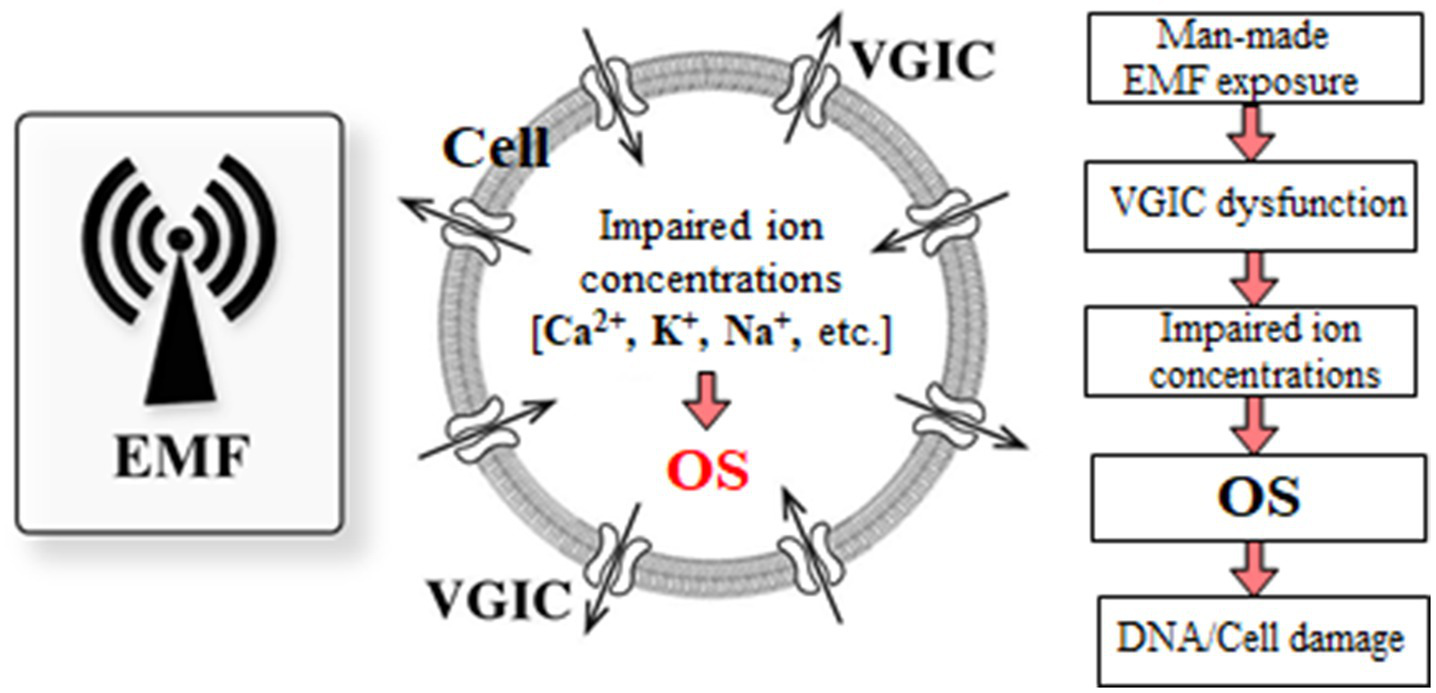
For now, the study’s results are clear: 5G radiation, even at extreme levels, does not cause any detectable genetic damage in human skin cells. This offers reassurance to those concerned about the health risks of the new technology. While ongoing research is necessary, the findings suggest that 5G is safe for most individuals, and the real-world exposure levels are far below the extreme conditions tested in the lab.
As we continue to embrace the 5G revolution, it’s important to remember that scientific inquiry will always be an essential part of technological progress. The results of this study provide confidence that 5G is not the threat some fear, but they also encourage us to remain vigilant and keep investigating its potential long-term effects.