
Table of Contents
- Understanding Caffeine’s Impact on Cellular Energy
- Caffeine and DNA Repair: A Double-Edged Sword
- Broader Implications for Human Health
- Caffeine and Its Connection to Longevity
- The Role of Caffeine in Brain Health
- Caffeine’s Effects on Cardiovascular and Metabolic Health
- Potential Risks and Complications of Excessive Caffeine
- Personalizing Caffeine Consumption for Optimal Health
- Caffeine as a Tool for Healthy Aging
Understanding Caffeine’s Impact on Cellular Energy

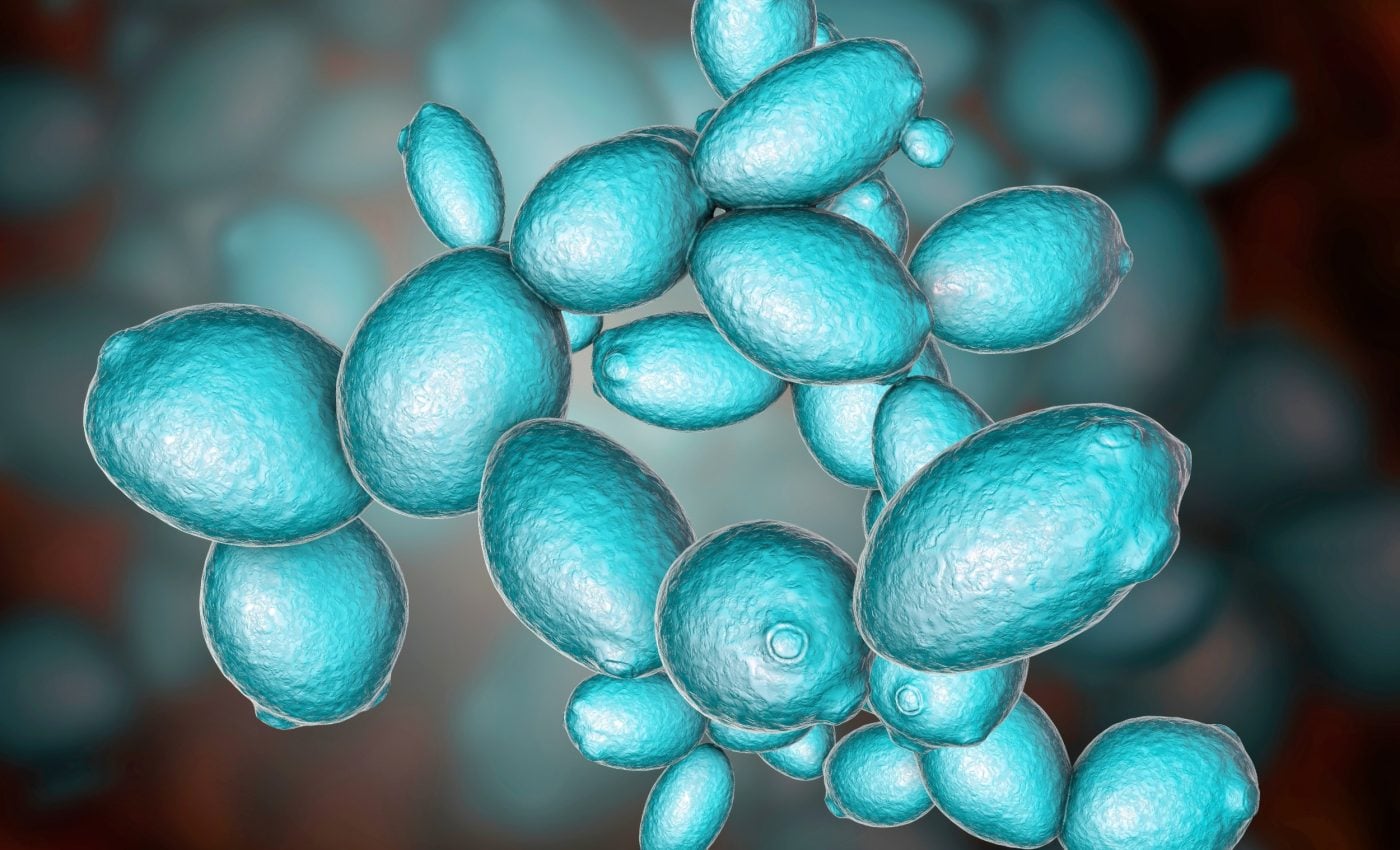
Caffeine is the most widely consumed stimulant in the world, and its benefits are well-documented in terms of boosting mental and physical performance. However, its impact on cellular energy management was less understood until recent studies. In experiments with fission yeast—an organism that shares many cellular pathways with humans—researchers observed that caffeine activated AMPK (adenosine monophosphate-activated protein kinase), a vital “fuel gauge” within cells. AMPK helps cells adapt during periods of low energy, promoting the efficient use of resources.
This activation of AMPK also indirectly affects TOR (target of rapamycin), a well-known growth regulator that has been crucial in the evolution of living organisms for over half a billion years. By improving cellular energy regulation, caffeine contributes to enhanced cell function and longevity, as demonstrated in the yeast models used in the study.
Caffeine and DNA Repair: A Double-Edged Sword
The ability of caffeine to influence DNA repair is particularly intriguing. Cells usually pause their division when DNA damage occurs, allowing time for repair before proceeding with replication. However, caffeine appears to override this natural pause, encouraging cells to continue dividing even in the presence of damage. While this can help cells recover quickly, it may also increase the risk of accumulating genetic errors over time.
As Dr. Charalampos Rallis, the study’s senior author, explains, caffeine’s ability to “flip that switch” can be beneficial or harmful, depending on the cellular context. This mechanism offers both promise and caution. It suggests that while caffeine can aid in maintaining cellular function, it may also contribute to cellular damage if the process goes unchecked. This dual effect helps explain the mixed results of previous studies on caffeine’s health benefits.
Broader Implications for Human Health

While the yeast-based study provides important clues, the researchers are cautious about applying these findings directly to human health. The biological pathways affected by caffeine in yeast are highly conserved across species, but the long-term effects of caffeine on human cells are still not fully understood. As such, further research is needed to determine how caffeine interacts with human tissues, particularly in relation to aging and disease.
That said, these findings open new avenues for exploring how lifestyle choices, including caffeine consumption, might influence aging and longevity. Understanding the impact of caffeine on energy regulation and DNA repair could eventually lead to personalized health recommendations, where caffeine could be used to optimize cellular function and slow the aging process.
Caffeine and Its Connection to Longevity
Caffeine’s effects on longevity are not solely based on its ability to manage cellular energy. A growing body of research has examined how regular coffee consumption correlates with reduced risks of chronic diseases and improved life expectancy. Studies suggest that moderate coffee drinkers tend to live longer and experience a lower risk of developing diseases such as Alzheimer’s, Parkinson’s, and even certain cancers.
A 2018 study involving nearly half a million British adults found that coffee drinkers had a slightly lower risk of death over the span of a decade compared to non-drinkers. This effect was not limited to caffeinated coffee; decaffeinated coffee also offered protective benefits, indicating that compounds other than caffeine—such as antioxidants—might play a role in promoting health.
The Role of Caffeine in Brain Health

Beyond its impact on cellular energy, caffeine has also been linked to brain health. Several studies have shown that regular coffee consumption can reduce the risk of neurodegenerative diseases. For example, individuals who consumed three to five cups of coffee per day had a significantly lower risk of developing Alzheimer’s disease. In addition, coffee drinkers have a reduced risk of Parkinson’s disease, with studies indicating that caffeine may help protect against the damage caused by these conditions.
While the exact mechanisms behind these benefits are still under investigation, scientists believe that caffeine may have neuroprotective effects, potentially by reducing inflammation, improving brain metabolism, or influencing neurotransmitter activity. These findings further underscore the potential of caffeine as a tool for enhancing longevity and improving brain health.
Caffeine’s Effects on Cardiovascular and Metabolic Health
Caffeine’s role in cardiovascular and metabolic health is another area of active research. Moderate coffee consumption has been linked to a reduced risk of Type 2 diabetes, with some studies suggesting that caffeine improves insulin sensitivity and reduces oxidative stress. In addition, caffeine’s effects on lipid metabolism may contribute to cardiovascular health by regulating cholesterol levels and blood pressure.
However, like with other benefits, these positive effects are not universal. Excessive caffeine consumption can have negative effects, particularly for individuals with certain health conditions. High caffeine intake can lead to elevated heart rate, anxiety, and sleep disturbances, which can counteract the potential benefits. Therefore, moderation is key.
Potential Risks and Complications of Excessive Caffeine
While moderate caffeine consumption can offer numerous health benefits, excessive intake carries risks. Caffeine is a stimulant, and consuming too much can cause jitteriness, restlessness, and disrupted sleep. Chronic sleep disturbances are particularly concerning, as they are linked to various health problems, including cardiovascular disease, obesity, and impaired glucose regulation.
Additionally, caffeine’s potential to interfere with the body’s natural DNA repair mechanisms raises concerns about its long-term effects. Excessive consumption could potentially lead to increased cellular damage, which may contribute to the development of diseases such as cancer. For this reason, it is important to balance caffeine intake with other healthy lifestyle choices, such as regular exercise and a nutrient-rich diet.
Personalizing Caffeine Consumption for Optimal Health
The emerging research on caffeine’s effects on cellular energy and aging suggests that individual biology plays a significant role in determining how caffeine affects health. Some people may experience enhanced alertness and improved well-being from moderate caffeine consumption, while others may suffer from negative side effects such as digestive discomfort or anxiety.
Personalized approaches to nutrition and lifestyle—taking into account genetic, metabolic, and environmental factors—are becoming increasingly important in optimizing health. In this context, understanding how caffeine fits into an individual’s broader lifestyle and health goals will be key to maximizing its benefits while minimizing its risks.
Caffeine as a Tool for Healthy Aging

Caffeine, once solely associated with its ability to enhance alertness and combat fatigue, is now emerging as a potential ally in the quest for healthier aging. Its ability to activate key energy-regulating pathways, repair DNA, and influence brain health could have profound implications for longevity. However, like any potent substance, caffeine must be consumed with caution, as excessive intake can lead to negative effects.
For most individuals, two to four cups of coffee per day appears to be a safe and effective amount to enjoy the benefits without significant risks. Paying attention to personal tolerance and underlying health conditions will help guide caffeine consumption decisions. As research continues to unfold, caffeine may become an integral part of personalized strategies for promoting healthy aging and enhancing cellular function.