
Table of Contents
- A Bold Claim: No More Income Taxes for Americans?
- What Did Trump Say About Eliminating Income Tax?
- The Role of Tariff Revenue in Trump’s Tax Proposal
- The Impact of Eliminating Income Tax: What Would Change?
- The Potential Downside: What Are the Risks?
- The Debate: Does America Need a New Tax System?
- The Future of the U.S. Tax System: Will It Change?
- Conclusion: What Would You Do if Taxes Were Gone Tomorrow?
A Bold Claim: No More Income Taxes for Americans?
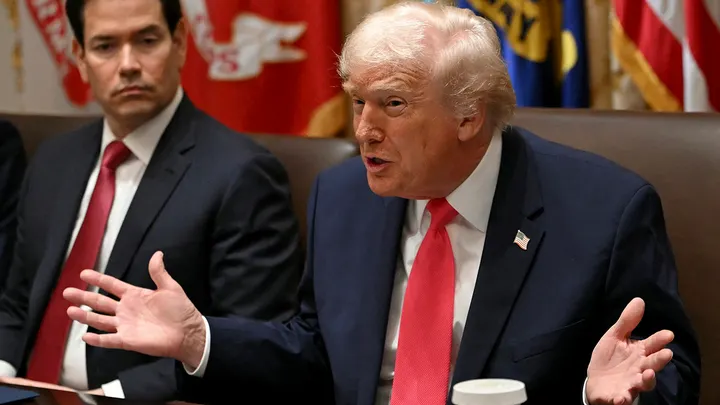
President Donald Trump has made a bold and controversial claim during a press gaggle after a recent cabinet meeting: Americans might soon pay no income tax at all. The former president, who is still active in public policy discussions, argued that the U.S. government’s revenue from tariffs and other sources is so large that it might soon replace the need for income taxes entirely.
Could this idea actually become a reality? What would the implications be for American citizens, the economy, and the government’s budget? Let’s dive deeper into this surprising suggestion and the possibilities for the future of the U.S. tax system.
What Did Trump Say About Eliminating Income Tax?
During a recent meeting with his cabinet, President Trump was asked about the future of the U.S. tax system. He responded with an ambitious assertion:
“At some point in the not-too-distant future, you won’t even have income tax to pay. Whether you get rid of it or just keep it around for fun or have it really low, much lower than it is now, but you won’t be paying income tax.”
Trump’s comments were meant to emphasize the success of his administration’s economic policies, particularly those focused on tariff revenue and trade agreements. He believes the government is collecting so much revenue from tariffs that there could be no need for income taxes in the future.
This statement has drawn significant attention — both in support and in criticism — as many question the feasibility of eliminating income taxes and what such a move would mean for the U.S. economy and federal operations.
The Role of Tariff Revenue in Trump’s Tax Proposal
Trump’s suggestion that tariff-driven revenue could replace income taxes is based on his administration’s trade policies and economic strategies. During his presidency, Trump imposed several tariffs on foreign goods, especially imports from countries like China. The idea was that tariffs would not only help bring manufacturing jobs back to the U.S. but also increase revenue for the government.
💵 How Tariffs Work as Revenue
A tariff is essentially a tax placed on imported goods. When a country imports products from another, they are required to pay a tariff to the government of the importing country. For example, China was subjected to heavy tariffs on its exports to the U.S., resulting in higher prices for many goods sold in American stores. The U.S. government collected this tariff revenue, which Trump believes could replace traditional income taxes in the future.
Under the Trump administration, tariffs boosted U.S. revenue by billions of dollars, leading the president to suggest that income tax might not be necessary. If the U.S. can sustain or increase tariff collections, he argued, there could be no need to burden citizens with income tax payments.
The Impact of Eliminating Income Tax: What Would Change?
While tax elimination might sound appealing to many, the reality of such a move would require a major overhaul of the entire U.S. fiscal system. Here’s what could happen if income tax were completely removed:
🔴 Increased Reliance on Tariffs and Trade
Without income tax, the U.S. would rely heavily on alternative sources of revenue, particularly tariffs. This could have long-term implications for international trade and relations. Countries that rely on exports to the U.S. might retaliate with their own tariffs, raising the cost of goods sold domestically. This could lead to inflation, particularly in consumer goods and essentials.
💰 Pressure on Other Taxes and Government Programs
To make up for the loss of income tax revenue, the government would likely have to increase other taxes or reduce services. Programs such as Social Security, Medicare, and defense would face intense scrutiny, as the government would need to find ways to fund them without income tax revenue. Additionally, state and local governments might have to raise their own taxes to make up for lost federal income.
🌍 Global Economic Impact
The move to eliminate income taxes could also affect the global economy. If tariffs replace income taxes as a primary revenue source, other nations might change their trade agreements with the U.S., leading to unpredictable economic outcomes. Whether this results in a stronger or weaker economy will depend largely on trade negotiations and how tariffs are used.
The Potential Downside: What Are the Risks?
While eliminating income tax might sound like a win for many taxpayers, there are several risks associated with such a move:
💼 Job Security and Federal Employment
Without the reliable stream of income from taxes, the government could be forced to reduce its workforce or cut funding to public services. This could impact millions of federal employees, contractors, and workers in sectors funded by the federal government. The loss of income tax might disproportionately affect public education, healthcare, and social services.
⚖️ Wealth Inequality and Tax Fairness
One major concern with eliminating income taxes is how it might exacerbate income inequality. Currently, the U.S. tax system is progressive, with higher earners contributing more to the government than those with lower incomes. Eliminating income tax would shift the burden onto consumers and low‑income families, potentially leading to greater wealth disparity.
If tariff revenue becomes the primary source of income, it could also place a greater financial burden on lower‑income individuals, as tariffs tend to increase the price of goods, especially for basic necessities.
The Debate: Does America Need a New Tax System?
Trump’s proposal to eliminate income taxes has sparked a national debate on whether the U.S. tax system needs a complete overhaul. Critics argue that tariffs aren’t a sustainable solution for long‑term revenue generation, especially in a globalized economy.
However, others contend that the current system is outdated and unfair to working Americans. With wages stagnating, healthcare costs rising, and the cost of living increasing, many believe that the country should be exploring alternative tax structures that don’t rely on income taxes.
The Future of the U.S. Tax System: Will It Change?
There’s no denying that the U.S. tax system is in need of reform. Whether it’s through eliminating income tax, replacing it with tariffs, or introducing new revenue sources, the U.S. government must find a way to balance fiscal responsibility with the needs of its citizens.
While Trump’s proposal may not be the final answer, it does bring attention to an important question: how can we build a tax system that’s fairer, more efficient, and less reliant on individual income taxes?
🏛️ What Will the Future Look Like?
As Congress, state governments, and citizens weigh in on tax reform, the future of the U.S. tax system remains uncertain. Would it be possible to abolish income taxes entirely while maintaining essential government functions? Could a system based on tariffs and alternative taxes work for the U.S.?
Ultimately, only time will tell — but one thing is clear: America’s tax system is ripe for change.
Conclusion: What Would You Do if Taxes Were Gone Tomorrow?
Imagine waking up tomorrow and learning that you no longer have to pay income tax. No more deductions from your paycheck. No more complicated tax forms. It’s a dream for many — but also a question worth considering.
Would we feel the same sense of social responsibility for funding government programs and services? How would the absence of income tax change your personal finances and your approach to saving, spending, and investing?
If you were in charge, what alternative sources of revenue would you use to keep the country running without income taxes? Would it be tariffs, consumption taxes, or something entirely new?