
If you saw one walking toward you across a field, you might think you were looking at a creature from mythology —
a living symbol pulled from an old tapestry or a medieval legend.
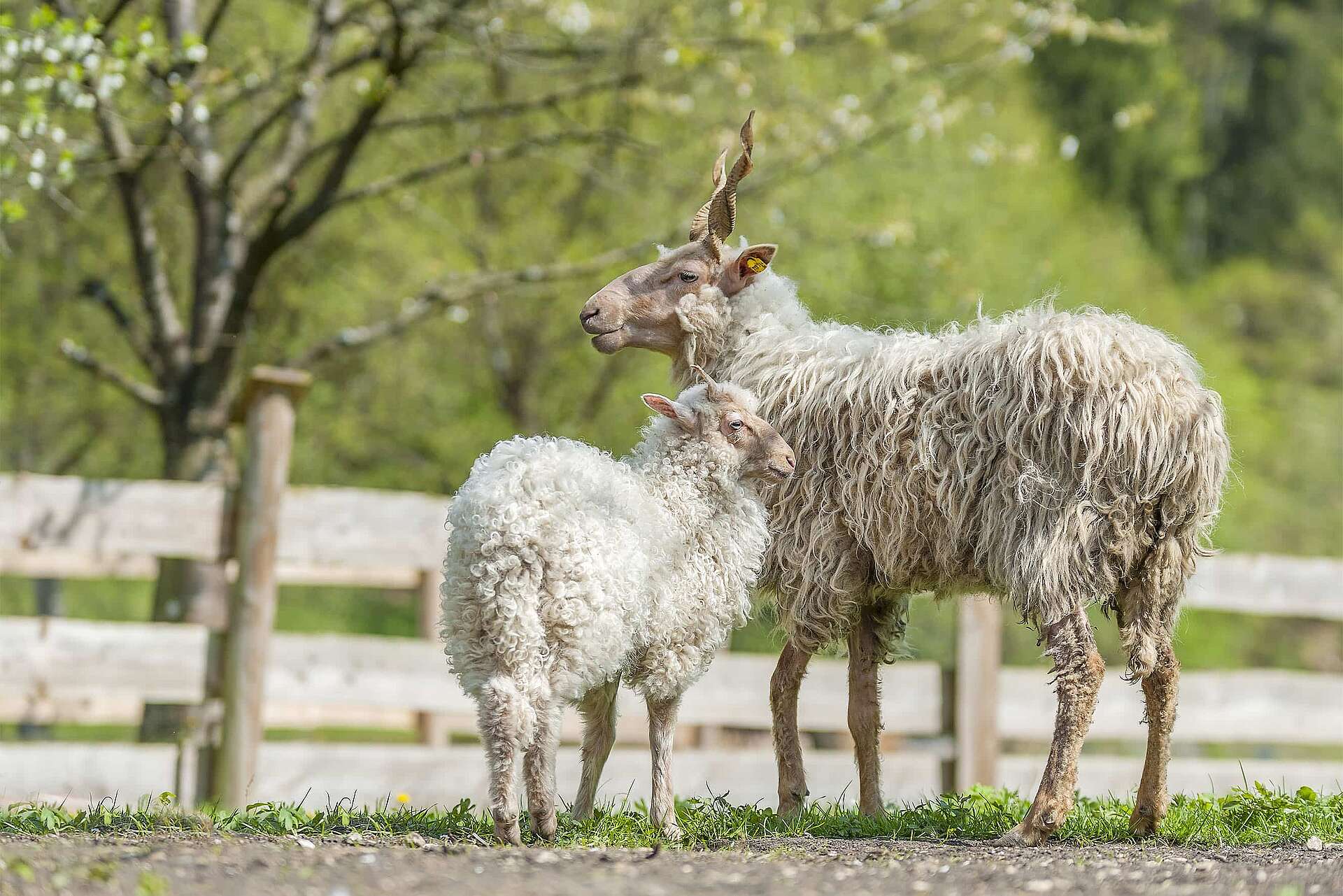
Tall, elegant, with a coat that ripples like woven wool and horns that twist into perfect spirals reaching toward the sky, the Hungarian Racka sheep is one of the most extraordinary animals still roaming Europe today.
And yet, most people have never heard of it.
For centuries, the Racka quietly shaped rural life in Hungary, surviving wars, weather, and shifting economies. But today, the world is finally rediscovering this rare breed — not just for its beauty, but for its cultural, agricultural, and ecological importance.
What makes the Racka so special?
Why did people fight to preserve it when other breeds vanished?
And what does this ancient sheep have to teach us about sustainable living, travel, heritage, and the hidden threads that connect past and present?
Let’s begin where the story truly starts — with the horns that made this sheep impossible to forget.
Table of Contents
- A Sheep With Horns Like Spirals of Fire
- An Ancient Heritage Breed Built for Survival
- The Rediscovery: Why Modern Travelers Are Suddenly Falling in Love With the Racka
- What Can an Ancient Sheep Teach Us About the Future of Sustainable Living?
- A Sheep With Personality: Curious, Social, and Surprisingly Bold
- From Near Extinction to Cultural Treasure: The Fight to Save the Racka
- Seeing a Racka in Person: A Travel Experience Unlike Anything Else
- The Bigger Picture: Protecting Ancient Breeds Protects Our Cultural Memory
- Before You Leave — Ask Yourself This
A Sheep With Horns Like Spirals of Fire
The first thing people notice about the Hungarian Racka is its horns.
They don’t curve backward like ram horns.
They don’t curl sideways like mountain goats.
Instead, they twist upward in long corkscrews — sometimes over 2 feet high — giving the animal a regal, almost mythical silhouette.
To the human eye, it looks like art.
To predators, it looks like a challenge.
To farmers of centuries past, it was both beauty and protection.
But the horns weren’t just for show — they were a symbol.
In early Hungarian culture, the Racka represented:
- strength
- endurance
- independence
- good fortune
Nomadic tribes prized the breed for its hardiness in harsh climates and its ability to survive on sparse grasslands. Over time, the Racka became woven into the spiritual and agricultural fabric of Magyar life.
But beauty wasn’t the only reason this sheep became legendary.
An Ancient Heritage Breed Built for Survival
The Racka’s origins stretch back more than a thousand years — possibly to the early Magyar tribes who migrated across the Eurasian steppes into what is now Hungary.
These people needed animals that could:
- survive drought
- tolerate bitter winters
- withstand predators
- travel long distances
- live on poor-quality pasture
So they bred sheep that were not fragile luxuries… but resilient partners in survival.
And the Racka delivered.
Its fleece kept families warm.
Its milk fed children in harsh winters.
Its meat sustained communities.
Its horns, hair, and hides became tools and trade goods.
In many villages, the Racka wasn’t just livestock —
it was wealth.
It was identity.
It was life insurance.
But as farming changed and industrial breeds took over, the Racka came dangerously close to disappearing.
Until something unexpected happened.
The Rediscovery: Why Modern Travelers Are Suddenly Falling in Love With the Racka
Today, you can see Racka sheep at heritage farms, eco-estates, and open-air museums like the one at Schloss Hof Estate, where they roam peacefully across the landscape like ambassadors from another century.
Visitors stop.
Cameras come out.
People stare in disbelief.
Many say the same thing:
“I’ve never seen anything like this.”
The Racka’s comeback is driven by three modern forces:
1. Heritage Tourism
Travelers want experiences rooted in culture, authenticity, and history.
Seeing centuries-old breeds alive today creates a sense of time travel.
2. Sustainable Farming
Racka sheep thrive on natural pasture, require fewer resources, and support regenerative agriculture — a major financial incentive for eco-farms.
3. Digital Virality
One photo of a Racka can travel the world in seconds.
Spiral horns are made for social media.
But deeper than aesthetics, the Racka is becoming a symbol of something larger:
The return to slow living, intentional farming, and rural heritage.
And that raises a powerful question:
What Can an Ancient Sheep Teach Us About the Future of Sustainable Living?
The Racka is more than a beautiful animal —
it is a blueprint.
A reminder that the future doesn’t always require invention.
Sometimes, it requires rediscovery.
Here’s what the Racka brings to modern agriculture:
✔ Low-maintenance, low-cost farming
Racka sheep adapt easily and require less medical intervention than many modern breeds.
For farmers, that means:
- lower feed costs
- reduced veterinary expenses
- stronger financial stability
✔ Regenerative land management
Their grazing patterns help restore soil health, reduce erosion, and improve biodiversity.
✔ Natural wool suited for home crafts
Racka fleece is curly, durable, and ideal for:
- home insulation projects
- rug making
- felting
- artisanal clothing
A small farm with Racka sheep can produce more than food —
it can produce home improvement materials sustainably.
✔ High-value tourism
People travel great distances for unique animal encounters.
Eco-estates with heritage breeds report higher visitation and stronger revenue streams.
The Racka isn’t just surviving in the modern world.
It’s becoming a niche economic asset.
But the story gets even better.
A Sheep With Personality: Curious, Social, and Surprisingly Bold
Unlike many sheep breeds that scatter or freeze when startled, Racka sheep often stand and stare — calmly, curiously, almost defiantly.
Visitors say they feel like the animal is studying them.
Photographers say the Racka is the most expressive sheep they’ve ever worked with.
Handlers say the breed is unusually intelligent and social.
And historically, this temperament made the Racka invaluable.
A sheep that stays calm under pressure is:
- easier to herd
- safer for handlers
- better for long-distance travel
- more resilient in unpredictable environments
These personality traits also make Racka sheep popular attractions at cultural estates like Schloss Hof — where families, travelers, and children can interact with them safely.
But as charming as the Racka is, its future wasn’t always secure.
From Near Extinction to Cultural Treasure: The Fight to Save the Racka
By the 20th century, industrialization had nearly wiped the Racka out.
Fast-growing commercial breeds dominated the market.
Farmers were pressured into maximizing output, not preserving heritage.
Rare breeds had no economic “value.”
The Racka was fading.
But Hungary — and eventually Europe — refused to let a thousand-year-old animal disappear.
Breeders, historians, and conservation groups launched preservation programs.
Government grants supported heritage farms.
Cultural estates added rare breeds to attract tourism.
Genetic diversity panels protected ancient bloodlines.
Slowly, the Racka returned.
Today, it stands not just as livestock —
but as a cultural monument, a living artifact, and a testament to resilience.
But there’s one more part of the story — the part that makes travelers fall in love.
Seeing a Racka in Person: A Travel Experience Unlike Anything Else
Many people travel for:
- architecture
- food
- landscapes
- adventure
But growing numbers now travel for heritage animals — creatures that exist nowhere else in the world in their original form.
Seeing a Racka in person at places like Schloss Hof feels almost magical:
You approach a quiet field.
You see movement.
You expect ordinary sheep.
But then —
two spirals rise above the grass.
The horns twist like carved wood.
The wool shines under the sunlight.
The animal stares back with an ancient calm.
It doesn’t feel like visiting a farm.
It feels like meeting history.
And then a strange question enters your mind:
If an animal this extraordinary still exists today… what other wonders have we overlooked?
This curiosity — this hunger for deeper connection — is exactly why heritage tourism is growing.
The Bigger Picture: Protecting Ancient Breeds Protects Our Cultural Memory
When a breed like the Racka disappears, the loss is more than biological.
We lose:
- stories
- traditions
- ways of life
- ancestral knowledge
- farming styles
- textile crafts
- genetic diversity
Preserving the Racka preserves part of human history.
It preserves resilience.
It preserves beauty.
It preserves identity.
And perhaps most importantly, it preserves a reminder:
The world was not always industrial.
Some things were built slowly, lovingly, beautifully — and deserve to last.
Before You Leave — Ask Yourself This
Think of the Hungarian Racka, standing proudly in a field, its horns spiraling toward the sky like flames.
Then ask yourself:
What else from the past deserves a second life in the future?
Heritage breeds?
Handmade crafts?
Slow farming?
Meaningful travel?
Intentional living?
The Racka survives today because people realized something powerful:
When we protect the animals that shaped our past,
we enrich the world that shapes our future.
And sometimes, the most extraordinary stories are told not by people…
but by a sheep with horns that look like lightning frozen in the air.