
Table of Contents
- When a Simple Scroll Became a Global Experiment
- Why Short-Form Video Feels Impossible to Stop Watching
- The Shrinking Window of Sustained Attention
- How Motivation Is Being Quietly Reprogrammed
- Why Younger Brains Are Especially Vulnerable
- The Algorithm’s Role in Shaping Behavior
- Is This a New Kind of Cognitive Load?
- What This Means for Learning and Education
- Can the Brain Recover From Overstimulation?
- Rethinking Our Relationship With Digital Media
- What the Research Ultimately Reveals About the Future
When a Simple Scroll Became a Global Experiment
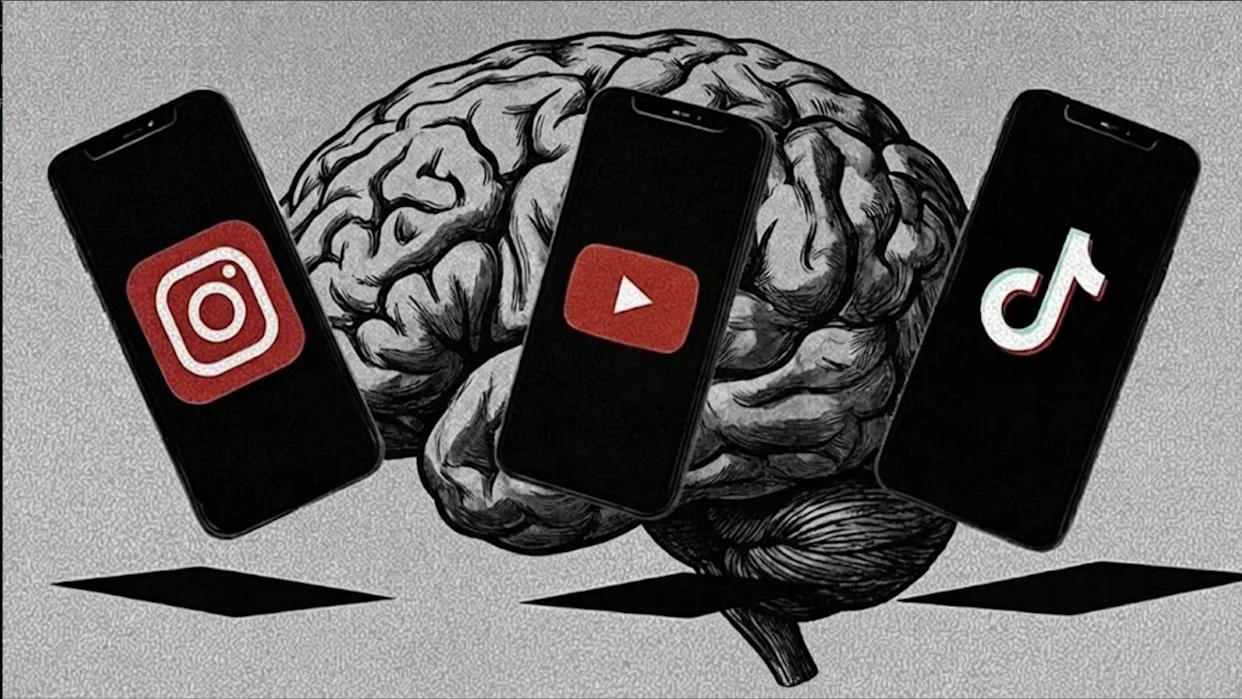
When researchers began closely examining how short-form video platforms were affecting the human brain, the findings triggered widespread concern among psychologists, neuroscientists, and educators. What once seemed like harmless entertainment—quick clips designed to amuse, distract, or inform—now appears to be quietly reshaping how people focus, learn, and stay motivated.
Short-form video did not arrive suddenly. It evolved gradually from longer online videos, shrinking content into seconds-long bursts optimized for instant gratification. But the scale of its adoption is unprecedented. Millions of people now spend hours each day scrolling through endless streams of content engineered to capture attention, trigger emotional responses, and deliver rapid dopamine rewards.
What follows is not just a discussion about screen time. It is an exploration of how this new media format may be altering the fundamental wiring of human attention—and what that means for the future of learning, productivity, and mental health.
Why Short-Form Video Feels Impossible to Stop Watching
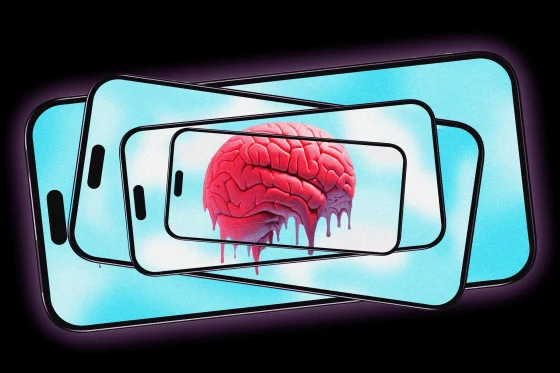
Researchers studying short-form video behavior point to one critical factor: variable reward systems. Each swipe delivers something new, unpredictable, and emotionally stimulating. The brain quickly learns that the next video might be funnier, more shocking, or more satisfying than the last.
This unpredictability activates dopamine pathways associated with motivation and reward. Unlike traditional entertainment with clear beginnings and endings, short-form video has no natural stopping point. The result is prolonged engagement without conscious intention.
Over time, the brain begins to crave these rapid rewards, prioritizing short bursts of stimulation over sustained focus. This shift does not require addiction in the clinical sense—it happens subtly, through repetition and habit.
The Shrinking Window of Sustained Attention
One of the most concerning findings highlighted by recent research is a measurable decline in sustained attention among frequent short-form video users. Tasks that require long periods of concentration—reading, studying, problem-solving—begin to feel uncomfortable or exhausting.
The brain adapts to what it repeatedly experiences. When attention is constantly reset every few seconds, maintaining focus on a single task becomes more difficult. Researchers describe this as attentional fragmentation, where the mind expects constant novelty and struggles with stillness.
This does not mean people are becoming less intelligent. Instead, their cognitive habits are being reshaped by an environment optimized for speed, stimulation, and immediacy.
How Motivation Is Being Quietly Reprogrammed

Beyond attention, motivation itself appears to be changing. Traditionally, motivation was driven by long-term goals—finishing a project, mastering a skill, achieving progress over time. Short-form video shifts this dynamic by delivering instant satisfaction with minimal effort.
When the brain becomes accustomed to immediate rewards, delayed gratification feels less appealing. Tasks that do not provide quick emotional payoff—homework, work assignments, creative projects—can feel disproportionately difficult.
Researchers warn that this pattern may reduce persistence, making it harder for individuals to stay engaged with challenges that require time and patience. The concern is not laziness, but a recalibration of effort versus reward.
Why Younger Brains Are Especially Vulnerable
While short-form video affects users of all ages, developing brains may be particularly sensitive. Children and adolescents are still forming neural pathways related to attention control, impulse regulation, and emotional processing.
Exposure to constant high-stimulation content during these formative years may influence how these systems develop. Researchers emphasize that this does not guarantee harm, but it increases the importance of balance and intentional media use.
The brain builds itself around repeated experiences. When those experiences are dominated by rapid, algorithm-driven stimulation, the effects may last longer than previously assumed.
The Algorithm’s Role in Shaping Behavior

Short-form video platforms are powered by algorithms designed to maximize engagement. These systems learn what captures attention and deliver more of it, refining content streams in real time.
From a research perspective, this creates a feedback loop. The more a user watches, the more precisely the algorithm targets their emotional triggers. Content becomes increasingly optimized to hold attention, not to promote well-being or learning.
This does not imply malicious intent, but it highlights a structural reality: engagement-driven systems prioritize retention over reflection. The human brain, meanwhile, adapts accordingly.
Is This a New Kind of Cognitive Load?
Some researchers frame the issue not as addiction, but as cognitive overload. The brain is exposed to an unprecedented volume of information, emotions, and micro-decisions in a short time.
Each swipe requires evaluation: watch or skip, like or ignore. Over time, this constant decision-making taxes mental resources, potentially contributing to fatigue, irritability, and reduced focus elsewhere.
The concern is not simply screen time, but the density and intensity of stimulation packed into each minute of use.
What This Means for Learning and Education
Educators are increasingly noticing changes in how students engage with material. Longer lectures, textbooks, and extended assignments compete with a digital environment built for immediacy.
Research suggests that learning itself is not declining, but learning preferences are shifting. Students may require more interactive, varied, and engaging formats to maintain focus.
The challenge lies in adapting education without reinforcing the very patterns that undermine sustained attention. Striking that balance remains an open question.
Can the Brain Recover From Overstimulation?
The encouraging news is that the brain remains adaptable. Studies indicate that attention and focus can improve when exposure to high-stimulation content is reduced and replaced with activities that encourage deep engagement.
Practices such as reading, exercise, creative work, and even boredom help retrain attention systems. The key factor is intentional use, rather than passive consumption.
Researchers emphasize that short-form video itself is not inherently harmful. The risk lies in unregulated, habitual use without counterbalancing experiences.
Rethinking Our Relationship With Digital Media
Rather than calling for elimination, experts suggest reframing how short-form video fits into daily life. Used deliberately, it can entertain, educate, and inspire. Used excessively, it may crowd out activities essential for cognitive health.
The broader issue is awareness. Understanding how these platforms affect attention and motivation allows individuals to make informed choices, rather than being shaped unconsciously by algorithms.
This moment mirrors past technological shifts—from television to smartphones—each bringing both benefits and challenges.
What the Research Ultimately Reveals About the Future
The rise of short-form video marks a turning point in how humans interact with information. It compresses content, accelerates consumption, and rewards immediacy over depth.
The research does not suggest inevitable decline, but it does highlight a crossroads. Societies must decide how to integrate these tools without sacrificing focus, creativity, and long-term thinking.
What is unfolding now is a large-scale behavioral experiment, conducted in real time, with no clear endpoint. How we respond—individually and collectively—will shape not only attention spans, but the way future generations think, learn, and engage with the world.
In understanding the effects of short-form video, we are not just studying technology. We are studying ourselves.