
Table of Contents
- The Arrival of Nicolás Maduro: A Landmark Event
- The Charges Against Maduro: What’s at Stake?
- Political Ramifications of the Arraignment
- The Legal Landscape: An International Battle for Justice
- Maduro’s Defenses: The Counterattack
- Global Reactions to the Arraignment
- What Comes Next: The Future of Nicolás Maduro
- Conclusion: A Defining Moment in International Justice
The Arrival of Nicolás Maduro: A Landmark Event
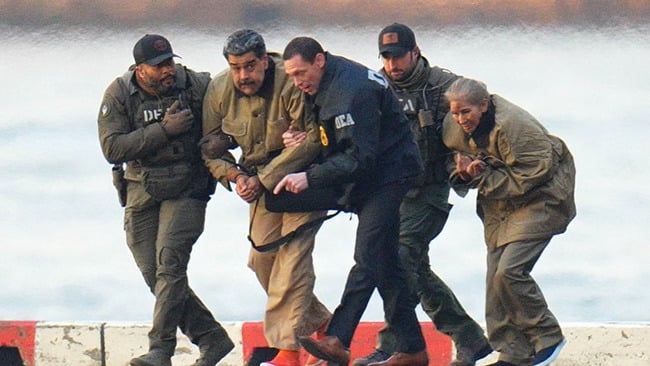
Nicolás Maduro’s arrival in Manhattan for his arraignment represents an unprecedented moment in international law and politics. As the sitting president of Venezuela, Maduro has long been a controversial figure, both in his home country and abroad. His government’s response to widespread protests, economic collapse, and allegations of corruption has drawn international condemnation, but his capture and extradition to the United States for this arraignment is a critical turning point in his reign.
The timing of the arraignment is noteworthy. Venezuela, under Maduro’s leadership, has been at odds with the United States for years, with tensions escalating following sanctions imposed on the Venezuelan government. The decision to hold the arraignment in the US comes after a dramatic and high-stakes diplomatic tug-of-war. Maduro’s presence in a Manhattan courtroom not only signals a new chapter in US-Venezuelan relations but also raises questions about the future of international political justice.
The Charges Against Maduro: What’s at Stake?
The charges against Nicolás Maduro are serious and far-reaching, including accusations of drug trafficking, money laundering, and human rights abuses. According to US authorities, Maduro and his inner circle have been linked to a criminal network responsible for moving large quantities of cocaine through Central America and into the United States. This network allegedly operated under the protection of the Venezuelan government, with the help of military officials and corrupt bureaucrats.
The implications of these charges are massive. If convicted, Maduro could face severe penalties that would strip him of his immunity as president, and could lead to his eventual removal from office. However, many legal experts believe that the case against Maduro is politically motivated, with the US seeking to hold him accountable for his government’s treatment of opposition figures, his crackdown on dissent, and his close ties with international drug cartels.
Political Ramifications of the Arraignment
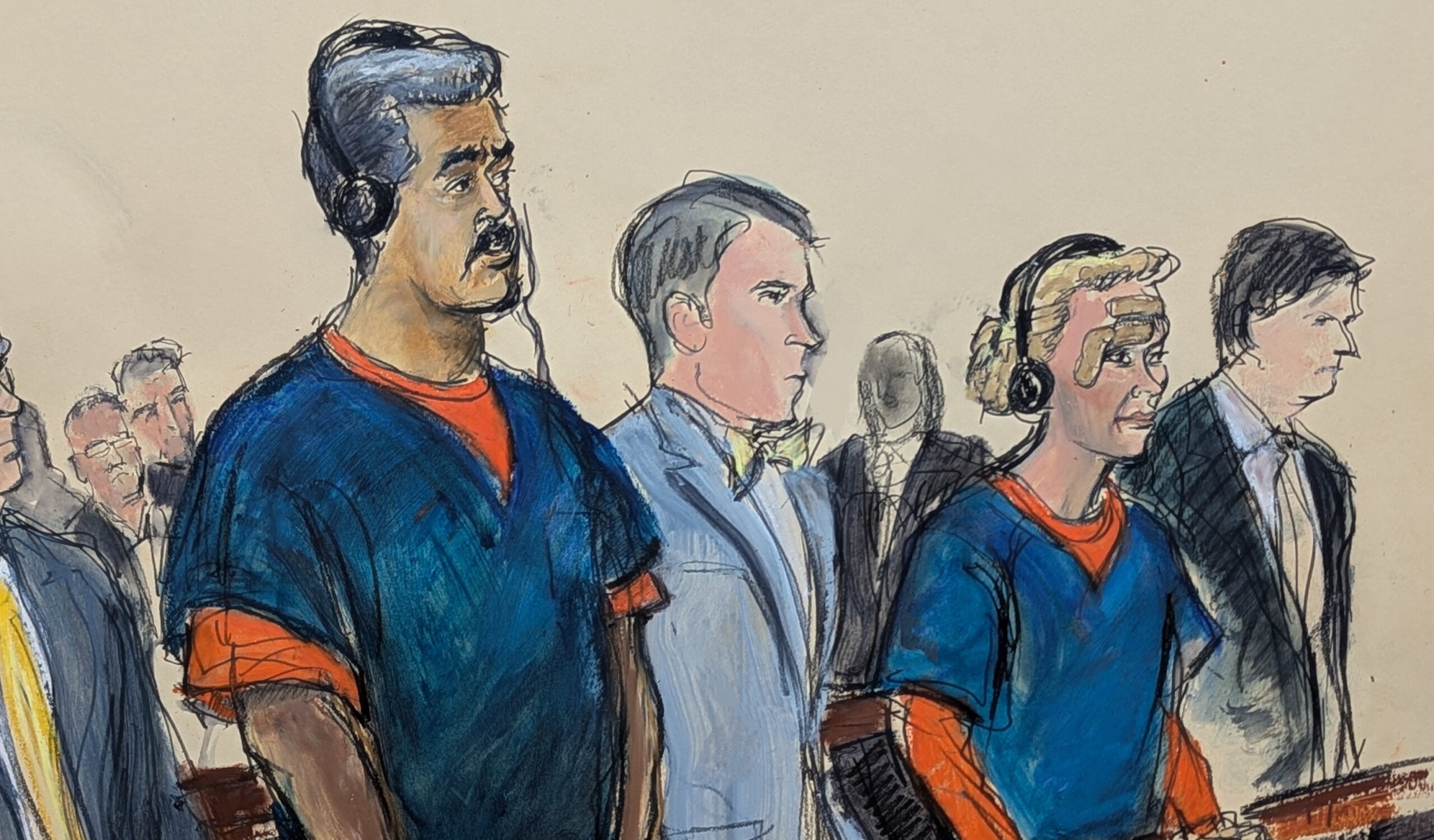
Beyond the legal implications, Maduro’s arraignment holds immense political significance. This legal battle is not just about individual criminal charges but is also emblematic of the wider struggle for control over Venezuela’s future. The United States has long supported opposition groups in Venezuela, and this arraignment serves as the latest move in a larger strategy to weaken Maduro’s hold on power.
The arraignment also raises significant questions about the role of international law in holding sitting political leaders accountable. While the US is the primary actor in this legal battle, many other nations—particularly in Latin America—are watching closely. Some view this move as an unjustified attack on Venezuela’s sovereignty, while others see it as a necessary step to address corruption and human rights violations in the country.
The Legal Landscape: An International Battle for Justice
The legal proceedings against Maduro have sparked a global debate about the use of international courts and the limits of extraterritorial jurisdiction. The United States, in pursuing these charges, is asserting its authority to intervene in cases involving foreign leaders accused of criminal conduct, even when those leaders are immune from prosecution in their own countries.
The case has attracted attention from international legal bodies, human rights organizations, and other governments, each with a vested interest in the outcome. Critics argue that the US is overstepping its bounds, using legal means to achieve political objectives. However, supporters claim that this is an important moment for justice, particularly for the Venezuelan people, who have long suffered under Maduro’s regime.
Maduro’s Defenses: The Counterattack
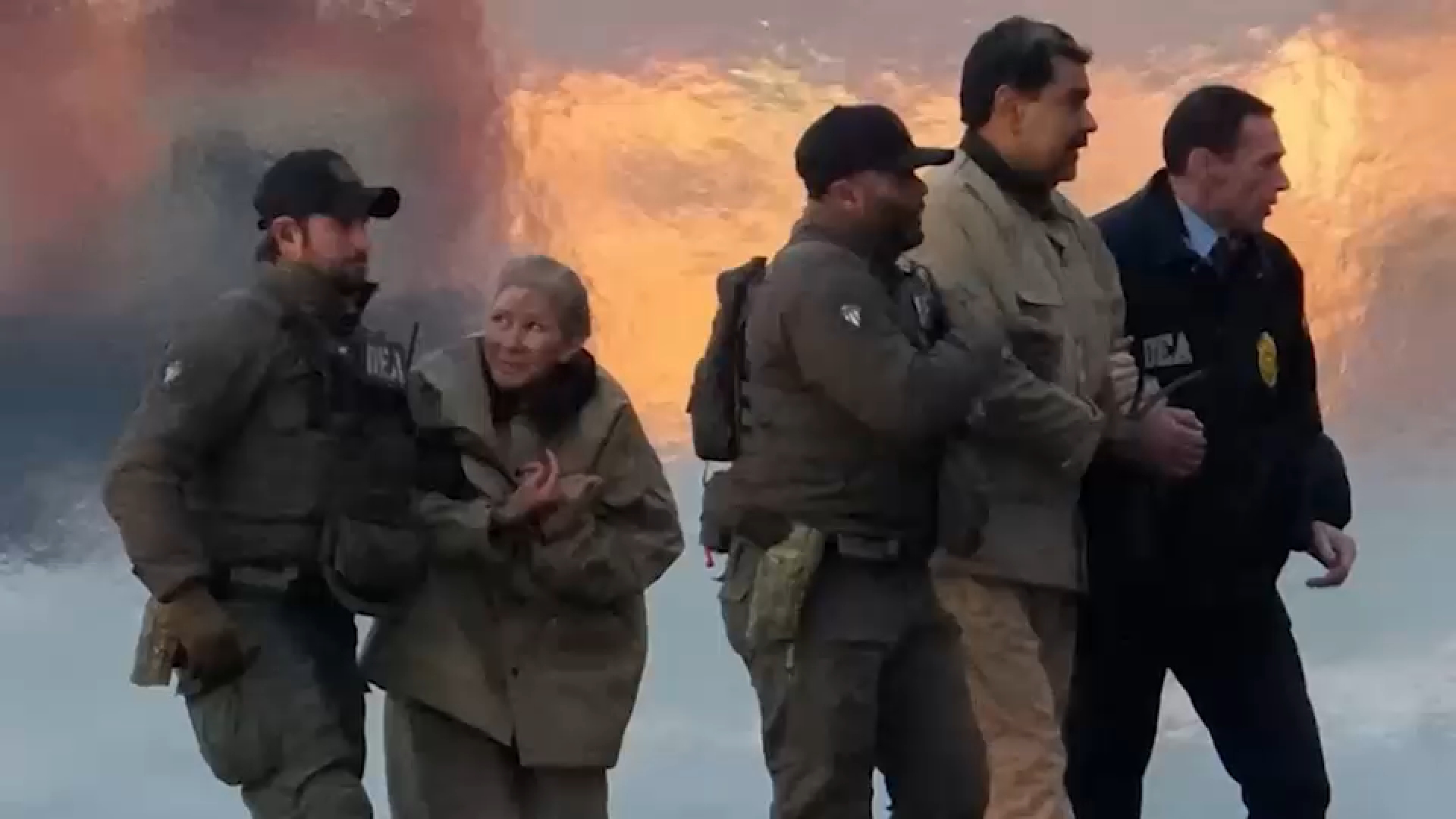
Nicolás Maduro’s legal team is already preparing for a vigorous defense. Maduro has denied all allegations of criminal conduct, consistently labeling the charges against him as politically motivated and the result of a “campaign of imperialist aggression” led by the United States. His defense will likely argue that these charges are part of a broader effort to destabilize Venezuela and undermine his government.
Additionally, Maduro may use the proceedings as a platform to rally domestic support, portraying himself as a victim of foreign interference. His supporters, both within Venezuela and in other parts of Latin America, have long argued that the US is attempting to interfere in Venezuela’s internal affairs and remove a leader they claim was democratically elected.
Global Reactions to the Arraignment
The international response to Maduro’s arraignment has been varied. In the United States, the arraignment has been seen as a significant step forward in the fight against global drug trafficking and corruption. Many US officials have expressed hope that the trial will hold Maduro accountable for the suffering of the Venezuelan people and signal the beginning of the end for his regime.
On the other hand, in Venezuela and across much of Latin America, the arraignment is viewed as an affront to national sovereignty. Maduro’s supporters argue that the US has no right to interfere in Venezuelan affairs, particularly in light of the historical context of US interventionism in the region. Countries such as Russia and China, who have close ties to Venezuela, have also weighed in, criticizing the legal actions taken by the United States as politically motivated.
What Comes Next: The Future of Nicolás Maduro
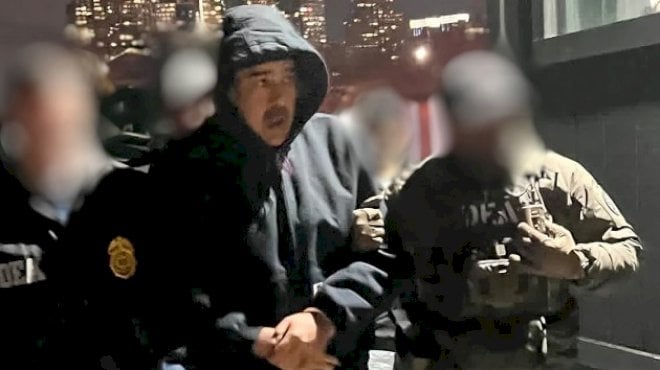
The arraignment in Manhattan marks just the beginning of what will likely be a prolonged legal battle. The outcome of these proceedings could have profound implications for both Maduro’s future and the political landscape of Venezuela. If convicted, Maduro could face a lengthy prison sentence and be forced to relinquish control of the country, paving the way for a new government in Venezuela.
However, it’s also possible that Maduro will manage to avoid conviction through political maneuvering or a lengthy trial process that keeps him in power. In the meantime, the international community will continue to monitor the case closely, watching for signs of change in Venezuela and the potential for a broader shift in power.
Conclusion: A Defining Moment in International Justice
Nicolás Maduro’s arraignment in Manhattan federal court is more than just a legal event—it’s a global political milestone with implications for international justice and the future of Venezuela. As the case unfolds, it will not only determine the fate of one man but also set important precedents for how the world holds leaders accountable for their actions. Whether this marks the beginning of the end for Maduro’s reign or simply a prolonged battle in a larger geopolitical struggle remains to be seen.
In the coming months and years, the world will be watching as this landmark case progresses, with implications that will be felt far beyond the courtroom.