

Table of Contents
- Who Was Craig? The Iconic Elephant
- A Legacy of Conservation: The Importance of Craig’s Story
- Craig’s Role in Elephant Conservation Efforts
- Global Reaction: The Mourning of Craig’s Passing
- What Craig’s Death Means for the Future of Elephant Conservation
- Conclusion: Craig’s Legacy Will Inspire Future Generations
Who Was Craig? The Iconic Elephant
Craig, a bull elephant, was more than just a towering presence in the Kenyan savannas. He was a symbol of the power and majesty of Africa’s wildlife, captivating people both within and outside Kenya. Born in the Amboseli ecosystem, Craig grew to become a true conservation icon. His massive size, especially his record-breaking tusks, made him a rare and awe-inspiring sight. But it was not only his physical attributes that made him special—it was his role as a living testament to the importance of preserving Africa’s natural heritage.
Craig’s tusks were some of the largest ever recorded in the wild, weighing over 100 pounds each. This remarkable feature led to his being a frequent subject of media stories, documentaries, and wildlife films, all of which helped raise awareness of the perilous state of elephant populations due to poaching and habitat loss. His image represented not just the beauty of elephants but also the struggle they face in the modern world.
A Legacy of Conservation: The Importance of Craig’s Story

Craig’s life story became deeply intertwined with efforts to protect elephants in Kenya and across Africa. His presence in Amboseli National Park, one of the most important wildlife conservation areas in Kenya, sparked a renewed focus on protecting elephants and their habitats. His role as a “mega tusker” made him a living representative of the species’ survival and the importance of preserving these magnificent creatures.
Beyond his unique tusks, Craig’s presence in Amboseli helped amplify ongoing efforts to address the severe decline in elephant populations. Kenya’s elephant population has long been under threat from poaching for ivory, human-wildlife conflict, and environmental changes. Conservationists used Craig as an example of what could be achieved through focused conservation efforts, from habitat protection to anti-poaching initiatives.
The loss of such an iconic figure is a heartbreaking reminder of the challenges faced by wildlife in Kenya. However, Craig’s legacy continues to inspire and push for progress in conservation efforts, with his story serving as a call to action for protecting wildlife for future generations.
Craig’s Role in Elephant Conservation Efforts

Craig’s role in the conservation movement extends beyond his physical presence in the park. He became a symbol of the fight against poaching, reminding both the public and officials of the importance of protecting elephants and their tusks from illegal hunting. His story highlighted how much work remains to be done to curb the illegal ivory trade, a trade that continues to threaten elephants worldwide.
Working with the Amboseli Trust for Elephants, conservationists were able to track Craig’s movements, study his behavior, and ensure that his needs were met in the park. Craig’s participation in research programs has allowed scientists to better understand elephant social dynamics, their migratory patterns, and the environmental challenges they face. His importance in these studies cannot be overstated, as he provided invaluable data for understanding elephant populations and how to manage them effectively.
With Craig’s passing, many of these research projects are left with an empty space, but they continue, with the hope that his legacy will push forward the conservation efforts needed to protect other elephants and their habitats. The Amboseli Trust for Elephants is committed to continuing the research and conservation programs that Craig helped promote.
Global Reaction: The Mourning of Craig’s Passing
The news of Craig’s death sent waves of sorrow through the global conservation community. Wildlife experts, conservationists, and animal lovers all expressed their grief and shared their admiration for this extraordinary elephant. Craig’s presence had brought attention to not only the plight of elephants but also the work that still needed to be done to protect endangered species.
Messages poured in from around the world, with people sharing their memories of seeing Craig in Amboseli, through documentaries, or in photographs. His image had become synonymous with wildlife conservation, and the world mourned the loss of this majestic creature who had captured the hearts of so many.
Kenya’s tourism industry also expressed its loss, as Craig was one of the most photographed and admired animals in the country. For many visitors to Amboseli National Park, seeing Craig in person had been a bucket-list experience. His towering presence provided a connection to the wilderness that few could ever forget.
What Craig’s Death Means for the Future of Elephant Conservation
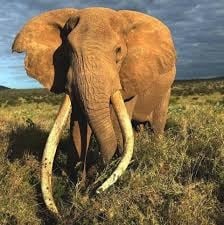
Craig’s passing is undoubtedly a sad moment, but it also serves as an important reminder of why conservation efforts are vital. While Craig is gone, his story lives on in the ongoing work being done to protect elephants and their habitats. His life and legacy have inspired a new generation of conservationists, and his impact on the conservation movement cannot be overstated.
In Kenya, Craig’s passing also comes at a crucial time. The country has made significant strides in recent years to protect its wildlife, particularly elephants. With the death of such an iconic figure, conservationists are reminded of the urgency to continue these efforts, as the threats to elephants remain ever-present. Craig’s story will continue to drive campaigns for stricter poaching laws, better habitat protection, and the reduction of human-wildlife conflict.
Conclusion: Craig’s Legacy Will Inspire Future Generations
The death of Craig, the iconic elephant, marks the end of an era for wildlife conservation in Kenya. However, his legacy will live on in the work being done to protect elephants and their ecosystems. His role in the Amboseli National Park helped raise awareness of the importance of conservation and provided invaluable insights into the lives of elephants. As Kenya and the world mourn his loss, it is clear that Craig’s legacy will inspire future generations to continue the fight for wildlife preservation and to ensure that elephants continue to roam freely in Africa’s savannas.
Conservationists will continue to use Craig’s life as a symbol of what can be achieved when we work together to protect endangered species. Though Craig is no longer with us, his memory will live on, motivating others to protect these majestic creatures for generations to come.