
Table of Contents
The Evolutionary Roots of Co-Sleeping
Human infants, unlike many other animals, are born in a state of relative helplessness. At birth, they are unable to regulate their body temperature, feed themselves, or defend themselves. In evolutionary terms, this helplessness underscores a critical need for constant care and proximity to caregivers. Early human societies were structured around the close physical presence of mothers and infants, and this biological imperative has not changed.
In fact, babies’ need for proximity is supported by research that suggests babies’ biological systems respond better to close physical contact. Their body temperature regulation, breathing patterns, and even the development of their nervous system are all influenced by the presence of caregivers, particularly mothers. Co-sleeping is a practice rooted in ensuring that these essential needs are met.
Co-Sleeping and Infant Brain Development

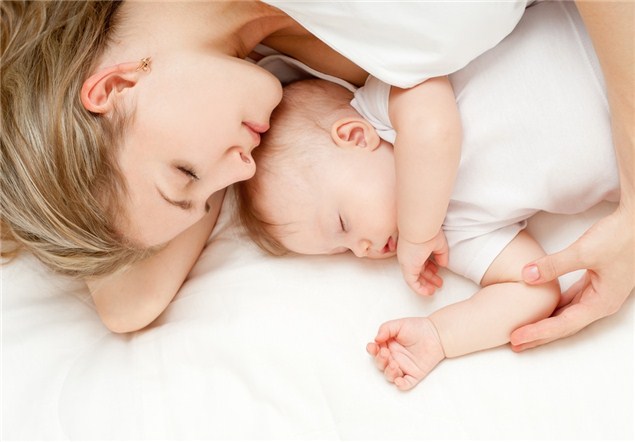
Studies on infant brain development show that co-sleeping can help to regulate the biological systems necessary for healthy growth. During the first few months of life, babies’ brains undergo rapid development. Proximity to their caregivers during sleep provides a comforting and secure environment that promotes healthy emotional regulation and attachment. Babies who sleep in close contact with their mothers experience less stress, as physical closeness lowers levels of cortisol (the stress hormone) and increases oxytocin, a hormone associated with bonding and relaxation.
This sleep environment also helps with the development of healthy sleep patterns. Babies who co-sleep are more likely to develop synchronized sleep rhythms with their caregivers, leading to better sleep cycles and overall physical and emotional health.
Why Sleeping Alone Is Not Natural for Babies
Unlike some animal species that are born with the ability to fend for themselves, human babies are biologically wired to seek comfort and safety from their caregivers. In fact, infants are born with a set of instincts that promote proximity to the mother’s body. This includes rooting and sucking reflexes, as well as the natural tendency to cry when separated from their caregiver. These innate behaviors indicate that humans are not biologically designed to sleep alone.
The stress of being left alone can manifest in babies through disrupted sleep and increased anxiety. This is especially true for newborns who rely on the sensory and emotional cues of their caregivers to feel secure. When placed in a separate room, infants are deprived of these cues and may experience heightened stress, potentially affecting their long-term emotional and cognitive development.
Attachment Theory and Emotional Security
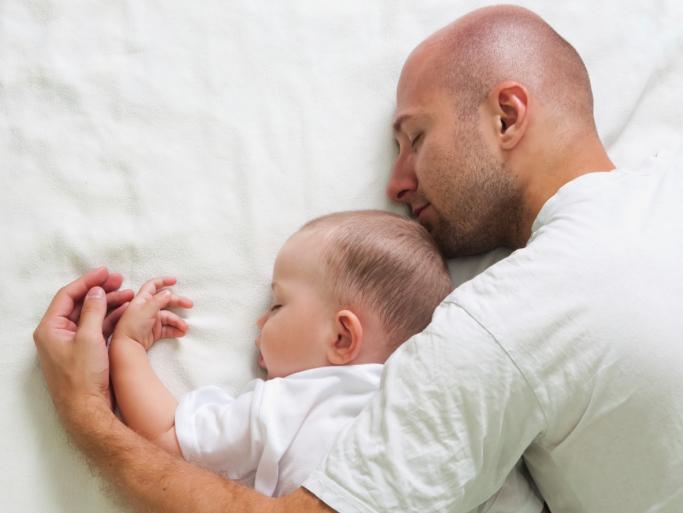
One of the most compelling reasons for co-sleeping is its relationship to attachment theory, which emphasizes the importance of a strong, secure bond between infants and their primary caregivers. According to attachment theory, children who experience consistent and sensitive caregiving are more likely to develop healthy emotional and social skills later in life.
Co-sleeping fosters this attachment by ensuring that babies are close to their caregivers throughout the night, reinforcing the safety and security that are critical to developing trust and emotional resilience. Babies who experience secure attachment are more likely to grow up to be confident, empathetic individuals.
Co-Sleeping and the Impact on Breastfeeding
Breastfeeding is another biological imperative that is closely tied to co-sleeping. Research shows that breastfeeding mothers who sleep with their babies tend to nurse more frequently during the night, which is beneficial for both mother and child. The close proximity allows for easier access to the breast, encouraging longer breastfeeding sessions and promoting better milk production.
Breastfeeding, in turn, offers a host of health benefits for the baby, including better immune system development and a reduced risk of certain infections. The act of breastfeeding also releases oxytocin, further promoting bonding between mother and infant. Co-sleeping, therefore, supports both the physical and emotional needs of the baby, as well as promoting breastfeeding.
The Safety Concerns Around Co-Sleeping
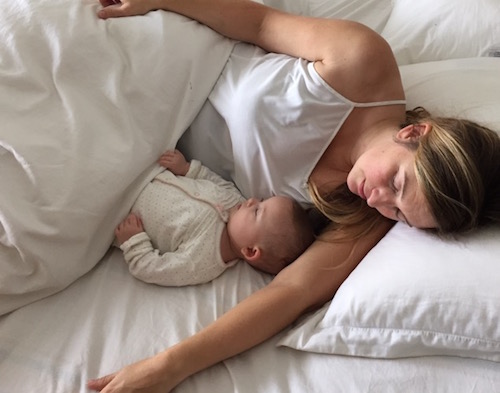
Despite the many benefits of co-sleeping, it is important to address the safety concerns often raised by critics of the practice. Some argue that co-sleeping can increase the risk of suffocation or sudden infant death syndrome (SIDS). However, studies indicate that these risks can be minimized with safe co-sleeping practices, such as ensuring that the baby sleeps on a firm surface and avoiding the use of pillows, blankets, or other items that could obstruct the baby’s breathing.
Parents who practice co-sleeping should also ensure that their sleeping environment is free from hazards. For example, the baby should never sleep on a couch or soft mattress, as this increases the risk of suffocation. With proper precautions, co-sleeping can be a safe and beneficial practice for both babies and parents.
Cultural Perspectives on Co-Sleeping
While co-sleeping is often viewed with skepticism in Western cultures, it is a widespread practice in many other parts of the world. In countries such as Japan, China, and much of the Middle East, co-sleeping is the norm, and infants often sleep in close contact with their parents well into early childhood. These cultural norms are rooted in the same biological imperatives that support the practice.
In Western societies, co-sleeping is often discouraged due to concerns over safety, independence, and the belief that babies should learn to sleep alone. However, as research into the benefits of co-sleeping grows, more parents are choosing to adopt this practice, recognizing that it supports the biological and emotional needs of their children.
Conclusion
Co-sleeping, far from being a controversial or outdated practice, is deeply rooted in the biological imperatives that govern infant development. From the evolutionary need for close proximity to caregivers to the benefits of secure attachment and better breastfeeding outcomes, co-sleeping is an essential practice for many families around the world.
The decision to co-sleep should be made based on the needs of both the baby and the parents. While there are safety considerations, these can be mitigated with proper precautions. Ultimately, the practice of co-sleeping highlights the importance of responding to the biological needs of human infants, ensuring their emotional security, and fostering a strong bond that will last a lifetime.
In a world where many infants are left to sleep alone in cribs, it’s important to remember that human babies are biologically designed for close contact with their caregivers. Co-sleeping isn’t just a cultural choice—it’s an integral part of nurturing healthy, emotionally secure children.