
Table of Contents
- When Scientists Realized Koalas Were Dying From More Than Habitat Loss
- A Disease That Mirrors a Human Infection but Hits Koalas Harder
- Why Chlamydia Became So Widespread Among Koalas
- Blindness, Infertility, and a Slow Decline
- Why Treating Koalas Is Not as Simple as Administering Antibiotics
- The Race to Develop a Koala Chlamydia Vaccine
- Bushfires Made the Crisis Even Worse
- Why Koala Decline Signals a Broader Ecological Problem
- Public Awareness and the Emotional Weight of Saving an Icon
- Ethical Questions Around Human Intervention
- What the Fight Against Chlamydia Means for Koalas’ Future
- A Species Caught Between Survival and Extinction
- What This Crisis Teaches Us About Conservation Moving Forward
When Scientists Realized Koalas Were Dying From More Than Habitat Loss
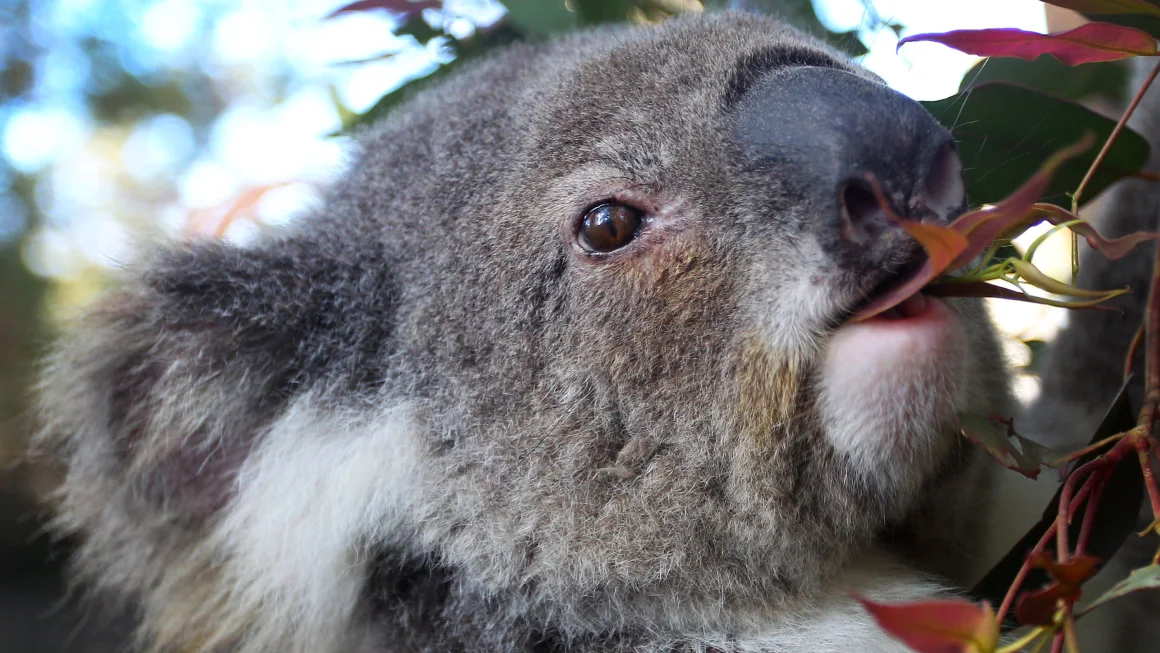
When news began circulating that Australia’s koala population was facing a new and devastating threat, conservationists around the world took notice. Koalas were already struggling against deforestation, climate change, and catastrophic bushfires, but scientists warned that another danger was spreading quietly through the population. This time, the threat was not visible from the sky or driven by bulldozers. It was a bacterial infection—chlamydia—that was slowly crippling koalas from the inside out.
What made the discovery particularly alarming was not just the prevalence of the disease, but its impact. Chlamydia was leaving koalas blind, infertile, and unable to survive in the wild. In some regions of Australia, infection rates were so high that entire local populations were at risk of collapse. What follows is an exploration of how this disease spread, why it is so difficult to control, and what it reveals about the fragile balance between wildlife health and human activity.
A Disease That Mirrors a Human Infection but Hits Koalas Harder
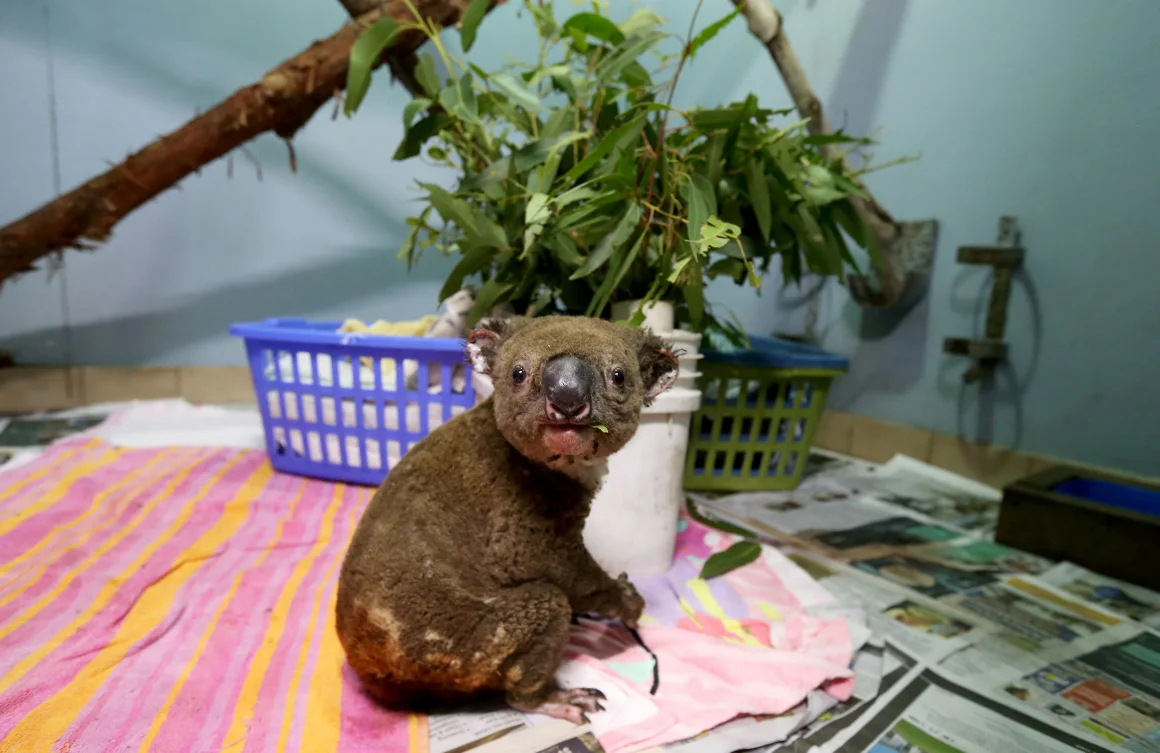
Chlamydia is widely known as a sexually transmitted infection in humans, but the strain affecting koalas is different. While the name is shared, the koala version is a bacterial disease uniquely adapted to its host. In koalas, chlamydia spreads through sexual contact, from mother to joey, and potentially through close physical interaction.
Once infected, koalas can develop severe conjunctivitis that leads to blindness, painful urinary tract infections, reproductive damage, and in many cases, infertility. For an animal already facing shrinking habitats, the inability to reproduce poses an existential threat. Scientists emphasize that even koalas that survive infection often suffer long-term consequences that reduce their chances of survival in the wild.
Why Chlamydia Became So Widespread Among Koalas
Researchers believe the rapid spread of chlamydia among koalas is closely tied to environmental stress. Habitat destruction forces koalas into smaller territories, increasing contact between individuals and accelerating disease transmission. Urban expansion, road networks, and land clearing fragment populations that once lived in relative isolation.
Stress weakens immune systems, making koalas more vulnerable to infection. When combined with nutritional deficiencies caused by habitat loss, the disease spreads more aggressively. Scientists note that chlamydia did not suddenly appear; rather, human-driven environmental pressures allowed it to flourish unchecked.
Blindness, Infertility, and a Slow Decline
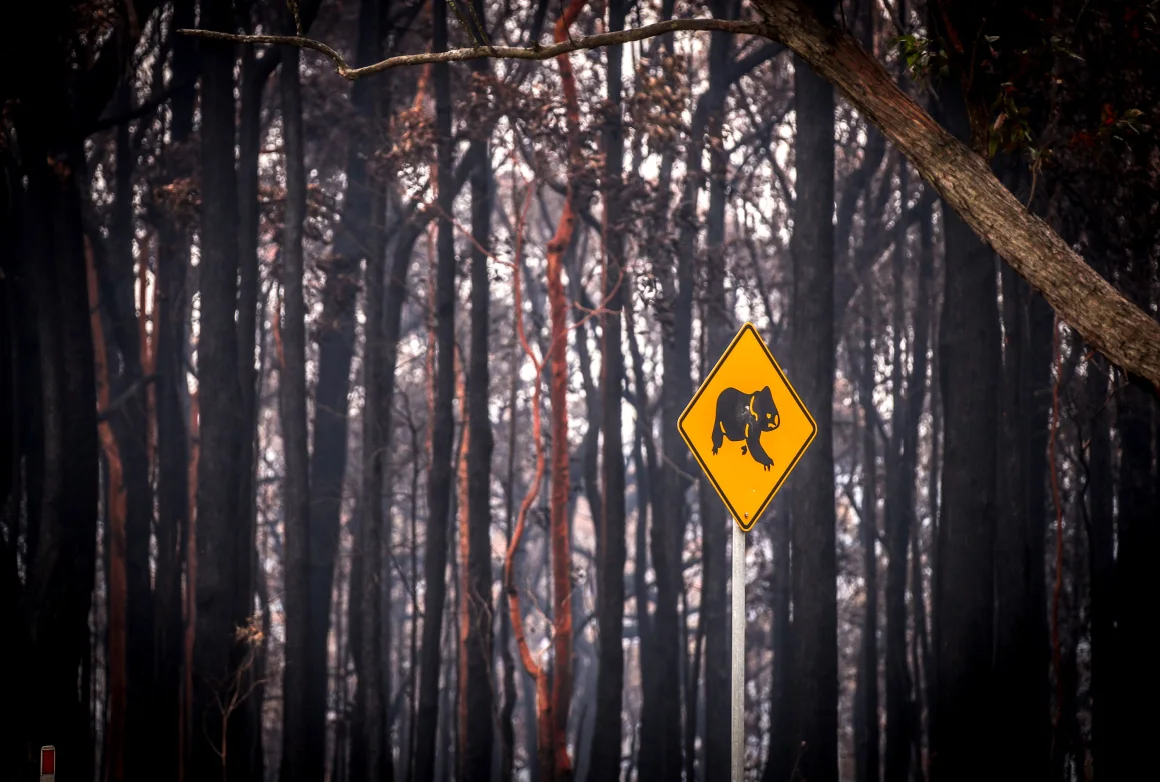
The symptoms of chlamydia in koalas are devastating. Eye infections can cause swelling, discharge, and eventual blindness, leaving koalas unable to navigate trees or detect predators. Urinary tract infections cause chronic pain, dehydration, and kidney damage. In females, the disease can scar reproductive organs, making pregnancy impossible.
Wildlife carers describe treating koalas that appear healthy on the outside but are suffering internally. By the time symptoms become visible, the infection is often advanced. For many koalas, survival depends on human intervention, hospitalization, and prolonged treatment—resources that are limited and costly.
Why Treating Koalas Is Not as Simple as Administering Antibiotics
Treating chlamydia in koalas presents unique challenges. Antibiotics effective against the bacteria can disrupt the koala’s delicate gut microbiome, which is essential for digesting eucalyptus leaves. Without proper gut bacteria, koalas can starve even while eating normally.
Veterinarians must carefully balance treatment duration, dosage, and post-treatment care to ensure koalas survive both the disease and the cure. Recovery can take weeks or months, during which koalas require constant monitoring, specialized diets, and rehabilitation before release back into the wild.
The Race to Develop a Koala Chlamydia Vaccine
Recognizing that treatment alone cannot save the species, Australian scientists have turned to prevention. In recent years, researchers have made promising progress developing a vaccine designed specifically for koalas. Early trials showed that vaccinated koalas had reduced infection severity and improved immune responses.
The vaccine represents a potential turning point in conservation efforts. However, deploying it on a large scale is logistically complex. Koalas live across vast and often inaccessible regions, making mass vaccination difficult. Conservationists must also consider stress caused by capture and handling, ensuring that intervention does not cause additional harm.
Bushfires Made the Crisis Even Worse
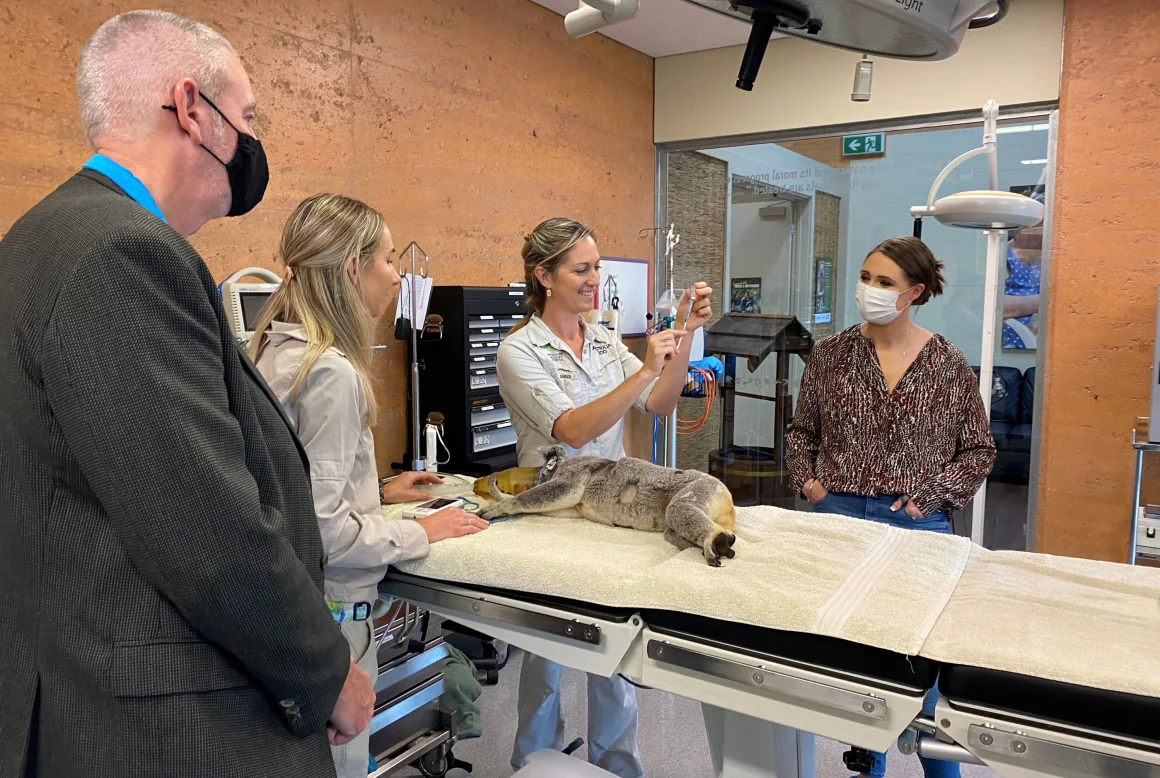
The devastating bushfires that swept across Australia in recent years dramatically worsened the koala crisis. Millions of hectares of habitat were destroyed, killing countless koalas outright and forcing survivors into smaller, fragmented areas. This sudden compression of populations accelerated disease transmission.
Rescue centers were overwhelmed with injured and displaced koalas, many of whom were already infected with chlamydia. Scientists warned that the fires did not just kill koalas; they amplified existing threats, pushing vulnerable populations closer to collapse.
Why Koala Decline Signals a Broader Ecological Problem
Koalas are often described as a flagship species, meaning their health reflects the health of the ecosystem as a whole. When koalas suffer, it signals deeper environmental imbalance. Disease outbreaks in wildlife are frequently linked to habitat disruption, climate stress, and biodiversity loss.
Conservationists argue that the chlamydia epidemic is not just a veterinary issue, but a warning. As human activity reshapes landscapes, wildlife becomes more susceptible to disease, creating feedback loops that threaten entire ecosystems.
Public Awareness and the Emotional Weight of Saving an Icon
Koalas hold a special place in Australia’s national identity. Images of blind or injured koalas have sparked global outrage and compassion, driving donations and political pressure. Yet scientists caution against relying solely on emotional responses.
Saving koalas requires sustained funding, long-term habitat protection, and coordinated disease management. Public attention often spikes during crises but fades quickly. Conservationists stress that consistent support is essential if koalas are to recover rather than merely survive.
Ethical Questions Around Human Intervention
As efforts to vaccinate, treat, and relocate koalas intensify, ethical questions emerge. How much should humans intervene in wildlife disease? At what point does intervention become necessary to correct damage humans themselves caused?
Many scientists argue that because habitat destruction and climate change are human-driven, humans have a responsibility to intervene. Allowing koalas to decline without action would not be natural selection, but neglect.
What the Fight Against Chlamydia Means for Koalas’ Future
The battle to save koalas from chlamydia is still unfolding. While vaccines and improved treatments offer hope, experts warn that medical solutions alone cannot reverse population decline. Habitat protection, climate resilience, and land management reforms must accompany disease control.
The future of koalas depends on whether conservation efforts can move faster than the threats facing them. Time is not on their side, and every breeding season lost to infertility pushes populations closer to the brink.
A Species Caught Between Survival and Extinction
Koalas have survived in Australia for millions of years, adapting to harsh climates and limited diets. Yet within a few generations, human activity has altered their environment so profoundly that survival now depends on laboratories, vaccines, and rescue centers.
The chlamydia epidemic is not just a disease story. It is a reflection of how fragile even the most iconic species can become when ecosystems are pushed beyond their limits. Whether koalas endure or disappear will depend on how seriously humans take this warning—and how quickly action follows.
What This Crisis Teaches Us About Conservation Moving Forward
The fight to save koalas reveals a broader truth about conservation in the modern world. Wildlife protection is no longer just about preserving land; it is about managing health, disease, and resilience in a rapidly changing environment.
As scientists continue racing against time, the koala’s struggle stands as both a tragedy and a lesson. When environmental damage goes unchecked, its consequences emerge not all at once, but silently—until an entire species is fighting for its future.