
Table of Contents
- When Scientists Realized the Tunnels Were Not Made by Humans
- Meet the Giant Sloths That Once Dominated South America
- The Discovery of Paleoburrows Hidden in Plain Sight
- How Scientists Confirmed the Tunnels Were Dug by Sloths
- Why Giant Sloths Dug Such Massive Tunnels
- The Engineering Feats of Prehistoric Megafauna
- Why These Tunnels Changed the Landscape Forever
- What the Tunnels Reveal About Sloth Behavior
- Why Humans Never Encountered These Builders
- How These Discoveries Change Our View of Prehistory
- Why These Tunnels Matter Today
- A Silent Record Written Beneath the Earth
- What the Giant Sloth Tunnels Teach Us About Extinction
- A World Reshaped by Giants We Almost Forgot
When Scientists Realized the Tunnels Were Not Made by Humans
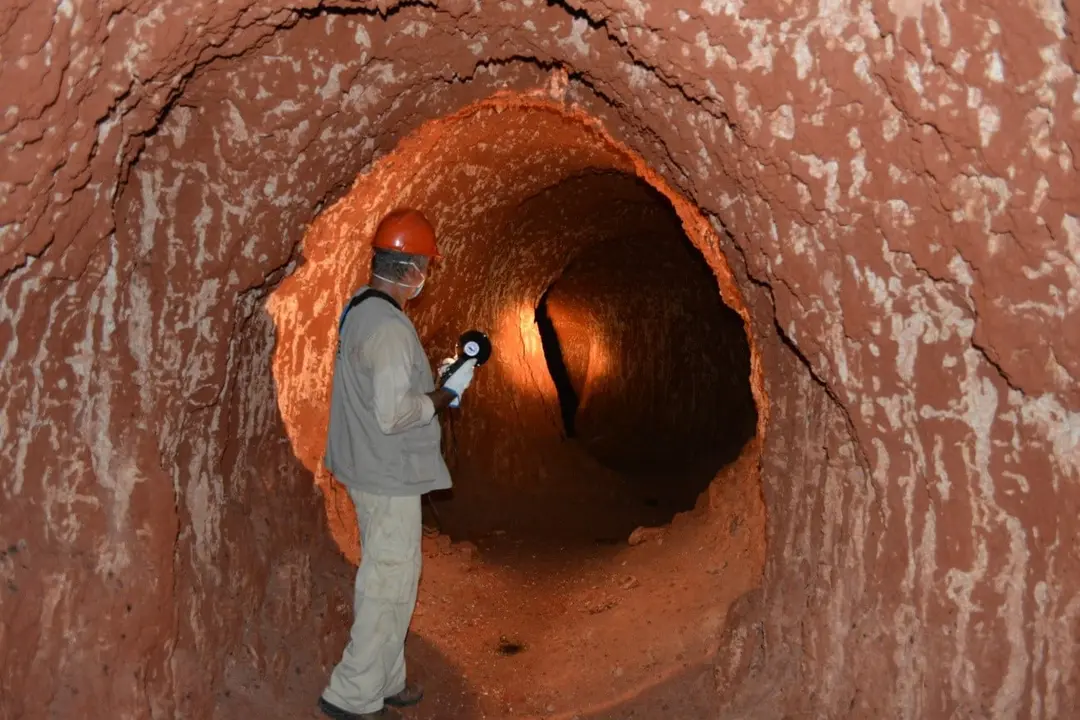
When researchers first encountered vast underground tunnels carved into solid rock across parts of South America, the assumption seemed obvious. The structures looked deliberate, expansive, and far too organized to be natural accidents. Some tunnels stretched hundreds of meters, with smooth walls and arched ceilings resembling early human engineering. Yet as scientists examined the evidence more closely, they realized something extraordinary. These tunnels were not the work of ancient civilizations, nor the result of geological forces. They were dug by animals—specifically, giant sloths that roamed the continent millions of years ago.
The revelation forced scientists to rethink how prehistoric animals interacted with their environments. These tunnels were not minor burrows or temporary shelters. They were massive subterranean systems that permanently altered the landscape. What follows is an exploration of how these ancient giants shaped the Earth beneath their feet, and what their tunnels reveal about a lost world.
Meet the Giant Sloths That Once Dominated South America
Giant sloths were nothing like the tree-dwelling sloths alive today. These prehistoric mammals could reach the size of modern elephants, standing several meters tall and weighing several tons. Armed with massive claws and powerful limbs, they were built not just for survival, but for reshaping their surroundings.
Fossil evidence shows that these animals thrived across South America for millions of years, occupying forests, grasslands, and mountainous regions. Unlike modern sloths, which move slowly and spend most of their lives in trees, giant sloths were ground-dwelling titans capable of digging, tearing, and carving through dense materials.
The Discovery of Paleoburrows Hidden in Plain Sight
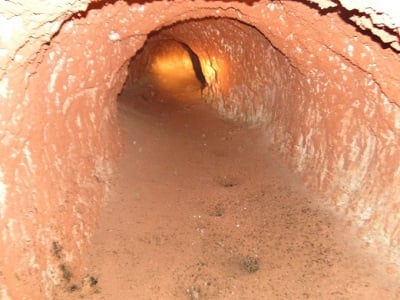
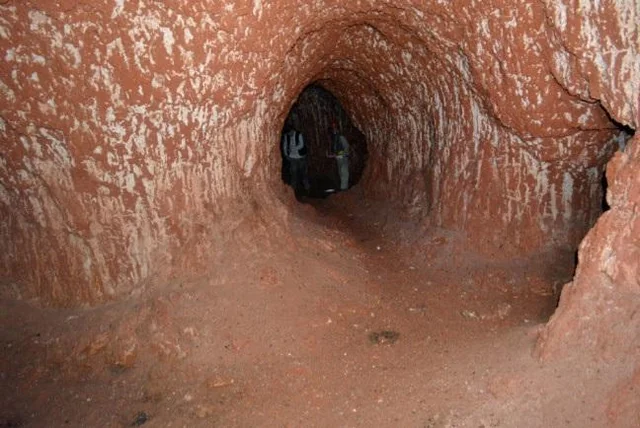
The tunnels, known as paleoburrows, were discovered in regions of Brazil, Argentina, Uruguay, and Paraguay. Many had been mistaken for abandoned mines or early human structures. Their entrances often appeared on hillsides or cliff faces, while their interiors extended deep underground.
What puzzled researchers was the sheer scale of these burrows. Some tunnels measured over two meters high and several meters wide, far exceeding the size needed by any known burrowing animal alive today. Their smooth walls bore distinctive claw marks, etched in repeating patterns that hinted at methodical excavation rather than random erosion.
How Scientists Confirmed the Tunnels Were Dug by Sloths
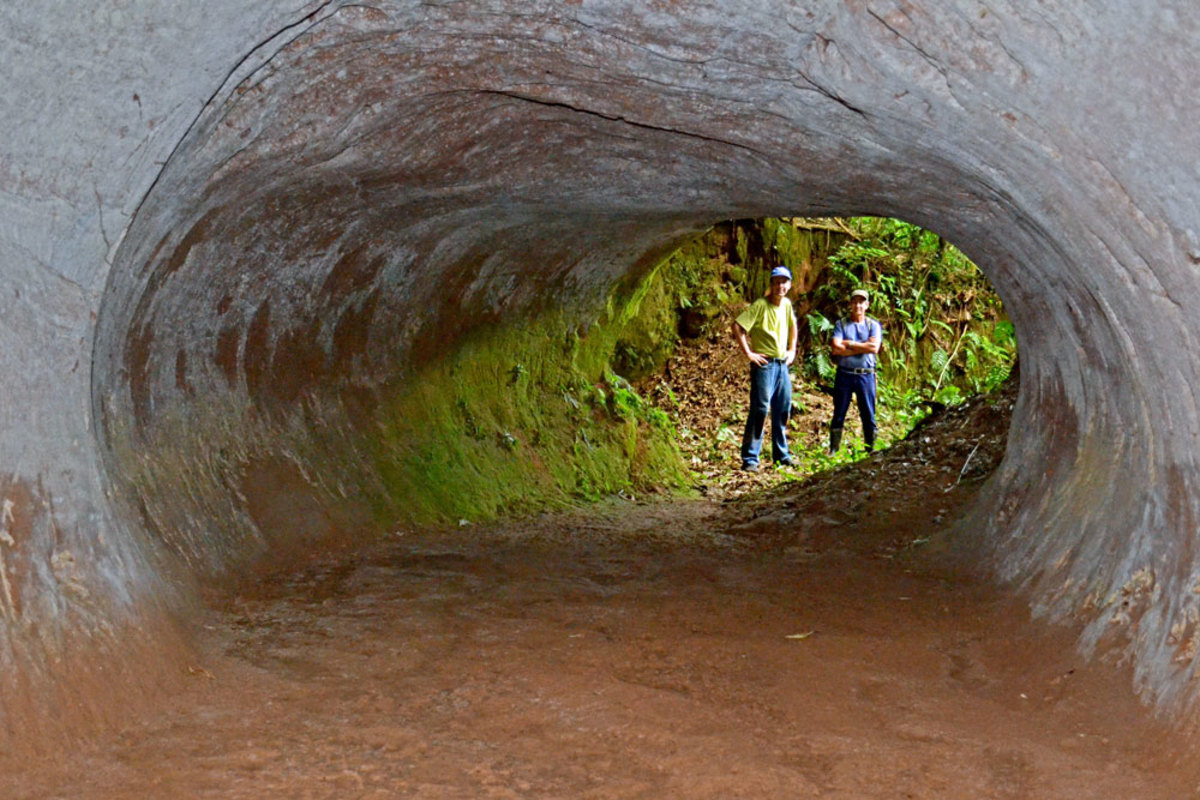
Detailed analysis of the tunnel walls revealed parallel grooves consistent with the curved claws of giant sloths. The spacing, depth, and angle of the marks matched fossilized sloth claws almost perfectly. In some tunnels, scientists even found scratch patterns that suggested repeated use over generations.
Geological dating placed the tunnels’ origins between tens of thousands and several million years ago, aligning with the known timeline of giant sloth existence. The evidence left little doubt: these enormous animals had used their immense strength to excavate long-term underground shelters.
Why Giant Sloths Dug Such Massive Tunnels
Scientists believe the tunnels served multiple purposes. Protection from predators was likely a key factor. During the Ice Age, South America was home to formidable carnivores, and underground shelters would have offered safety for sloths and their offspring.
Climate regulation may have been another motivation. Underground environments provide stable temperatures, shielding inhabitants from extreme heat or cold. For massive animals with slow metabolisms, such stability would have been crucial. The tunnels may also have functioned as communal spaces, reused and expanded across generations.
The Engineering Feats of Prehistoric Megafauna
The scale of the tunnels suggests planning, persistence, and physical power on an astonishing level. Digging through compacted soil and rock requires sustained effort and anatomical specialization. Giant sloths possessed thick bones, reinforced joints, and claws capable of exerting immense force.
Scientists note that the tunnels were not haphazard. Their arched ceilings prevented collapse, and their layouts suggest awareness of structural integrity. While not “engineers” in the human sense, giant sloths demonstrated an instinctive understanding of their environment that allowed them to modify it safely and effectively.
Why These Tunnels Changed the Landscape Forever
The paleoburrows represent one of the earliest examples of animals acting as ecosystem engineers on a massive scale. By carving extensive underground networks, giant sloths altered soil structure, drainage patterns, and microhabitats.
Even today, some tunnels remain intact, influencing local ecosystems. Smaller animals use them for shelter, while plants grow differently above them due to altered soil conditions. These ancient structures continue shaping the landscape long after their creators vanished.
What the Tunnels Reveal About Sloth Behavior
The size and complexity of the burrows suggest that giant sloths were not solitary wanderers. Many tunnels appear to have been expanded over time, indicating repeated use. This hints at social behavior or at least generational site fidelity, where offspring returned to the same shelters used by their ancestors.
Such behavior challenges earlier assumptions about sloth intelligence and social structure. Rather than passive grazers, these animals appear to have been adaptive, resourceful, and capable of long-term environmental modification.
Why Humans Never Encountered These Builders
Giant sloths went extinct around 10,000 to 12,000 years ago, roughly coinciding with the arrival of humans in South America. While climate change played a role, many scientists believe human hunting accelerated their decline.
By the time human societies developed complex underground architecture, the sloths were already gone. As a result, their engineering legacy remained hidden, misunderstood, or misattributed for thousands of years.
How These Discoveries Change Our View of Prehistory
The discovery of giant sloth tunnels forces a reevaluation of prehistoric ecosystems. Humans were not the first beings to shape landscapes at scale. Long before agriculture or cities, megafauna were carving, reshaping, and engineering the Earth in ways that rival early human efforts.
This challenges the idea that large-scale environmental modification is uniquely human. Instead, it suggests that extinction erased not just species, but entire forms of ecological influence.
Why These Tunnels Matter Today
Understanding paleoburrows helps scientists grasp the long-term consequences of losing megafauna. When giant sloths disappeared, their ecological roles vanished with them. The loss of these animals likely triggered cascading changes in vegetation, soil dynamics, and biodiversity.
Modern conservationists study these effects to understand how today’s extinctions might reshape ecosystems for millennia. The tunnels stand as physical reminders of what is lost when keystone species vanish.
A Silent Record Written Beneath the Earth
Unlike fossils locked in museums, the tunnels remain embedded in the living landscape. They are not relics behind glass, but enduring structures that people can still walk through today. Each claw mark is a record of movement, effort, and survival from a vanished world.
Scientists describe these tunnels as one of the most direct forms of behavioral evidence left by extinct animals. They show not just what giant sloths were, but how they lived.
What the Giant Sloth Tunnels Teach Us About Extinction
The paleoburrows remind us that extinction is not just the disappearance of animals, but the erasure of interactions between life and land. When giant sloths vanished, the Earth lost not only a species, but an entire way of shaping terrain.
Their tunnels endure as a warning and a lesson. The landscapes we inherit today are shaped by creatures long gone, and the choices humans make now will echo beneath the ground for generations to come.
A World Reshaped by Giants We Almost Forgot
Millions of years ago, giant sloths carved homes beneath the Earth, leaving behind structures so vast they still defy belief. For centuries, humans walked past these tunnels without knowing who built them. Now, science has given voice to their silent work.