
Table of Contents
- When Trump Claimed Credit Card Rates May Already Be Illegal
- The Reality of Modern Credit Card Interest Rates
- Why Trump’s Claim Focuses on the Question of Legality
- How Deregulation Changed the Credit Card Industry
- Why Consumer Debt Has Become a National Concern
- The Political Appeal of Challenging Credit Card Companies
- What Financial Institutions Say in Response
- The Legal Gray Area Around Interest Rate Caps
- Historical Precedents for Interest Rate Limits
- What Could Change If Rates Were Capped
- Why This Debate Reflects Broader Power Dynamics
- How This Issue Fits Into a Larger Economic Narrative
- What Happens Next for Consumers and Regulators
- Why This Moment Matters Beyond Politics
- A Financial System Under Renewed Scrutiny
- What This Debate Means for the Future of Credit
- A Question That Won’t Disappear Quietly
When Trump Claimed Credit Card Rates May Already Be Illegal
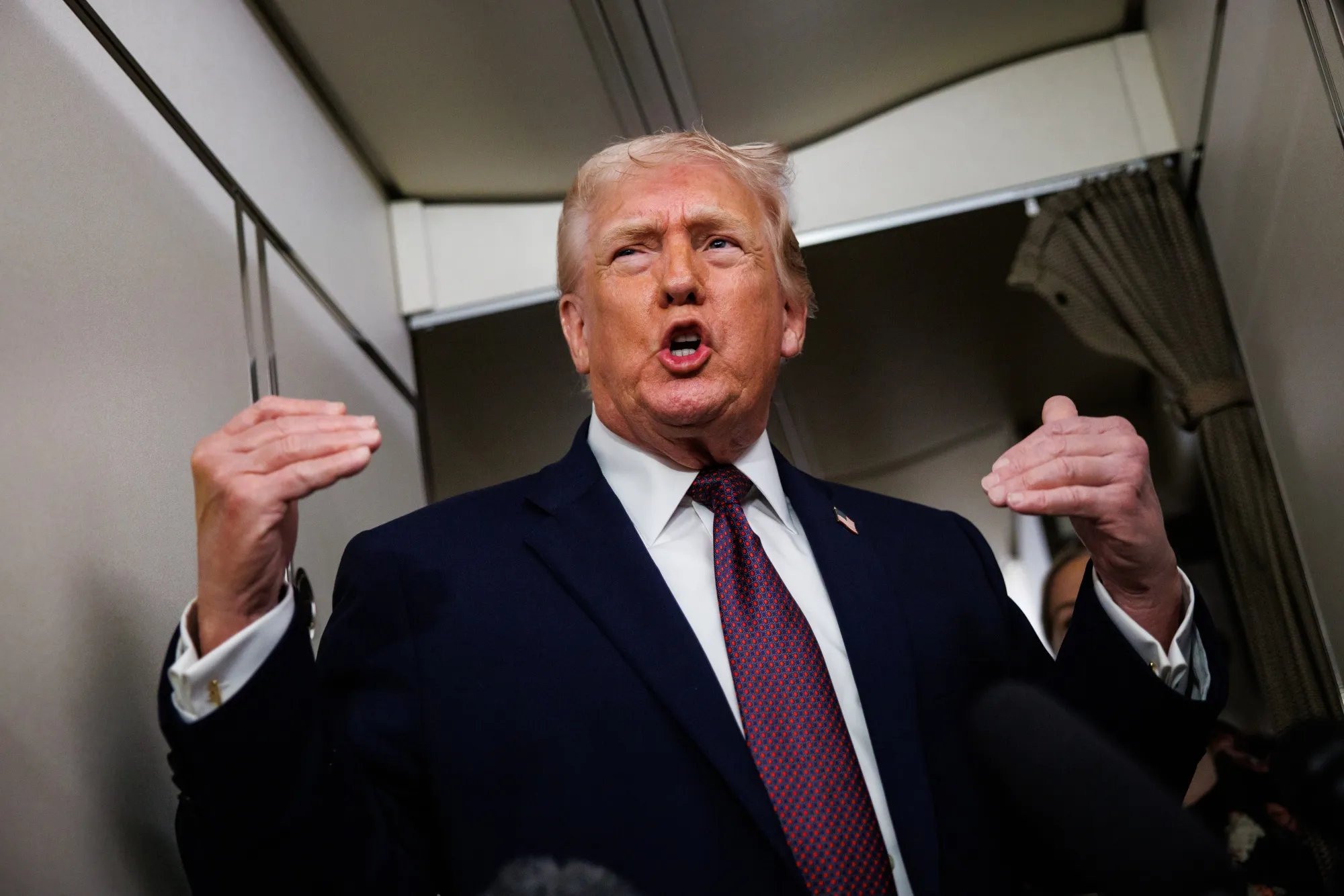
When Donald Trump suggested that credit card companies could be breaking the law if interest rates are not capped, the statement sent ripples through financial markets and consumer advocacy circles alike. It was not simply a campaign-style remark or a rhetorical jab at Wall Street. It was a declaration that challenged one of the most entrenched features of modern consumer finance: the ability of credit card issuers to charge interest rates that routinely exceed 20 percent, and in some cases climb far higher.
The comment arrived at a moment when household debt in the United States is at record levels and credit card balances are rising faster than wages. For millions of Americans, high interest rates are no longer an abstract policy issue but a daily financial strain. Trump’s assertion reframed the debate, shifting it from whether rates should be capped to whether the current system may already be operating outside legal and ethical boundaries. What follows is an exploration of why this claim matters, how credit card interest rates reached their current heights, and what it could mean for consumers, regulators, and the financial industry itself.
The Reality of Modern Credit Card Interest Rates

Credit card interest rates in the United States have steadily climbed over the past decade, reaching levels that would have been considered extraordinary in earlier eras. Average annual percentage rates now exceed 20 percent, with some cards charging well above 30 percent for borrowers with weaker credit profiles. These rates persist even as inflation fluctuates and benchmark interest rates rise and fall.
For consumers, the impact is cumulative. High interest compounds rapidly, turning modest balances into long-term financial burdens. A missed payment or temporary hardship can trap households in cycles of debt that are difficult to escape. Critics argue that such rates exploit consumers’ limited bargaining power, while defenders claim they reflect credit risk and market forces.
Why Trump’s Claim Focuses on the Question of Legality
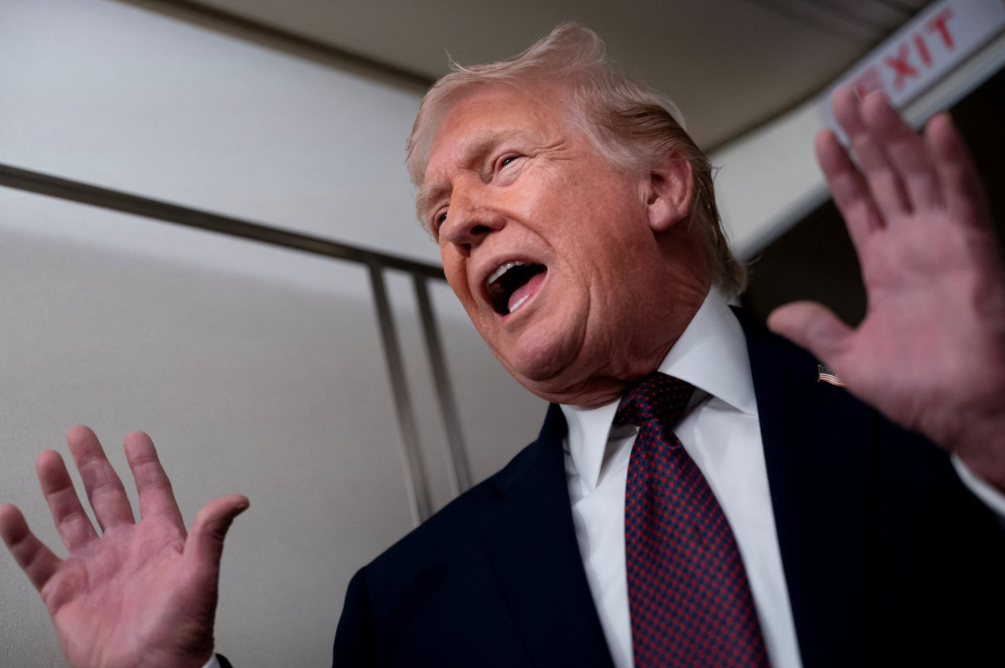
Trump’s statement did not merely criticize high rates as unfair. It suggested that they may be unlawful. This distinction matters. If interest rates are framed as a policy choice, the debate centers on regulation and reform. If they are framed as potentially illegal, the issue becomes one of enforcement and accountability.
Historically, many states maintained usury laws that capped interest rates to prevent predatory lending. Over time, however, federal deregulation and legal decisions allowed credit card companies to bypass state caps by operating from states with more permissive rules. This framework effectively removed nationwide limits, enabling rates to rise without a clear ceiling.
How Deregulation Changed the Credit Card Industry
The modern credit card system was shaped by a series of legal and regulatory shifts beginning in the late twentieth century. Key court rulings allowed banks to charge interest rates based on the laws of their home states rather than the states where consumers lived. As a result, financial institutions gravitated toward states with minimal restrictions.
This regulatory architecture transformed credit cards from tightly regulated financial tools into highly profitable products. While access to credit expanded, so did the cost of borrowing. Critics argue that deregulation prioritized financial innovation and profits over consumer protection, laying the groundwork for today’s debt-heavy economy.
Why Consumer Debt Has Become a National Concern
Household debt has become one of the defining economic challenges of modern American life. Credit cards, once intended for short-term convenience, are now used to cover everyday expenses such as groceries, healthcare, and utilities. Rising living costs and stagnant wages have pushed more households to rely on revolving credit.
As balances grow, so does vulnerability. High interest rates mean that even diligent borrowers can struggle to make progress on repayment. Consumer advocates warn that this dynamic disproportionately affects lower-income households, widening inequality and increasing financial instability across the economy.
The Political Appeal of Challenging Credit Card Companies
Trump’s critique of credit card rates taps into widespread public frustration. Across the political spectrum, consumers express resentment toward financial institutions perceived as profiting from hardship. By framing the issue as a potential legal violation, Trump positioned himself as a challenger to entrenched financial power.
This stance resonates with voters who feel excluded from economic recovery and skeptical of large banks. It also reflects a broader populist trend that questions whether market outcomes truly serve the public interest when left largely unchecked.
What Financial Institutions Say in Response
Credit card issuers defend high interest rates by pointing to credit risk, operational costs, and the need to compensate for defaults. They argue that capping rates could restrict access to credit, particularly for borrowers with lower credit scores. From their perspective, market-based pricing allows lenders to extend credit while managing risk.
Industry representatives also emphasize that consumers voluntarily choose credit cards and agree to disclosed terms. They contend that competition among issuers provides consumers with options, even if those options remain costly.
The Legal Gray Area Around Interest Rate Caps
Despite longstanding debate, federal law currently does not impose a nationwide cap on credit card interest rates. While some consumer protection statutes address deceptive practices, they stop short of setting explicit limits. This legal landscape creates ambiguity about what constitutes excessive or unlawful pricing.
Trump’s claim highlights this gray area. If lawmakers or regulators were to revisit usury principles at the federal level, it could fundamentally alter how credit is priced. Such a move would face intense opposition from the financial industry and raise complex questions about implementation.
Historical Precedents for Interest Rate Limits
Interest rate caps are not a new idea. For centuries, societies imposed limits to prevent exploitation. In the United States, many states enforced strict usury laws well into the twentieth century. These limits reflected moral and economic concerns about lending practices that trapped borrowers in perpetual debt.
The gradual erosion of these protections coincided with financial globalization and deregulation. Critics argue that revisiting these principles is less radical than it appears, representing a return to earlier norms rather than a departure from market economics.
What Could Change If Rates Were Capped
If interest rates were capped, the credit card industry would undergo significant transformation. Issuers might reduce available credit, tighten approval standards, or shift toward alternative fee structures. Consumers might gain relief from extreme interest costs but face fewer borrowing options.
Economists remain divided on the outcome. Some predict greater financial stability and reduced debt stress. Others warn of unintended consequences, including reduced access to credit for those who rely on it most. The debate underscores the complexity of balancing protection and access.
Why This Debate Reflects Broader Power Dynamics
At its core, the controversy over credit card rates is about power. Financial institutions possess vast resources, sophisticated lobbying operations, and influence over regulatory frameworks. Consumers, by contrast, negotiate individually, often under financial pressure.
Trump’s remarks drew attention to this imbalance, suggesting that unchecked financial power may conflict with the public good. Whether or not his legal interpretation holds, the statement amplified concerns that the system favors institutions over individuals.
How This Issue Fits Into a Larger Economic Narrative
The debate over credit card interest rates intersects with broader questions about inequality, regulation, and economic resilience. As debt burdens rise, households become more vulnerable to shocks, from job loss to medical emergencies. High interest rates exacerbate these risks, limiting economic mobility.
Policymakers increasingly recognize that consumer debt is not just a private issue but a systemic one. It influences spending, savings, and overall economic stability. Trump’s claim added urgency to conversations already unfolding behind the scenes.
What Happens Next for Consumers and Regulators
Whether Trump’s statement leads to concrete policy change remains uncertain. Any effort to cap interest rates would require legislative action or regulatory reinterpretation, both of which face political and legal hurdles. Yet the issue is unlikely to fade.
As consumer debt continues to rise, pressure will mount for solutions that address not only access to credit but its cost. Regulators may explore incremental reforms, enhanced disclosures, or targeted protections for vulnerable borrowers.
Why This Moment Matters Beyond Politics
Regardless of political affiliation, the question raised is one that affects millions of lives. High interest rates shape daily decisions, long-term plans, and emotional well-being. They influence whether families can recover from setbacks or remain trapped in cycles of debt.
Trump’s assertion reframed a familiar frustration into a provocative challenge. It invited Americans to reconsider not just whether high rates are acceptable, but whether they reflect a system aligned with public interest.
A Financial System Under Renewed Scrutiny
The modern credit card industry operates largely out of sight, its terms embedded in fine print and algorithms. Moments like this bring that system into public view, forcing scrutiny of practices long considered normal.
Whether reform comes through law, regulation, or market pressure, the conversation itself marks a shift. It signals growing discomfort with a financial model that relies heavily on high-interest consumer debt.
What This Debate Means for the Future of Credit
The future of credit in America may hinge on how this tension is resolved. If high interest rates remain unchecked, consumer debt will likely continue to rise, deepening inequality and financial stress. If limits are imposed, the industry will adapt, for better or worse.
Trump’s claim did not settle the debate, but it intensified it. In doing so, it highlighted a fundamental question: in an economy built on credit, where should the line be drawn between profit and protection?
A Question That Won’t Disappear Quietly
As long as millions of Americans carry high-interest debt, the issue of credit card rates will remain politically and socially charged. Whether framed as a legal violation or a moral failing, the concern reflects real economic pain.
The coming years will reveal whether this moment becomes a catalyst for reform or another chapter in a long-running struggle between consumers and financial power. Either way, the debate has been reopened—and it is unlikely to fade from public consciousness anytime soon.