
Table of Contents
- When Greenland Drew a Clear Line Against Any US Takeover
- Why Greenland Has Become a Strategic Obsession
- The Historical Roots of US Interest in Greenland
- Greenland’s Political Status and Path Toward Self-Determination
- Why the Government’s Statement Was So Unequivocal
- The Arctic as a New Arena of Global Competition
- The Role of Climate Change in Greenland’s Rising Importance
- Denmark’s Position and the Question of Responsibility
- Why Greenland’s Identity Is Central to the Debate
- International Reactions and Diplomatic Implications
- What This Means for US Strategy in the Arctic
- The Broader Implications for Small Nations and Territories
- Why This Moment Matters for the Future of the Arctic
- A Statement That Echoes Beyond Ice and Borders
When Greenland Drew a Clear Line Against Any US Takeover
When Greenland’s government declared that it would reject a United States takeover under any circumstances, the statement reverberated far beyond the Arctic island’s icy shores. The message was unambiguous and deliberate, cutting through years of speculation, diplomatic curiosity, and renewed global interest in the region. Greenland was not for sale, not for negotiation, and not open to foreign acquisition—no matter how powerful the suitor.
The declaration arrived at a moment when the Arctic is becoming one of the most strategically significant regions on Earth. Melting ice is opening new shipping routes, revealing untapped natural resources, and intensifying competition among global powers. Greenland’s response was not just a diplomatic clarification. It was a reaffirmation of identity, autonomy, and political intent. What follows is an exploration of why this statement matters, how Greenland’s geopolitical importance has grown, and what this firm rejection reveals about the future of Arctic sovereignty.
Why Greenland Has Become a Strategic Obsession

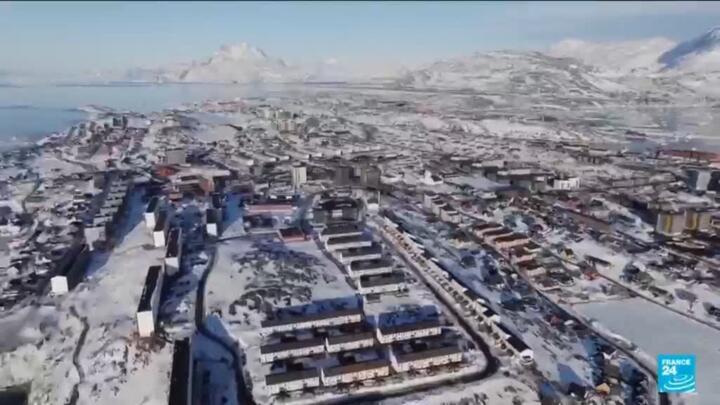
Greenland is the world’s largest island, positioned between North America and Europe, straddling critical air and sea routes. Though sparsely populated, its location grants immense strategic value. As climate change accelerates Arctic ice melt, Greenland’s importance has only increased.
The island sits atop significant reserves of rare earth minerals, essential for modern technologies such as electric vehicles, wind turbines, and advanced defense systems. It also hosts key military infrastructure, including a major US air base that plays a role in missile detection and Arctic surveillance. These factors have transformed Greenland from a remote territory into a focal point of global geopolitical interest.
The Historical Roots of US Interest in Greenland
American interest in Greenland is not new. As early as the 19th century, US officials considered acquiring the island, seeing it as a strategic extension of North American security. During the Cold War, Greenland’s location became even more critical, serving as a forward outpost during tensions between the United States and the Soviet Union.
In recent years, this interest resurfaced publicly when former US leadership floated the idea of purchasing Greenland, framing it as a strategic and economic opportunity. While the suggestion was quickly dismissed by Greenlandic and Danish authorities, it reignited international attention and underscored how the island’s geopolitical value had evolved.
Greenland’s Political Status and Path Toward Self-Determination

Greenland is an autonomous territory within the Kingdom of Denmark, governing most of its internal affairs while Denmark handles defense and foreign policy. Over the past decades, Greenland has steadily expanded its self-rule, reflecting a long-term aspiration toward full independence.
For Greenlandic leaders, sovereignty is not a symbolic concept but a practical pursuit. Decisions about land, resources, and international partnerships are deeply tied to cultural preservation and economic survival. The government’s rejection of any takeover aligns with a broader vision of self-determination rather than alignment with any single global power.
Why the Government’s Statement Was So Unequivocal
Diplomatic language often leaves room for interpretation, but Greenland’s message did not. By stating that a takeover would be rejected “under any circumstance,” officials eliminated ambiguity. The phrasing signaled that sovereignty was non-negotiable, regardless of economic incentives or strategic arguments.
This clarity serves multiple purposes. It reassures Greenland’s population, affirms the territory’s political maturity, and sends a message to global powers that engagement must occur through cooperation rather than acquisition. In an era of heightened geopolitical competition, such clarity is itself a strategic act.
The Arctic as a New Arena of Global Competition

As ice retreats, the Arctic is becoming increasingly accessible. New shipping lanes promise shorter routes between Asia, Europe, and North America. Natural resources once locked beneath ice are becoming viable targets for extraction. These changes have drawn attention from the United States, China, Russia, and European nations alike.
Greenland sits at the center of this transformation. Its geographic position makes it a gatekeeper of Arctic access, while its resources attract interest from energy and mining sectors. The government’s rejection of foreign takeover reflects concern that unchecked external influence could undermine long-term autonomy.
The Role of Climate Change in Greenland’s Rising Importance
Climate change has reshaped Greenland’s relevance faster than diplomacy alone could. Melting ice sheets are not only altering global sea levels but also exposing land and minerals previously inaccessible. This has intensified global interest in Greenland’s future.
For Greenlanders, climate change presents a paradox. It threatens traditional ways of life while simultaneously creating economic opportunities through new industries. The government’s stance suggests a desire to navigate this transition on its own terms, rather than becoming a strategic asset controlled by others.
Denmark’s Position and the Question of Responsibility
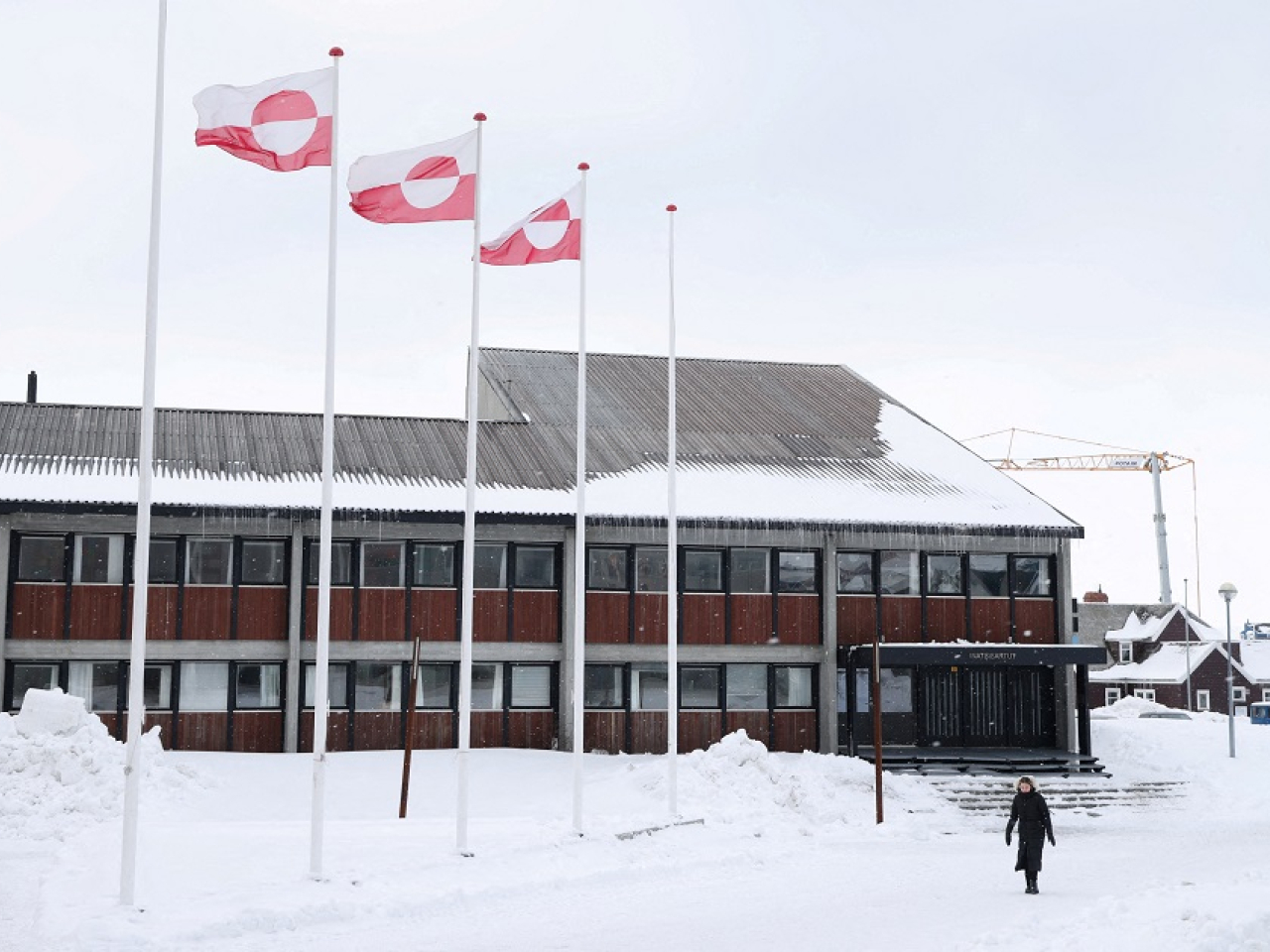
As Greenland’s sovereign partner, Denmark has consistently supported Greenland’s autonomy and rejected any notion of sale or transfer. Danish officials have emphasized that Greenland’s future must be decided by its people, not external actors.
This position reflects broader European concerns about maintaining stability in the Arctic. Denmark’s role is delicate, balancing alliance commitments with respect for Greenland’s growing political agency. The firm rejection of a takeover reinforces Denmark’s stance that sovereignty cannot be treated as a transaction.
Why Greenland’s Identity Is Central to the Debate
Beyond strategy and resources, the issue touches on identity. Greenland’s Inuit population has endured centuries of external control, cultural disruption, and political marginalization. Modern governance reflects a determination to preserve language, traditions, and social cohesion.
For many Greenlanders, the idea of being “acquired” by another nation evokes historical trauma. The government’s response can be seen as a declaration that Greenland is not merely territory, but a people with a distinct voice and future.
International Reactions and Diplomatic Implications
The statement was closely watched by allies and rivals alike. For the United States, it served as a reminder that strategic interests must align with local consent. For other global powers, it clarified that Greenland seeks partnerships rather than patronage.
Diplomatically, the rejection does not signal hostility. Greenland continues to engage internationally on trade, research, and security. However, it draws a firm boundary around sovereignty, shaping how future negotiations will unfold.
What This Means for US Strategy in the Arctic
The United States remains deeply invested in Arctic security, and Greenland continues to play a role in that framework. The rejection of a takeover does not diminish military cooperation or shared security interests. Instead, it underscores the need for respectful engagement grounded in partnership.
Future US involvement is likely to focus on collaboration rather than control, emphasizing research, infrastructure investment, and environmental monitoring. Greenland’s stance may encourage a more nuanced approach to Arctic diplomacy.
The Broader Implications for Small Nations and Territories
Greenland’s response resonates beyond the Arctic. It reflects a broader global trend in which smaller nations and territories assert agency amid great-power competition. As geopolitical pressures mount, clear declarations of sovereignty become tools of self-preservation.
For other regions facing similar attention due to resources or strategic location, Greenland’s stance offers a model of asserting autonomy without retreating from international engagement.
Why This Moment Matters for the Future of the Arctic
The Arctic is entering a period of transformation that will define global politics for decades. Decisions made now about governance, sovereignty, and cooperation will shape the region’s stability. Greenland’s firm rejection of a takeover establishes a precedent that influence must be earned, not assumed.
As climate change accelerates and interest intensifies, the balance between opportunity and exploitation will remain fragile. Greenland’s voice adds clarity to this debate, insisting that the people most affected must lead the conversation.
A Statement That Echoes Beyond Ice and Borders
Greenland’s rejection of any US takeover is more than a diplomatic soundbite. It is a declaration of political identity in an era when geography confers power and vulnerability at once. It reminds the world that sovereignty is not diminished by size or population, but strengthened by resolve.
As the Arctic opens and global attention intensifies, Greenland has chosen to speak plainly. In doing so, it has reshaped the narrative from one of acquisition to one of partnership, autonomy, and self-determined future—an approach likely to influence Arctic politics for years to come.