
Table of Contents
A Call for Change in Public Assistance
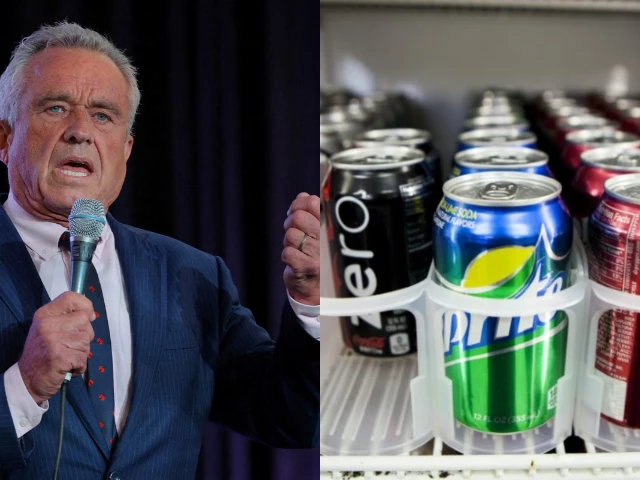
Kennedy’s proposal to restrict what SNAP beneficiaries can purchase has caught the attention of policymakers and health advocates alike. Kennedy, in an interview with Fox News, stated that the government should not be subsidizing unhealthy foods, referring to certain items available through SNAP as “poison.” He added that these foods contribute to widespread health issues like obesity and chronic diseases. The suggestion has sparked a broader conversation about the food choices available to low-income families and the government’s responsibility to help guide them towards healthier options.
The idea of restricting soda, candy, and other processed foods from the SNAP program is not new. Over the years, various lawmakers and advocacy groups have proposed similar restrictions, citing the growing public health crisis caused by poor dietary habits, especially among children. However, the issue remains contentious, with proponents of the change arguing for the need to curb taxpayer-funded subsidies for unhealthy foods, while opponents warn against restricting individuals’ autonomy and stigmatizing low-income families.
Support and Criticism from Both Sides
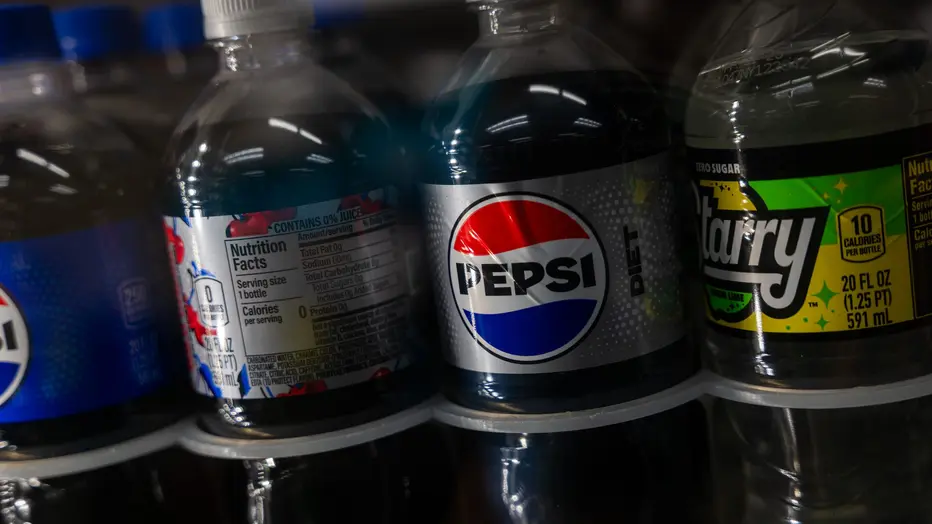
Supporters of the proposal argue that removing unhealthy options from the SNAP program could have significant public health benefits. With rising rates of obesity, diabetes, and other preventable health conditions, advocates believe it’s time to prioritize healthier food choices within the program. Proponents also emphasize that SNAP benefits should promote the purchase of nutritious foods such as fruits, vegetables, and whole grains, which could improve long-term health outcomes for millions of Americans.
On the other hand, critics of the proposal argue that banning specific foods from the program would unfairly limit low-income families’ access to food options and reduce their ability to make personal choices. Critics also point out that SNAP already has significant limitations, with recipients receiving an average benefit of only about $6 per day, which they use to purchase food essentials. Restricting what can be bought may be seen as punitive and counterproductive, especially since studies show that low-income families are no more likely than others to purchase unhealthy foods.
The Legal and Logistical Challenges
One of the biggest challenges to implementing this proposal is the legal and logistical hurdles that would need to be overcome. The SNAP program, governed by the USDA, is authorized by the federal Food and Nutrition Act of 2008. According to the Act, SNAP benefits can be used for any food product intended for human consumption, with a few exceptions such as alcohol and hot foods. To restrict the purchase of specific items like soda and candy, lawmakers would need to amend the law or grant states special waivers, a process that has been unsuccessful in the past.
Several states have attempted to introduce similar measures, including bans on sugary drinks and luxury items like steak, but these efforts have been rejected by the USDA. The agency has previously argued that setting food restrictions would be difficult to implement, potentially costly, and unlikely to change purchasing habits. Furthermore, they contend that such restrictions could exacerbate the stigma attached to receiving public assistance and diminish the dignity of SNAP recipients.
Implications for Public Health and Personal Freedom

The debate over food restrictions in SNAP is not just about government subsidies but also about the balance between public health and individual freedoms. Proponents of health-focused policies argue that the government has a responsibility to address the health crisis caused by poor nutrition, particularly among children. With obesity rates climbing, especially among low-income children, the argument for healthier foods in government-subsidized programs becomes more compelling.
However, critics argue that government intervention in food choices may undermine personal responsibility and autonomy. The question arises: should the government regulate what people can buy with their food stamps, or should individuals have the freedom to make their own choices, even if those choices have negative health consequences? These questions are at the heart of the debate and raise important issues about the role of the state in citizens’ everyday lives.
Opposition from Anti-Hunger Advocates
Anti-hunger organizations are particularly concerned about the proposal, warning that restricting food choices could further stigmatize those who rely on SNAP for support. Groups like the Food Research and Action Center (FRAC) argue that such policies would place undue pressure on low-income families and restrict their ability to access food they enjoy or find affordable. Advocates for the poor suggest that the focus should be on increasing access to nutritious foods and supporting families with education about healthy eating, rather than penalizing them for choosing less nutritious options.
According to Gina Plata-Nino from FRAC, proposals like the one from RFK Jr. would be a step backward in the fight against hunger. She argued that instead of restricting food choices, the government should focus on expanding the variety of healthy foods available to low-income families and ensuring that all families, regardless of income, can make nutritious choices.
Potential Impact on SNAP Beneficiaries
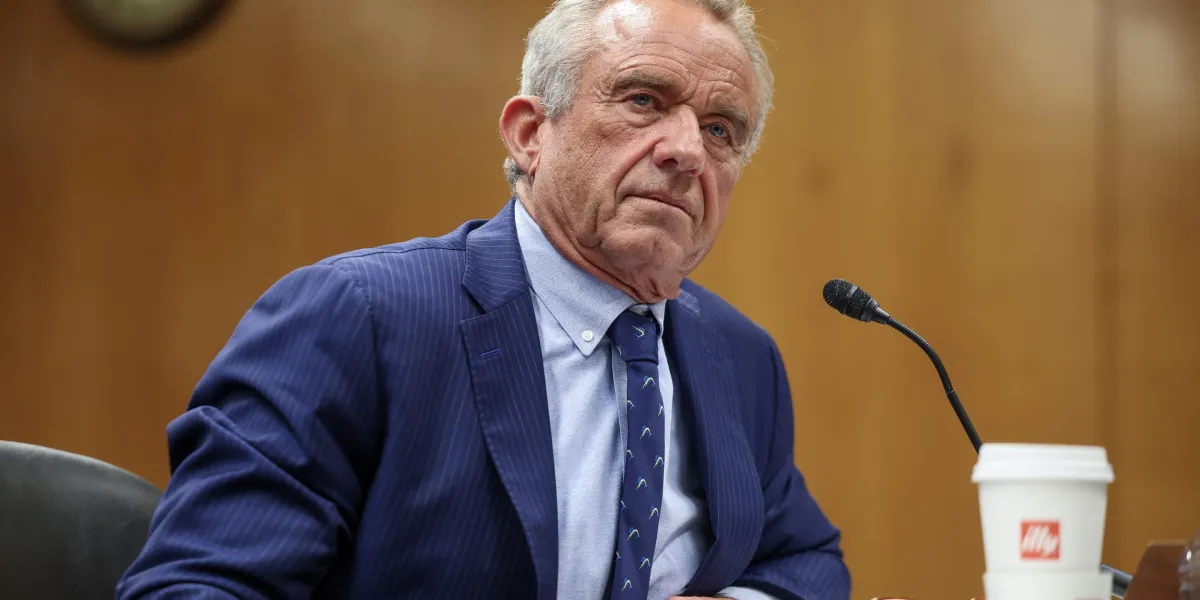
Many SNAP recipients use the program to buy basic necessities like meat, milk, and grains. For many, these benefits are stretched thin, and the ability to purchase affordable, processed snacks like chips or soda may be one of the few small luxuries they can afford. Martina, a recipient of SNAP benefits, mentioned that she uses her monthly $291 to buy essentials such as oil, meat, and milk but also buys small comfort foods. She noted that limiting what can be purchased with SNAP benefits would make it even harder to feed her family with the already limited resources available.
On the other hand, some lawmakers argue that eliminating soda and candy from the program would help curb the long-term costs associated with healthcare by reducing obesity rates and diet-related diseases. Representative Josh Breechan from Oklahoma, a supporter of the Healthy SNAP Act, explained that the aim is not to tell people what they can or cannot buy, but rather to ensure that taxpayer dollars are not used to subsidize foods that contribute to health problems.
The Future of SNAP and Healthier Food Policies
While the debate continues, the future of SNAP and its role in promoting healthy eating is still uncertain. Both supporters and critics agree that the program must evolve to address the changing needs of low-income families. With ongoing discussions in Congress and within the USDA, it remains to be seen whether or not food restrictions will be implemented.
As the conversation unfolds, one thing is clear: food policy is an essential part of the broader public health conversation in the U.S. Whether the focus is on restricting unhealthy foods or expanding access to healthy alternatives, the need for a more nutritious future for all Americans remains at the forefront.
Conclusion
RFK Jr.’s proposal to remove candy and soda from the SNAP program is part of a larger conversation about public health, food policy, and government intervention. While supporters believe that such measures are necessary to combat obesity and other health issues, opponents warn that they could hurt low-income families and stigmatize those who rely on public assistance. As the debate continues, policymakers must weigh the benefits and drawbacks of restricting food choices and find a balanced solution that promotes healthier living without infringing on personal freedoms.