

Table of Contents
Why NASA’s Artemis II Mission is a Game Changer
NASA’s Artemis II mission is part of the Artemis program, which aims to land “the first woman and the next man” on the lunar surface by the mid-2020s. Unlike previous missions, this mission will involve astronauts aboard the Orion spacecraft, which is designed to take astronauts beyond Earth’s orbit and into deep space. This is the first step in NASA’s ambitious plan to return to the Moon, using modern technology and innovations that have evolved over the last five decades.
The Artemis program not only seeks to return humans to the Moon but also aims to create a sustainable and lasting presence there. The knowledge gained from this program will be instrumental in NASA’s long-term goal: sending astronauts to Mars. The launch of Artemis II will be a significant achievement, not only for the U.S. but for global space exploration as a whole.
A Leap Forward
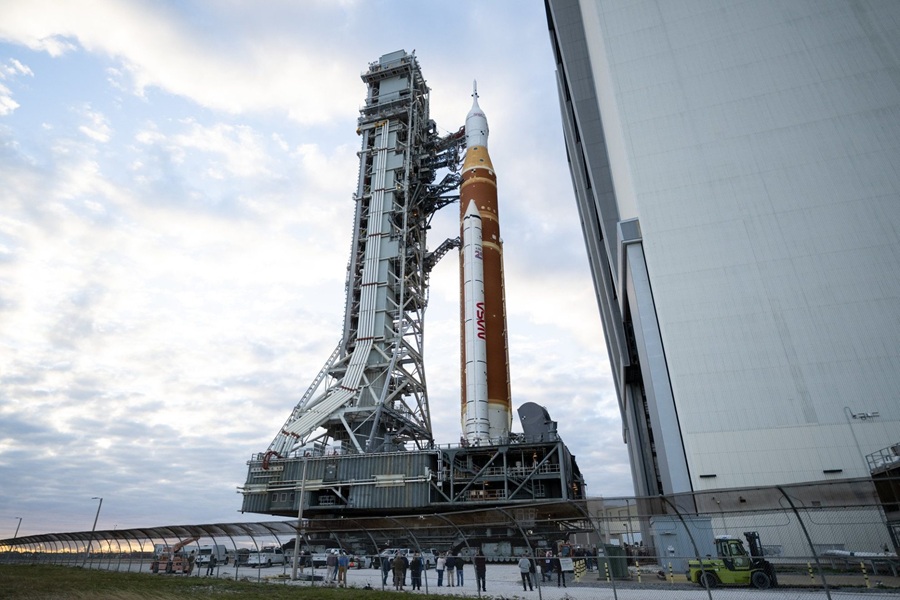
One of the most exciting aspects of the Artemis II mission is the cutting-edge technologies that will be utilized. The Orion spacecraft is equipped with advanced life-support systems, navigation, and communication technologies that will be essential for deep space missions. These systems are designed to ensure the safety and well-being of astronauts during their long journey to the Moon and back.
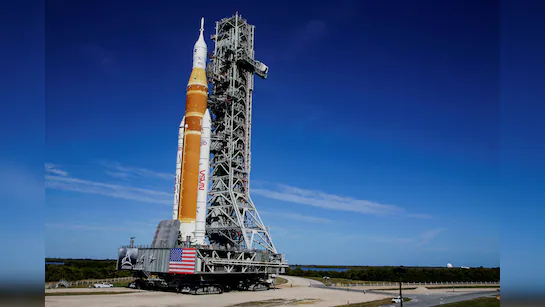
Additionally, the Space Launch System (SLS), a heavy-lift rocket developed by NASA, will be responsible for sending the Orion spacecraft into orbit. The SLS is the most powerful rocket NASA has ever built and will play a crucial role in the Artemis program’s success. This combination of the SLS rocket and the Orion spacecraft is set to make Artemis II one of the most advanced space missions ever undertaken.
The Road to the Moon
NASA’s decision to return to the Moon is deeply rooted in the success of the Apollo missions, which saw the first humans land on the lunar surface in 1969. Apollo 11, the mission that brought Neil Armstrong and Buzz Aldrin to the Moon, remains one of humanity’s greatest achievements. However, after the last Apollo mission in 1972, the U.S. turned its focus to other space projects, including the Space Shuttle program and the International Space Station.
The Artemis program is an acknowledgment of the Apollo missions’ historical significance, while also incorporating the lessons learned over the past half-century. NASA’s renewed interest in the Moon is driven by the desire to establish a sustainable presence there, as well as the potential to harness the Moon’s resources for future space exploration. These efforts will lay the groundwork for missions to Mars and other distant destinations.
Sustainability on the Moon
While Artemis II is just the beginning, NASA has a long-term vision for establishing a sustainable human presence on the Moon. The Moon, as a proving ground for future exploration, offers unique opportunities for scientists and astronauts to test new technologies and conduct experiments in a real-world, off-Earth environment. NASA envisions using the Moon as a stepping stone for missions to Mars, with the goal of creating a self-sustaining colony on another planet.
In addition to its scientific goals, Artemis aims to foster international collaboration. NASA has invited space agencies from around the world to participate in the Artemis program, including the European Space Agency (ESA), the Canadian Space Agency (CSA), and the Japan Aerospace Exploration Agency (JAXA). These collaborations will help to advance the mission’s objectives and create a global partnership in space exploration.
The Artemis II Mission
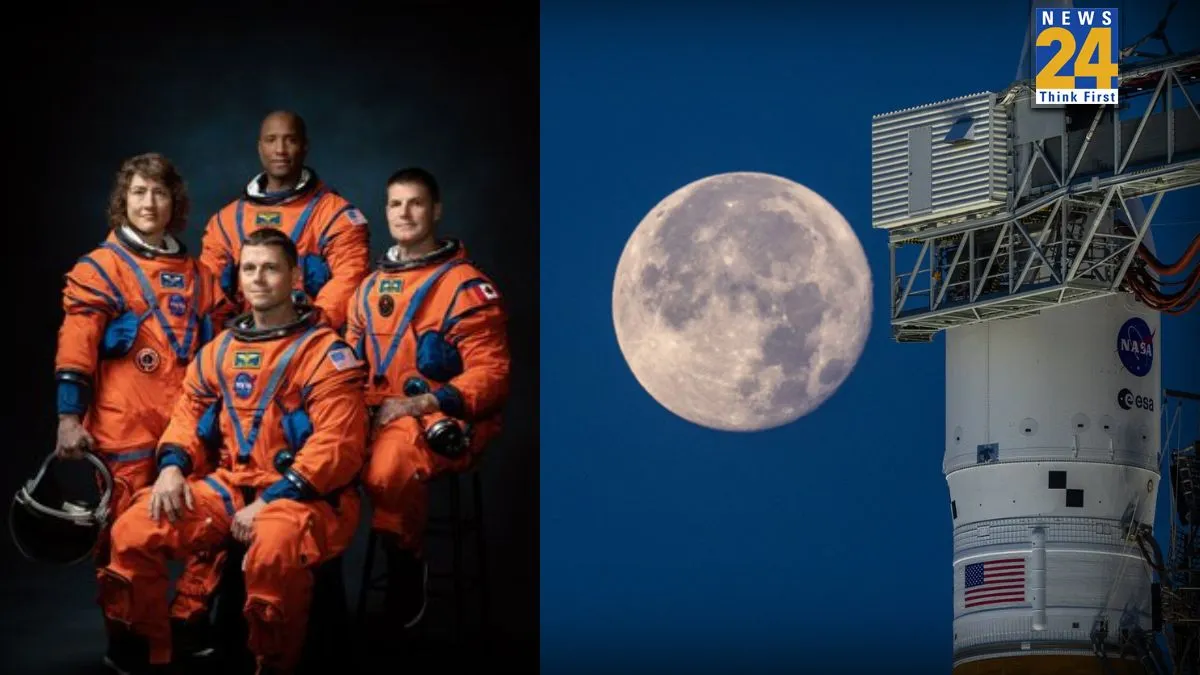
The Artemis II mission will be a highly complex and ambitious undertaking. The mission will launch with four astronauts aboard the Orion spacecraft, which will orbit the Moon before returning to Earth. The astronauts will conduct critical tests of the spacecraft’s systems and technology, ensuring that everything is functioning properly ahead of the first crewed lunar landing, which is expected to occur in later Artemis missions.
NASA has also highlighted the importance of sending astronauts to the Moon to prepare for future missions to Mars. The data and experiences gained from Artemis II will play a key role in NASA’s ability to send humans to Mars in the 2030s. By testing key technologies on the Moon, such as life-support systems, radiation shielding, and long-duration spaceflight protocols, NASA will be better equipped to tackle the challenges of sending humans to Mars and beyond.
Challenges in the Road to Lunar Exploration
While the Artemis program represents a major step forward, the journey to the Moon is not without its challenges. Space exploration is inherently risky, and NASA must overcome a number of technological, financial, and logistical hurdles before it can achieve its goals. One of the primary concerns is ensuring the safety of astronauts during deep space missions, which are far more complex than those conducted in low Earth orbit.
The distance to the Moon presents challenges in terms of communication, navigation, and radiation exposure. Furthermore, NASA must ensure that the Artemis missions are economically viable and sustainable in the long term. This includes securing funding, developing international partnerships, and building infrastructure that can support the long-term goals of the Artemis program.
Global Interest in the Artemis Program
The Artemis program has garnered significant interest from around the world. Spacefaring nations are eager to contribute to NASA’s goals and share in the excitement of returning to the Moon. The involvement of international partners, such as the ESA and JAXA, demonstrates the global desire for collaboration in space exploration. These partnerships also highlight the importance of space exploration as a unifying endeavor that can bring nations together for the common good.
A Historic Launch
The launch of Artemis II will be a historic moment for space exploration, marking the beginning of a new era of human exploration beyond Earth’s orbit. While the mission will be a test of NASA’s capabilities, it will also be a symbol of the progress humanity has made in space exploration. The road to Mars is long, but with Artemis II and future missions, NASA is setting the stage for humanity’s next great adventure.
Conclusion
NASA’s Artemis II mission represents a pivotal moment in the history of space exploration. It marks the beginning of humanity’s return to the Moon and sets the stage for future missions to Mars and beyond. As the world watches this historic mission unfold, it is clear that space exploration will continue to inspire and unite people across the globe. The Artemis program is more than just a mission to the Moon; it is a stepping stone toward the future of human space exploration.