
Table of Contents
The Rise of Anti-Satanic Rhetoric
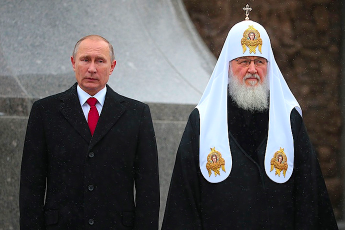
The rhetoric of “de-Satanization” reached new heights in 2022, as Russia sought to rationalize its invasion of Ukraine. In a meeting at the World Russian People’s Council, Patriarch Kirill echoed President Putin’s claims, suggesting that the conflict was not only geopolitical but also spiritual. Kirill labeled the West as “Satanic,” portraying Putin as the world’s “chief exorcist.” This apocalyptic framing, drawing upon deeply rooted Orthodox Christian beliefs about the forces of good and evil, portrays the war as not just a territorial dispute but a cosmic struggle for humanity’s soul.
On the same day, Russian Security Council officials discussed the need for “de-Satanization” of Ukraine. This involved the portrayal of Ukrainians as not just political adversaries but as participants in a dangerous occult culture, described as “cooked in a witch’s cauldron.” Such invocations of Satanic influences were intended to rally support for the war and frame the conflict as part of a global civilizational clash.
The Historical Context
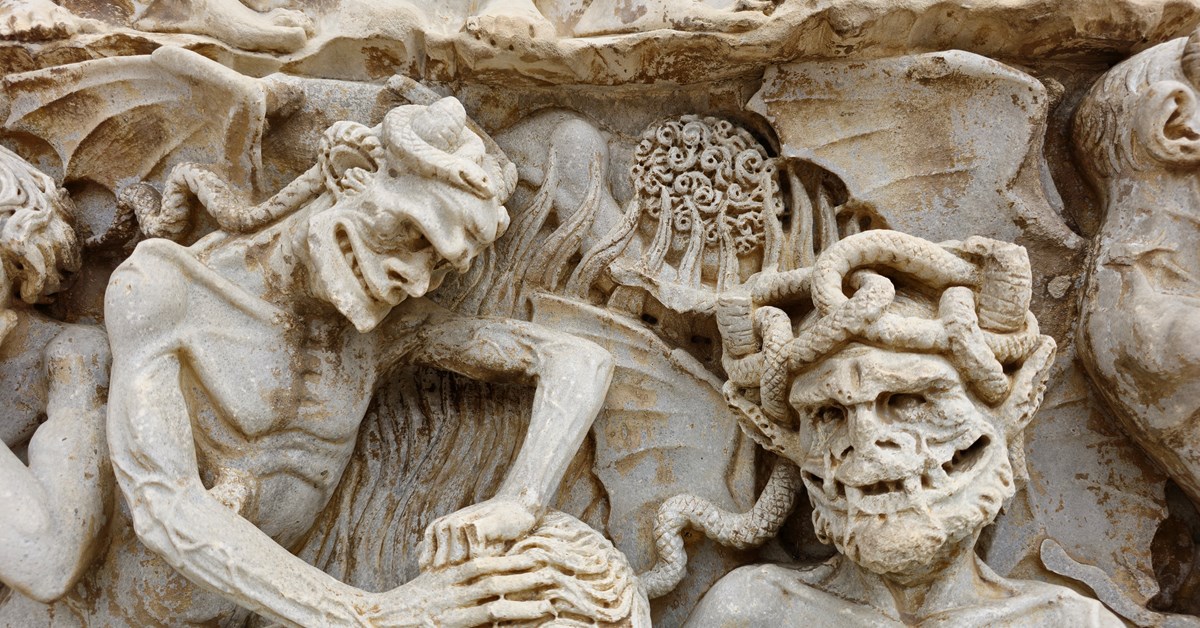
This rhetoric is not entirely new. Throughout Russian history, Satan and the devil were key figures in the cultural and religious imagination, particularly during periods of witchcraft trials. However, unlike in Catholic and Protestant Europe, where witchcraft was often directly associated with Satanic pacts, Russian witchcraft trials did not center on the idea of witches as Satan worshippers. Instead, the Russian Orthodox Church’s focus was on the moral corruption and social danger posed by witches and sorcerers, rather than their direct allegiance to the Devil.
Historically, Russian witch trials were less widespread and deadly than those in Western Europe, and Satanic pacts were not central to the accusations. Yet, in modern Russia, the invocation of Satanism and the association of witchcraft with evil forces now serve as powerful tools in framing the Ukrainian conflict. This shift reflects the revival of apocalyptic and messianic thinking that once seemed to have faded in the post-enlightenment era.
Satanism as a Political Tool
The use of Satanism as a political tool by Russian leaders highlights the growing appeal of apocalyptic rhetoric in justifying military aggression. Just as the term “de-Nazification” was used to justify Russian actions in Ukraine, the call for de-Satanization taps into similar fears of ideological and cultural contamination. The rhetorical strategy casts the enemy as a monolithic evil, with whom reconciliation is impossible. This makes the war not just a territorial dispute but an existential battle for the future of humanity.
In the same vein, the language of “de-Satanization” reflects a deeper cultural war, where Russia is positioned as the defender of traditional Orthodox values, while Ukraine is painted as an agent of Western decay and moral corruption. This framing ties into the larger narrative of Russian exceptionalism, positioning the country as a bastion against global liberalism and perceived moral decline.
The Role of Patriarch Kirill and the Russian Orthodox Church
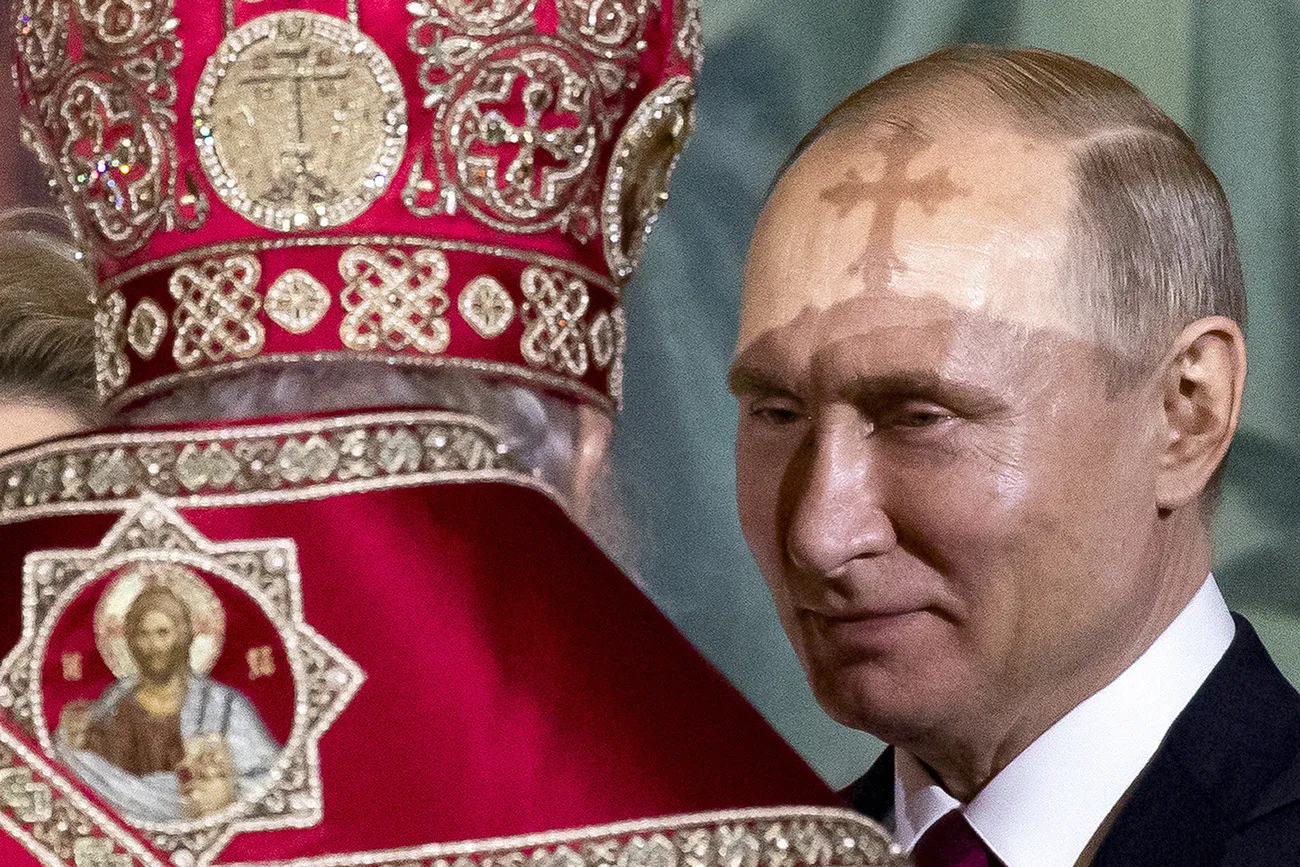
Patriarch Kirill’s remarks about Putin as the “chief exorcist” are significant, as they reflect the growing entanglement of religion and politics in Russia. The Russian Orthodox Church has long been a symbol of national identity and a defender of traditional Russian values. However, under Kirill’s leadership, the Church has increasingly aligned itself with the Kremlin’s political agenda, especially during Putin’s tenure.
By portraying the war as a spiritual battle against Satanic forces, Kirill and other religious leaders have helped to legitimize the conflict and garner support for the Russian government. The close relationship between the Russian state and the Orthodox Church is pivotal in understanding how the rhetoric of Satanism has been weaponized to rally both religious and nationalist sentiment in Russia.
Comparing Russian Rhetoric with Western Conspiracy Theories
The embrace of Satanic imagery by Russian officials mirrors similar conspiracy-driven rhetoric seen in other parts of the world, particularly in the United States. In recent years, far-right groups, such as those associated with QAnon, have adopted the language of “fighting Satanism” as part of their broader political agenda. This convergence of political and religious rhetoric is not accidental. It underscores how apocalyptic thinking and the language of existential struggle are used to justify violence and extreme measures.
In the Russian context, the association of Satanism with Western liberal values—especially LGBT rights and gender equality—serves as a means of framing the war in moral terms. Putin’s administration has used the rhetoric of “protecting traditional values” to rally domestic support, casting the war as a defense of Russian orthodoxy against the perceived moral decay of the West.
Satanism and Russian Nationalism
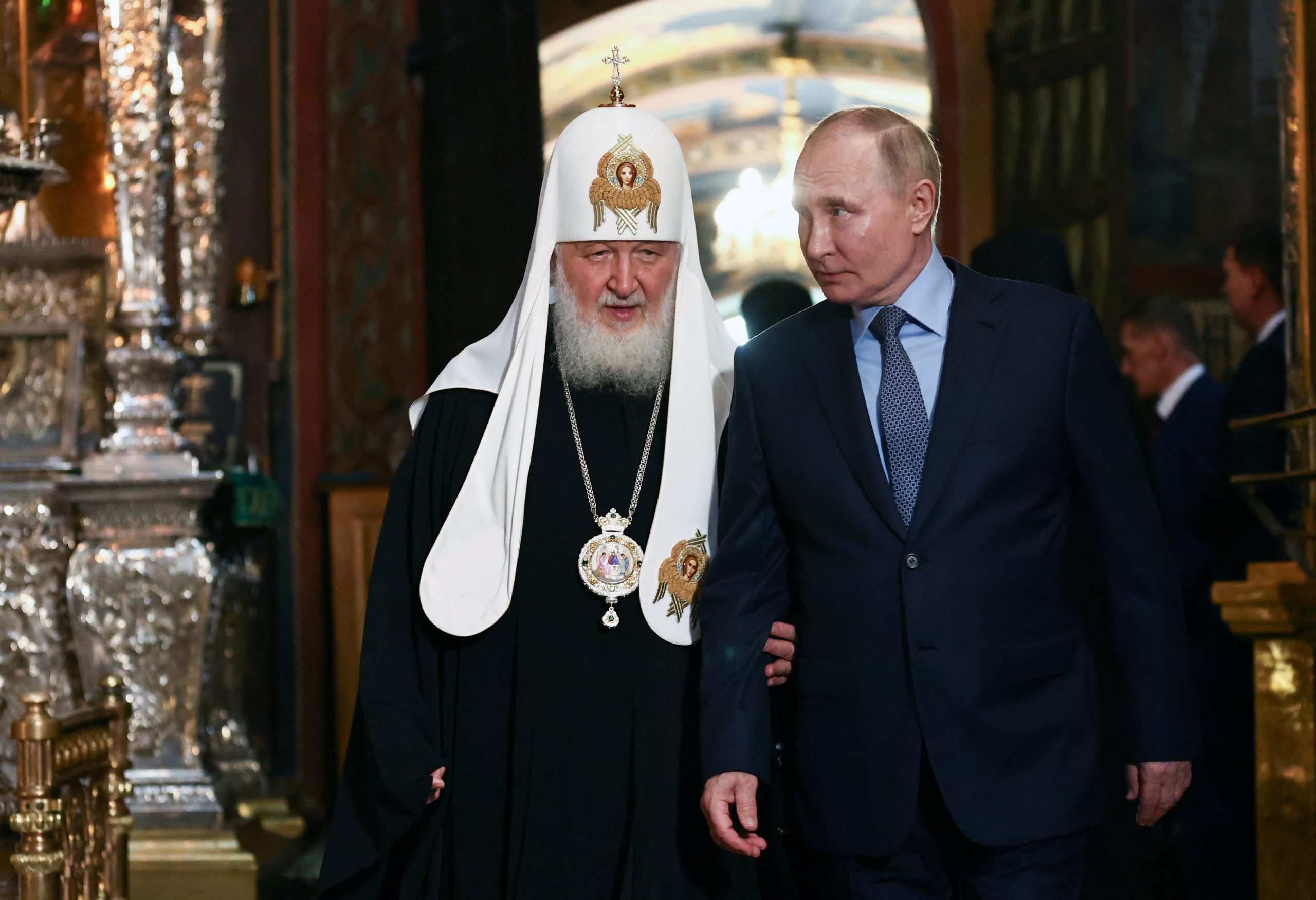
The de-Satanization rhetoric ties directly into a larger narrative of Russian nationalism, where the country is portrayed as the last bastion against Western hegemony. This narrative of a civilizational struggle is not unique to Russia; similar rhetoric has been employed by other authoritarian regimes as a means of consolidating power and justifying military action. By casting the war as a defense of Russian identity and values, Putin has positioned himself as a leader who is defending not just a country, but a worldview.
This framing also elevates the conflict beyond a political or military struggle, casting it in terms of an inevitable clash of civilizations. Such rhetoric makes any compromise or negotiation appear futile, as the stakes are framed as nothing less than the survival of the Russian way of life. The focus on Satanism serves to crystallize the ideological divide between Russia and the West, reinforcing the idea that the two sides are locked in an irreconcilable battle.
Witchcraft and Satanism
The focus on Satanism in contemporary Russian rhetoric is paradoxical, as it contrasts sharply with the more secularized worldview that emerged in Russia after the Enlightenment. Yet, as Russia’s political climate has shifted toward nationalism and religious revivalism, so too has its rhetoric. The historical connection between witchcraft and Satanism, while not central to Russian witch trials, has resurfaced in the rhetoric of modern Russian officials.
This resurgence of Satanic fears is not merely a throwback to medieval times but is part of a broader strategy of creating a cohesive national identity based on religious and moral values. This strategy mirrors other historical moments in Russia, where the state has sought to harness the power of religion to unite the people under a single banner.
Conclusion
As the war in Ukraine continues, it is difficult to predict how the rhetoric of de-Satanization will evolve. What is clear, however, is that it is a potent tool for justifying extreme measures and framing the conflict as an existential struggle. By invoking Satanism, Russian leaders are able to tap into deep fears about the future of the nation and the world. This rhetoric not only serves to galvanize domestic support but also casts the war in terms of a cosmic battle between good and evil.
In the future, this apocalyptic framing may continue to shape Russia’s foreign policy and its relationships with the West. The rhetoric of Satanism, once thought to be a relic of the past, is now an essential part of Russia’s modern political discourse, revealing the enduring power of religious and moral language in shaping global conflicts.