
Table of Contents
The Initial Hopes and High Expectations
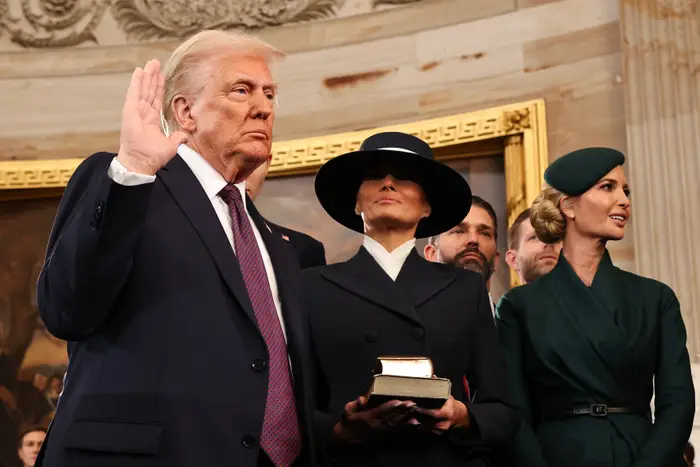
When Donald Trump assumed office on January 20, 2017, many Americans were optimistic. For Trump voters, he represented a break from the political establishment, a candidate who promised to drain the swamp and deliver on long-overdue promises. His slogan, “Make America Great Again,” resonated with millions of Americans who felt left behind by traditional politics, eager for a president who would challenge the status quo.
Trump’s promises to bring jobs back, dismantle the Affordable Care Act, and address illegal immigration excited his supporters, many of whom were dissatisfied with the political establishment’s failure to solve these issues. For them, Trump was a figure who embodied a new approach to governance—one that was unfiltered, unapologetic, and willing to take bold action. He captured the imagination of voters tired of political gridlock and the sense that their concerns had been ignored for too long.
The Turning Point
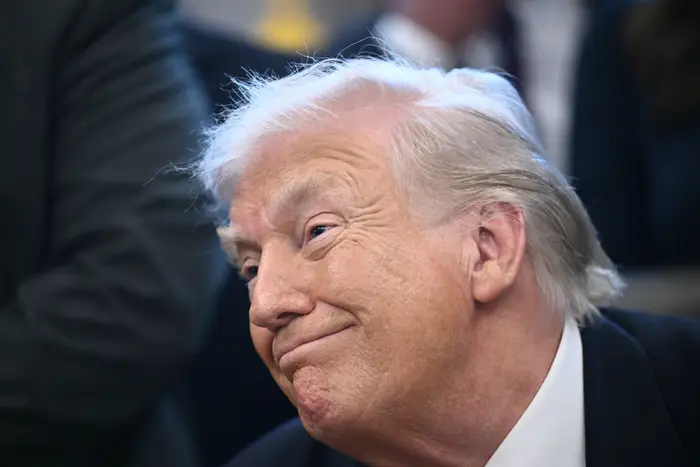
As Trump’s first year in office unfolded, some of his voters began to experience doubts. The initial excitement faded, replaced by frustration with the administration’s erratic decision-making, divisive rhetoric, and lack of progress on key promises. The promised “American jobs” didn’t materialize as expected, and the repeal of Obamacare faced major roadblocks. Meanwhile, Trump’s conduct in office often seemed at odds with the qualities many voters had hoped for in a president, leading some to question their original choice.
For many, the unraveling of Trump’s promises became especially clear when his administration failed to deliver the expected results in areas like healthcare and tax reform. The contentious fight over the repeal of the Affordable Care Act, combined with the ongoing debate over the tax reform package, left many voters feeling disillusioned. Additionally, Trump’s inflammatory rhetoric—particularly regarding race relations, immigration, and his response to the Charlottesville violence—alienated some of his most loyal supporters, who began to rethink their allegiance.
Voters Get Brutally Honest About Their Regrets
By the time Trump marked his one-year anniversary in office, the cracks were showing. A significant number of voters who had supported him in 2016 started to speak up about their regret. These individuals, many of whom had once believed in Trump’s promises, now found themselves disillusioned by his policies and behavior.
One former Trump voter from Michigan, who had supported him largely because of his promises to improve the economy, admitted, “I thought he was going to do something about the jobs in our area, but all I’ve seen is more division and confusion. I don’t stand by my choice anymore.” This sentiment was echoed by many across the country, especially in the Rust Belt states where Trump’s appeal had been strongest. For some, the realization that Trump’s promises had not been fulfilled led to a deep sense of regret, as they began to acknowledge that they had made a mistake.
Another former supporter from Pennsylvania stated, “I voted for Trump because I thought he would fix things, but now I see that he’s only made things worse. I regret it, and I’m not sure who I’ll vote for next time.” This shift in perspective was not just about policy failures—it was about the broader cultural and social implications of Trump’s presidency. For many, the rise of divisive language, the erosion of democratic norms, and the constant controversy around Trump’s behavior were deal-breakers they hadn’t anticipated when they cast their ballots.
The Impact of Trump’s Rhetoric on His Supporters
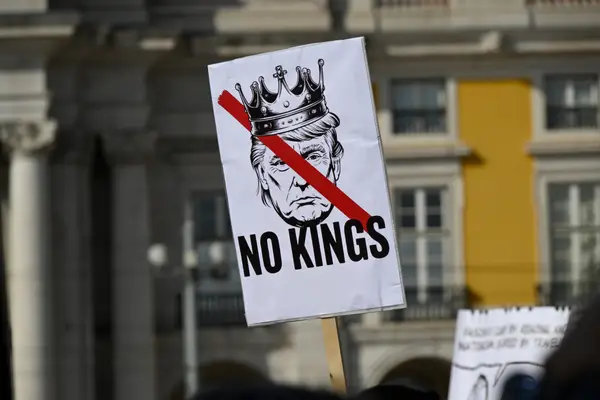
A key factor contributing to the regret of many Trump voters was his divisive rhetoric. While Trump’s blunt, populist style had initially attracted supporters, the sustained barrage of inflammatory comments and behavior began to alienate those who had voted for him with hopes of seeing a more stable and responsible president. His comments on immigration, race, and women, combined with his responses to national crises, left many voters questioning whether he was truly the leader they had imagined.
One of the most stark moments for many was Trump’s handling of the Charlottesville rally in 2017, where his response to white supremacist violence was widely condemned. For some former supporters, this was the moment that solidified their regret. “I didn’t vote for a racist president,” said one woman from Ohio. “His reaction to Charlottesville was a turning point for me. I couldn’t support him after that.”
Moreover, Trump’s ongoing attacks on the media, his disregard for established norms, and his tendency to sow division among Americans were seen by some voters as a betrayal of the values they thought he represented. What began as a hopeful desire for change quickly turned into a recognition that Trump was not the unifying figure they had hoped for.
The Role of the 2020 Election and the Shift in Voting Behavior
As the 2020 election approached, many of the voters who had expressed regret over their 2016 vote were faced with a difficult decision. Would they continue to support Trump, or would they switch their allegiance? This question was particularly important in battleground states, where every vote mattered. In the end, many of these former Trump supporters chose to vote for Joe Biden, hoping for a return to normalcy and civility in the White House.
Polling data reflected this shift, with a significant percentage of 2016 Trump voters stating they would either not vote for him again or would vote for Biden. According to exit polls from the 2020 election, around 10% of 2016 Trump voters shifted their support to Biden, reflecting a growing disillusionment with Trump’s leadership and his impact on the country.
Looking to the Future
As the nation looks forward to the 2024 election, the regrets of former Trump voters will likely continue to shape the political landscape. While many of these individuals have turned away from Trump, there is also a growing movement within the Republican Party to return to a more traditional conservative approach, one that prioritizes policy over personality. Whether Trump can regain the support of these voters or whether the Republican Party will move in a new direction remains to be seen.
For now, the legacy of Trump’s presidency is marked by both deep divisions and shifting allegiances. The regrets of his former supporters serve as a reminder of the power of presidential leadership—and the profound impact it has on voters, both in terms of policy outcomes and cultural consequences.
Conclusion
One year after Trump’s inauguration, it is clear that his presidency has left a lasting impression on the American electorate. For many of his former supporters, that impression is one of regret. The promises of economic growth and political reform have been overshadowed by a turbulent and divisive tenure that has left many voters questioning their choices.
As the country moves forward, the lessons learned from the regrets of former Trump voters will play a critical role in shaping the political future of the United States. What remains to be seen is whether these regrets will lead to a broader political shift or whether the divisions that marked Trump’s presidency will continue to define the nation in the years to come.