
Table of Contents
A Longstanding Geopolitical Interest
Greenland’s significance has grown dramatically in the 21st century due to its location in the Arctic and its potential as a key player in the global struggle for dominance over the region’s resources. The island’s vast mineral reserves, including rare earth elements and untapped oil and gas deposits, have made it an attractive target for foreign powers, particularly as the Arctic ice melts and new shipping routes open.
Donald Trump’s interest in Greenland dates back to 2019, when he made headlines with his public attempt to buy the island from Denmark. While the proposal was dismissed by Denmark’s leadership as “absurd,” the incident highlighted the increasing importance of Greenland in global geopolitics. Trump’s comments and the subsequent diplomatic fallout only served to underline the island’s strategic value, not only as a potential economic resource but also as a critical military asset for the U.S.
The U.S. has long maintained military bases in Greenland, most notably Thule Air Base, which serves as a strategic outpost for monitoring missile threats from both Russia and China. This base is vital to U.S. military operations, and its presence in Greenland is seen as a symbol of American dominance in the Arctic region. However, Trump’s remarks and his administration’s interest in expanding U.S. influence in the region have prompted Denmark to reconsider its defense posture.
Denmark’s Response
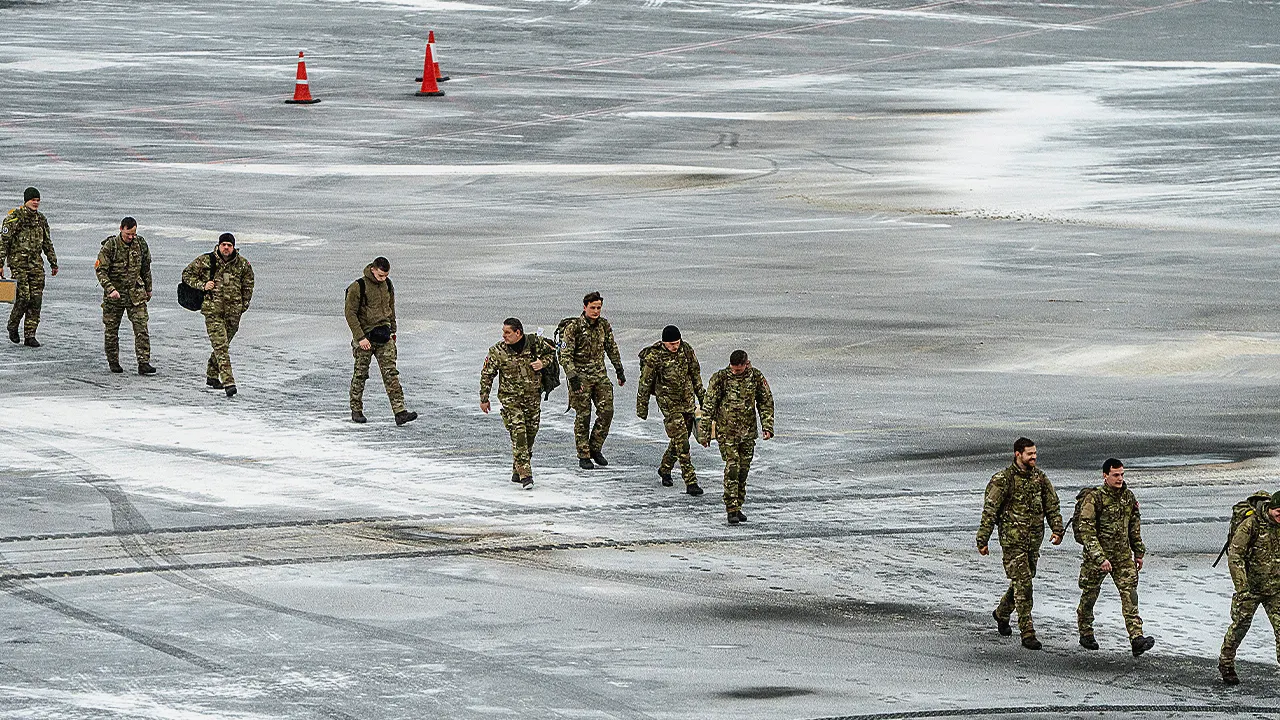
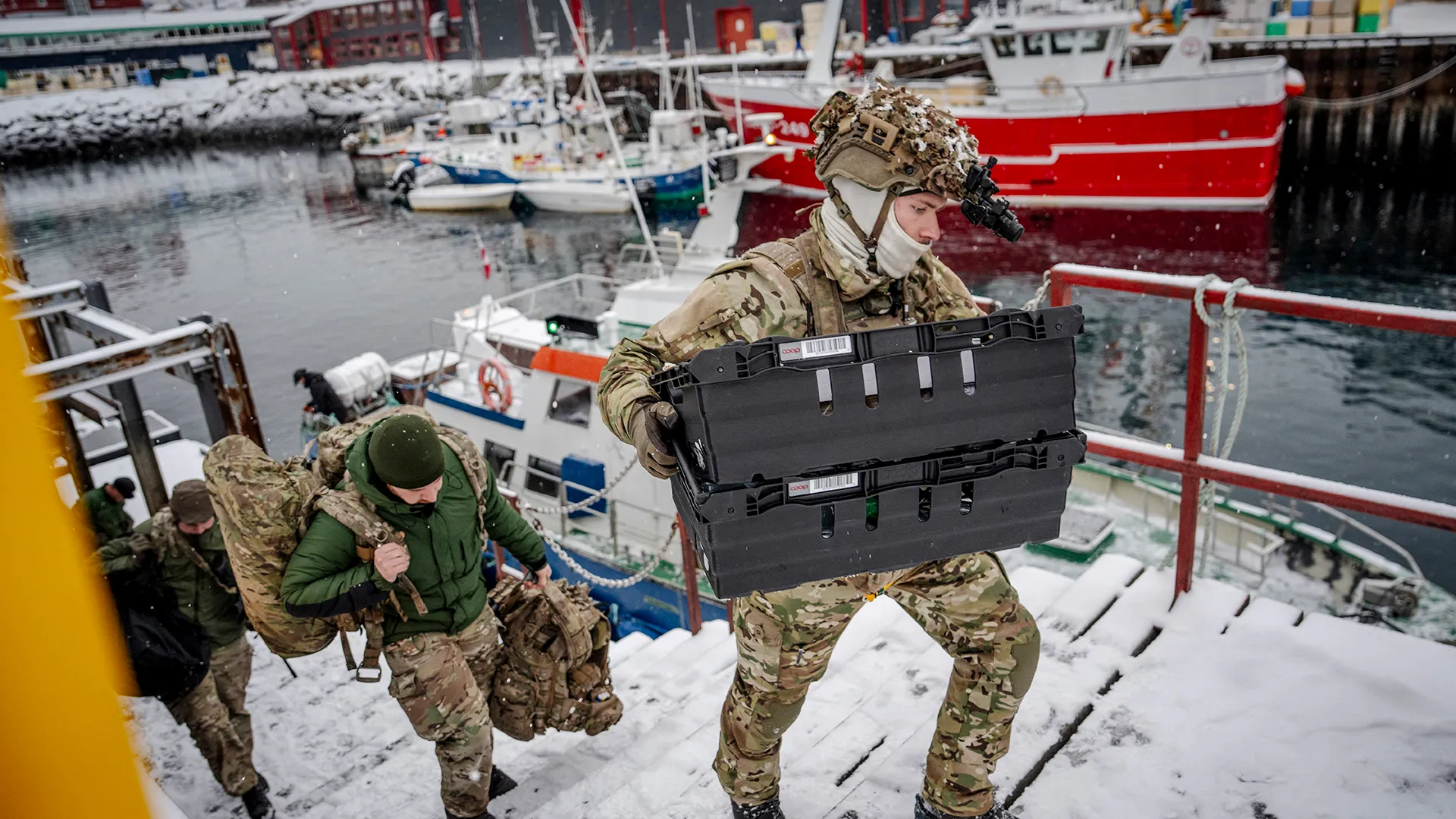
In light of growing tensions, Denmark has begun to ramp up its military presence in Greenland, increasing its defense spending and enhancing its Arctic security measures. The Danish government has confirmed plans to bolster its military infrastructure on the island, including upgrading radar systems, expanding air and naval capabilities, and enhancing the island’s ability to defend itself against potential foreign incursions.
Greenland’s strategic importance cannot be overstated, and Denmark’s efforts to fortify its defenses are a clear response to the U.S. military’s growing interest in the region. The Danish government has made it clear that it intends to retain control of the island, asserting its sovereignty over the territory despite external pressures. For Denmark, Greenland is not only a resource-rich territory but also an integral part of the Kingdom of Denmark, and it is committed to defending it against any foreign claims or actions.
Denmark’s decision to increase its military presence in Greenland reflects a broader trend of increasing competition over Arctic resources. As climate change accelerates the melting of ice in the Arctic, new shipping routes and resource extraction opportunities are opening up, drawing attention from countries like Russia, China, and the U.S. Denmark is seeking to protect its interests in this rapidly changing geopolitical environment.
The Growing Role of the U.S. and Trump’s Influence on Greenland
Trump’s focus on Greenland has had long-lasting effects on U.S.-Denmark relations, with the former president’s actions causing a strain in diplomatic ties. While Denmark’s leadership rejected Trump’s offer to purchase the island, his repeated references to Greenland and his administration’s interest in increasing U.S. military presence there have left a lasting impact. Although Biden’s administration has not taken a similarly aggressive stance toward Greenland, the legacy of Trump’s foreign policy continues to shape American attitudes toward the territory.
Trump’s approach to foreign policy, characterized by his “America First” rhetoric and his willingness to engage in bold geopolitical moves, has led to concerns that any future U.S. president might continue to pursue aggressive tactics in the Arctic. For Denmark, this uncertainty has prompted it to strengthen its defenses and ensure that Greenland remains firmly under Danish control, especially as global powers seek to extend their influence in the region.
The Role of the Arctic in Global Geopolitics
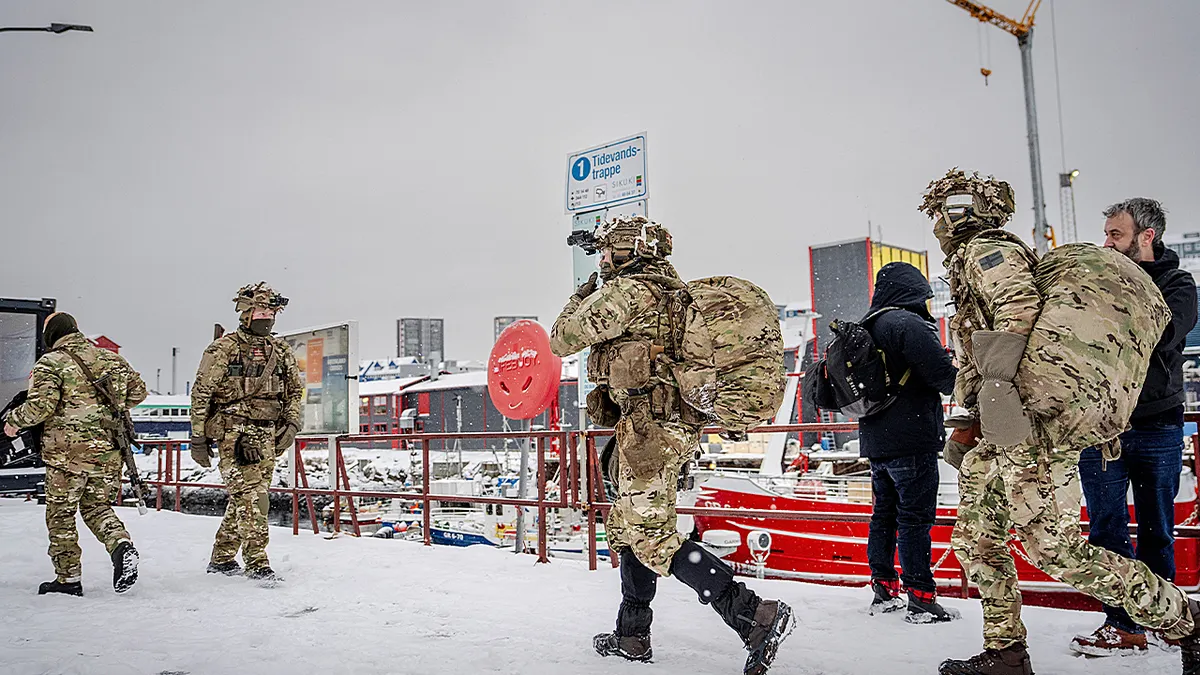
As the Arctic becomes more accessible due to climate change, countries like Russia and China are also turning their attention to the region. Russia has long had a military presence in the Arctic, using its location to project power and assert its dominance over vital sea routes and resources. Meanwhile, China has expressed growing interest in the region, citing the potential for trade routes and resource extraction.
For Denmark, these developments add another layer of complexity to its defense strategy. The increased competition in the Arctic requires Denmark to not only consider its relationship with the U.S. but also manage the strategic interests of Russia and China in the region. This geopolitical landscape has made it clear that Greenland’s role in global affairs is becoming increasingly vital, and Denmark’s military buildup is a response to the growing external pressure.
The Growing Tensions
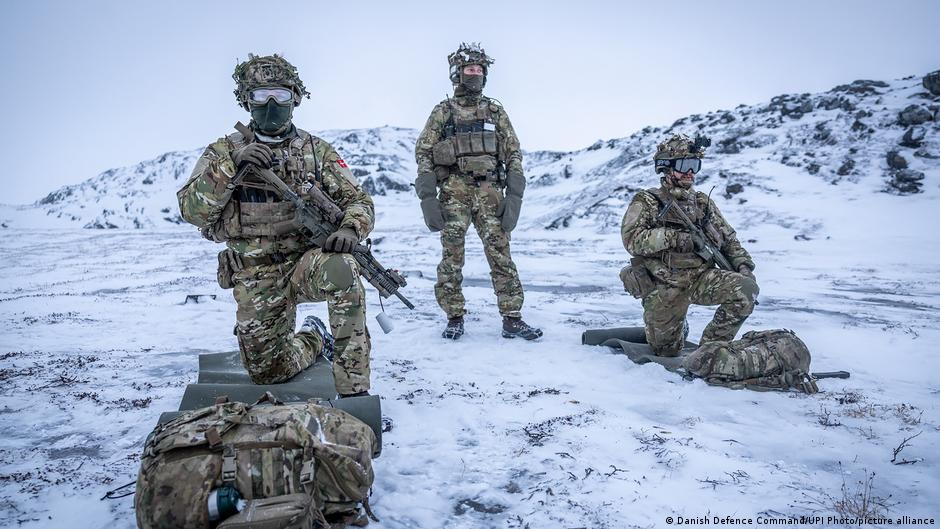
Denmark’s decision to fortify its defenses in Greenland is a direct response to both the growing U.S. military presence and the emerging threats posed by other global powers. The Arctic, once seen as a remote and sparsely populated region, has become a geopolitical hotspot as nations vie for control of new trade routes and untapped resources. As these tensions escalate, Denmark is focusing on ensuring its sovereignty over Greenland while maintaining a delicate balance with its NATO allies, including the U.S.
For many in Denmark, the strategic importance of Greenland is paramount. The island’s resources and its position as a critical outpost in the Arctic make it a valuable asset for Denmark and the broader Western alliance. Denmark’s military response is a clear signal to the world that it intends to maintain control over the territory and prevent any foreign incursions.
Denmark and Greenland
Looking ahead, the future of Greenland’s relationship with Denmark and the broader international community remains uncertain. As global powers like the U.S., Russia, and China continue to eye the Arctic, Denmark’s position on Greenland will be crucial in shaping the region’s future. The increased military presence in Greenland is likely to be just the beginning of a broader effort to protect Danish interests in the region, with Denmark seeking to maintain its influence over the island amid growing external pressures.
At the same time, Denmark will need to navigate its relationships with both NATO allies and other Arctic powers. The complex geopolitics of the Arctic region require careful diplomacy and strategic foresight, and Denmark’s role in shaping the future of Greenland will be critical in determining the balance of power in the region.
Conclusion
Denmark’s decision to ramp up its defenses in Greenland is a reflection of the changing dynamics in the Arctic and the broader global security environment. As nations compete for control over vital resources and strategic positions in the region, Greenland has become a focal point of international interest. For Denmark, maintaining control over the island is a matter of national security and sovereignty, and its decision to strengthen its military presence is a necessary step in securing its interests.
The shifting power dynamics in the Arctic will continue to shape global geopolitics in the coming decades. Denmark’s role in safeguarding Greenland’s security will be crucial in ensuring that the island remains an integral part of the Kingdom of Denmark, while also playing a key role in the larger strategic framework of the Arctic.