
Table of Contents
- How the Baby Elephant Tried to Hide
- Elephant Intelligence
- The Social Nature of Elephants
- The Connection Between Animal Behavior and Developmental Stages
- The Role of Observation in Animal Learning
- The Emotional Depth of Elephants
- Elephants and Human Interaction
- Implications for Elephant Conservation
- Conclusion
How the Baby Elephant Tried to Hide
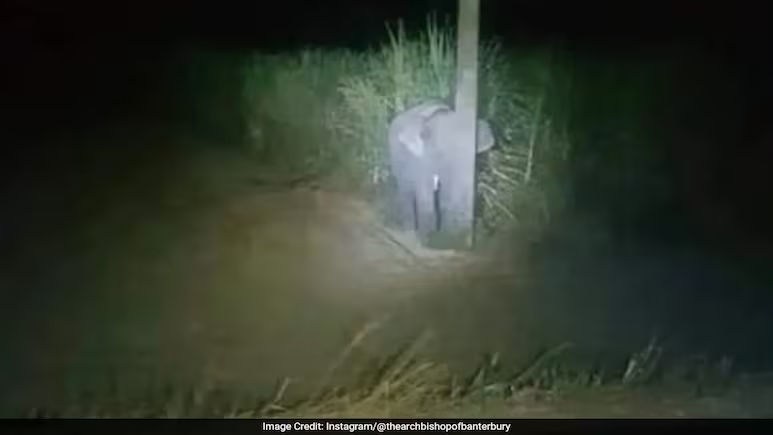
The scene unfolded in an open field where the baby elephant was indulging in some sugarcane. The elephant, unaware of the humans nearby, was caught mid-action while munching on the delicious treat. Upon realizing it had been spotted, the baby elephant immediately tried to cover its tracks. In an instinctual attempt to conceal itself, the young elephant tried to hide behind a nearby pole, as though its small size would somehow make it invisible.
This adorable moment has since become a topic of discussion among animal enthusiasts and experts alike. It raises questions about the level of awareness and intelligence in elephants, particularly their ability to assess and respond to their surroundings.
Elephant Intelligence
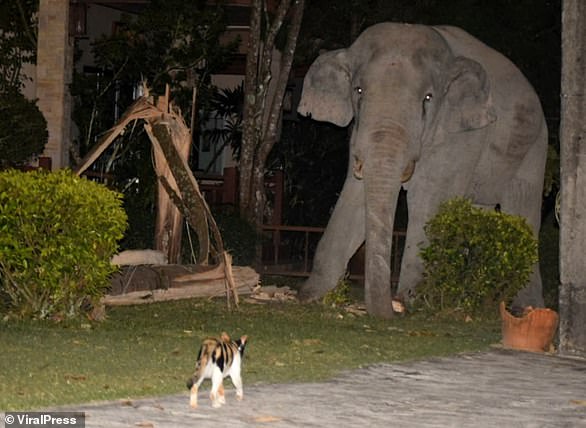
Elephants are known for their intelligence and complex social structures. They are capable of problem-solving, communication, and even self-awareness. This instance of the baby elephant attempting to hide could be seen as a reflection of its developing cognitive abilities. Just like humans, elephants can experience emotions such as embarrassment, curiosity, and even a sense of privacy.
The behavior of hiding, even if done instinctively, shows that elephants have an understanding of what it means to be seen and, more importantly, what it means to be caught doing something. The young elephant’s desire to conceal itself highlights a level of self-consciousness, even in the animal kingdom.
The Social Nature of Elephants
Beyond the individual actions of this particular baby elephant, it’s important to consider the social nature of elephants as a species. Elephants live in close-knit family groups, where cooperation and protection are key elements for survival. Young elephants, like the one seen here, rely heavily on the guidance and protection of their mothers and other family members.
The baby elephant’s attempt to hide could also be interpreted as a learned behavior from its elders, who are experts at detecting potential dangers. In the wild, elephants often use their instincts to protect themselves and their young, and this instinct could have been mirrored in the baby elephant’s playful yet cautious response.
The Connection Between Animal Behavior and Developmental Stages
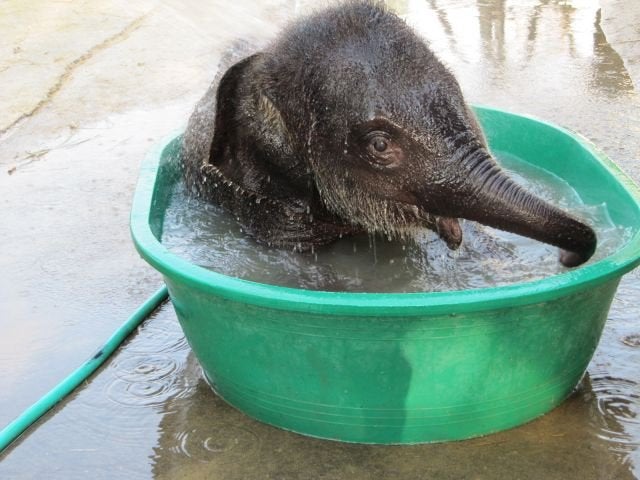
Young animals often exhibit behaviors that are not only cute but also crucial for their development. For elephants, learning how to interact with their environment and social structure is a key part of growing up. The baby elephant’s attempt to hide could be seen as a part of this learning process.
Similar to how human children experiment with social norms, animals also engage in trial-and-error learning. This playful moment of hiding behind a pole might not be a life-or-death decision, but it is part of how the young elephant is learning to navigate its world and interact with its environment.
The Role of Observation in Animal Learning
Elephants are not only taught by their mothers but also by observing the behaviors of others in their herd. This observational learning is an important part of how elephants acquire the skills they need to survive and thrive. The baby elephant’s attempt to hide could very well have been influenced by seeing similar behaviors in older elephants who have learned to avoid threats.
Observation plays a significant role in the way elephants understand their surroundings and react to them. By watching older, more experienced members of their herd, young elephants learn important survival skills, including how to respond to human presence and other potential dangers.
The Emotional Depth of Elephants
One of the most compelling aspects of this story is the emotional depth that elephants display. While the baby elephant’s action of hiding behind a pole may seem like a simple act of play, it also shows an understanding of social dynamics and privacy.
Elephants, like many intelligent animals, have been observed to grieve the loss of loved ones, communicate with one another using a wide range of sounds and gestures, and even show empathy for other animals. These emotional capacities contribute to their complex behavior, including how they interact with their environment and the people around them.
The baby elephant’s attempt to hide could suggest that it is not just reacting to being seen but also responding to the discomfort of being in a vulnerable position. This kind of emotional awareness and behavioral response further cements the idea that elephants are not only highly intelligent but also deeply connected to their emotional and social worlds.
Elephants and Human Interaction
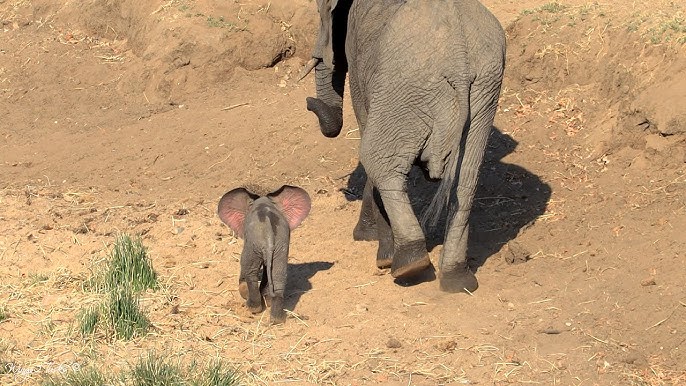
This heartwarming moment with the baby elephant serves as a reminder of the importance of coexisting with wildlife. While elephants are often seen in the wild or protected reserves, it’s crucial that humans continue to respect their space and behavior. Understanding the intelligence and emotional depth of elephants can help foster a better relationship between humans and these magnificent creatures.
As human activity continues to encroach on natural habitats, it is more important than ever to ensure that animals like elephants can live freely without unnecessary stress or disruption. Observing animals in their natural state, without interfering with their lives, is a step toward understanding and protecting them.
Implications for Elephant Conservation
The increasing awareness of elephants’ intelligence and emotional complexity also plays a crucial role in conservation efforts. As wildlife populations continue to decline due to habitat loss, poaching, and human encroachment, understanding the psychological and social needs of elephants becomes key to creating effective conservation strategies.
Conservationists can use knowledge of animal behaviors—such as the one seen here with the baby elephant’s attempt to hide—to implement more humane and effective methods for protecting elephants and other wildlife. By respecting their intelligence and emotional needs, we can ensure that future generations of elephants will continue to thrive in the wild.
Conclusion
The baby elephant’s adorable yet insightful behavior offers more than just a charming story—it provides a window into the complexity of animal cognition. Elephants, often regarded as one of the most intelligent species on Earth, continue to amaze us with their social behaviors, emotional depth, and survival instincts.
This simple moment of hiding behind a pole reveals the intricate world of animal learning, emotional connection, and social dynamics. It’s a reminder that the world of wildlife is not only beautiful and diverse but also rich with intelligence, emotion, and the capacity for learning.
As we continue to study and protect these magnificent creatures, moments like this show just how much we still have to learn from them. Elephants, with their unique blend of intelligence, empathy, and playfulness, will always remain a source of awe and inspiration.