

Table of Contents
Colombia’s New Law Banning Child Marriage
On February 7, 2025, Colombia made history by officially implementing a nationwide ban on child marriage. This monumental legal shift marks a significant step toward protecting the rights of young girls and promoting gender equality across the country. With this law now in effect, Colombia joins a growing list of nations recognizing the harmful effects of child marriage and working toward its elimination. But what does this change mean for the future of young girls in Colombia, and why is it so significant?
In this article, we explore the implications of this landmark legislation, the impact it will have on gender equality, and the ways in which Colombia is aiming to protect its young girls from early, often forced, marriages. We’ll also look at the broader context of child marriage globally and the steps other countries are taking to follow in Colombia’s footsteps.
The Global Crisis of Child Marriage
Child marriage is a global issue that affects millions of young girls every year. According to the United Nations, approximately 12 million girls are married before the age of 18 each year, often to much older men. This practice is particularly prevalent in developing countries, where traditional norms, poverty, and lack of education drive the practice.
The consequences of child marriage are devastating. Early marriage often leads to early pregnancy, which increases the risk of maternal and infant mortality. It also limits girls’ access to education and economic opportunities, perpetuating cycles of poverty and inequality. Furthermore, child marriage often results in physical, emotional, and sexual abuse, leading to long-term psychological trauma.
For many years, Colombia had one of the highest rates of child marriage in Latin America. Despite existing legal frameworks that prohibited marriage before the age of 14, the practice persisted due to cultural factors and lack of enforcement. The new law, which sets the minimum age of marriage at 18, is a bold move toward changing these deep-rooted cultural practices.
Colombia’s Legal Reform
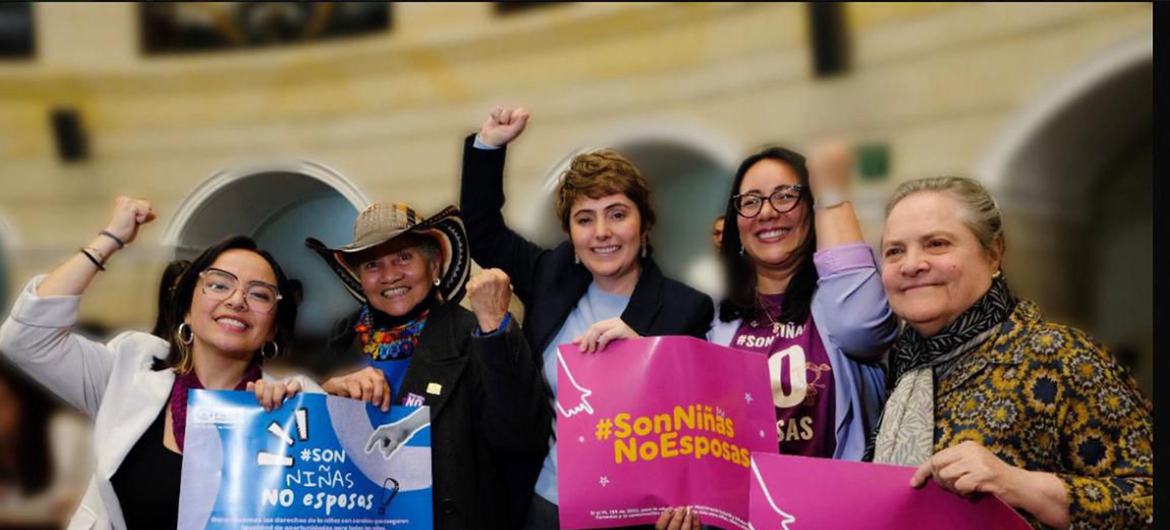
The child marriage ban was enacted after years of advocacy by civil society groups, legal experts, and young activists in Colombia. The law explicitly sets the legal age of marriage at 18, with no exceptions for parental or judicial consent, a previously common loophole that allowed underage marriages to continue.
This shift is part of Colombia’s broader commitment to gender equality and the empowerment of young girls. The legislation is intended to strengthen the country’s commitment to protecting children and adolescents from exploitation and abuse, as outlined in international agreements such as the Convention on the Rights of the Child.
Under this new law, anyone caught facilitating or participating in a child marriage—whether as a parent, a judge, or a religious leader—will face legal penalties. The law also mandates comprehensive public awareness campaigns aimed at educating citizens on the dangers of child marriage and promoting gender equality.
The Role of Advocacy in Achieving Legal Change
The passing of this law is a victory for the tireless advocacy of civil society organizations, women’s rights groups, and young activists. Over the past decade, numerous organizations in Colombia, such as Plan International and Girls Not Brides, have campaigned against child marriage, pushing for stronger legal protections for girls.
These organizations worked closely with lawmakers to craft a law that addresses not only the practice of child marriage itself but also the broader social and economic factors that allow it to persist. Education, gender equality, and access to health care are central to the law’s implementation, ensuring that girls are given the tools and opportunities to succeed outside of marriage.
The Impact on Gender Equality and Young Girls in Colombia

For young girls in Colombia, this new law represents more than just a legal change—it is a powerful symbol of their rights and their potential. By banning child marriage, Colombia is making a clear statement that girls should have the right to make decisions about their own futures, including when and whom they marry.
The law is expected to have significant long-term effects on gender equality in the country. By keeping girls in school and preventing early pregnancies, the law opens up new opportunities for education and employment. Girls who are allowed to remain in school are more likely to delay marriage, contribute to the economy, and have healthier families in the future.
Furthermore, the law aligns with Colombia’s broader goals of reducing poverty and promoting social development. Empowering girls through education and economic opportunities not only benefits them but also strengthens the entire society.
The Challenges Ahead
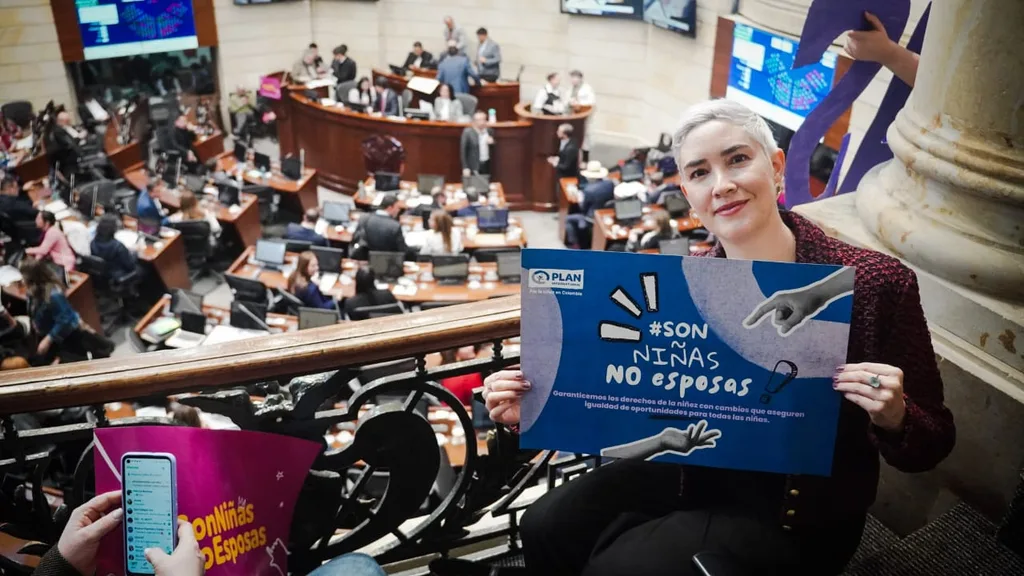
While the new law is a major victory for young girls in Colombia, its success will ultimately depend on how well it is enforced. Historically, child marriage has been tolerated in many parts of Colombia, particularly in rural and indigenous communities. For the law to be truly effective, it must be accompanied by strong enforcement mechanisms, including awareness-raising campaigns, support systems for at-risk girls, and penalties for those who attempt to bypass the law.
In addition, Colombia must invest in education and economic empowerment programs for girls to ensure that they have viable alternatives to marriage. Providing scholarships, vocational training, and job opportunities for young women will help break the cycle of poverty and gender inequality that often leads to child marriage.
Looking Ahead
Colombia’s child marriage ban is part of a growing global movement to end child marriage once and for all. Other countries in Latin America, such as Honduras, Nicaragua, and El Salvador, are also working to increase the minimum marriage age and eliminate exceptions that allow child marriages. Globally, organizations like the United Nations and the World Health Organization are pushing for stronger legal frameworks and greater investment in the education and protection of girls.
As Colombia takes this historic step, it sets an example for other countries facing similar challenges. The law sends a message that child marriage is not just a cultural issue—it is a violation of human rights that has profound social and economic consequences.
Conclusion
Colombia’s decision to ban child marriage is a groundbreaking achievement in the fight for gender equality and the protection of young girls. While the new law is a significant step forward, the work is far from over. Continued advocacy, education, and investment in girls’ empowerment are essential to ensuring that the law’s promise is fully realized.
By passing this law, Colombia is sending a powerful message to the world: that girls have the right to choose their futures, to live free from violence and exploitation, and to pursue their dreams. This legal change is not just a victory for girls in Colombia—it is a victory for human rights, social justice, and the future of an entire generation.