
Table of Contents
A Deep Dive into the Debate
J.K. Rowling, the author of the beloved Harry Potter series, has long been a figure of admiration and criticism, but in recent years, her views on transgender rights have sparked intense debate. Known for her literary success and advocacy on a range of social issues, Rowling’s statements on gender identity have led to polarizing discussions within the LGBTQ+ community and beyond. In particular, her controversial views on transgender people have ignited a firestorm, challenging her legacy and raising questions about the intersection of feminism, gender, and human rights.
This article explores the origins of Rowling’s views on transgender issues, the backlash she has faced, and the broader implications of her stance on her legacy, public perception, and the cultural impact of her works, particularly the Harry Potter series. We will also examine the role of identity politics in modern discourse and the fine line between personal beliefs and public responsibility.
The Controversial Comments That Started the Debate
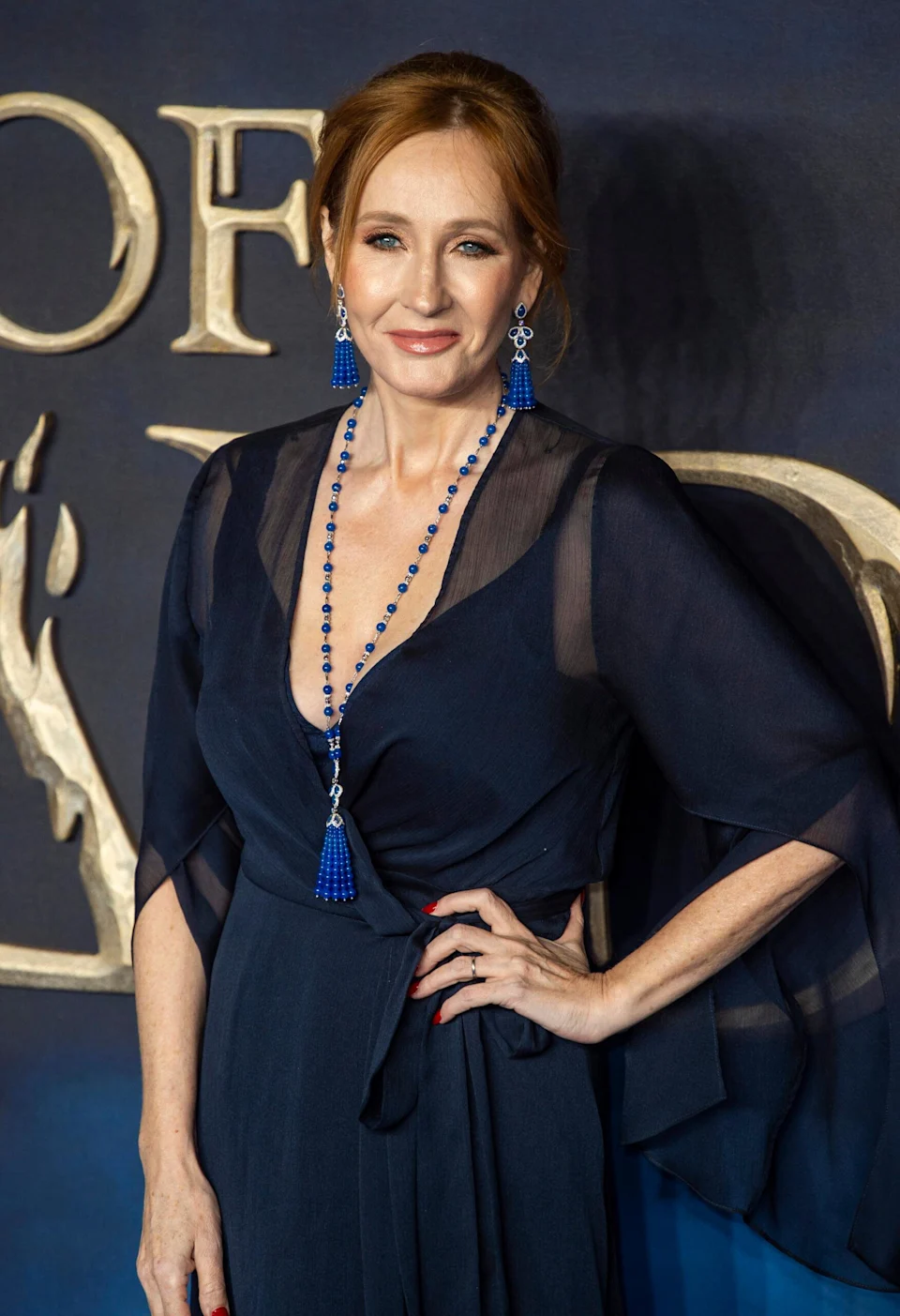
The controversy surrounding J.K. Rowling’s views on transgender issues began in earnest in 2019 when she made a series of social media posts and public comments that drew attention to her stance on gender and sex. While Rowling had previously been a vocal supporter of women’s rights, her comments about gender identity and the concept of biological sex led to accusations of transphobia.
The most significant turning point came when Rowling voiced her opposition to the phrase “people who menstruate,” which she claimed erases the concept of biological sex. This comment was followed by her support for Maya Forstater, a British researcher who was dismissed from her job after making trans-exclusionary remarks. Rowling’s stance was widely criticized, with many accusing her of invalidating the experiences of transgender people and reinforcing harmful stereotypes.
Rowling defended her views as rooted in her belief in the importance of women’s rights and the need to protect spaces reserved for biological women. However, her critics argue that her comments promote an exclusionary understanding of gender and undermine the fight for transgender equality.
A Closer Look at J.K. Rowling’s Beliefs on Gender Identity
At the core of Rowling’s controversial stance is her belief that biological sex is immutable, and that gender identity should not override the reality of biological sex. While she has expressed support for transgender rights in principle, she has been adamant that gender is not a social construct but a biological fact. In interviews and on social media, Rowling has repeatedly emphasized the importance of protecting women’s spaces, such as bathrooms and changing rooms, from being undermined by the inclusion of individuals who identify as women but were assigned male at birth.
Rowling’s comments have raised important questions about the tension between recognizing gender identity and respecting biological sex. Many see her stance as outdated and harmful, arguing that it denies transgender people their right to self-identify. However, Rowling maintains that her position is not rooted in hatred but in a concern for the safety and rights of women, particularly in the context of single-sex spaces.
Despite her explanations, Rowling’s views have sparked anger and disappointment among many LGBTQ+ advocates, who feel that her rhetoric undermines the progress made in the fight for transgender rights. Her critics argue that her platform, as a public figure with global influence, should be used to support marginalized communities rather than perpetuate divisive rhetoric.
The Backlash
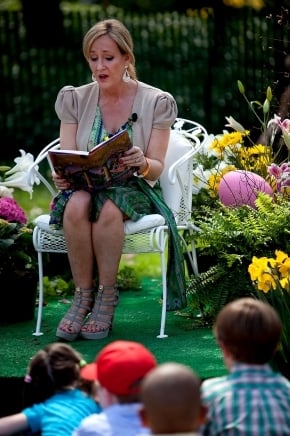
The LGBTQ+ community has been at the forefront of challenging J.K. Rowling’s views, with many high-profile activists and organizations publicly condemning her statements. Leading voices within the transgender community have expressed deep hurt and frustration, with many pointing to the impact of Rowling’s words on transgender youth, who are already vulnerable to discrimination and violence.
The backlash intensified as Rowling continued to defend her position, leading to calls for boycotts of her books and films. Some former Harry Potter cast members, including Daniel Radcliffe (Harry Potter), Emma Watson (Hermione Granger), and Rupert Grint (Ron Weasley), publicly distanced themselves from her views, emphasizing their support for transgender people and their right to self-identify. These reactions from her former collaborators raised the stakes in the debate and fueled the narrative that Rowling was out of touch with modern understandings of gender and identity.
However, Rowling’s supporters argue that she is simply voicing her concerns about the erasure of women’s rights in the name of gender identity politics. They believe that she is being unfairly labeled as transphobic for expressing a view that questions the growing influence of transgender activism in public discourse.
The Impact on J.K. Rowling’s Legacy
J.K. Rowling’s controversial comments have undoubtedly affected her legacy, especially in the context of her Harry Potter books and the lasting impact they have had on generations of readers. Once regarded as a champion of inclusivity and diversity, Rowling is now seen by many as a divisive figure who has alienated a significant portion of her fan base. The debate surrounding her views on gender identity has led some to reevaluate her personal values and whether they align with the inclusive messages of her books.
The Harry Potter series, which has long been celebrated for its messages of tolerance, friendship, and acceptance, now faces a complex legacy. Fans who once admired Rowling for creating a world that championed equality are now confronted with the dissonance between the themes of her books and her views on transgender rights. For some, this has led to a sense of betrayal, while others continue to separate her personal views from the fictional universe she created.
While Rowling’s books continue to be beloved by millions, her public persona has been irrevocably changed. The legacy of Harry Potter may remain intact for many readers, but the author’s personal beliefs have overshadowed her work in the eyes of others, leading to a complicated and ongoing debate about the relationship between an author’s personal views and their creations.
Gender, Identity, and the Future of Feminism
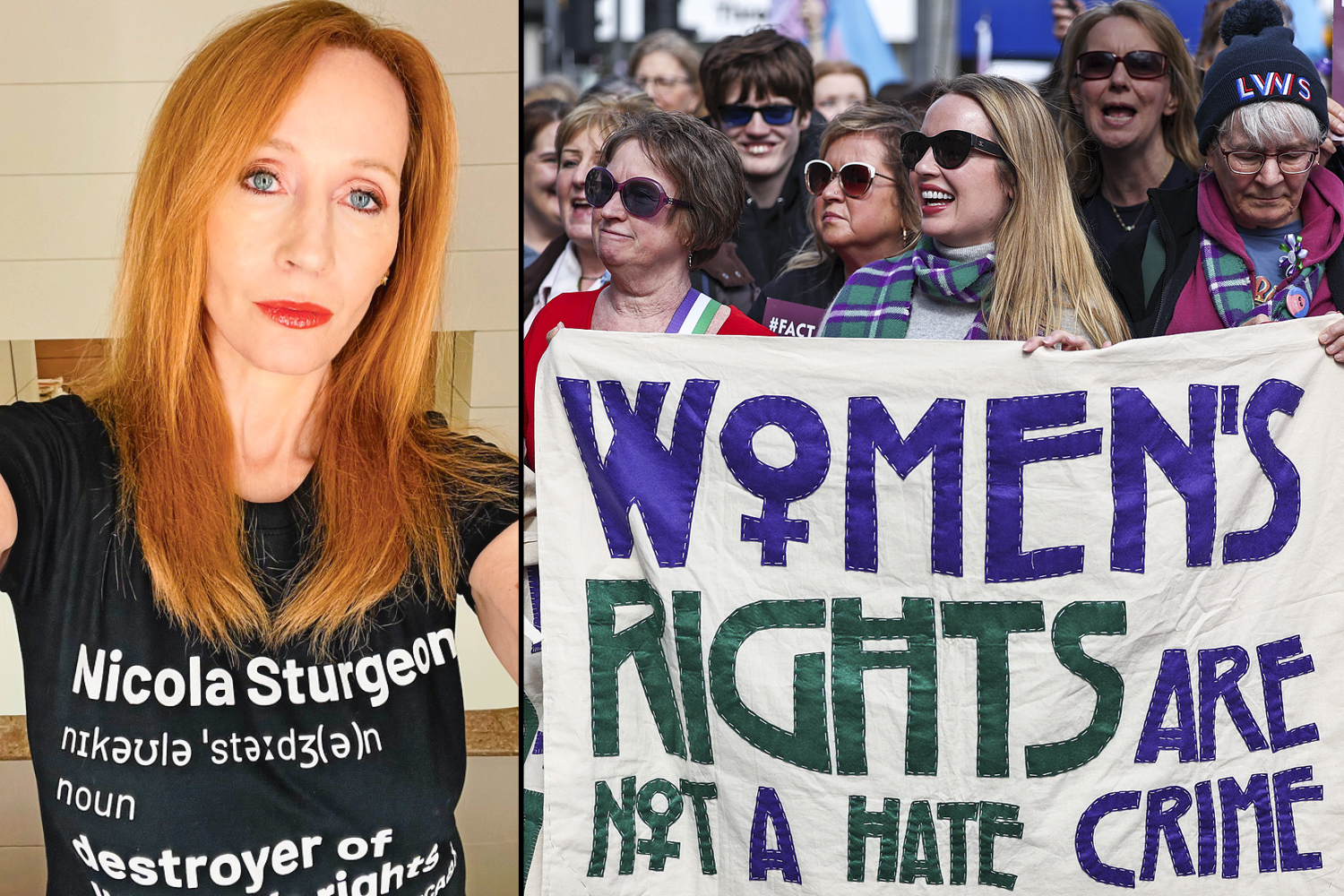
At the heart of J.K. Rowling’s controversy is the evolving conversation around gender and identity in modern feminism. Rowling’s views are rooted in a form of feminism that prioritizes the experiences of cisgender women and their rights to protect sex-segregated spaces. However, many modern feminists argue that this view fails to recognize the intersectional nature of gender oppression, which includes the rights and experiences of transgender women.
The debate over Rowling’s comments highlights the growing divide within feminist movements, with some advocating for a more inclusive approach to gender identity and others insisting on the importance of biological sex in discussions of women’s rights. This schism is emblematic of the broader challenges faced by social justice movements as they navigate the complexities of gender identity, sex, and inclusion.
As these conversations continue to unfold, the role of influential figures like J.K. Rowling will remain a point of contention. Her influence as a writer and public figure has made her comments a focal point for discussions about the future of feminism, LGBTQ+ rights, and the boundaries of free expression.
The Bigger Picture
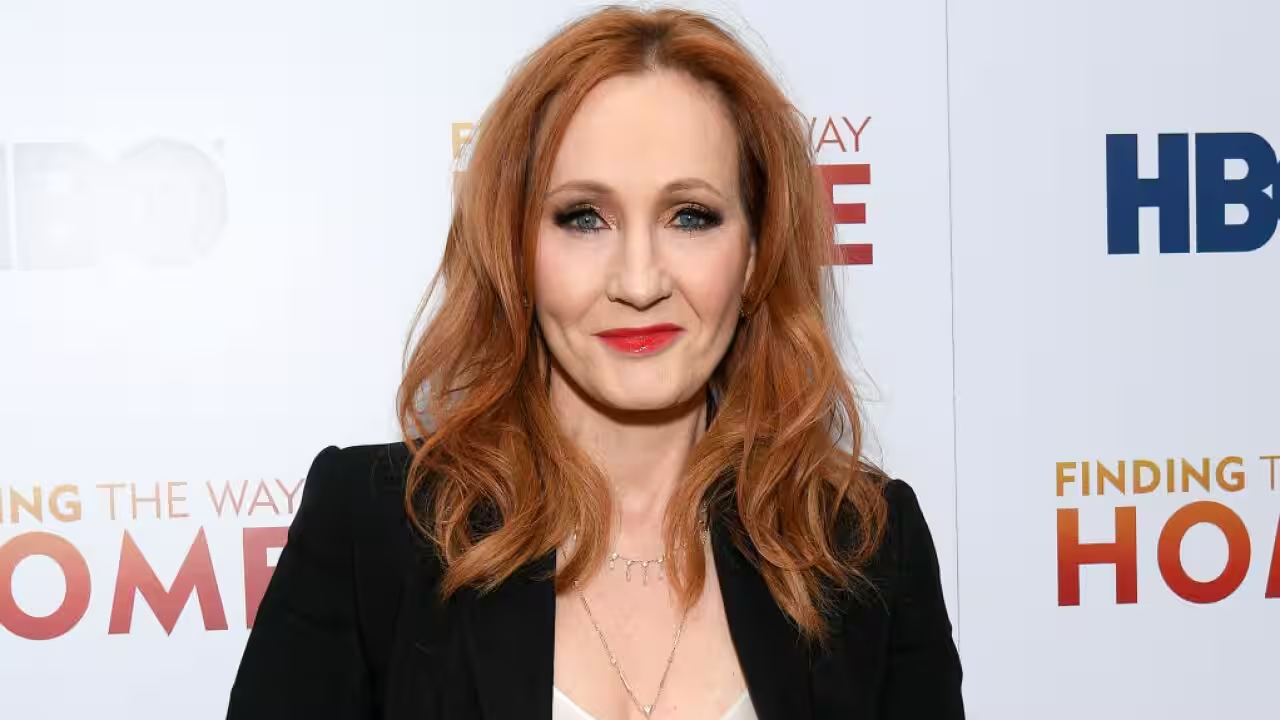
J.K. Rowling’s views on transgender rights are just one example of the larger societal debates about gender, identity, and inclusion. As society grapples with changing understandings of gender, these debates are likely to intensify, especially as more people come to understand and embrace the fluidity of gender identity. The tension between respecting gender identity and safeguarding spaces for biological women is a complex issue with no easy solutions, and it will continue to challenge both policymakers and advocates for years to come.
In the meantime, the public discourse surrounding Rowling’s comments serves as a reminder of the power of words and the responsibility that comes with fame and influence. While Rowling’s position may not change, the ongoing conversation will likely shape future discussions about the intersection of gender, identity, and rights for years to come.
Conclusion
J.K. Rowling’s controversial views on transgender rights have undoubtedly shifted public perceptions of the author and her legacy. While her views have sparked significant debate, they have also highlighted the complex nature of gender and identity in contemporary society. As these discussions continue to evolve, the role of prominent figures like Rowling will remain central to the ongoing dialogue about the future of gender equality and transgender rights.
Whether one agrees with Rowling’s stance or not, her comments have undeniably sparked critical conversations about the rights of transgender individuals, the meaning of gender, and the intersection of feminism and identity politics. As society continues to confront these issues, the legacy of J.K. Rowling—and her books—will remain a point of reflection for generations to come.