
Table of Contents
Trump’s 2017 Tweet and Its Consequences
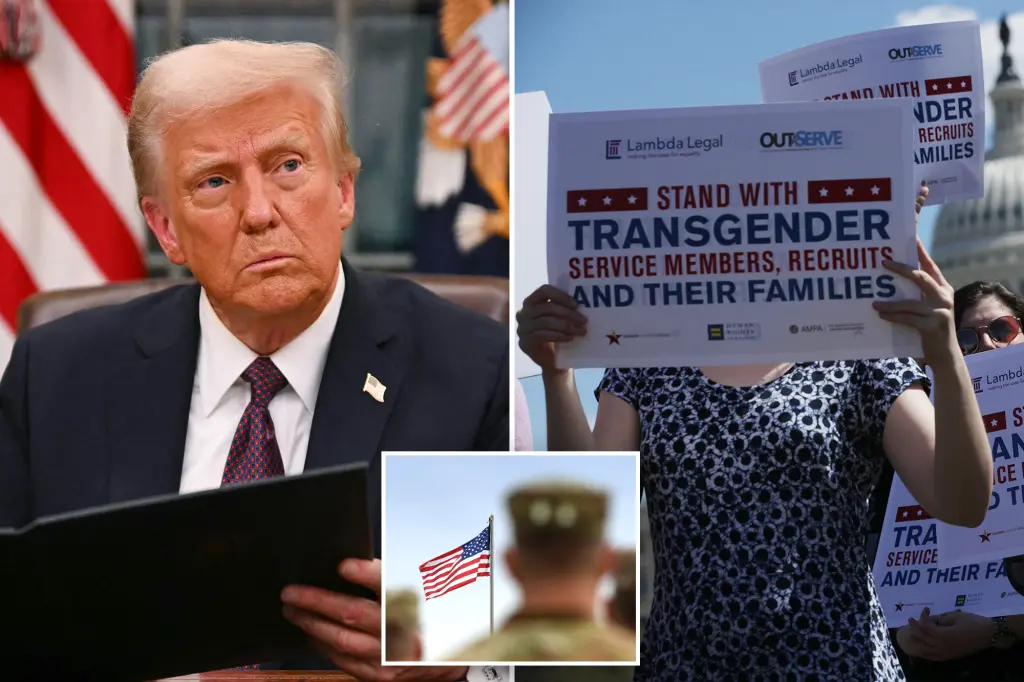
The transgender military ban originated with a tweet from then-President Donald Trump in 2017, stating that the U.S. government would no longer allow transgender individuals to serve in the military “in any capacity.” This announcement was a surprise to many, as transgender individuals had already been serving in the military since 2016 under an Obama-era policy that allowed open service. Trump’s statement, which was followed by a formal memo later that year, essentially reversed the progress that had been made in integrating transgender people into the military.
The immediate consequences of the announcement were significant. Thousands of transgender service members, many of whom had served for years, were left in limbo, unsure of their futures in the armed forces. Additionally, potential recruits who were transgender were denied the opportunity to enlist. The policy specifically targeted individuals diagnosed with gender dysphoria, with exceptions only made for those who had been serving openly prior to the implementation of the ban. As a result, the policy was seen by many as discriminatory and harmful to the morale of transgender military personnel.
Legal Challenges
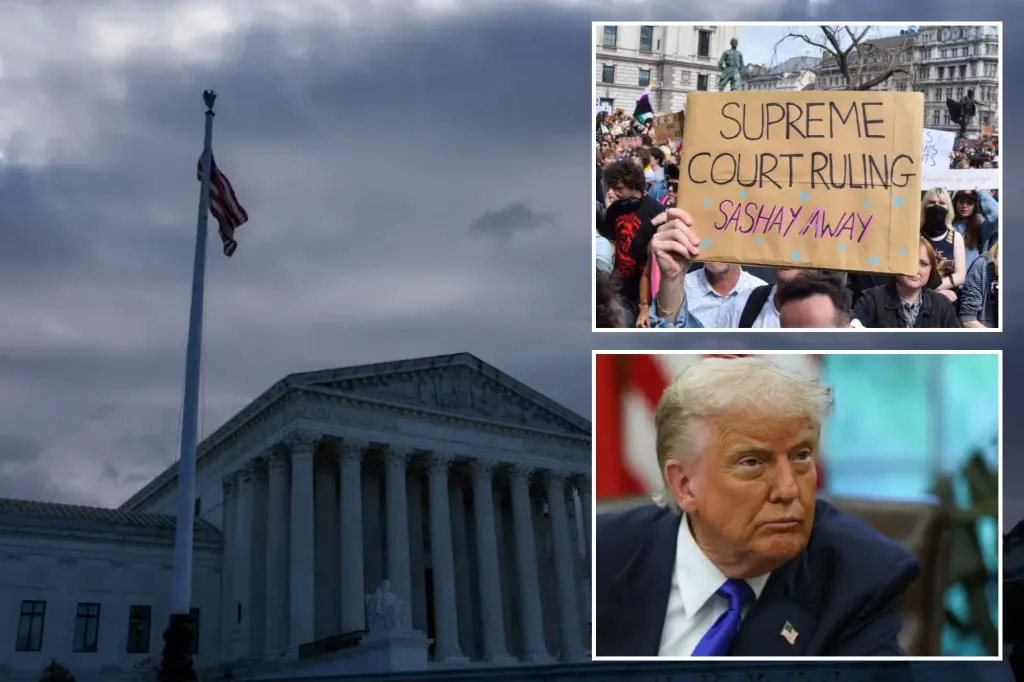
The transgender military ban faced immediate legal challenges from advocacy groups, including the ACLU, Lambda Legal, and others. Legal battles began in multiple courts across the United States, with plaintiffs arguing that the ban violated the constitutional rights of transgender individuals, including the right to equal protection under the law. In several instances, federal judges issued injunctions that temporarily blocked the enforcement of the ban, allowing transgender individuals to continue serving while the cases proceeded through the courts.
In 2019, the U.S. Supreme Court allowed the ban to go into effect, despite the ongoing legal challenges. This decision was met with widespread criticism from LGBTQ+ advocates, who viewed it as a major setback for transgender rights. However, legal disputes over the policy continued, with courts issuing conflicting rulings, and transgender service members continued to fight for their right to serve openly.
Impact on Transgender Individuals in the Military
The implementation of the transgender military ban had a direct and negative impact on transgender service members. Many were forced to hide their gender identity or face potential discharge. Some were even subjected to harassment or denied necessary medical care. Those already serving who wished to transition or continue their service after transitioning found themselves facing significant barriers.
The policy also had a profound psychological effect on transgender service members, many of whom felt rejected by the very institution they had dedicated their lives to. The ban not only harmed the careers of these individuals but also sent a message of exclusion to others who might have been considering military service. This loss of morale and mental health stress among transgender service members further contributed to the growing tension surrounding the policy.
Military Readiness and the Ban
One of the key arguments made by supporters of the transgender military ban was that allowing transgender individuals to serve would compromise military readiness. Critics of the ban, however, argue that there is no evidence to support this claim. In fact, multiple studies and reports have shown that transgender individuals can serve just as effectively as their cisgender counterparts in the military, and that gender identity does not impact a service member’s ability to perform their duties.
Several military experts have also pointed out that the ban could negatively impact the military’s ability to recruit qualified personnel. With more and more people identifying as transgender, excluding this group from military service reduces the pool of potential recruits and undermines the military’s diversity efforts. Additionally, the ban was viewed by many as counterproductive, given the military’s focus on inclusivity and readiness, which could be strengthened by welcoming individuals from all backgrounds.
Moreover, the Obama-era policy had allowed for transgender service members to serve openly, and there was no evidence of any negative impact on the military’s operations or readiness during this time. The arguments put forth by the Trump administration to justify the ban were seen by critics as baseless and rooted in prejudice rather than practical military concerns.
The Repeal of the Ban
With the election of President Joe Biden in 2020, the transgender military ban was one of the first policies to be revisited. In January 2021, Biden signed an executive order reversing the ban, allowing transgender individuals to serve openly once again. This move was hailed as a significant victory for transgender rights and equality, with many advocates praising Biden’s swift action to undo the discriminatory policy.
The repeal of the ban is seen as a step forward in the fight for LGBTQ+ rights, signaling a renewed commitment to inclusivity and equal treatment under the law. However, while the repeal has allowed transgender service members to return to military service without fear of discrimination, the years of uncertainty and harm caused by the ban have left lasting scars. Many transgender individuals who had been impacted by the policy are still working to regain their careers and overcome the barriers that were placed in their path.
Public Opinion and the Impact of the Ban
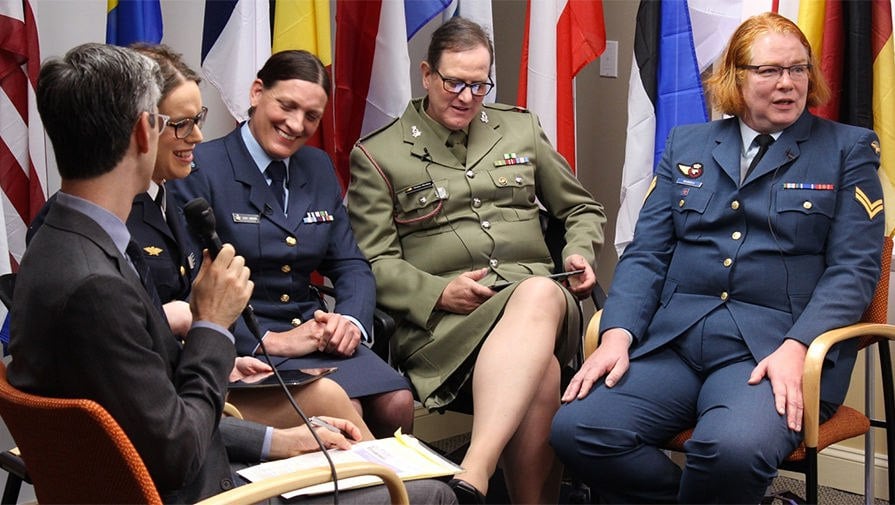
Public opinion on the transgender military ban has shifted significantly over the years. When the ban was first announced, it received widespread support from some conservative and religious groups, while others decried it as discriminatory. However, as the legal battles continued and more stories of transgender military members surfaced, public opinion began to turn. In recent years, polls have shown a growing acceptance of transgender individuals serving openly in the military, with a majority of Americans supporting their right to do so.
This shift in public opinion reflects a broader change in societal attitudes toward LGBTQ+ individuals and their rights. As more people learn about the challenges faced by transgender service members, including the emotional toll of the ban, they have come to recognize the importance of ensuring equal opportunities for all people, regardless of gender identity. This change in public perception was a key factor in the eventual repeal of the ban under the Biden administration.
The Ongoing Struggle for Transgender Rights
While the repeal of the transgender military ban was a significant victory, it is important to remember that the struggle for transgender rights is far from over. Transgender individuals continue to face discrimination in many areas of life, from employment to healthcare. The military’s acceptance of transgender service members is just one part of a larger movement toward equality and acceptance.
Advocates continue to fight for comprehensive protections for transgender individuals, including non-discrimination laws and greater access to healthcare, including gender-affirming treatments. The battle for transgender rights is ongoing, and the legal, social, and political challenges that transgender individuals face require continued attention and action.
Conclusion
The transgender military ban, enacted under the Trump administration and later reversed by President Biden, serves as a stark reminder of the ongoing struggles faced by transgender individuals in the U.S. While the ban has been lifted, its legacy of discrimination, legal battles, and harm to transgender service members will not soon be forgotten. The broader fight for equality continues, with many advocating for full protections for transgender individuals in all aspects of society, including the military. As the country moves forward, it is essential to ensure that all individuals, regardless of their gender identity, are given equal rights and opportunities to serve, work, and live free from discrimination.