
Table of Contents
China’s Growing Influence in the Islamic World
China has long recognized the strategic importance of developing strong relationships with Islamic countries, particularly in the Middle East, Central Asia, and parts of North Africa. The pledge to deepen these ties is part of a broader strategy to expand China’s influence globally, especially in regions rich in natural resources and crucial for trade routes. Through investments, trade partnerships, and diplomatic engagements, China has increasingly positioned itself as an alternative partner for many Islamic countries, offering opportunities for economic development without the political strings often attached by Western powers.
The Chinese government has made it clear that it views the Islamic world as an important partner in its vision for a multipolar global order. With initiatives like the Belt and Road Initiative (BRI), China has already made substantial inroads into many Islamic countries by financing large infrastructure projects, enhancing connectivity, and establishing stronger trade ties. The renewed focus on strengthening political and economic cooperation signals China’s ambition to further its role as a global power while building relationships based on mutual benefit and shared interests.
Economic Cooperation
China’s economic outreach to Islamic countries primarily focuses on trade, investment, and technology transfer. As part of the pledge to strengthen ties, China is expected to increase its investments in sectors such as energy, infrastructure, technology, and manufacturing in these countries. For many nations in the Islamic world, particularly in Central Asia and the Middle East, this represents a significant opportunity for economic growth and diversification.
Many Islamic countries have economies that are heavily dependent on oil and natural gas exports. However, with the global shift toward renewable energy, there is a growing need to diversify these economies. China’s support in developing other sectors, such as high-tech industries, renewable energy, and infrastructure, can help these nations transition to more sustainable economic models. Furthermore, China’s vast manufacturing capabilities and expertise in infrastructure development provide these countries with the tools they need to modernize and industrialize their economies.
Additionally, China’s role as a major global investor has enabled it to secure access to key energy resources in the Islamic world. By forging closer ties with oil-rich nations such as Saudi Arabia, Iran, and Iraq, China ensures a steady supply of energy to fuel its own growing economy while providing these countries with the infrastructure and technology needed to enhance their economic resilience.
Diplomatic Ties
Diplomatically, China’s renewed focus on strengthening ties with Islamic countries is rooted in its desire to enhance political influence in regions that are strategically important to global security and stability. China has long maintained a policy of non-interference in the internal affairs of other countries, a principle that has helped it gain favor with many Islamic nations that view Western interventions with skepticism.
By pledging to deepen diplomatic ties, China is positioning itself as a key partner for Islamic countries in multilateral forums such as the United Nations and the Organization of Islamic Cooperation (OIC). China’s support for key issues such as Palestine’s right to statehood, regional stability, and counter-terrorism initiatives has helped build trust with Islamic nations. This political alignment strengthens China’s position as a diplomatic leader on the global stage, offering an alternative to traditional Western powers that may not align with the political or cultural priorities of Islamic countries.
The shift in diplomatic relations also extends to China’s efforts to mediate and participate in peace-building efforts in conflict zones. As a neutral actor, China is well-positioned to act as a bridge between different factions and facilitate dialogue on key geopolitical issues, particularly in the Middle East, where tensions remain high.
Challenges and Obstacles in Strengthening Ties
While China’s pledge to strengthen ties with Islamic countries is seen as a positive development, there are several challenges that could hinder the success of this initiative. One of the most significant hurdles is the complex political landscape of the Middle East and Central Asia. Many Islamic countries have competing interests and alliances, and navigating these diverse political dynamics requires delicate diplomacy.
For example, the ongoing conflict between Saudi Arabia and Iran poses a challenge for China’s efforts to maintain balanced relations with both countries. China’s approach of non-interference in internal affairs is likely to be tested as it attempts to manage competing interests while maintaining strong relationships with all parties involved.
Furthermore, China’s growing economic and political presence in the region could spark concerns among some Western powers, especially the United States, which has traditionally had a dominant influence in the Middle East. As China seeks to expand its footprint in Islamic countries, there may be diplomatic tensions that arise from competing interests, particularly in areas such as energy security and trade routes.
China’s Strategic Goals
At the heart of China’s efforts to strengthen ties with Islamic countries is the desire to enhance its geopolitical influence. By building stronger relationships in the Middle East, Central Asia, and North Africa, China is positioning itself as a global leader with the ability to shape the future of international trade, security, and diplomacy. This strategy is closely linked to China’s long-term vision of establishing itself as a central player in the global balance of power, competing with the United States and other major nations.
The economic and diplomatic ties China is building with Islamic countries also play a key role in its broader goal of achieving a more diversified global supply chain. As the world’s second-largest economy, China’s integration with emerging markets in the Islamic world provides access to new markets for its goods and services. Additionally, these relationships help secure resources essential for China’s continued economic growth, including oil, gas, and raw materials.
Moreover, by supporting Islamic countries in achieving their own economic development goals, China seeks to solidify its position as a trusted partner in the global economy. This approach aligns with China’s broader foreign policy vision, which emphasizes economic cooperation over political intervention, allowing it to foster positive relations with nations across the world.
Public Reactions
Public reactions to China’s pledge to strengthen ties with Islamic countries have been mixed. On one hand, many Islamic nations have welcomed China’s commitment to building closer economic and diplomatic relations, particularly in light of the increasing volatility in traditional alliances with Western powers. China’s non-interference stance and focus on mutual benefit make it an appealing partner for many countries seeking to avoid the political complexities of Western engagement.
On the other hand, some critics express skepticism about the long-term implications of China’s growing influence in the Islamic world. They argue that while China’s investments and diplomatic support are beneficial in the short term, they may come with strings attached, particularly in terms of economic dependency or political alignment. Additionally, some critics fear that China’s ambitions in the region could exacerbate existing conflicts or lead to an imbalance of power that undermines the sovereignty of smaller nations.
Looking Ahead
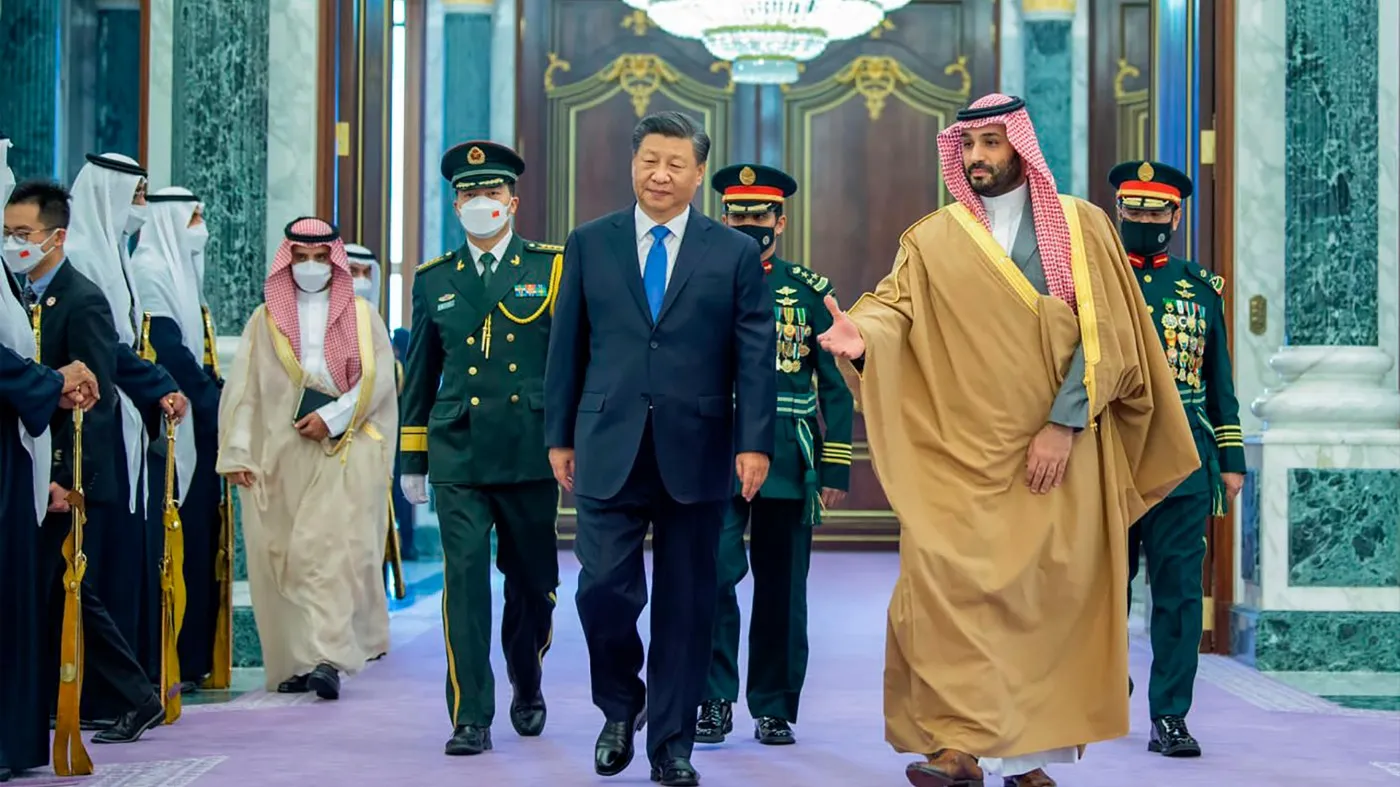
As China continues to build closer ties with Islamic countries, the long-term effects of this strategy remain uncertain. While the benefits of economic cooperation and diplomatic support are clear, the challenges posed by political instability and regional conflicts cannot be overlooked. Moving forward, China will need to navigate these complexities carefully to ensure that its relationships with Islamic countries remain constructive and mutually beneficial.
China’s pledge to strengthen its ties with Islamic countries represents a bold step in its broader strategy of global influence. As the world’s second-largest economy, China’s ability to shape international relations will only continue to grow. However, the success of this strategy will depend on how effectively China can balance competing interests, address regional challenges, and maintain its commitment to non-interference and mutual respect.
Conclusion
China’s pledge to strengthen ties with Islamic countries marks a new chapter in global diplomacy, with significant implications for economic cooperation, political alliances, and regional stability. As China continues to assert its influence in the Middle East and Central Asia, it is likely to face both opportunities and challenges in navigating this complex geopolitical landscape. However, by focusing on mutual benefits and shared interests, China is positioning itself as a key player in the future of international relations. As the world becomes more interconnected, the success of China’s engagement with Islamic countries will play an important role in shaping the global balance of power.