
Table of Contents
The FIFA World Cup 2026 and its Economic Impact
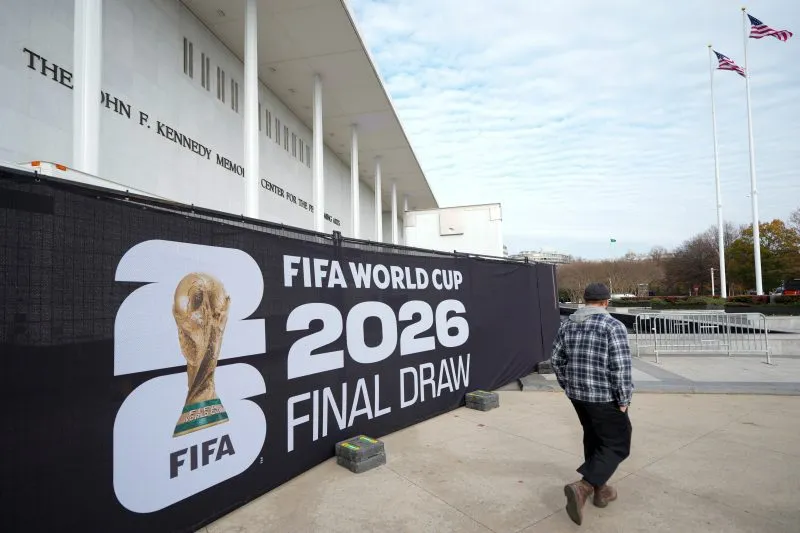
The FIFA World Cup is known for being one of the most-watched sporting events in the world, with millions of fans tuning in from every corner of the globe. The 2026 edition, however, is poised to be especially lucrative for the US hotel industry. With matches scheduled to take place in major cities across the United States, the demand for hotel accommodations is expected to skyrocket. The sheer volume of tourists traveling to the US to witness the world’s top football teams in action will result in millions of dollars in additional revenue for hotels across the country.
This revenue influx comes as a welcome relief for the US hospitality industry, which has been recovering from the effects of the COVID-19 pandemic. The World Cup is expected to drive occupancy rates to new levels, filling hotels in cities such as New York, Los Angeles, Miami, and Houston. The long-term economic benefits of hosting the event will extend far beyond hotel revenue, with local businesses, restaurants, and tourism-related services all expected to benefit from the influx of visitors.
How the World Cup Drives Room Revenue for US Hotels

Hotels in the host cities will be able to capitalize on the FIFA World Cup’s widespread popularity. The increase in room revenue is driven by a combination of factors, including a significant rise in hotel room prices, extended stays, and a surge in demand for premium accommodations. Fans traveling to the US for the tournament are expected to book rooms well in advance, creating a spike in early bookings and premium rates. Furthermore, with the tournament being held across multiple cities, visitors will likely need to stay in different locations, further driving up revenue for hotels.
Hotel chains across the country, including major international brands such as Marriott, Hilton, and Hyatt, are already gearing up for the influx of visitors by expanding their offerings, upgrading facilities, and streamlining their services to accommodate the expected surge in bookings. In addition, boutique hotels, Airbnb rentals, and short-term accommodations are also seeing increased demand, as travelers look for more personalized experiences during their stay. These factors collectively contribute to the projected $900 million in additional room revenue for US hotels during the World Cup.
The Broader Economic Benefits of Hosting FIFA World Cup 2026
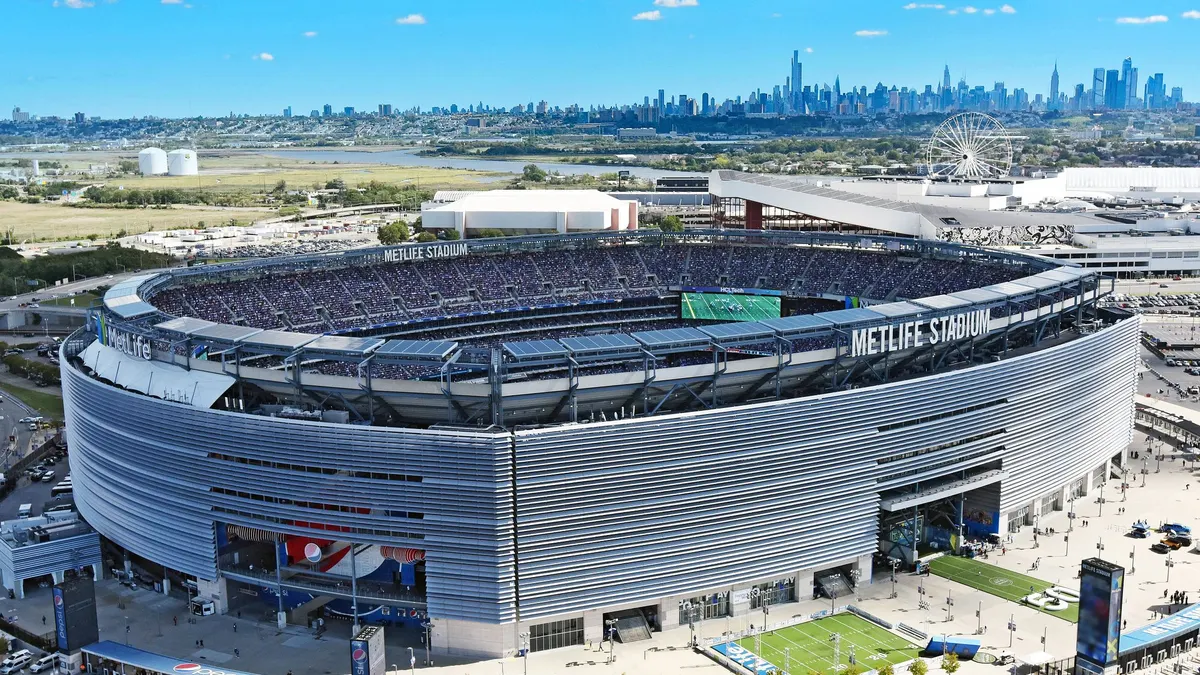
While hotel room revenue is a key financial benefit of hosting the FIFA World Cup, the economic impact extends far beyond the hospitality sector. Tourism-related businesses, including restaurants, transportation services, and entertainment venues, will experience a significant uptick in demand as tourists flock to the US to attend matches and explore local attractions.
In addition to the immediate boost in economic activity, the World Cup is expected to leave a lasting legacy for US cities. Infrastructure improvements, such as the renovation of stadiums, transportation systems, and public spaces, will have long-term benefits for local communities. The event will also enhance the global profile of the host cities, attracting future events and international business investments, further contributing to economic growth.
The surge in tourism and business activity during the World Cup will provide a much-needed boost to areas that are still recovering from the pandemic’s economic fallout. By showcasing the US as a prime destination for international events, the World Cup sets the stage for future growth and global exposure for these cities.
How Hotels are Preparing for the FIFA World Cup 2026
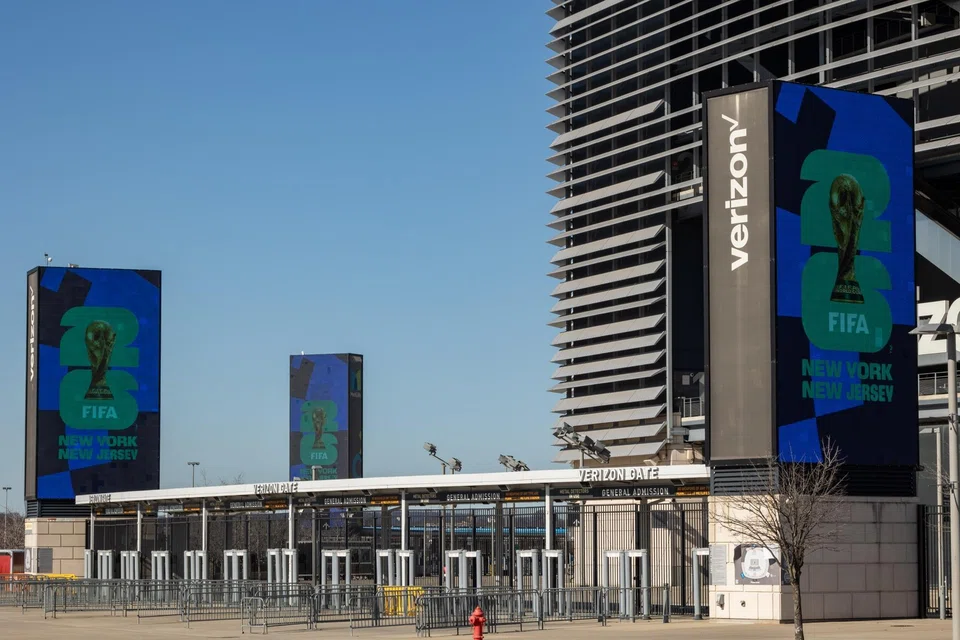
As the FIFA World Cup 2026 draws closer, hotels across the United States are already making preparations to accommodate the influx of visitors. Many hotel chains are undertaking renovations and expansions to meet the increased demand for rooms, with an emphasis on providing enhanced customer experiences. Luxury hotels are focusing on offering exclusive services, such as VIP packages, concierge assistance, and access to special events surrounding the tournament.
In addition to physical upgrades, hotels are also ramping up their marketing efforts to attract international visitors. Many hotel brands are leveraging digital advertising, social media campaigns, and partnerships with local tourism boards to promote their offerings to football fans worldwide. The goal is to secure bookings early, with many hotels offering pre-sale packages and discounts to entice early reservations. Hotels are also working closely with the organizers of the World Cup to ensure that the accommodation experience is seamless for all guests.
The Future of US Hotels Post-World Cup 2026
While the FIFA World Cup 2026 will undoubtedly be a defining event for the US hotel industry, the impact will be felt long after the final whistle blows. The exposure generated by the World Cup will help solidify the United States as a premier destination for major international events, positioning the country to host more sporting and entertainment events in the future.
The legacy of the World Cup will also extend to the hotel sector, with many of the infrastructure improvements and service innovations introduced for the event likely to remain in place long after the tournament. As a result, the US hotel industry will continue to benefit from the heightened global visibility and reputation that the World Cup brings. Hotels across the country will be better equipped to handle high-demand events, and the experience of hosting the World Cup will help cement their role as a leader in the global hospitality market.
Public Reactions
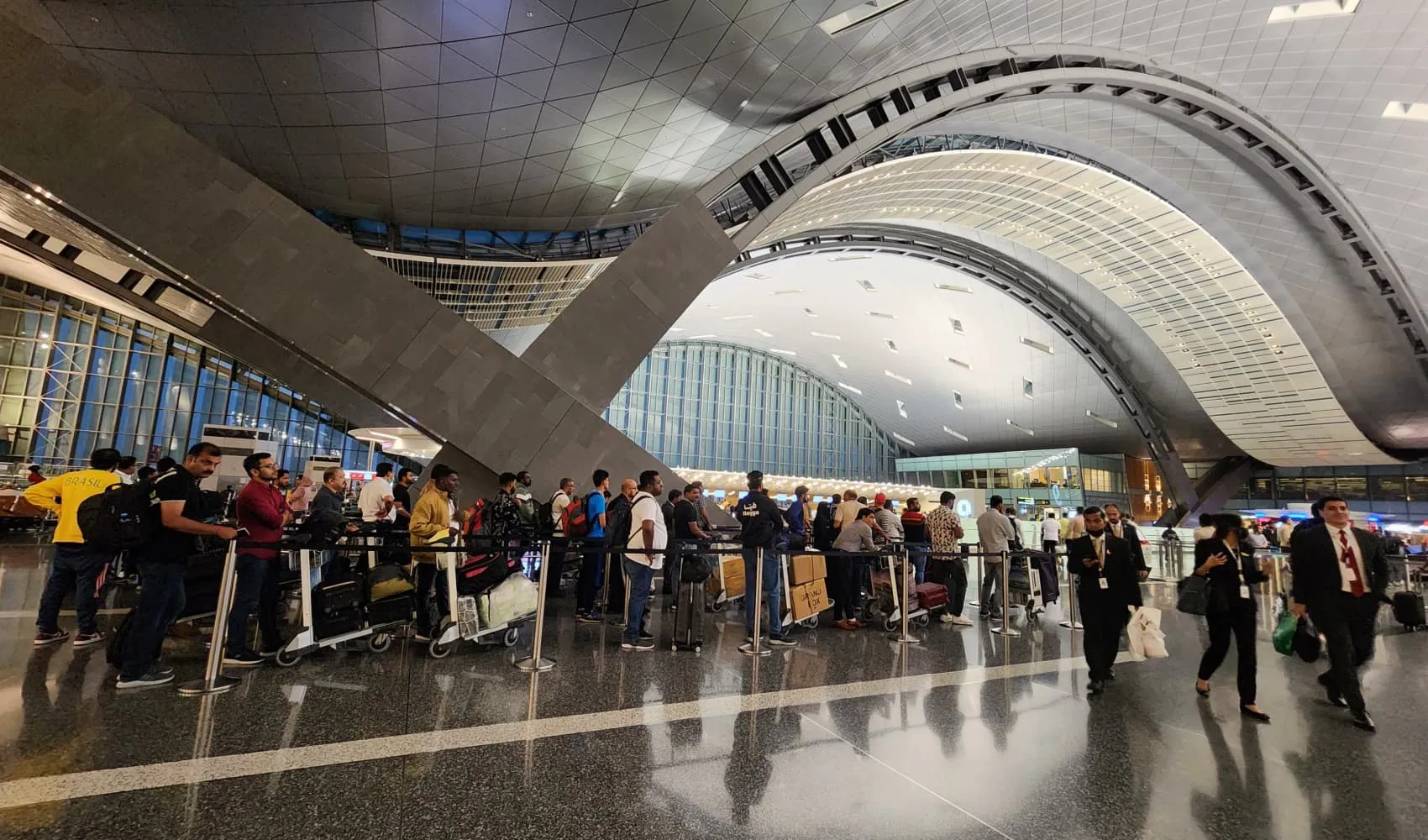
Public reactions to the expected financial benefits of hosting the FIFA World Cup have been largely positive, with many in the hospitality and tourism industries praising the opportunities the event will bring. However, some skeptics argue that the massive influx of visitors will place undue strain on local infrastructure and resources. There are concerns that smaller businesses may struggle to meet the increased demand, and some residents fear that the event could drive up living costs and create overcrowded conditions in host cities.
Despite these concerns, the general consensus remains that the benefits of hosting the World Cup far outweigh the potential drawbacks. The long-term economic gains, particularly for the hotel industry, are expected to be substantial, and the World Cup will provide valuable exposure for US cities, boosting their tourism appeal and setting the stage for future international events.
Conclusion
The upcoming FIFA World Cup 2026 is set to deliver a record-breaking surge in hotel room revenue for the United States, with an estimated $900 million boost in total revenue. This economic windfall highlights the significant impact that large-scale international events can have on the local and national economy. Beyond the immediate benefits to the hospitality industry, the World Cup will also enhance the global profile of the host cities, driving long-term tourism growth and infrastructure development. As hotels across the US prepare for the influx of visitors, the legacy of the World Cup will continue to shape the future of the hotel industry for years to come.