
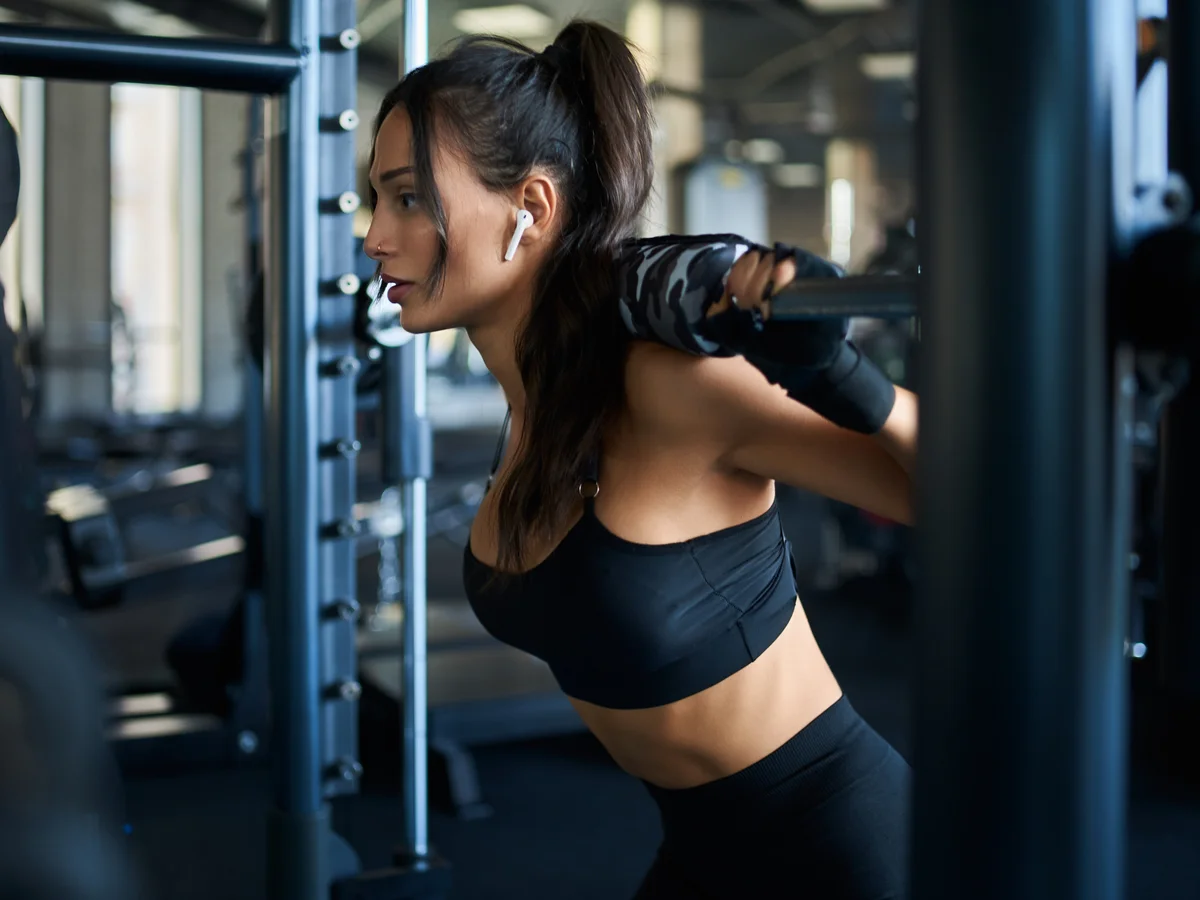
Imagine walking into your local gym, earbuds in, favorite playlist ready, focused on your goals – only to catch the reflection of a phone camera in every mirror. Is it filming you? Will that clip end up on TikTok with a mocking caption? For a growing number of Gen Z gym-goers, this isn’t a hypothetical worry – it’s the reason they’re quitting their memberships and avoiding workout spaces altogether.
What started as a refuge for self-improvement and personal growth has slowly morphed into what many young people now describe as a performance stage, where the pressure to be “camera-ready” rivals the drive to simply bench press or squat. Ring lights, tripods, and creator setups have become as commonplace as kettlebells, and for some, that shift is enough to make the gym feel more like a social audition than a fitness sanctuary.
Across the U.S. and beyond, surveys reveal that anxiety about being recorded, judged, or even harassed during workouts has reached levels that are reshaping the fitness habits of an entire generation. This trend isn’t just about discomfort – it’s changing how Gen Z views exercise, community, and privacy.
Table of Contents
- The Smartphone Gym: From Sanctuary to Stage
- “Gymxiety”: When Mental Strain Outweighs Physical Gains
- Harassment Makes an Already Stressful Environment Worse
- How Gym-Goers Are Changing Their Fitness Routines
- Behavioral Adaptations
- Leaving the Gym
- What Gyms and Communities Can Do
- Clear Policies and Enforcement
- Layout and Design
- Cultural Change
- Social Media Responsibility
- Beyond Fitness: A Cultural Reflection
- Conclusion
The Smartphone Gym: From Sanctuary to Stage
Not long ago, gyms were perceived as relatively private spaces, places where people could focus inward, away from daily stressors and social scrutiny. But the proliferation of smartphone culture has fundamentally altered that dynamic.
Today’s gyms are content creation environments just as much as they are exercise spaces. Members routinely record personal workouts, influencers set up lighting rigs for their next viral clip, and countless clips are shared on platforms like TikTok and Instagram. While content creation itself isn’t inherently harmful, when people other than the creator end up in the frame – often without consent – the consequences are far from trivial.
According to a survey referenced in recent coverage, roughly 10% of gym-goers admitted to secretly recording others during workouts. These creations may later be posted online for likes, laughs, or commentary – frequently without the subject’s awareness.
For Gen Z, who has grown up under nearly constant digital documentation, the dividing line between being seen and being watched has become increasingly blurred. The gym – once a retreat from outside pressures – now often feels like a place where every movement might be filmed, critiqued, or replayed for social media audiences.
“Gymxiety”: When Mental Strain Outweighs Physical Gains
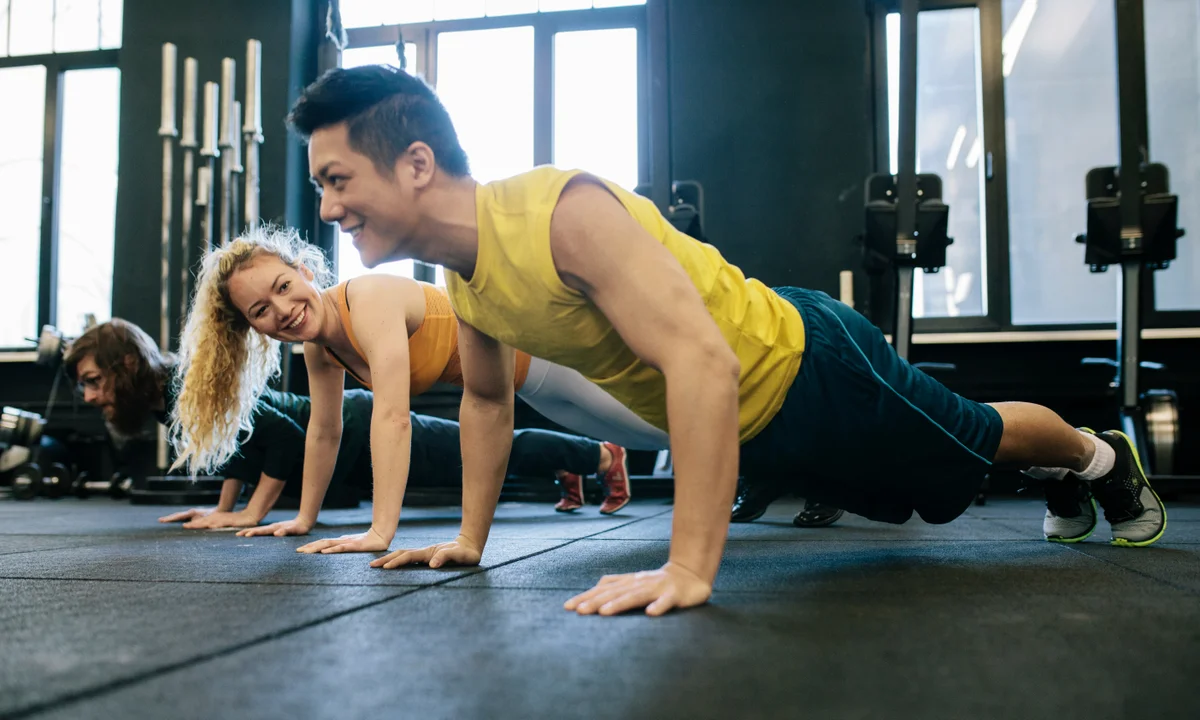
A term now gaining traction – “gymxiety” – describes the anxiety many people feel when working out in public. It’s not merely about self-consciousness; it’s about the fear that every squat, deadlift, or bench press could be shared online and meme-ified without permission.
In surveys of gym users, around 80% of Gen Z respondents reported feelings of discomfort or anxiety during workouts. This trend intensifies among women, with 85% saying the gym makes them feel uneasy, highlighting how deeply emotional and psychological this trend has become.
This anxiety isn’t just internal discomfort – it translates into real behavior changes. Many gym-goers have altered how they dress, choosing clothing they believe attracts less attention. Others avoid peak hours entirely or skip workouts if they don’t feel “camera-ready.” These changes might seem superficial at first glance, but they represent a significant shift away from the mental clarity and focus traditionally associated with fitness routines.
Worse still, a significant portion of Gen Z – nearly 19% – say they’ve already stopped going to the gym due to the fear of being recorded without their permission.
Harassment Makes an Already Stressful Environment Worse
While privacy concerns affect all gym users, women disproportionately bear the brunt of both anxiety and harassment in fitness spaces. Harassment can range from unwelcome stares to inappropriate comments, and – in some unfortunate cases – even physical proximity or discomfort.
Independent studies reinforce this troubling trend: more than 56% of women reported experiencing harassment while working out, yet over 90% of those incidents go unreported. For many women, this persistent pressure has led to defensive tactics such as changing workout routines or class times, and in some cases abandoning gym environments entirely.
Social media often mirrors this trend. Hashtags like #GymCreep and #GymWeirdo have amassed millions of views, highlighting stories of uncomfortable encounters where people – particularly women – have been stared at or filmed without consent. While these clips raise awareness, they sometimes oversimplify complex situations or inadvertently promote shaming over constructive solutions.
Harassment isn’t limited to the gym floor. Some women report facing commentary and inappropriate messages online after being featured in workout clips – whether they consented to the filming or not. This creates a chilling feedback loop: if posting about harassment online invites further commentary or even hostility, many decide it’s safer not to share at all.
How Gym-Goers Are Changing Their Fitness Routines
Behavioral Adaptations
Many people try to minimize attention by:
- Working out during off-peak hours
- Avoiding machines near mirrors or cameras
- Changing outfits to avoid scrutiny
- Choosing boutique fitness classes with structured environments
These approaches may alleviate anxiety for some, but they also reflect how deeply social pressures have changed exercise habits. When a space designed for self-improvement becomes a place where you must strategize to avoid attention, the environment has shifted from wellness to self-monitoring.
Leaving the Gym
A growing cohort of young adults is choosing alternative venues for fitness. Outdoor workouts, small group classes, women-only gyms, and online coaching are all on the rise – not just for convenience, but for privacy, safety, and peace of mind.
What Gyms and Communities Can Do
This issue isn’t solely about individual coping mechanisms – it’s about reshaping gym culture itself. When nearly one in five workout-seekers avoids gyms out of fear, the fitness industry loses not just members, but trust.
Clear Policies and Enforcement
Gyms must implement and enforce no-filming zones, stringent harassment policies, and transparent reporting systems. It’s not enough to post a rule on a wall; enforcement must be consistent and visible.
Layout and Design
Thoughtful facility design can help too – spacing machines to reduce crowding, clearly marking camera-free areas, and ensuring staff are trained to intervene when necessary sends a message that the space prioritizes privacy and respect.
Cultural Change
Real change also requires community buy-in. Gym members – especially those who don’t experience anxiety or harassment firsthand – can play a role by calling out inappropriate behavior and creating environments where mutual respect is expected.
Social Media Responsibility
While platforms like TikTok and Instagram have highlighted undeniable issues like harassment, they’ve also contributed to an atmosphere of surveillance. Communication experts emphasize the need for context-rich, educational content over sensationalism or shaming.
Beyond Fitness: A Cultural Reflection
Gen Z’s conflicted relationship with gyms is more than a fitness trend – it’s a reflection of how deeply social media and digital culture have reshaped daily life. For many young adults, physical well-being is deeply intertwined with mental health, identity, and privacy concerns.
In some regions – like the UK – data shows that Gen Z still highly values exercise, often prioritizing it over traditional social activities like nightlife. But even in those environments, the pressure to post, perform, and be seen influences how young people engage with fitness spaces.
To rebuild trust in gyms, communities must balance openness with privacy, visibility with safety, and social engagement with respect. Fitness should be accessible to everyone – not just those comfortable in front of a camera.
Conclusion
The rise of genetic sensitivities around filming, exposure, and harassment in gyms is not a fleeting trend – it’s a signal that the culture of fitness needs recalibration. What should be a place for self-reflection, strength building, and self-care has, for many, turned into a space where anxiety outshines effort.
Addressing this challenge requires structural, cultural, and individual solutions. From enforced policies and smarter gym design to social norms that respect boundaries and privacy, the path forward must prioritize safety and self-confidence over clicks and shares.
Because no one should have to choose between staying fit and feeling safe – and the gym should never be a place you dread being seen.