
Table of Contents
A Family Separated by ICE
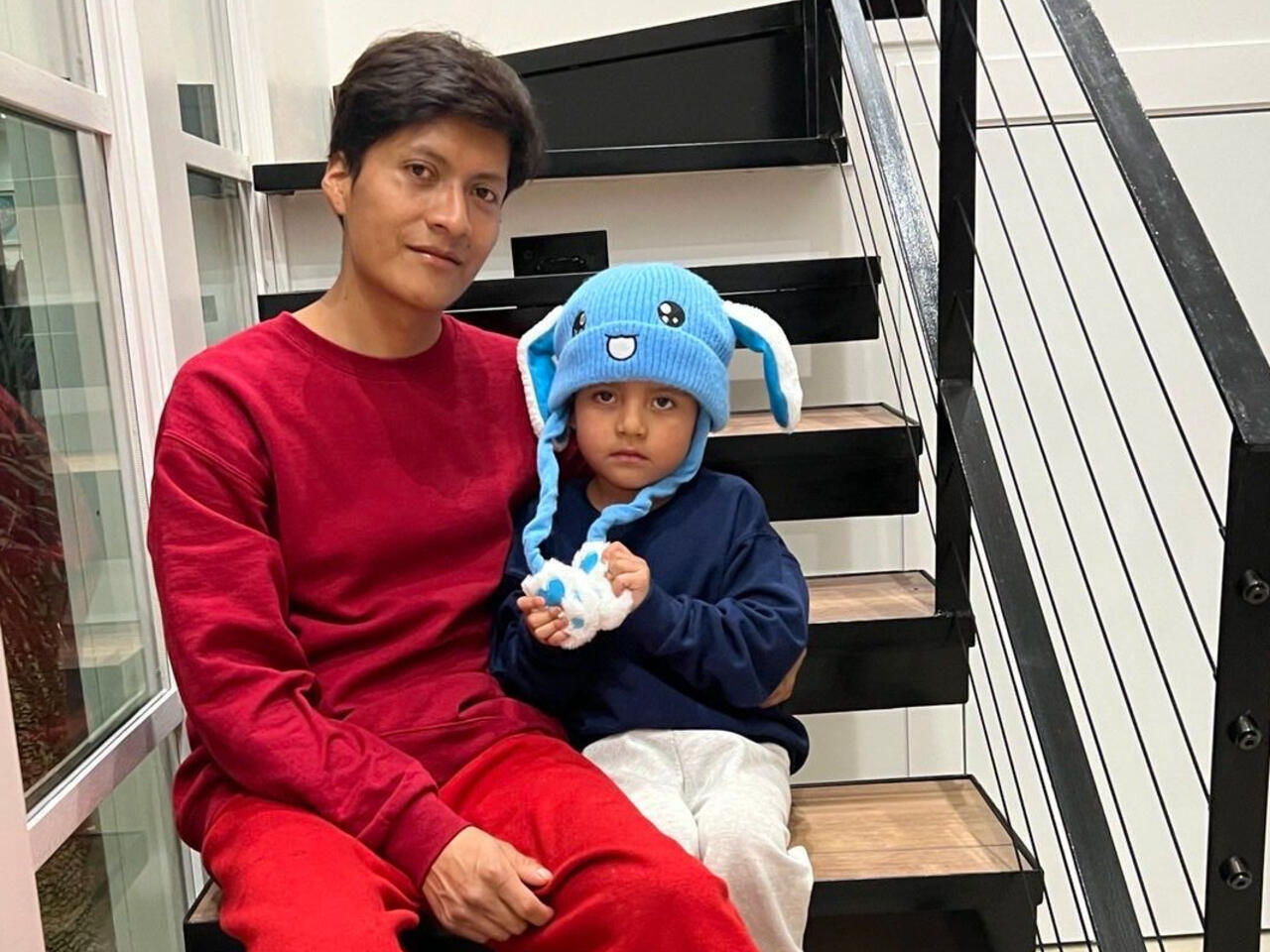
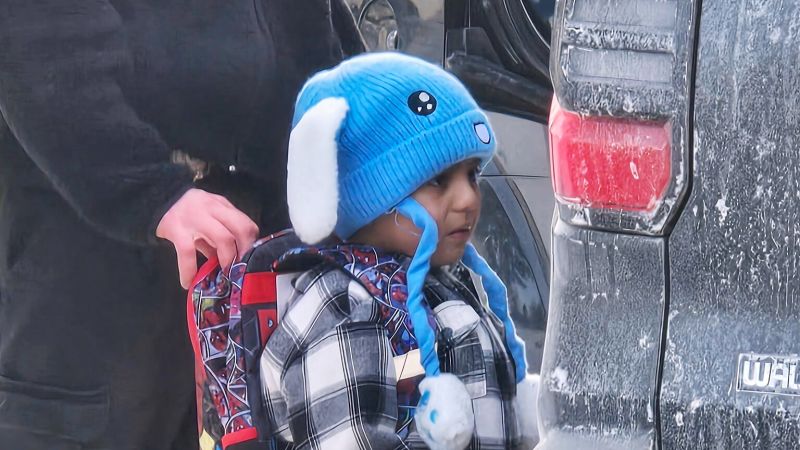
On January 20, 2026, as Liam arrived home from preschool, ICE agents apprehended his father, Adrian Conejo Arias, while the boy was in the driveway with his father. The agents had come to arrest Adrian as part of a targeted operation against undocumented immigrants. However, the situation quickly took a turn when Liam was separated from his father and placed under the custody of ICE agents. School officials and family members disputed the claim that Adrian had abandoned his son, stating that another adult living in the home had attempted to care for Liam but was denied custody by ICE. The arrest sparked widespread outrage, with many questioning whether the agency had acted too aggressively, especially given the fact that Liam was a young child caught in the middle of an immigration enforcement operation.
The Legal Battle
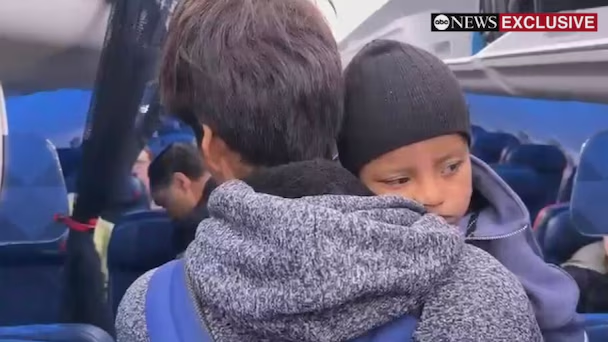
The case quickly made its way to court. U.S. District Judge Fred Biery, who was tasked with ruling on the family’s detention, found that the circumstances surrounding Liam’s detention were questionable. The judge issued an order on January 31, 2026, instructing that both Liam and his father be released from the detention facility by February 3. The judge’s decision came after a habeas corpus petition was filed challenging the legality of their detention, arguing that the family’s separation had been unnecessary and harmful. In his ruling, Judge Biery emphasized the need for a more humane and orderly process, criticizing the government’s reliance on “deportation quotas” and suggesting that the policies governing family separations had been poorly implemented and lacked adequate safeguards for children.
The Government’s Response
The Department of Homeland Security (DHS) and ICE defended their actions in a public statement, claiming that they had followed proper procedure during the arrest. According to ICE officials, Adrian had fled from the agents when they approached him, and as a result, the agents were forced to take him into custody. They also stated that the agency made multiple attempts to have the alleged mother take custody of Liam, but she refused to accept responsibility for the child. The DHS further stated that their actions were intended to ensure the child’s safety, with one officer remaining with Liam during the arrest of his father. Despite these assertions, the case raised questions about the treatment of children during immigration enforcement actions and whether sufficient care was given to ensuring that children were not separated from their families unnecessarily.
Public Outrage and Support for the Family
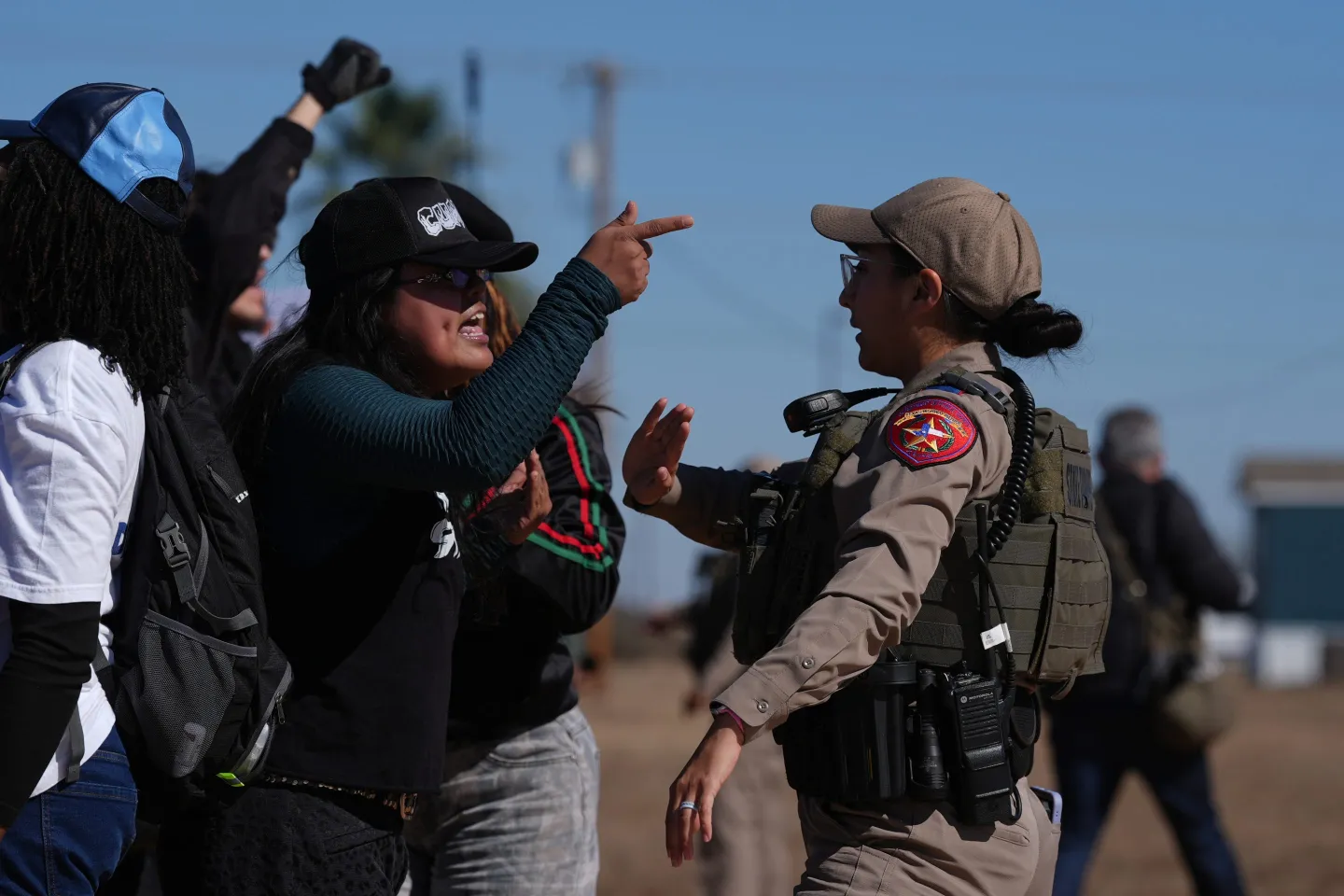
The public reaction to the case was swift and intense, with protests erupting in several cities across the U.S. against ICE’s treatment of Liam and his father. The incident was widely criticized as an example of the harsh and often traumatizing policies that have defined the U.S. immigration system in recent years. Human rights organizations and advocates for children’s rights pointed out that separating children from their parents, particularly for prolonged periods, can have severe psychological and emotional effects on young children like Liam. Supporters of the family called for an end to such practices, while also pushing for broader immigration reforms that prioritize family unity and the well-being of children.
The Role of Education Officials and Community Support
In the aftermath of Liam’s detention, officials from Columbia Heights Public Schools, where the young boy attended preschool, voiced their concern over the traumatic separation. They were actively involved in advocating for the family’s release and were instrumental in ensuring that Liam’s story reached a broader audience. School officials publicly expressed their support for the family, emphasizing the importance of protecting children from the harmful effects of detention. The school community rallied around Liam, calling for the boy’s immediate release and working with legal teams to ensure that his rights were respected throughout the legal process.
The Broader Impact
This case is part of a broader trend in U.S. immigration policy, where families have been subjected to separation during enforcement actions. The Trump administration’s controversial “zero-tolerance” policy, which led to the separation of thousands of children from their parents, cast a long shadow over current immigration practices. While the Biden administration has taken steps to halt such policies, incidents like the one involving Liam highlight that systemic issues within the immigration system continue to affect families. The debate over family separation remains a contentious issue, with advocates calling for an end to these practices and a shift toward policies that prioritize family unity and child welfare.
Looking Forward
While the immediate crisis of Liam’s detention has been resolved with his release, the family’s future remains uncertain. Adrian Conejo Arias is still facing an ongoing asylum case, and there is no guarantee that the family will be allowed to stay in the U.S. permanently. The ruling by Judge Biery does not grant permanent legal status but rather ensures that the family is treated humanely while their case is pending. For many immigration advocates, this ruling is seen as a small victory in the larger fight for immigrant rights, but it also underscores the need for comprehensive reform to prevent such cases from happening in the first place.
The Importance of Reforming Immigration Practices

The Conejo Ramos case serves as a reminder of the need for comprehensive immigration reform in the U.S. The current system, which often treats individuals and families as mere statistics in a broader immigration enforcement strategy, fails to take into account the profound emotional and psychological toll that separation has on children and parents alike. Reforms are necessary to ensure that family unity is prioritized and that children are protected from the trauma of detention. As the U.S. government faces increasing pressure to address these issues, the case of Liam and his father may help galvanize efforts to reshape how immigration policy is enforced, with a focus on compassion and human rights.
Conclusion
Liam Conejo Ramos and his father’s ordeal has highlighted the urgent need for reform in U.S. immigration practices. While the family has been reunited and released from detention, the broader implications of their case are far-reaching. It serves as a poignant reminder that immigration enforcement must be handled with greater care and humanity, especially when it involves young children. The fight for family reunification and the protection of children’s rights is far from over, and this case has brought renewed attention to the need for a more compassionate and just immigration system.