
Table of Contents
What’s Happening in Wales?
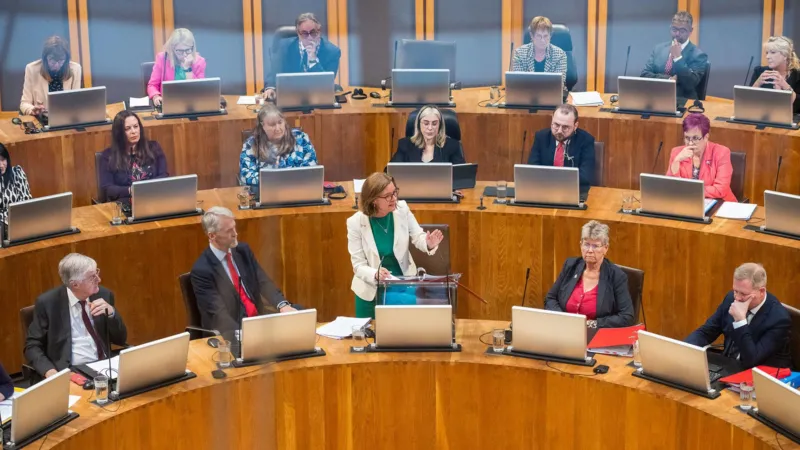
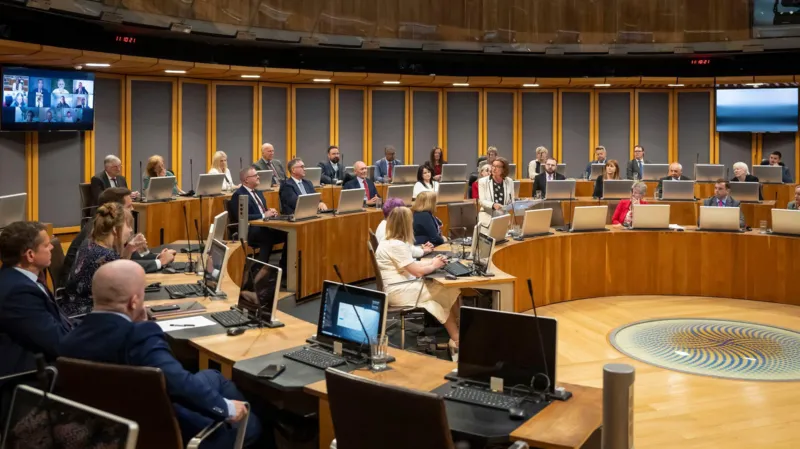
The new law, which is currently under discussion in the Welsh Assembly, seeks to hold politicians accountable for intentionally misleading the public. Under the proposed legislation, any elected official found guilty of deliberate falsehoods would face immediate dismissal from their position. This radical move is set to change the way politicians are held to account, challenging the current norms in politics where dishonesty often goes unpunished.
Why This Matters:

For years, the public has grown increasingly disillusioned with politicians, particularly in the wake of scandal after scandal where officials have lied or misled the public without facing any real consequences. This law aims to restore the trust between the government and the people it serves. By removing elected officials for dishonesty, Wales hopes to send a clear message that integrity will be a non-negotiable standard in political leadership.
Wales’ decision is timely, considering the growing concerns over political manipulation, fake news, and the erosion of truth in public discourse. With the rise of social media, politicians are now more exposed to public scrutiny than ever before, and the impact of a politician’s words has never been greater. This initiative aims to draw a hard line, asserting that politicians must be held to the same standards as any other public servant.
A Global First – Could Other Countries Follow Suit?
As the first country to propose such a law, Wales is setting a powerful example that could inspire other nations to take similar steps. The idea of holding politicians accountable for deliberate dishonesty may sound radical, but it raises important questions about the ethics of leadership in the modern world. If successful, Wales’ move could lead to a ripple effect, encouraging other countries to reconsider their policies surrounding political integrity and honesty.
Moreover, this initiative could change the way we view political campaigns and the role of media in shaping political discourse. Politicians could find themselves under intense scrutiny for every statement they make, knowing that failure to adhere to the truth could result in losing their position.
Implications for Political Integrity
The Role of Women in Shaping the Future of Eco-Friendly Design
This new law could fundamentally change the way politicians interact with the public. No longer could they take liberties with the truth or manipulate facts to suit their agendas. Politicians in Wales will now be required to act with greater responsibility and transparency. For voters, this could mean a more informed electorate, able to trust that the people they elect are bound by a strict code of conduct.
While the law is expected to face some resistance, especially from politicians who might feel threatened by the prospect of losing their positions over a mistake or misstep, it is clear that this policy aims to create a higher standard for political leadership. If politicians know that their actions will be under intense scrutiny, it could lead to a more thoughtful and responsible approach to governing.
The Potential Challenges
Although this move has been praised for its boldness, it is not without potential challenges. One of the most significant hurdles is defining what constitutes a “deliberate lie.” Politicians often make statements that are later proven to be false, but distinguishing between intentional dishonesty and genuine mistakes or miscommunications could prove difficult. Furthermore, the law could open the door to political manipulation, where opposing parties might exploit this measure to remove politicians they disagree with, using accusations of lying as a tool to undermine their rivals.
There will also be concerns about the power dynamics involved in such a law. Who will decide what constitutes a deliberate lie, and how can this process be safeguarded against political bias or injustice? These are critical questions that must be addressed as the law is developed and tested.
A Future of Accountability in Politics

As Wales moves forward with this groundbreaking initiative, the world will be watching closely. If successful, it could reshape the political landscape, not just in Wales, but globally. It could signal a shift toward a new era of political accountability, where transparency and honesty become essential pillars of democratic governance.
In the long term, this could result in a much-needed cultural shift in how politicians conduct themselves in office, knowing that their words and actions have real consequences. By enforcing strict accountability for deliberate dishonesty, Wales could pave the way for a new standard of political integrity that could spread across the world.
Conclusion
Wales’ bold move to become the first country to remove politicians from office for deliberately lying marks a significant turning point in political accountability. By holding politicians accountable for their words and actions, the country is sending a powerful message that integrity in leadership must be the standard, not the exception. As the world watches this groundbreaking initiative unfold, it’s clear that Wales is leading the way in redefining what it means to be a responsible public servant in the 21st century.