
Table of Contents
- Rising Costs and Their Impact on Adoptions
- Overcrowding in Shelters and the Strain on Resources
- The Role of Breed-Specific Issues in Adoption Rates
- The Importance of Public Awareness and Education
- Community Involvement and Volunteer Efforts
- The Future of Animal Shelters and Stray Dog Populations
- Conclusion
Rising Costs and Their Impact on Adoptions
One of the most significant factors driving the decline in pet adoptions is the rising cost of living. In recent years, Americans have faced increasing economic challenges, from higher housing prices to inflation in food and healthcare. For many families, these financial strains have meant making difficult choices, with pet adoption often falling lower on the list of priorities. The costs associated with adopting a dog—such as adoption fees, vaccinations, food, and medical care—have only grown as the cost of living continues to rise.
Animal shelters and rescue organizations are also feeling the financial squeeze. Higher food prices for the dogs in their care, as well as increased veterinary expenses, make it more difficult for shelters to maintain operations at the same level of care. With limited budgets, many shelters are finding it increasingly difficult to care for an ever-growing number of stray and abandoned dogs. As a result, many of these shelters are forced to limit their intake or extend the time animals spend in their care, which further exacerbates the problem of overcrowding.
Moreover, as pet adoption costs rise due to increased operational expenses, fewer families are opting to adopt. People who may have once been open to bringing a dog into their home are now deterred by the financial commitment involved. As adoption rates fall, more dogs end up stuck in shelters, waiting for homes that may never come.
Overcrowding in Shelters and the Strain on Resources
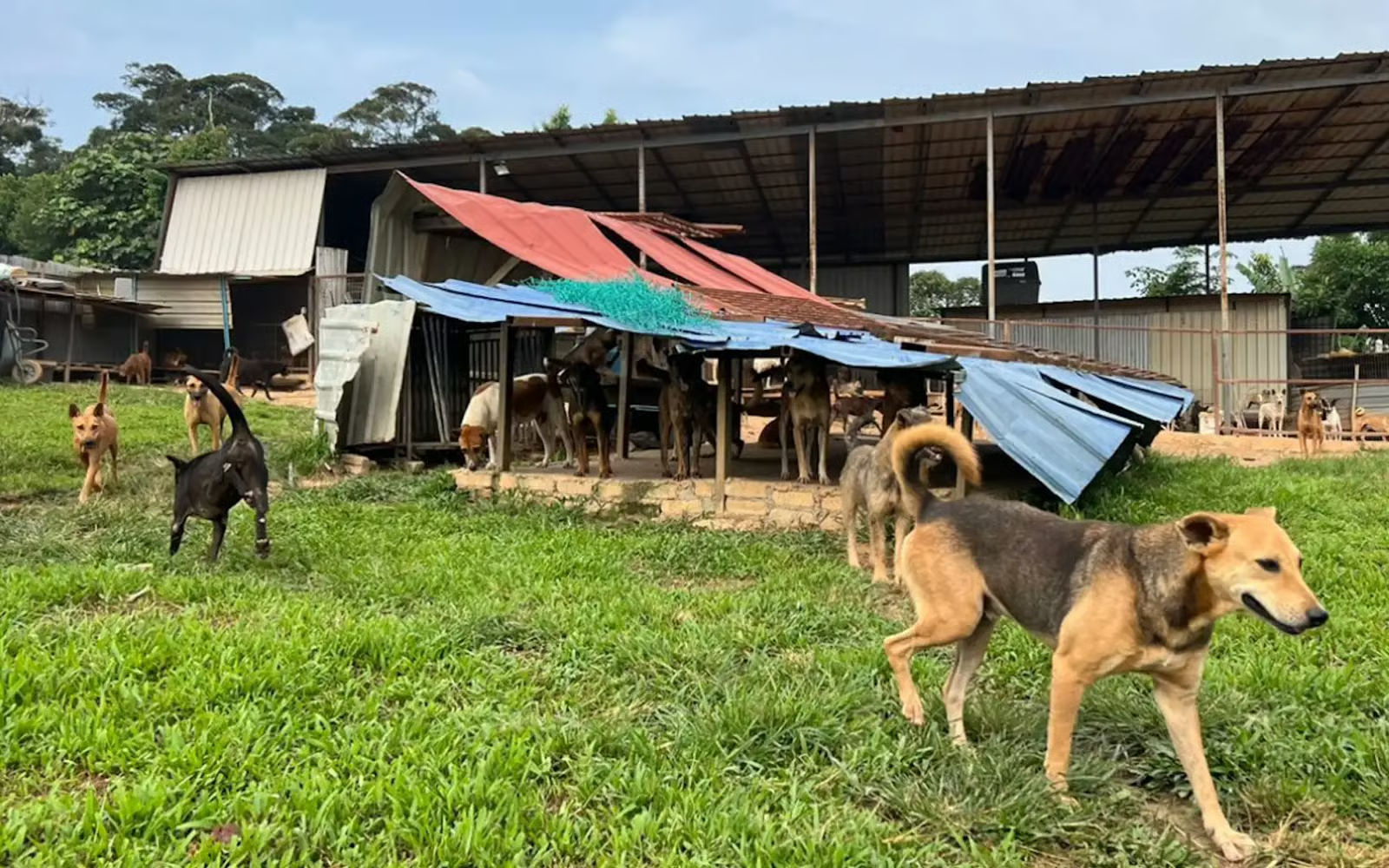
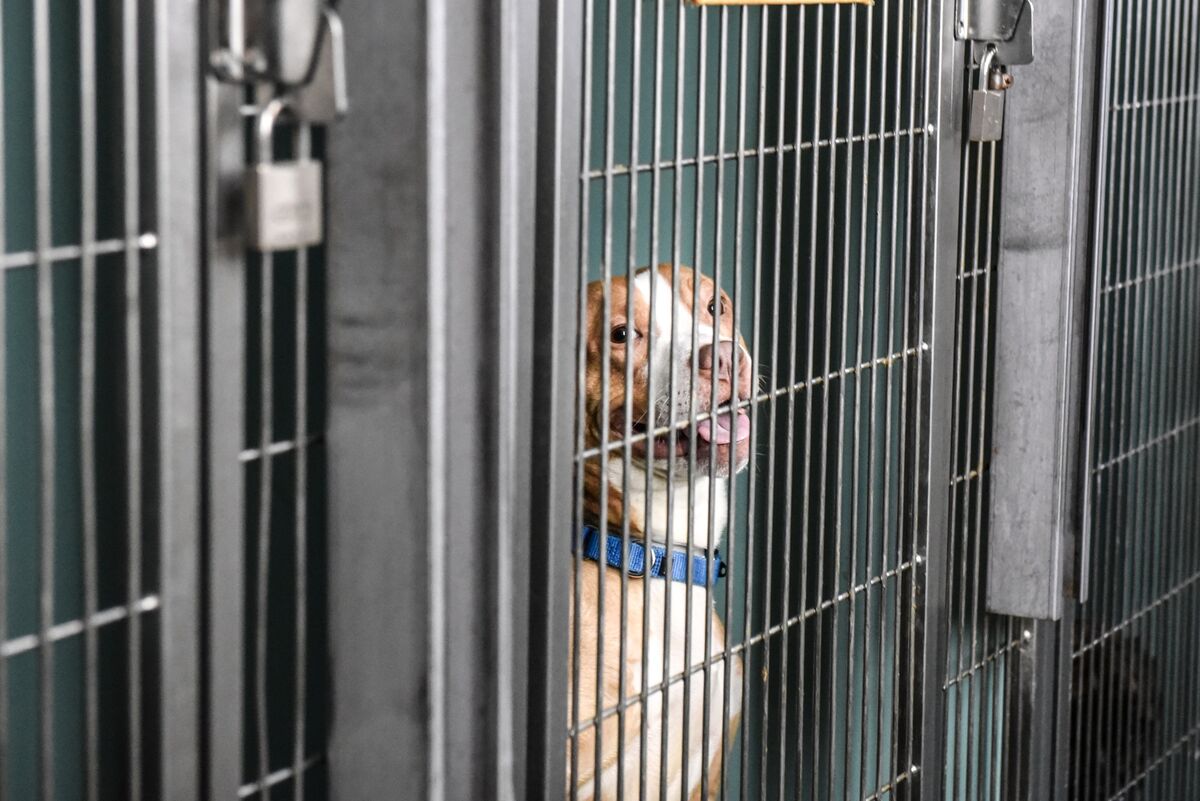
The growing number of stray dogs entering shelters is placing a significant strain on resources. Many shelters were already operating near capacity before the surge in abandoned animals began. With more and more dogs being surrendered or found on the streets, shelters are struggling to provide adequate space, care, and attention to each animal.
Overcrowding in shelters not only creates a stressful environment for the dogs, but it also makes it more difficult for them to find permanent homes. When dogs are housed in large, overcrowded conditions, they often experience higher levels of stress, which can lead to behavioral issues. This in turn reduces the likelihood that they will be adopted. Potential adopters often shy away from dogs with behavioral problems, and many shelters are left with limited options for rehoming the animals in their care.
Shelters are also facing logistical challenges in managing the increasing populations of stray dogs. Limited space means that some animals are housed in temporary kennels or waiting areas for extended periods, which can affect their overall well-being. The need for additional funding, staffing, and volunteers is more critical than ever, yet many shelters are operating on tight budgets, making it difficult to meet the growing demand.
The Role of Breed-Specific Issues in Adoption Rates
Another factor contributing to the growing number of stray dogs in shelters is the issue of breed-specific preferences among potential adopters. Many animal shelters report that certain breeds, particularly larger or less commonly adopted ones, tend to remain in the system longer than others. Breeds like pit bulls, Rottweilers, and Doberman pinschers often face stigmas, which make them less likely to be adopted, despite being loyal, loving pets.
While some shelters have made efforts to promote breed-neutral adoption policies, the public’s preference for specific breeds remains a significant challenge. Families often seek out smaller or “easier” breeds, which further limits the number of dogs adopted and prolongs the wait for those less popular breeds.
Breed-specific legislation, which bans or restricts certain breeds in some cities and states, also contributes to the problem. Dogs of certain breeds are more likely to be abandoned by their owners due to these restrictions, and they may face further challenges in finding a home as potential adopters are reluctant to take on a dog they fear might be banned or restricted.
Shelters are now tasked with finding ways to promote adoption for all breeds, regardless of stigma. While some organizations have made strides in this area, it is clear that breed-specific biases remain a major barrier to achieving a higher adoption rate.
The Importance of Public Awareness and Education
Addressing the issue of rising stray dog populations and declining adoptions requires a concerted effort from both shelters and the public. Educating the public about the importance of adoption and the realities of pet ownership is crucial to reversing the current trend. Many people may not fully understand the challenges that come with adopting a dog, including the financial responsibilities, the time commitment, and the emotional support required.
Public awareness campaigns aimed at reducing the stigma surrounding adoption and promoting the benefits of giving a dog a forever home can help to shift attitudes. These campaigns can also emphasize the importance of spaying and neutering pets to reduce the number of unwanted litters that contribute to the growing number of stray dogs.
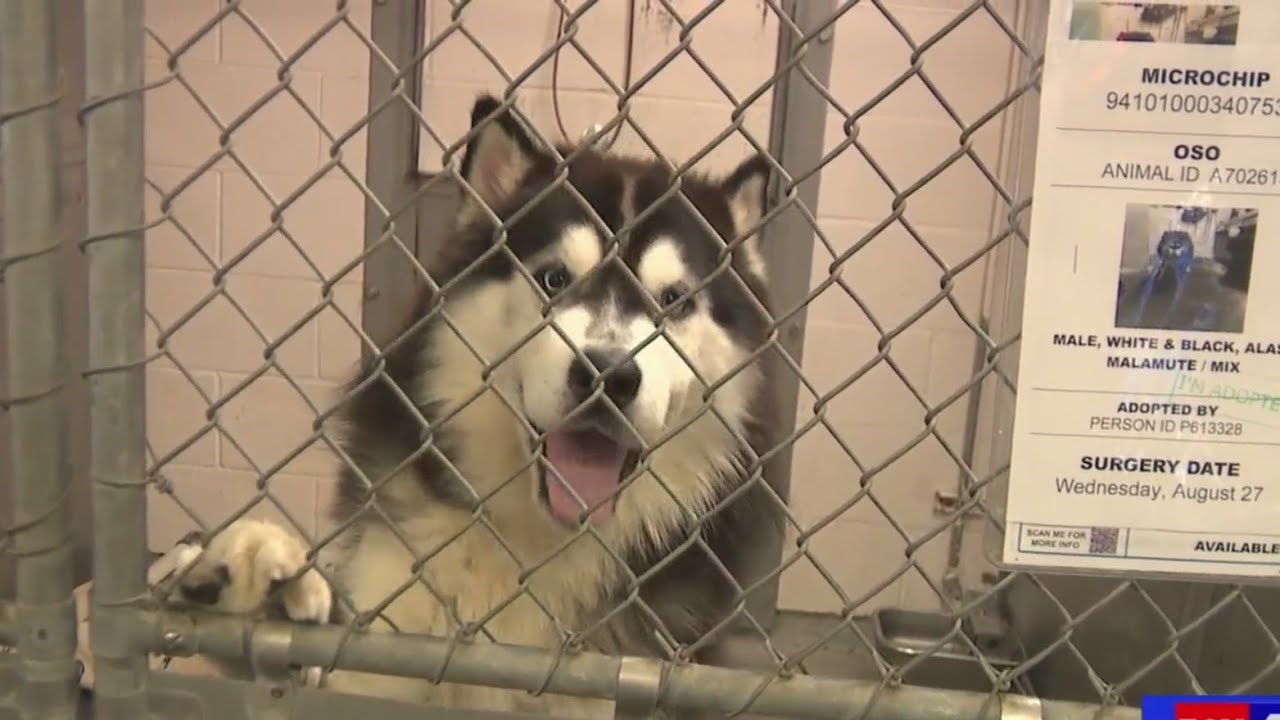
Shelters can also play a role by making the adoption process easier and more accessible. Reducing adoption fees, offering incentives like free vaccinations, or providing financial assistance for families in need can help lower the barriers to adoption. Additionally, offering more detailed profiles of the dogs available for adoption, highlighting their personalities and special needs, can help potential adopters see the value in adopting dogs that might otherwise be overlooked.
Community Involvement and Volunteer Efforts
Community involvement plays a vital role in helping shelters manage the growing population of stray dogs. Volunteers are often the lifeblood of animal shelters, providing essential services such as walking dogs, cleaning kennels, and helping with adoption events. In many communities, volunteer groups and nonprofit organizations are stepping up to provide additional resources, funding, and support for local shelters.
Volunteer-run initiatives, such as pet adoption events, online fundraising campaigns, and local awareness efforts, are making a real difference in raising funds and connecting dogs with new homes. These efforts can help alleviate some of the strain on shelters, allowing them to continue caring for the animals while also promoting adoptions.
More community involvement in the form of pet fostering is also a key solution. Many shelters rely on foster families to temporarily care for dogs before they are adopted, easing the burden on overcrowded facilities. Foster families can also help dogs adjust to home life, making them more appealing to potential adopters.
The Future of Animal Shelters and Stray Dog Populations
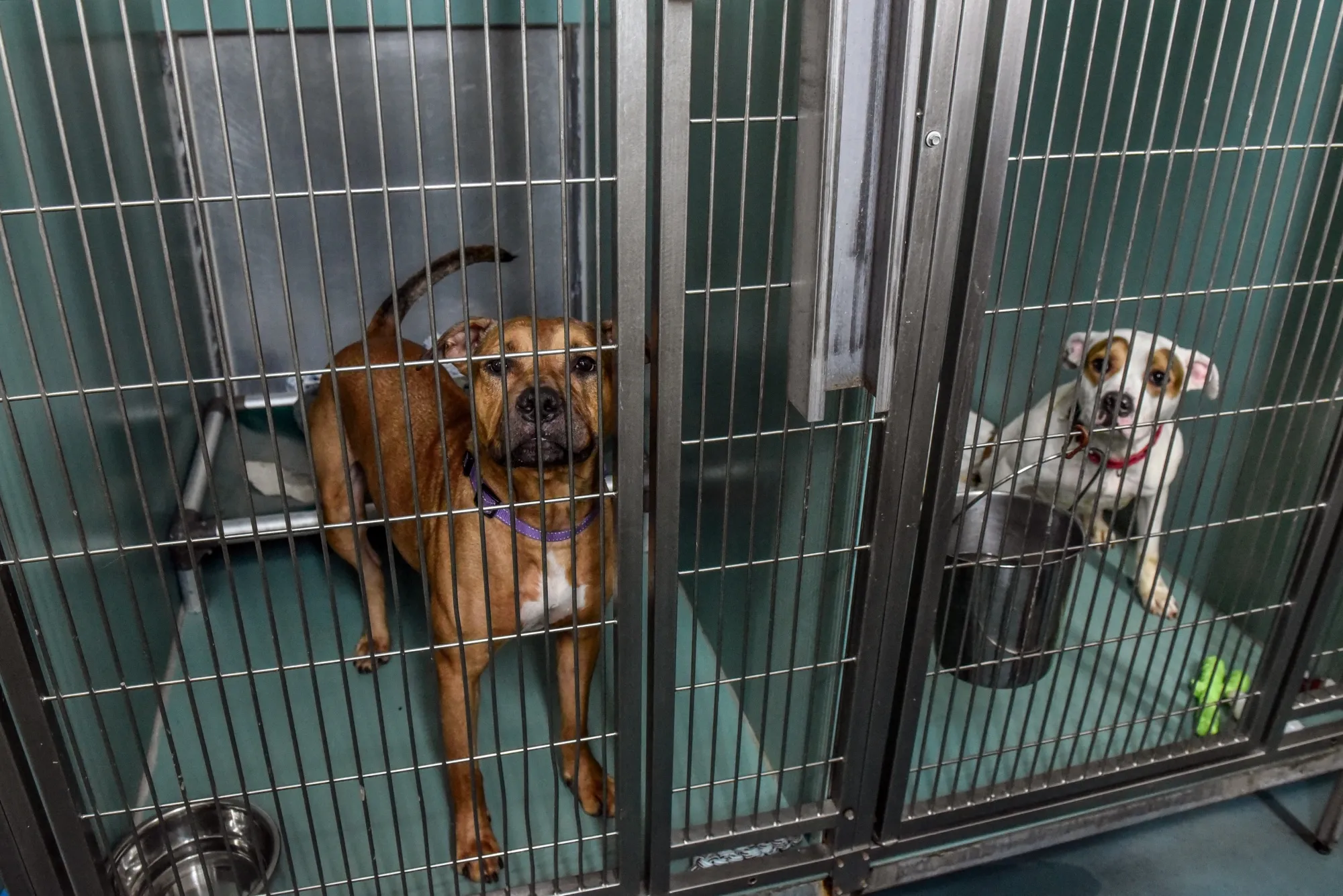
Looking ahead, the future of U.S. animal shelters depends on a variety of factors, including public support, legislative action, and broader social trends. Shelters must continue to adapt to the changing needs of both animals and potential adopters. While the situation is challenging, there are signs of hope.
The rising costs of pet ownership are undoubtedly a significant barrier to adoption, but shelters and organizations are working tirelessly to reduce these barriers and make adoption more accessible. Public awareness, increased funding, and a shift in cultural attitudes toward adoption can help to create a more sustainable future for shelters and the dogs in their care.
The growing trend of declining adoptions and increasing stray dog populations is a crisis that requires collective action from communities, governments, and animal welfare organizations. By working together, we can ensure that fewer dogs are abandoned, that more animals find loving homes, and that the overall well-being of animals in shelters improves.
Conclusion
The rise in stray dog populations and the decline in adoptions are complex issues driven by a combination of economic factors, public attitudes, and breed-specific biases. However, with increased awareness, community involvement, and efforts to reduce the financial burdens of adoption, there is hope that these challenges can be overcome. Animal shelters and rescue organizations continue to play a crucial role in protecting the welfare of dogs, but they need more support from the public and legislative bodies to tackle this growing crisis. As we move forward, it is essential to prioritize the needs of these animals and work toward creating a future where all dogs have the chance to find a forever home.