
Table of Contents
The Root Causes of Pet Abandonment in France
The summer months in France have long been associated with an increase in pet abandonment cases. As families embark on their vacations, some pet owners are unable or unwilling to make arrangements for their animals, leading to a rise in instances where pets are simply left behind. While some owners choose to surrender their pets to shelters, others resort to more callous actions, leaving animals tied to trees or abandoned in remote areas.
Several factors contribute to this issue, one of the most prominent being the lack of preparation for pet care during travel. Many owners fail to plan ahead by securing accommodations that allow pets or by arranging for trusted pet sitters or boarding services. As a result, some individuals choose the easiest and most irresponsible solution: abandoning their pets. This lack of forethought is compounded by the societal attitude toward pet ownership, with some people viewing animals as disposable once they become inconvenient or costly.
Another factor driving the surge in abandonments is the economic strain faced by many households. The rising cost of living, combined with inflation and economic uncertainty, has made it more difficult for some families to afford the costs of pet care. This includes the expenses of food, veterinary care, and pet-sitting services during the holiday season. Faced with these financial pressures, some pet owners make the tragic decision to abandon their animals rather than find a solution that involves additional costs.
The Impact on Animal Shelters

As the number of abandoned animals increases, animal shelters in France are struggling to keep up. Many shelters are already operating at full capacity, and the arrival of more animals only exacerbates the situation. Shelters are often overcrowded, leading to insufficient space for each animal, which can result in poor living conditions and increased stress for the animals.
One of the biggest challenges shelters face is the lack of resources. With limited funding, many shelters are unable to provide the necessary medical care, food, and attention that animals need. The surge in abandoned pets also means that shelters must allocate resources to caring for them rather than focusing on rehabilitation or adoption efforts. In some cases, shelters have had to turn away animals, a heartbreaking decision for staff and volunteers who are committed to animal welfare.
In addition to overcrowding, the rise in abandonment cases has placed significant strain on shelter workers. Many animal rescue organizations and shelters operate on tight budgets, with a small number of volunteers and staff members. As the volume of animals continues to increase, these workers are forced to take on more responsibilities, often leading to burnout and emotional distress. The toll on both the animals and the shelter staff is immense, making it clear that more support is needed to address the crisis.
The Psychological and Physical Toll on Abandoned Pets
The animals left behind during the summer months often suffer immense physical and psychological stress. Dogs, cats, and other pets abandoned on the roadside are frequently exposed to extreme temperatures, inadequate food, and a lack of water. Many animals are also injured during the abandonment process, either from being hit by cars or from exposure to hazardous conditions.
Psychologically, the trauma of being abandoned can have lasting effects on pets. Animals that have been cared for by humans often form strong emotional bonds with their owners. The sudden abandonment leaves many pets anxious, fearful, and confused. This trauma can manifest in behavioral issues such as aggression, fear of humans, or withdrawal. For older pets or those with pre-existing medical conditions, the stress of abandonment can exacerbate health issues, making it more difficult for them to recover once they are rescued.
Additionally, the increase in abandoned pets also impacts the public’s perception of animal welfare. As people witness more animals being discarded, the emotional response from the community becomes more visceral. Public awareness and empathy for these animals are growing, but the problem of abandonment remains a serious issue that requires collective action.
Efforts to Combat Pet Abandonment
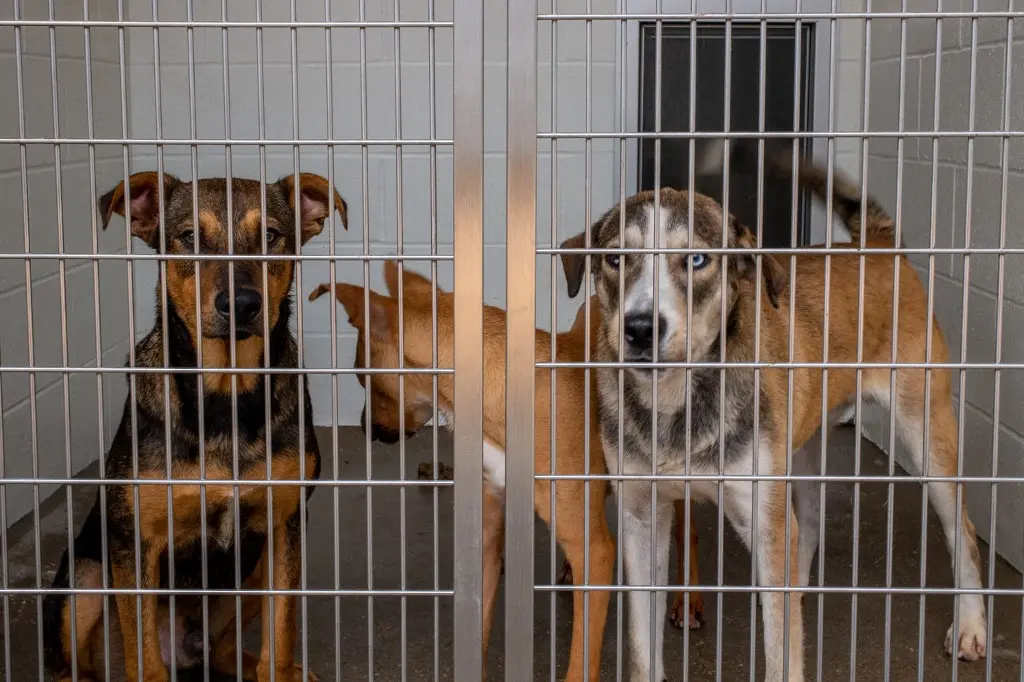
In response to the surge in pet abandonment, animal rights groups and government authorities in France have taken several steps to combat the issue. Animal rescue organizations have ramped up their awareness campaigns, educating the public about the importance of responsible pet ownership and the consequences of abandonment. These campaigns aim to encourage pet owners to plan for their pets during the summer months by making travel arrangements or using pet-sitting services instead of resorting to abandonment.
The French government has also taken measures to address the problem. In recent years, there has been an increase in penalties for pet abandonment, including fines and potential jail time for those caught abandoning animals. Additionally, the government has introduced regulations that require pet owners to microchip their animals, making it easier to track down and hold accountable those who abandon their pets.
Shelters and rescue organizations are also working together to create more resources for the public. This includes offering subsidized adoption fees, creating temporary foster programs, and working with local businesses to provide pet-friendly services during the holiday season. Despite these efforts, however, the ongoing issue of pet abandonment remains a challenge that requires broader systemic change.
The Role of Public Awareness and Education
Public education plays a crucial role in reducing pet abandonment. By raising awareness about the consequences of abandonment and the importance of responsible pet ownership, animal welfare organizations can help change attitudes and behaviors. In France, animal rights groups have been successful in spreading the message through social media campaigns, educational outreach, and collaboration with local governments.
One of the key aspects of these educational campaigns is emphasizing the long-term commitment required for pet ownership. Owning a pet is not just a short-term responsibility; it is a lifelong commitment that requires time, effort, and financial resources. Educating the public about the importance of spaying and neutering pets, as well as the availability of affordable care options, can help reduce the number of unwanted animals and prevent abandonment.
Furthermore, fostering a culture of empathy and compassion toward animals is essential in combating abandonment. By promoting the idea that animals are not disposable objects but rather living beings deserving of love and respect, society can begin to shift its views on pet ownership and responsibility.
Government Action and Policy Changes

In addition to public education and awareness efforts, government action is essential to addressing the issue of pet abandonment. Strengthening laws that protect animals, including those related to abandonment, is one key step in reducing the problem. Governments can also incentivize pet adoption by offering subsidies or tax breaks for those who choose to adopt from shelters.
Furthermore, the development of more robust animal welfare programs can provide the necessary support for shelters and rescue organizations. This can include providing funding for shelter infrastructure, increasing resources for animal care, and supporting public-private partnerships aimed at reducing the number of abandoned animals.
In France, there have been calls for stronger regulation of pet ownership, including measures to ensure that potential pet owners are properly educated about the responsibilities of pet care. These regulations could help prevent impulsive purchases of pets, ensuring that animals are placed in homes where they will be cared for properly.
The Need for Foster Programs and Adoption Support
Foster programs and adoption initiatives are critical in addressing the growing number of abandoned animals in France. By encouraging people to foster pets temporarily, shelters can alleviate some of the strain caused by overcrowding. Foster homes provide animals with a safe, loving environment while they await adoption, and they also allow potential adopters to see how the animal behaves in a home setting.
Animal welfare organizations are also working to improve the adoption process by reducing adoption fees, offering free medical care for pets, and providing ongoing support for new pet owners. Making adoption more accessible and less financially burdensome is key to ensuring that more pets are rehomed and given the care they need.
Conclusion:
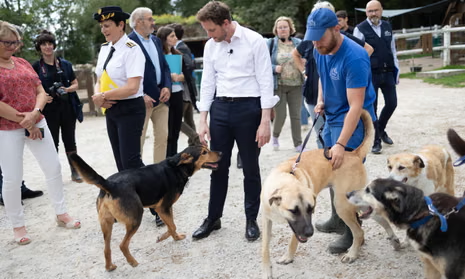
The rise in abandoned pets in France is a multifaceted issue that requires a collective effort to address. From educating the public about responsible pet ownership to improving shelter resources and advocating for stronger animal protection laws, there are numerous ways to tackle this problem. Daniel Henney’s involvement in the rescue of stray dogs shines a light on the importance of individual action, while public awareness campaigns and government initiatives can drive long-term change.
As more and more dogs are abandoned every year, it is crucial for communities, animal welfare organizations, and government authorities to work together to combat this growing crisis. The fight against pet abandonment is not just about saving individual animals; it is about fostering a culture of compassion and responsibility toward all living beings.