
Table of Contents
- The Current State of African Elephant Populations
- U.S. Restrictions on Elephant Imports
- The Ethical Implications of Elephant Imports for Hunting and Entertainment
- The Role of Conservationists in Protecting African Elephants
- The Impact of These Restrictions on the U.S. Hunting and Entertainment Industries
- International Reactions to U.S. Restrictions
- Conclusion:
The Current State of African Elephant Populations
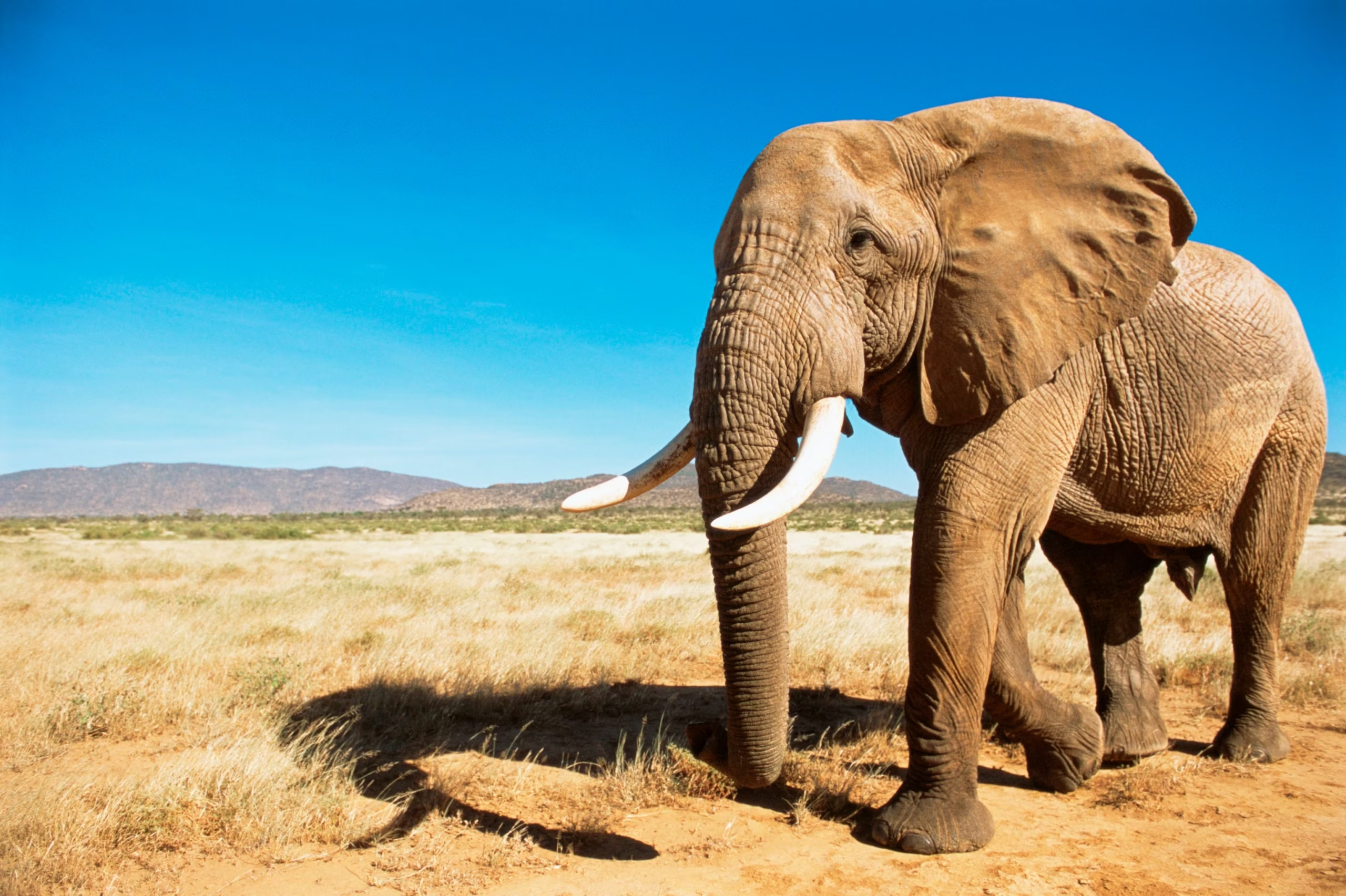
African elephants are currently classified as “vulnerable” by the International Union for Conservation of Nature (IUCN), with certain populations listed as “endangered.” Despite efforts by conservation organizations and governments to protect them, African elephants continue to face severe threats to their survival. Poaching for ivory, habitat destruction, and human-wildlife conflict are the primary drivers of the population decline.
The African elephant population has been decimated in recent decades, with estimates suggesting a significant reduction in numbers over the past 50 years. In particular, the forest elephants, a subspecies found primarily in Central Africa, have been particularly vulnerable, with their population plummeting by over 60% in the past three decades alone. While the savanna elephant populations are larger, they too are under immense pressure.
As the largest land mammals, elephants play an important ecological role in maintaining the balance of their habitats. Their activities, such as creating waterholes, dispersing seeds, and shaping the landscape, benefit many other species. As a result, the decline of African elephants has far-reaching consequences, not only for the elephants themselves but for entire ecosystems.
U.S. Restrictions on Elephant Imports
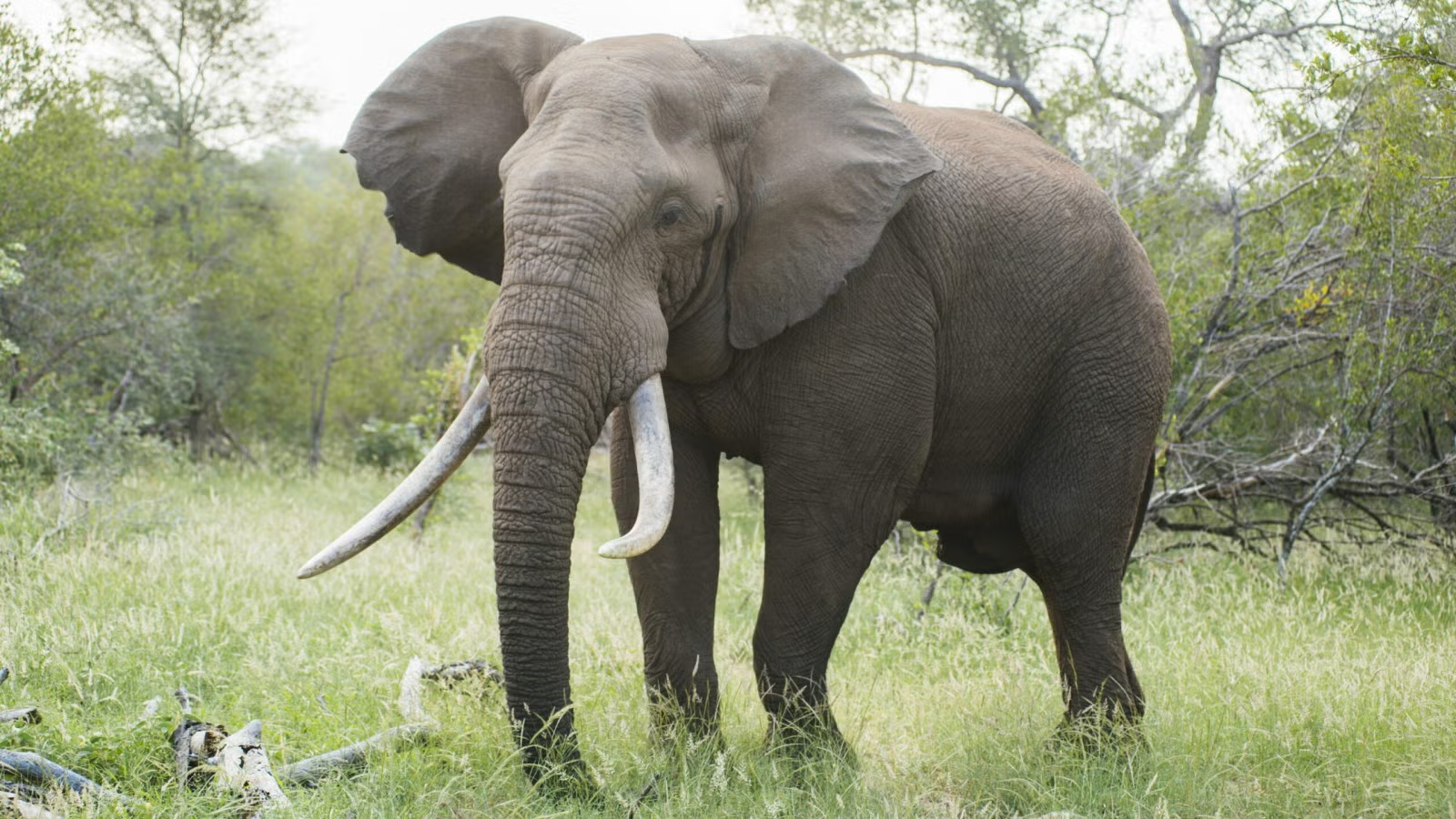
The U.S. has long been a destination for trophy hunters and wildlife enthusiasts seeking to import exotic animals, including African elephants. However, concerns over the ethics of such practices, as well as the broader impact on wildlife conservation, have led to growing calls for stricter regulations.
The new restrictions, which were introduced by the U.S. Fish and Wildlife Service (FWS), now make it more difficult for individuals to import live African elephants into the country for hunting or entertainment purposes. The new rules specifically target the importation of elephants captured from the wild for trophy hunting, as well as elephants that are brought into the U.S. for display in circuses or other forms of commercial entertainment.
Under the new guidelines, only elephants that are legally obtained from countries with strong conservation programs and that are not directly threatened by the hunting or entertainment industries will be eligible for import. Additionally, the U.S. government has implemented a more rigorous approval process, requiring permits for the importation of any elephants into the country.
While the new regulations do not prohibit the importation of all African elephants, they do significantly limit the scope of who can bring these animals into the U.S. and under what circumstances. This is seen as a critical step toward ensuring that African elephants are not further exploited for commercial gain.
The Ethical Implications of Elephant Imports for Hunting and Entertainment
The decision to restrict the importation of live African elephants for hunting and entertainment purposes comes amid a growing recognition of the ethical issues surrounding the practice. The idea of hunting an endangered species for sport, or of keeping such intelligent and social animals in captivity for public display, has long been controversial.
Trophy hunting, in particular, has been widely criticized for its negative impact on animal populations, with many conservationists arguing that the practice does not contribute to long-term conservation goals. Proponents of trophy hunting claim that it can help fund conservation efforts and promote wildlife management. However, opponents argue that the money generated from trophy hunting often fails to reach local communities and does little to benefit the species in the long term.
In addition to the ethical concerns surrounding trophy hunting, the use of elephants in entertainment, such as circuses, has raised questions about the treatment of these highly intelligent animals. Elephants are known to have complex social structures, deep emotional bonds, and strong cognitive abilities. Keeping them in captivity, particularly under stressful and unnatural conditions, can have detrimental effects on their health and well-being.
With the new restrictions in place, the U.S. is taking a firm stance against the exploitation of African elephants for these purposes, signaling a shift toward more humane and sustainable practices for wildlife management.
The Role of Conservationists in Protecting African Elephants
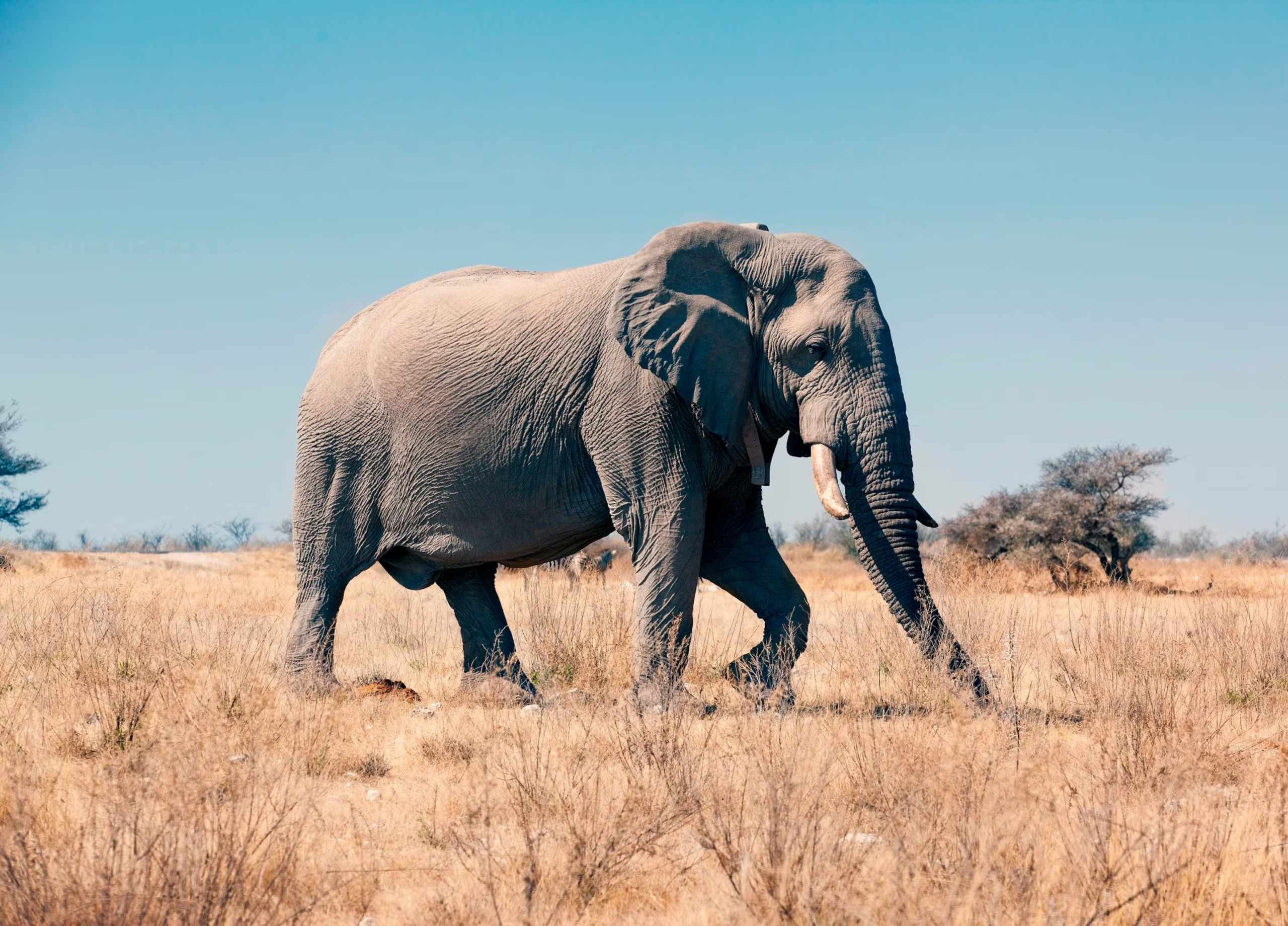
The decision to impose stricter import restrictions is a major victory for conservationists, who have long advocated for stronger protections for African elephants. Conservation groups have been vocal in their opposition to the trophy hunting and entertainment industries, arguing that such practices only exacerbate the threats facing elephants and undermine global conservation efforts.
Several conservation organizations have been working tirelessly to protect African elephants in their natural habitats. This includes efforts to reduce poaching, protect elephant corridors, and work with local communities to develop sustainable livelihoods that do not rely on exploiting wildlife. Additionally, many groups have focused on raising awareness about the importance of elephants to ecosystems and the need for global cooperation to protect these animals from extinction.
The U.S. decision to strengthen import restrictions is seen as an important step in supporting these efforts and sending a strong message to the world about the importance of protecting African elephants. By restricting the importation of elephants for hunting and entertainment, the U.S. is helping to reduce demand for these activities and encouraging more sustainable, ethical approaches to wildlife management.
The Impact of These Restrictions on the U.S. Hunting and Entertainment Industries
While the new import restrictions are a win for conservationists, they have sparked backlash from certain sectors of the hunting and entertainment industries. Trophy hunters, in particular, have criticized the regulations, arguing that they will harm the legal hunting industry and limit the ability to responsibly manage wildlife populations. Some have even suggested that these restrictions are part of a broader agenda to ban trophy hunting altogether.
Similarly, those involved in the entertainment industry have expressed concern about the impact these restrictions will have on their businesses. Many zoos, circuses, and other venues that rely on exotic animals for display and performances have raised concerns about the challenges posed by the new rules, including the difficulty of acquiring elephants for their exhibitions.
While these industries may face challenges as a result of the new restrictions, the U.S. government has emphasized that the goal of the regulations is to protect endangered species and ensure that animals are not exploited for commercial purposes. The restrictions are aimed at balancing the needs of conservation with the legitimate interests of businesses and industries that support animal welfare.
International Reactions to U.S. Restrictions
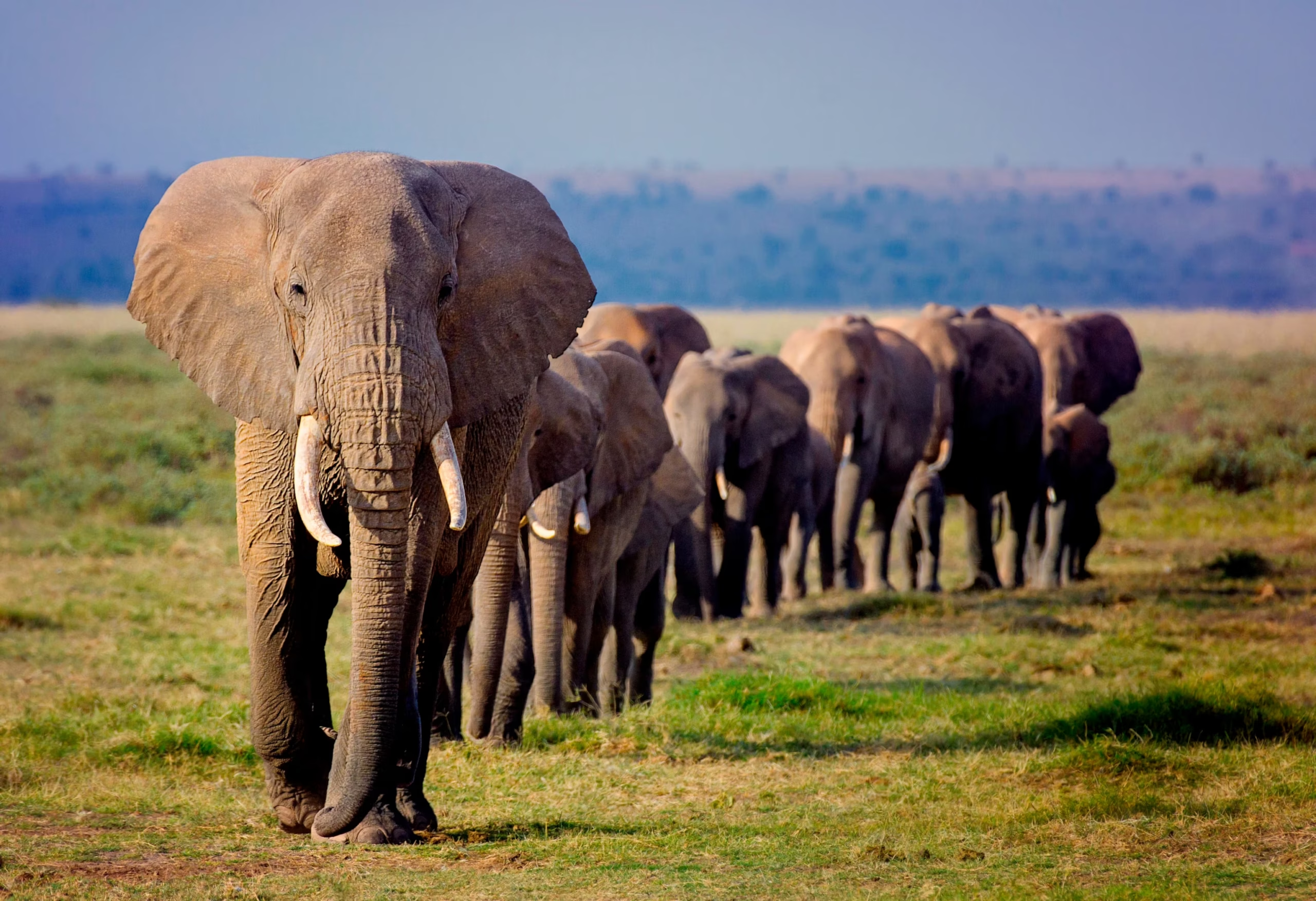
The U.S. move to strengthen its import restrictions on African elephants has been met with widespread praise from conservationists and animal welfare organizations around the world. Many countries, particularly in Africa, have expressed support for the decision, noting that it helps reinforce global efforts to protect endangered species.
At the same time, some countries that are involved in the legal export of elephants for trophy hunting or entertainment purposes have expressed concern. These nations argue that hunting, when done sustainably, can generate revenue that supports conservation efforts and local communities.
However, the overall international response has been largely positive, with many viewing the U.S. decision as an important step in the global fight against wildlife exploitation and for the protection of African elephants.
Conclusion:
The U.S. decision to strengthen import restrictions on live African elephants is a landmark development in the ongoing effort to protect these endangered animals. By cracking down on the importation of elephants for hunting and entertainment, the U.S. government has taken a bold stand for animal welfare and environmental sustainability.
This decision signals a shift in how we view our relationship with wildlife and serves as a reminder of the responsibility we bear to protect endangered species for future generations. The efforts of conservationists, supported by stronger regulations and international cooperation, are crucial in ensuring the survival of African elephants and other endangered species.