

Table of Contents
- A Shelter Accustomed To Goodbyes
- The Mother Dog’s Behavior That Caught Everyone’s Attention
- Why Puppies Are Often Separated From Their Mothers
- How Animals Process Separation
- Shelter Staff React To The Moment
- The Puppies’ Transition Into New Lives
- What This Story Reveals About Maternal Instinct
- Why This Moment Resonated With So Many People
- The Emotional Labor Of Shelter Work
- What This Means For How We See Animals
- A Quiet Lesson In Letting Go
- Closing Reflection
A Shelter Accustomed To Goodbyes
Animal shelters are environments built around transition. Volunteers and staff are trained to remain professional, compassionate, and focused on outcomes. They witness joy daily, but they also see loss. Over time, many learn to guard their emotions in order to keep going.
Yet moments like this break through even the strongest emotional boundaries. Shelter workers later described the atmosphere as still, almost reverent. No one rushed the process. No one spoke. They simply watched as the mother dog carried out what felt like a final duty.
The Mother Dog’s Behavior That Caught Everyone’s Attention

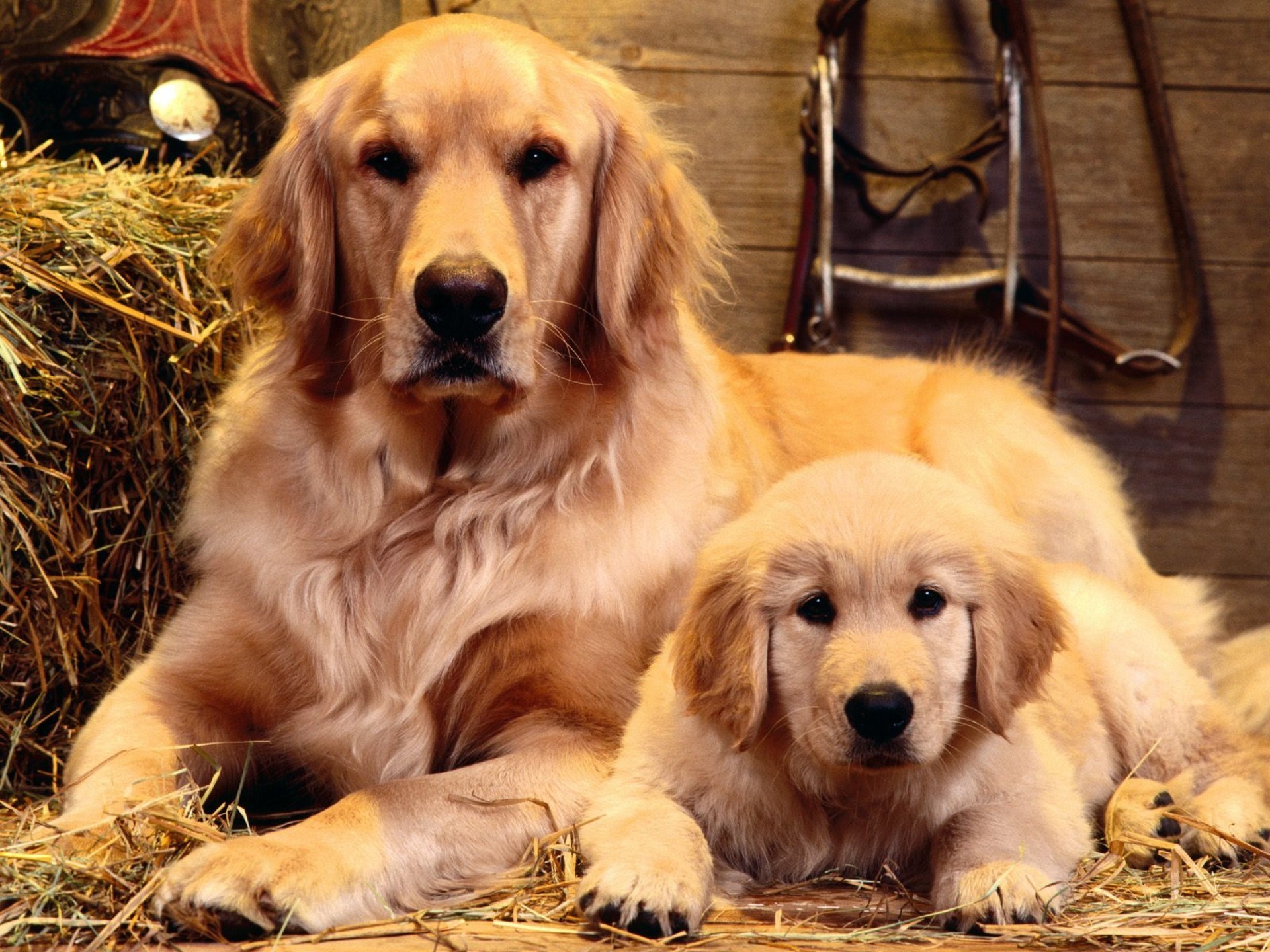
According to those present, the mother dog was calm throughout the process. She did not show aggression or panic. Instead, she moved slowly, sniffing each puppy, nudging them gently, and sitting beside them for several seconds before moving on.
Animal behavior experts explain that maternal instincts in dogs are deeply ingrained. Mothers recognize their offspring through scent, sound, and behavior. While dogs may not conceptualize goodbye the way humans do, they respond to change in ways that reveal awareness and attachment.
This mother’s actions suggested recognition that separation was imminent. Her behavior did not reflect confusion, but acceptance.
Why Puppies Are Often Separated From Their Mothers
In shelters, puppies are typically separated from their mothers once they reach an age where they can survive independently. This process increases adoption chances and allows shelters to place animals into stable homes more quickly.
While necessary, separation is never emotionally neutral. Puppies benefit from maternal interaction early in life, and mothers experience hormonal and behavioral shifts when their role ends. Shelters aim to balance animal welfare with practical realities.
What made this moment stand out was not the separation itself, but the clarity with which the mother dog seemed to experience it.
How Animals Process Separation
Scientific research shows that mammals experience bonding through chemical and neurological pathways. Oxytocin, often called the bonding hormone, plays a significant role in maternal attachment across species.
When separation occurs, animals may display signs of stress, withdrawal, or altered behavior. Some dogs pace. Others vocalize. Some become quiet and still.
In this case, the mother dog’s stillness was what struck observers most. Rather than resisting, she engaged. Rather than withdrawing, she connected.
Shelter Staff React To The Moment
Several staff members later admitted they struggled to hold back tears. Many had worked with animals for years and believed they had seen everything. This moment challenged that belief.
It reminded them that caregiving does not end just because circumstances change. The mother dog did not abandon her role simply because humans decided the time had come. She fulfilled it fully, then stepped aside.
One volunteer described the scene as watching someone place their child’s future above their own comfort.
The Puppies’ Transition Into New Lives
Soon after, the puppies were placed into adoption processes. They would go on to live lives shaped by families who might never know the depth of the moment that preceded their arrival.
Shelter workers often say that every adopted animal carries an invisible history. The love they receive did not begin at the shelter door. It began long before, often with a mother who protected them when no one else could.
The puppies left with wagging tails and curious eyes, unaware of the weight their departure carried.
What This Story Reveals About Maternal Instinct
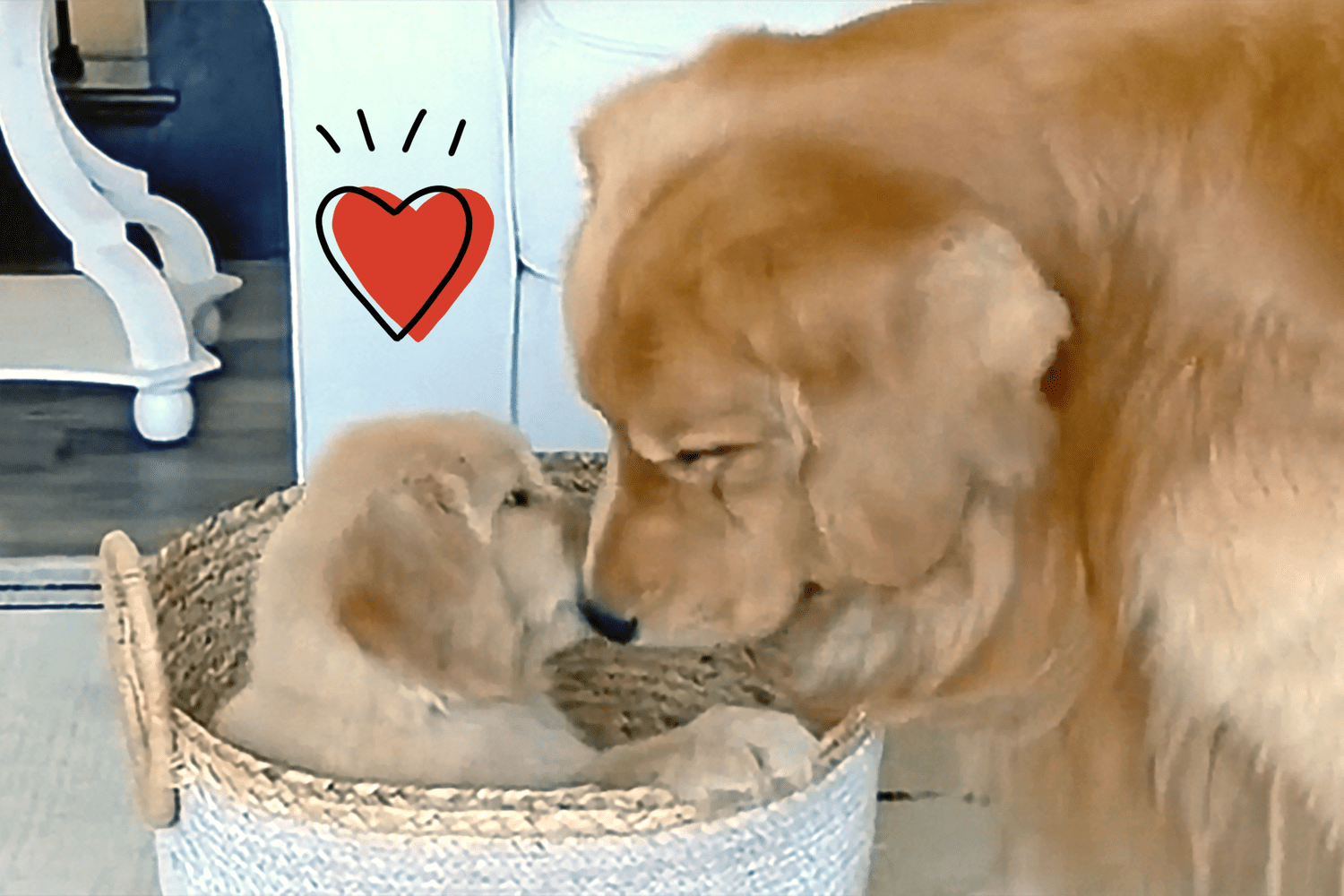
Stories like this challenge the idea that animals operate solely on instinct without emotional depth. While human emotions should not be projected directly onto animals, dismissing their capacity for attachment overlooks overwhelming evidence to the contrary.
Maternal behavior across species serves both survival and emotional regulation. Mothers prepare offspring not only physically, but socially. Letting go is part of that preparation.
In this case, the mother dog appeared to complete her role with intention.
Why This Moment Resonated With So Many People
When the story was shared, it resonated widely because it mirrored a universal experience. Letting go of someone you love for their own good is one of the most painful acts of care.
Parents across cultures recognize this feeling. The fear mixed with pride. The sadness paired with hope. The quiet understanding that love sometimes means stepping back.
The mother dog’s behavior reflected something deeply human, even while remaining purely animal in nature.
The Emotional Labor Of Shelter Work
Animal shelter staff often carry unseen emotional weight. They witness suffering, resilience, abandonment, and joy within a single day. Moments like this reinforce why burnout is common in animal welfare professions.
Yet they also reaffirm purpose. Witnessing love in its rawest form reminds workers why their efforts matter.
The story of the mother dog became one of those reminders.
What This Means For How We See Animals
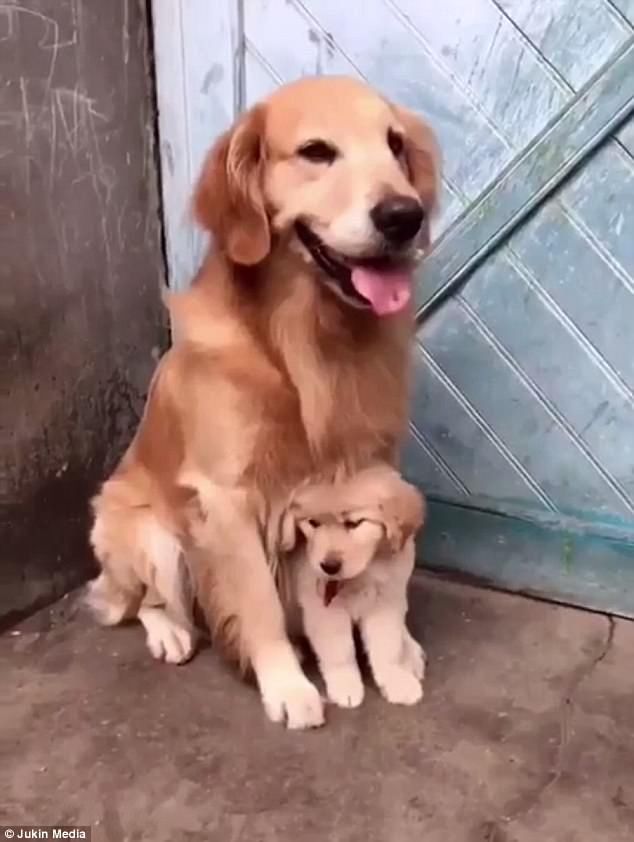
This moment invites reflection on how society views animals, particularly those in shelters. Too often, they are seen as problems to be solved rather than lives shaped by relationships and history.
Recognizing emotional depth does not weaken objectivity. It strengthens compassion.
When we acknowledge that animals form bonds, experience loss, and adapt with grace, we expand our understanding of responsibility.
A Quiet Lesson In Letting Go
There were no dramatic gestures, no frantic reactions. Just a mother dog sitting beside her puppies, one final time, before walking away.
In that silence was a lesson. Love does not always fight. Sometimes it trusts. Sometimes it releases.
For those who witnessed it, the moment stayed long after the room emptied.
Closing Reflection
The image of a mother dog saying goodbye to her puppies inside a shelter is not just a touching story. It is a reminder that love exists beyond language and beyond species.
In a world that often rushes past quiet moments, this one asked people to pause. To recognize care in stillness. To see strength in gentleness.
The puppies moved forward into new lives. The mother dog remained behind, having done what she came to do.