
Table of Contents
- Pam Bondi’s Position on the Epstein Files
- Democrats’ Push for Full Disclosure of the Epstein Files
- The Political Dimensions of the Epstein Files Debate
- The Role of the Media in Shaping the Narrative of the Epstein Files
- Implications for the Future of the Epstein Investigation
- What This Clash Means for the Integrity of the Justice System
- The Road Ahead
- Conclusion:
Pam Bondi’s Position on the Epstein Files
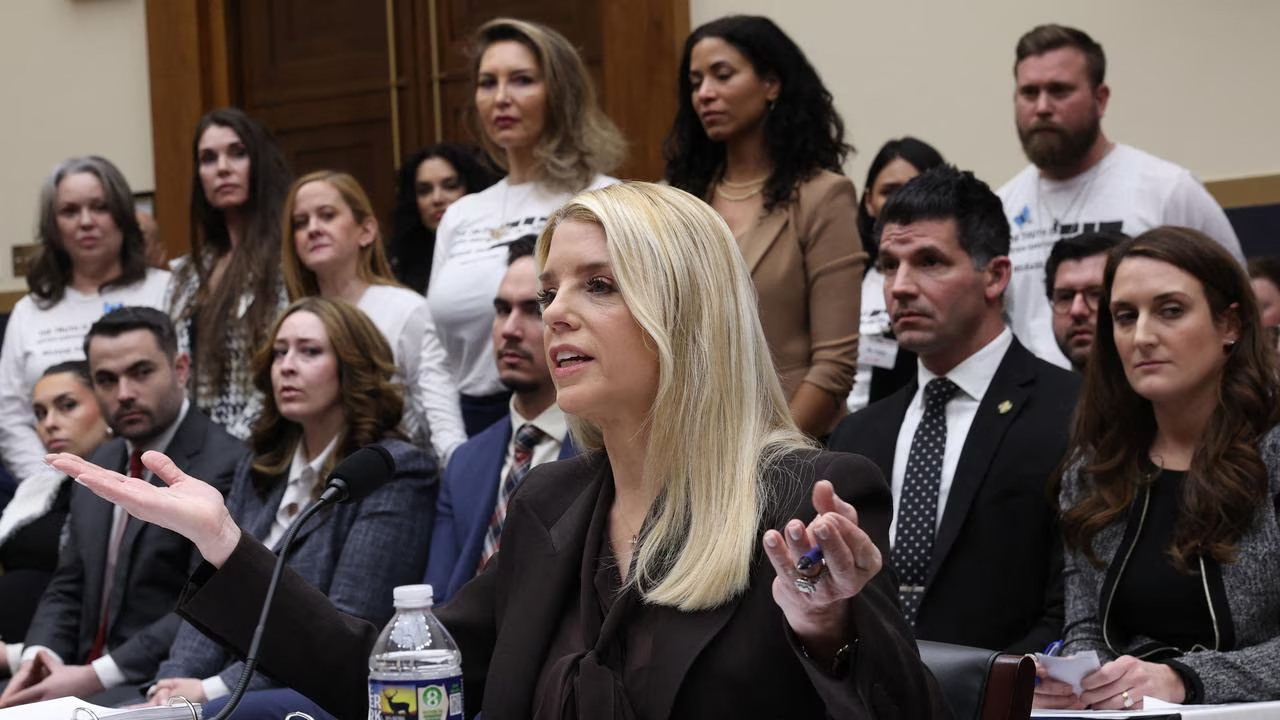
Pam Bondi, a former Florida Attorney General, has found herself at the center of the Epstein files controversy, defending her actions during the earlier stages of the Epstein investigation. Bondi has been a vocal supporter of the decisions made by state officials when Epstein was initially charged, and she has consistently defended the handling of the case, which resulted in a controversial plea deal in 2008 that many now view as insufficient.
In her defense, Bondi has argued that the handling of the Epstein files adhered to the law and the principles of due process. She insists that the focus of the investigation should remain on the facts of the case, and that political interference from any side would only undermine the pursuit of justice. Bondi’s stance is that, despite the highly public nature of the case, legal proceedings must proceed without political influence, and that efforts to politicize the investigation could lead to unintended consequences.
However, her stance has faced significant criticism from Democrats and other advocates of justice reform, who claim that Bondi’s involvement in defending Epstein’s plea deal, as well as her political connections, may have contributed to the leniency shown towards Epstein in the first place. This clash reveals deeper tensions about accountability in high-profile legal cases and raises questions about the role of political figures in prosecuting powerful criminals.
Democrats’ Push for Full Disclosure of the Epstein Files
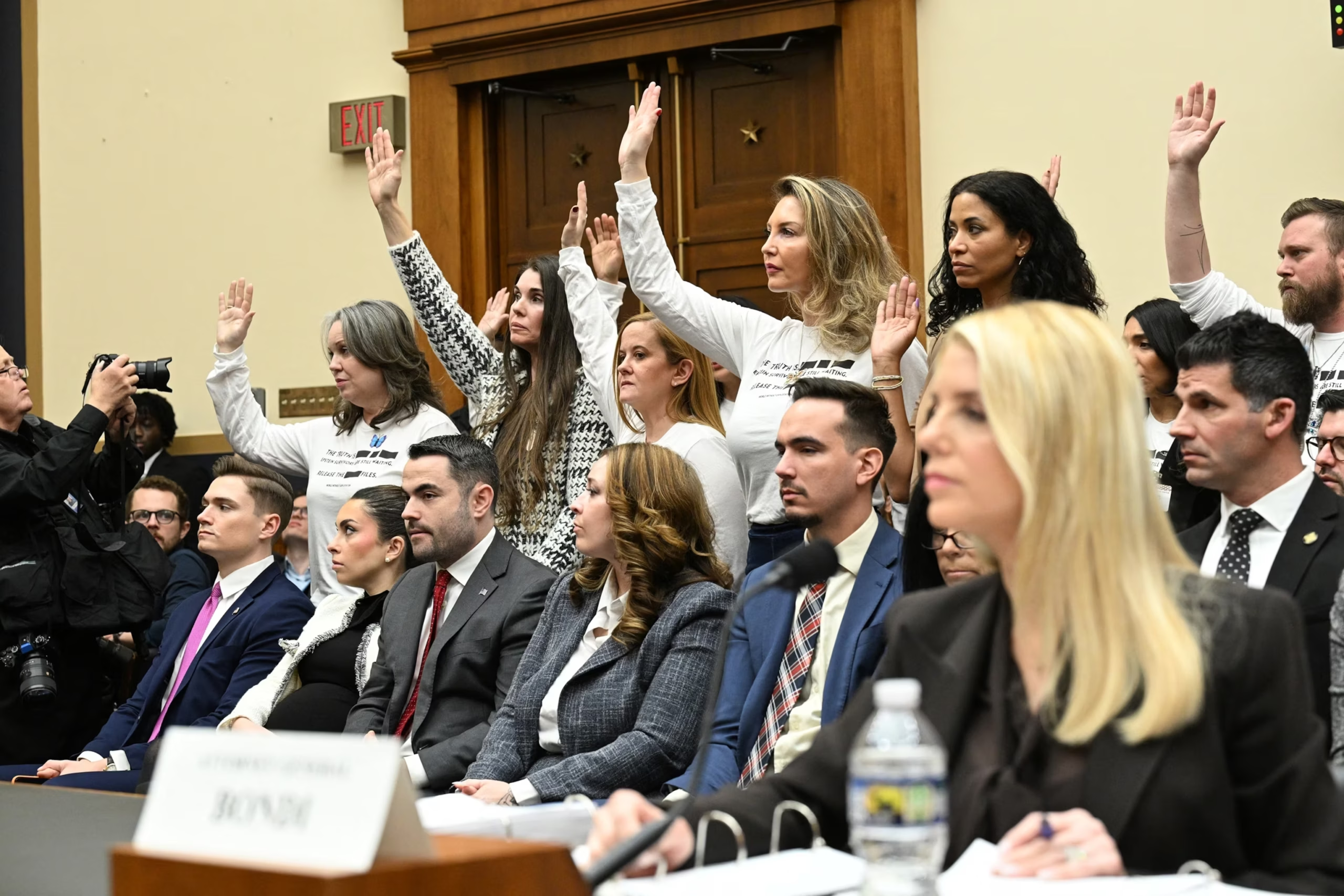
On the other side of the debate, Democrats have been vocal about the need for greater transparency regarding the Epstein files. They argue that the public has a right to know the full extent of Epstein’s criminal network, especially considering the high-profile figures involved in his activities. The Democrats have called for the release of documents, testimonies, and evidence that they believe have been kept hidden or obscured by officials in power, including Bondi’s office during the initial investigation.
Democratic lawmakers, including members of Congress, have been adamant that the full truth must come to light, not just for the victims of Epstein’s abuse, but for the sake of justice. They have emphasized that the Epstein case represents a broader issue of accountability, particularly for the powerful individuals who allegedly facilitated or turned a blind eye to his crimes. As part of their efforts, Democrats have pressed for investigations into the handling of Epstein’s case, including any possible involvement of figures like Bondi in ensuring Epstein’s lenient treatment.
The push for full disclosure also includes demands for the release of records related to Epstein’s high-profile associates, many of whom have yet to face any criminal charges despite their close relationships with the financier. For Democrats, the Epstein files are a crucial piece of evidence in uncovering the full scope of Epstein’s operations and ensuring that those complicit in his crimes are held accountable.
The Political Dimensions of the Epstein Files Debate
The clash between Bondi and Democrats over the Epstein files is not just a legal debate—it is also deeply political. The case has become a lightning rod for broader political battles over transparency, accountability, and the role of the government in pursuing justice. Bondi’s defense of her actions in handling the case, and her criticism of the push for more transparency, highlights the way in which political considerations have become entwined with the Epstein investigation.
For many Democrats, the Epstein case is a symbol of the need for reform in how powerful individuals are treated by the justice system. They argue that Epstein’s wealth, connections, and status allowed him to escape serious consequences for years, and that political influence played a role in his relatively light sentence. This battle is about more than just Epstein—it’s about the need to reform a system that seems to protect the powerful at the expense of justice for the victims.
Bondi, on the other hand, represents the defense of due process, where the legal process should not be subject to political whims. She has repeatedly emphasized the importance of allowing the judicial system to function without outside influence. For her, the public discussion of the case has become too politicized, with each side using the case to score political points rather than focusing on the facts.
The Role of the Media in Shaping the Narrative of the Epstein Files
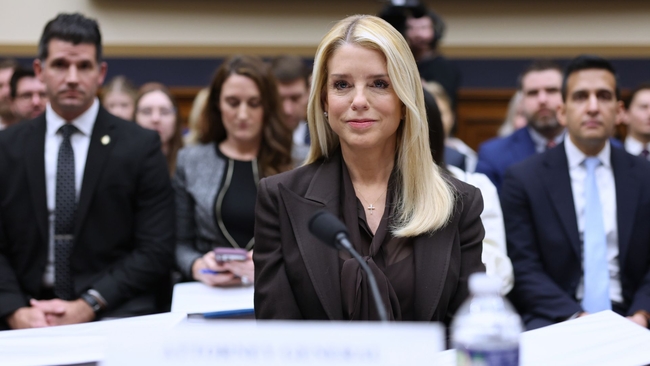
The media has played a critical role in shaping the public’s perception of the Epstein case, especially in regard to the handling of the Epstein files. News outlets have extensively covered the political battles between Bondi and the Democrats, with much of the focus being on the alleged mishandling of Epstein’s case in Florida and the implications of his plea deal.
In addition to covering the clash between political figures, the media has also spotlighted the broader issue of justice for Epstein’s victims, many of whom continue to demand accountability. The intense media coverage has brought the Epstein case into the forefront of public discourse, with the media acting as a pressure point for both sides of the debate.
However, some critics argue that the media’s sensationalist approach to the case has also contributed to the political division surrounding the Epstein files. By framing the debate in terms of partisan politics, the media may be obscuring the larger issue of justice for the victims, further polarizing the discourse.
Implications for the Future of the Epstein Investigation
The clash between Bondi and the Democrats raises important questions about the future of the Epstein investigation and the pursuit of justice for his victims. If the investigation continues to be politicized, it could become even more difficult to uncover the full scope of Epstein’s crimes and the individuals involved. While transparency is critical, ensuring that the investigation remains focused on the facts is equally important for achieving justice.
At the same time, the growing public demand for accountability has created an environment in which both political sides must carefully navigate the legal process. For the Epstein investigation to move forward effectively, it will be essential to separate the pursuit of justice from political gain and to ensure that victims receive the recognition and reparation they deserve.
What This Clash Means for the Integrity of the Justice System

The ongoing battle over the Epstein files also raises critical questions about the integrity of the justice system. Many are concerned that the political implications of the case may overshadow the pursuit of truth, potentially hindering the chances of securing justice for Epstein’s victims. The case has shown how the intersection of politics, media, and law can complicate high-profile criminal investigations.
For the justice system to maintain credibility, it must remain impartial and independent of political pressures. The Epstein case presents an opportunity to examine how well the system can navigate such high-stakes investigations, and whether it can withstand external pressure to influence the outcome. How the Epstein investigation progresses will have long-term implications for the future of judicial independence and the public’s trust in the legal system.
The Road Ahead
As the debate over the Epstein files continues to unfold, the future of the investigation remains uncertain. What is clear, however, is that the case will continue to be a focal point for political discourse, legal reform, and public outcry. Both sides in the debate—Bondi’s defense and the Democrats’ push for transparency—have valid points, but the ultimate goal must be justice for the victims.
The road ahead for the Epstein investigation will depend on the ability of law enforcement to focus on the facts and keep political influences at bay. As more information comes to light, it will be important to ensure that the focus remains on the victims and that those responsible for Epstein’s crimes are held accountable, no matter their political affiliations.
Conclusion:
The ongoing clash over the Epstein files is more than just a political fight—it is a defining moment for the integrity of the justice system. Pam Bondi’s defense of her role in the case and the Democrats’ push for transparency reflect the broader struggle between political influence and the pursuit of justice. As the investigation continues, it will be crucial to maintain a focus on the victims and ensure that those who were complicit in Epstein’s crimes are held accountable.
At the heart of the Epstein scandal lies a need for reform—whether it be in the legal system, the political process, or the way the media covers high-profile cases. The outcome of this clash will shape the future of the Epstein case and could have lasting implications for how future investigations into powerful figures are handled.