
Table of Contents
- Why the Epstein Files Remain So Controversial
- Massie’s Statement and What It Signals
- The Justice Department’s Position
- A Clash Between Transparency and Legal Restraint
- Public Reaction and Political Divides
- Why This Moment Feels Different
- Implications for Congressional Oversight
- The Risk of Public Disclosure
- Victims and the Search for Accountability
- What Happens If the DOJ Remains Silent
- A Reflection of a Larger Crisis of Trust
- What This Means Going Forward
- A Moment That Could Redefine Accountability
Why the Epstein Files Remain So Controversial
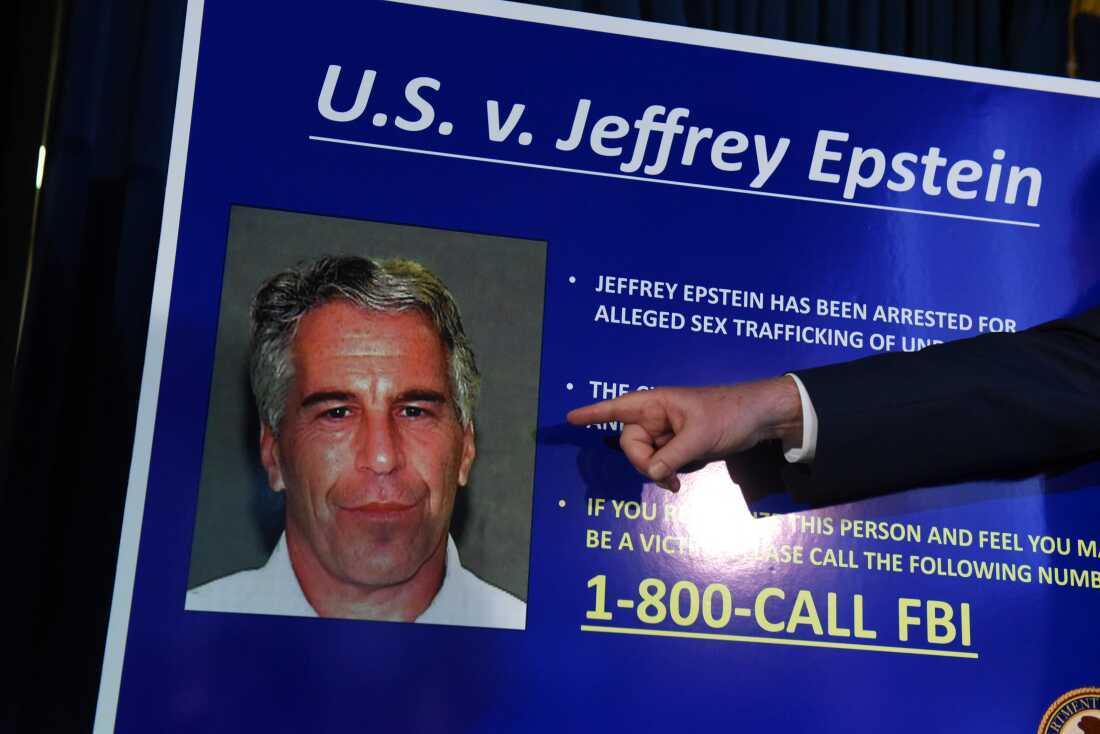
The files connected to Jeffrey Epstein have occupied a unique place in the American public consciousness. Epstein’s arrest on federal sex trafficking charges and his death while in custody left behind an incomplete narrative, one filled with suspicion rather than closure. Central to that unease is the belief that Epstein did not operate alone, and that powerful individuals may have escaped scrutiny.
Court documents, witness testimony, and investigative records have long hinted at a broader network. Yet many of the most sensitive names have remained sealed or redacted. This gap between what is known and what is officially acknowledged has fueled years of speculation, eroding trust in institutions tasked with enforcing justice.
Massie’s Statement and What It Signals
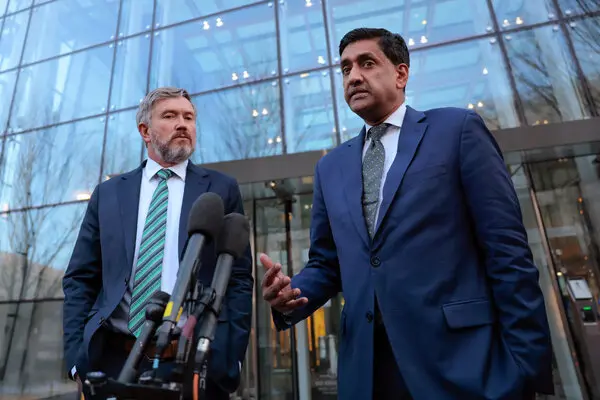
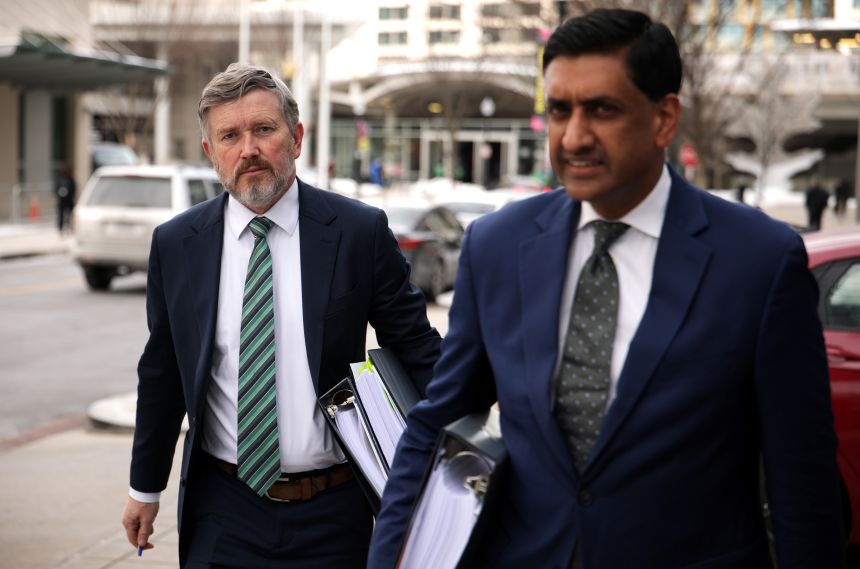
Thomas Massie’s warning marks a notable escalation. By stating that he is prepared to read names publicly if the Justice Department does not act, Massie reframed the debate from one about legal process to one about moral urgency. His position suggests that transparency is no longer optional but necessary to restore credibility.
Massie has framed his stance not as an act of defiance, but as a response to prolonged silence. According to him, continued withholding of names feeds the perception that elites receive protection unavailable to ordinary citizens. Whether symbolic or actionable, his words have intensified scrutiny on federal authorities.
The Justice Department’s Position
The Justice Department has maintained that releasing names from the Epstein files requires careful legal consideration. Officials have cited concerns about due process, privacy, and the risk of defaming individuals who have not been charged with crimes. From a legal standpoint, inclusion in investigative files does not equate to guilt.
However, critics argue that this caution has stretched on too long. They point to the extraordinary nature of the case and the volume of public interest as reasons for greater openness. To them, withholding information has become a liability rather than a safeguard.
A Clash Between Transparency and Legal Restraint
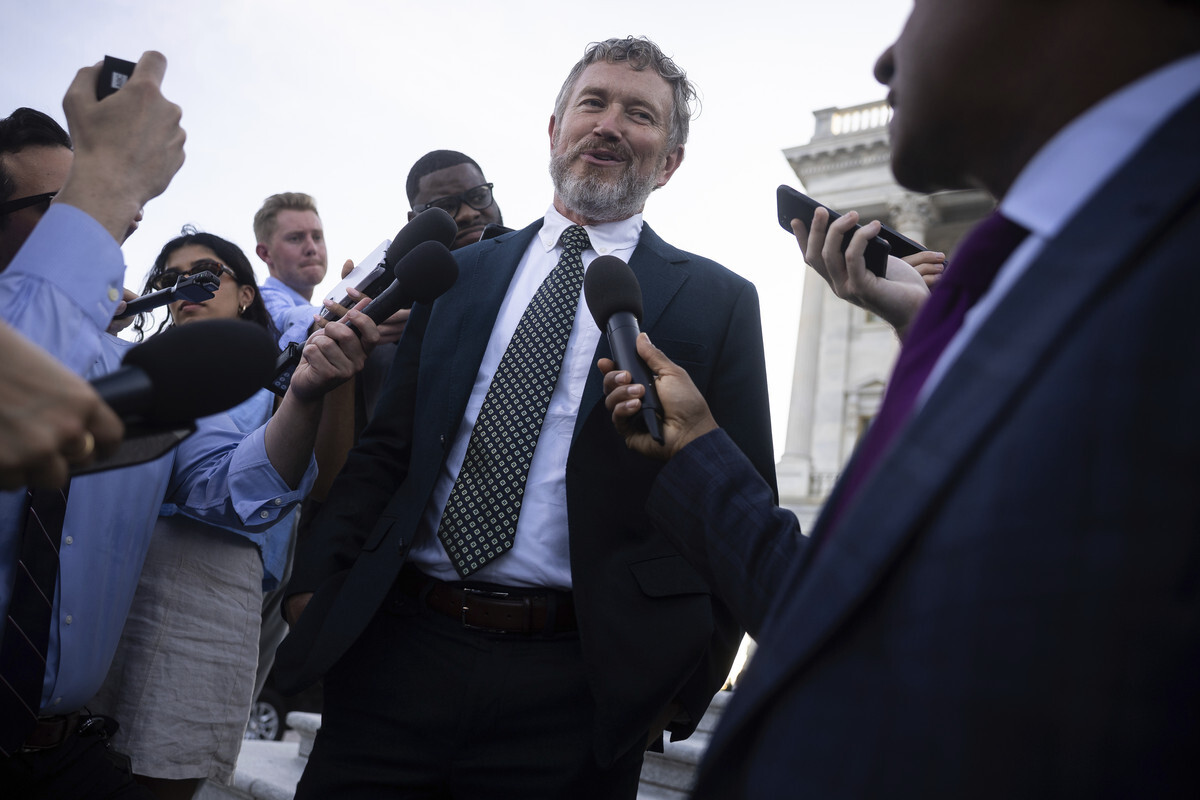
At the heart of the issue lies a fundamental tension. Transparency advocates argue that democracy depends on public access to information, especially when allegations involve powerful figures. Legal experts counter that reckless disclosure can undermine justice itself.
Massie’s threat forces this tension into the open. If names are read publicly without official release, the act could bypass institutional safeguards while amplifying reputational harm. Supporters see this as necessary pressure. Critics warn it could set a dangerous precedent.
Public Reaction and Political Divides
Public response to Massie’s statement has been deeply divided. Some applaud his willingness to confront what they view as institutional stonewalling. Others accuse him of politicizing a sensitive issue for attention or leverage.
Within Congress, reactions mirror broader ideological splits. Some lawmakers have echoed calls for transparency, while others urge restraint, emphasizing that justice should not be driven by public outrage alone. The debate reflects wider anxieties about how power is distributed and protected in modern America.
Why This Moment Feels Different
Calls to release the Epstein files are not new, but the current moment carries added weight. Confidence in public institutions has declined sharply in recent years. Against that backdrop, unresolved cases involving wealth and influence resonate more deeply.
Massie’s remarks arrive at a time when secrecy itself is often interpreted as guilt. In such an environment, even legally justified delays risk being seen as deliberate obstruction. This dynamic has transformed a legal question into a political and cultural flashpoint.
Implications for Congressional Oversight
If the Justice Department continues to withhold names, Massie’s statement raises questions about the role of Congress in oversight. Lawmakers possess tools to demand accountability, but rarely invoke them so publicly.
The situation could prompt hearings, subpoenas, or legislative action aimed at forcing disclosure. Even if Massie never follows through on his threat, the pressure alone may alter how federal agencies handle sensitive cases in the future.
The Risk of Public Disclosure

Despite the push for transparency, experts caution that public disclosure carries risks. Names mentioned in Epstein-related files may appear due to proximity rather than participation. Without context, disclosure can blur crucial distinctions between accusation, association, and guilt.
This complexity underscores why courts typically control document release. Yet the longer the files remain sealed, the stronger the argument becomes that institutional caution is enabling distrust rather than preventing harm.
Victims and the Search for Accountability
For survivors of Epstein’s abuse, the debate over names is emotionally charged. Some see disclosure as validation after years of silence. Others worry that focusing on prominent figures distracts from survivor-centered justice.
Advocates emphasize that accountability should extend beyond exposure. Naming individuals is only meaningful if it leads to investigation, reform, and prevention. Otherwise, disclosure risks becoming spectacle rather than progress.
What Happens If the DOJ Remains Silent
If the Justice Department maintains its current position, Massie’s threat may force a reckoning. Either federal authorities release more information, or Congress faces a test of how far it is willing to go to compel action.
Such a standoff would place unprecedented pressure on the boundaries between legislative oversight and judicial independence. It would also raise uncomfortable questions about whether existing legal frameworks are equipped to handle cases involving extraordinary public interest.
A Reflection of a Larger Crisis of Trust
The Epstein files controversy is ultimately about more than one case. It reflects a broader crisis of trust in institutions perceived as shielding the powerful. Massie’s declaration taps into that sentiment, channeling public frustration into a stark ultimatum.
Whether his approach strengthens transparency or undermines due process will remain a matter of debate. What is clear is that silence is no longer being accepted as neutral.
What This Means Going Forward
As attention intensifies, the coming weeks may prove decisive. The Justice Department faces growing pressure to explain its position more clearly. Congress must decide whether rhetoric will turn into action.
The Epstein files, long a symbol of unresolved injustice, are once again at the center of national attention. This time, the question is not only what the files contain, but who will take responsibility for revealing the truth.
A Moment That Could Redefine Accountability
Thomas Massie’s warning may ultimately change nothing, or it may mark a turning point. By threatening to act independently of federal authorities, he has challenged the traditional pace and process of disclosure.
The outcome will shape how future high-profile cases are handled. It will also signal whether transparency is a principle enforced only when convenient, or one defended even when uncomfortable.