
Table of Contents
- The Video That Sparked the Response
- Why Obama’s Response Carries Weight
- A Broader Message Beyond One Video
- Public Reaction to Obama’s Remarks
- Trump’s Approach to Provocation
- Race and Political Messaging in America
- Why Many Americans Find It Troubling
- The Role of Former Presidents in Public Debate
- Media Amplification and Its Consequences
- Political Tensions Ahead of the Election
- The Emotional Cost of Divisive Rhetoric
- A Test of Leadership and Responsibility
- What This Moment Reveals About America
- What Happens Next
- A Broader Reflection on the Future
The Video That Sparked the Response
The video shared by Trump circulated rapidly online, drawing condemnation from civil rights groups, political leaders, and ordinary citizens. Critics argued that its imagery and messaging reinforced harmful stereotypes and inflamed racial divisions at a moment when tensions were already high. Supporters of Trump dismissed the backlash as overreaction, insisting the video was taken out of context or misinterpreted.
Regardless of intent, the response was swift and intense. The video became a focal point for deeper frustrations about race, identity, and power in American politics. It was within this charged atmosphere that Obama chose to speak, breaking his usual restraint when commenting on his successor’s actions.
Why Obama’s Response Carries Weight
Barack Obama rarely responds directly to provocative statements or actions from Trump. Since leaving office, he has largely positioned himself as a voice of democratic values rather than daily political conflict. That restraint made his comments particularly notable.
By saying that most Americans find the video deeply troubling, Obama framed the issue not as a dispute between political rivals, but as a collective concern. His words suggested that the discomfort transcends party lines, reflecting a shared expectation that leaders should avoid rhetoric that divides or demeans.
A Broader Message Beyond One Video
Obama’s response extended beyond the specific content of the video. He emphasized the cumulative effect of repeated messages that target or marginalize groups of people. According to him, such rhetoric erodes trust, normalizes hostility, and makes it harder for communities to see one another as equals.
Rather than calling out Trump by name repeatedly, Obama focused on values. He spoke about dignity, inclusion, and the responsibility that comes with influence. In doing so, he shifted the conversation away from outrage and toward reflection.
Public Reaction to Obama’s Remarks
Public reaction to Obama’s comments mirrored the nation’s political divide. Many praised his tone, describing it as calm, principled, and reflective of leadership they felt had been missing from public discourse. Others accused him of hypocrisy or political opportunism, arguing that his comments were designed to energize opposition.
Yet polling and social sentiment suggested that a significant portion of the public resonated with his message. For many Americans, the issue was less about partisan allegiance and more about exhaustion with inflammatory rhetoric that dominates political conversation.
Trump’s Approach to Provocation
Donald Trump has long embraced provocation as a political strategy. His supporters often view controversial posts as evidence of authenticity and resistance to political correctness. Critics see the same behavior as reckless and harmful.
The video at the center of the controversy fits this pattern. It drew attention, sparked outrage, and dominated news cycles. Whether intentional or not, it forced a response from figures like Obama who might otherwise remain silent.
Race and Political Messaging in America
The controversy highlights how race continues to shape political messaging in the United States. Videos, slogans, and imagery carry emotional weight, particularly when they echo historical patterns of exclusion or discrimination.
Obama’s response acknowledged this sensitivity. He pointed out that words and images do not exist in a vacuum. They are interpreted through lived experience, memory, and collective history. Ignoring that reality, he implied, risks deepening wounds that have never fully healed.
Why Many Americans Find It Troubling
Obama’s assertion that most Americans find the video deeply troubling speaks to a broader fatigue. Many citizens are weary of constant conflict and rhetoric that pits groups against one another. For them, the issue is not ideological disagreement, but the tone and intent behind political communication.
This discomfort is especially pronounced among voters who may not strongly identify with either party. For these individuals, moments like this reinforce cynicism about politics and leadership.
The Role of Former Presidents in Public Debate
Former presidents occupy a unique position. They no longer wield executive power, yet their voices carry historical and moral authority. When they speak, it often signals that an issue has crossed a threshold of significance.
Obama’s decision to comment suggests he viewed the video as such a moment. Rather than engaging in political sparring, he offered a warning about the long-term consequences of normalizing divisive rhetoric.
Media Amplification and Its Consequences
The rapid spread of the video and the response to it illustrates the power of modern media. Platforms amplify provocative content, rewarding outrage with visibility. This dynamic often leaves little room for nuance or reflection.
Obama’s comments briefly shifted that dynamic, encouraging a slower, more thoughtful conversation. Whether that shift endures remains uncertain, but it demonstrated the impact a measured voice can still have.
Political Tensions Ahead of the Election
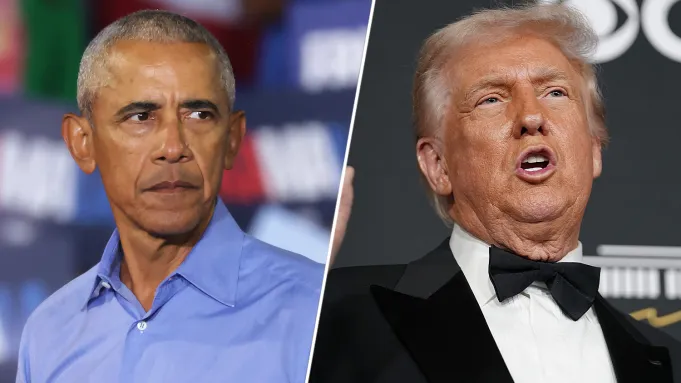
The timing of the controversy is significant. With elections approaching, rhetoric is intensifying. Each incident becomes a proxy battle over values, identity, and national direction.
Obama’s remarks can be seen as an attempt to recalibrate the conversation. By emphasizing shared discomfort rather than partisan blame, he appealed to voters who value stability and respect over spectacle.
The Emotional Cost of Divisive Rhetoric
Beyond politics, Obama highlighted the emotional toll of repeated racial provocation. Such messages affect how people feel about their neighbors, their country, and their sense of belonging.
When leaders amplify division, he suggested, they contribute to anxiety and alienation. This cost is harder to measure than polling numbers, but no less real.
A Test of Leadership and Responsibility
At its core, the controversy raises questions about leadership. Should political figures prioritize attention or cohesion. Is provocation a legitimate strategy, or does it undermine the social fabric.
Obama’s response implicitly answered these questions. Leadership, in his view, requires restraint, empathy, and awareness of impact.
What This Moment Reveals About America
The debate over the video and Obama’s response reveals an America still struggling with its identity. It shows how easily old wounds can be reopened, and how deeply language and imagery matter.
It also shows that many Americans are still listening for voices that emphasize unity without ignoring injustice.
What Happens Next
As the news cycle moves on, the deeper questions remain. Will political rhetoric continue to escalate, or will moments like this prompt reflection. Will voters reward provocation, or will they seek steadier leadership.
Obama’s remarks will not resolve these questions, but they have framed them clearly.
A Broader Reflection on the Future
This episode may be remembered as another flashpoint in an era defined by division. Or it may serve as a reminder that leadership still matters, even after leaving office.
By saying that most Americans find the video deeply troubling, Obama gave voice to a sentiment many feel but struggle to articulate. Whether that sentiment shapes future political behavior remains to be seen.
What is clear is that the conversation sparked by this moment extends far beyond one video. It touches on the values Americans expect from those who seek to lead them, and the kind of political culture they are willing to accept going forward.