
Table of Contents
- The Statement That Sparked a Global Reaction
- Why the Proposal Was Unprecedented
- Trump’s Framing of National Security
- The Impact on Muslim Americans
- Global Response and Diplomatic Fallout
- The Role of Fear in Political Messaging
- Media Coverage and Public Debate
- Legal Scholars Weigh In
- Supporters and the Appeal of Simplicity
- The Broader Pattern of Campaign Rhetoric
- Long Term Consequences for Political Norms
- The Intersection of Security and Civil Liberties
- Voices of Resistance and Solidarity
- How the Proposal Shaped the Election
- A Reflection of Deeper Divisions
- What This Moment Signaled for the Future
- A Broader Lesson About Democratic Values
- Conclusion
The Statement That Sparked a Global Reaction
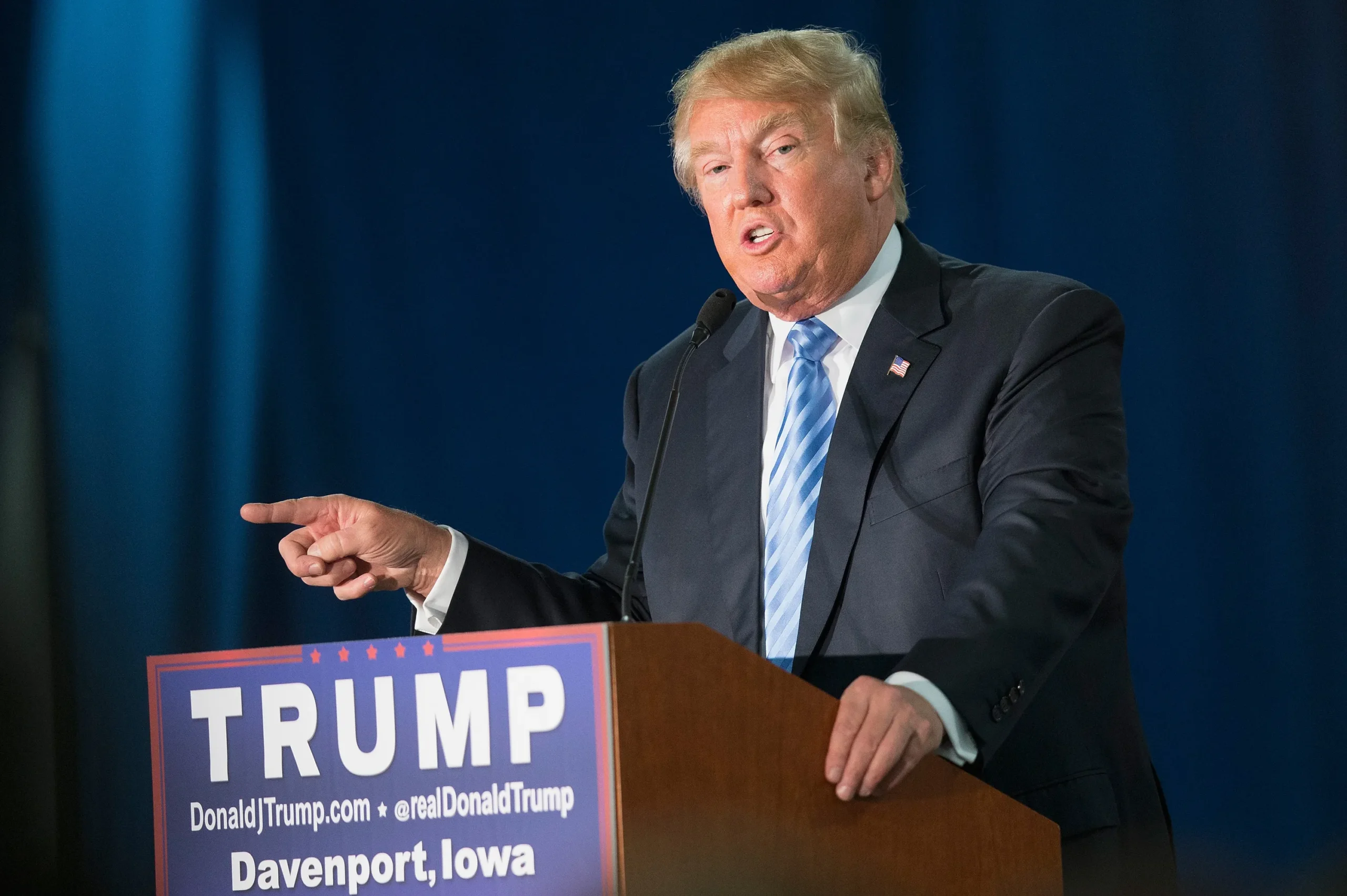
Trump’s proposal emerged amid heightened anxiety following terrorist attacks in Europe and the United States. Framed as a national security measure, the call for a Muslim ban was positioned as a temporary response to what Trump described as an urgent threat. Yet the language was unmistakably broad. It did not target specific regions, extremist groups, or security failures. Instead, it singled out an entire religious group.
The reaction was swift. Governments, human rights organizations, and religious leaders condemned the proposal. Many described it as discriminatory and unconstitutional. Others warned that it risked fueling global instability by reinforcing narratives that the United States was hostile toward Islam itself rather than violent extremism.
Why the Proposal Was Unprecedented
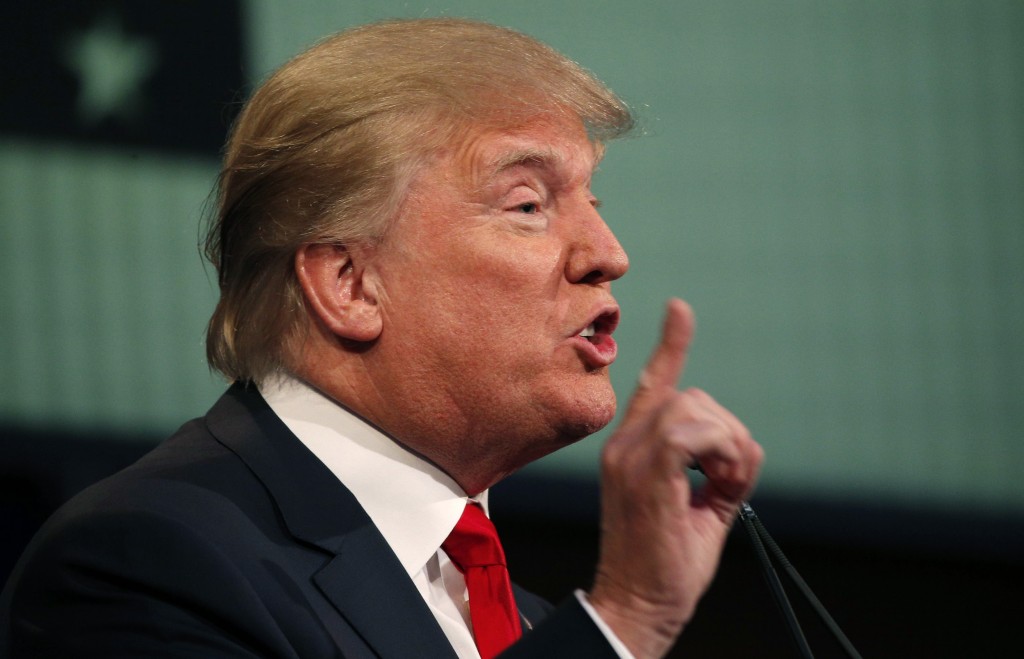
The United States has a long and complex history with immigration restrictions, but bans explicitly based on religion are virtually absent from modern policy. The Constitution guarantees freedom of religion, and immigration law traditionally avoids religious tests for entry.
Legal experts immediately questioned whether such a ban could survive constitutional scrutiny. They argued that excluding individuals solely on the basis of faith violated both the First Amendment and longstanding principles of equal protection. The proposal was seen not only as controversial, but as fundamentally at odds with the legal framework of American democracy.
Trump’s Framing of National Security
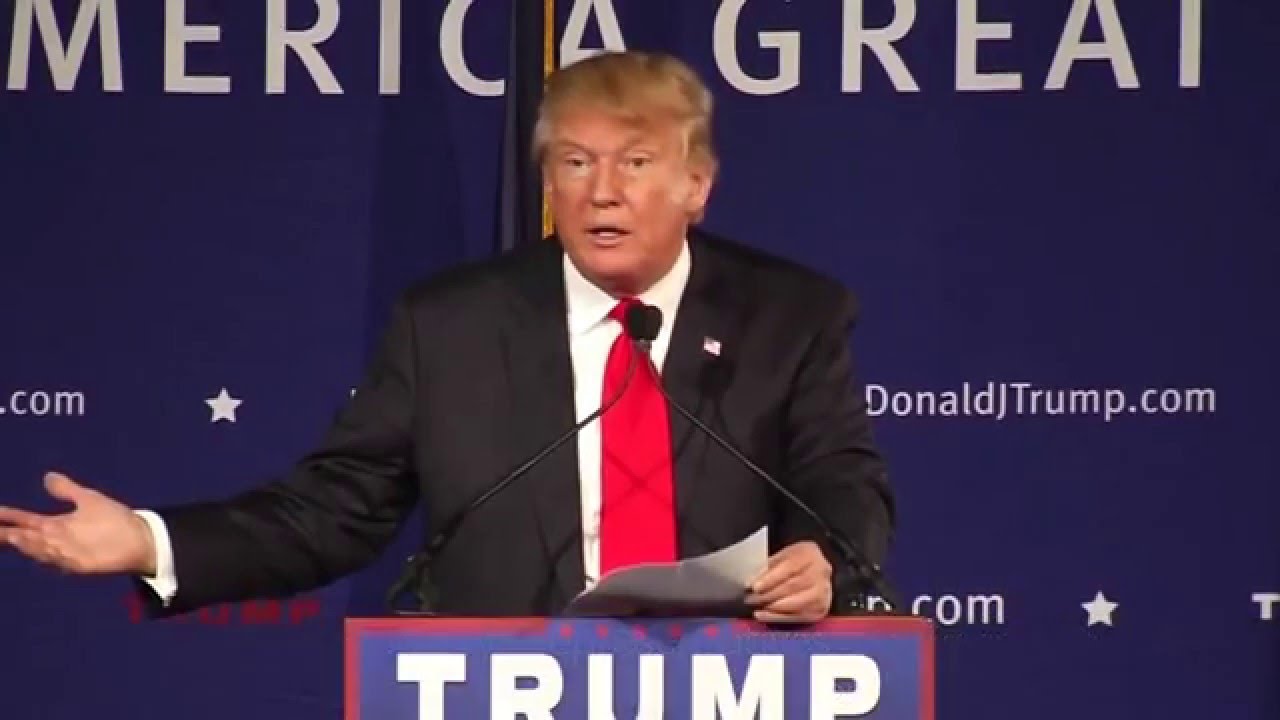
Trump defended the proposal by framing it as a matter of safety rather than ideology. He argued that extraordinary threats required extraordinary measures. To his supporters, this rhetoric resonated. Many felt that political leaders had failed to address security concerns directly, and Trump’s blunt approach was interpreted as honesty rather than extremism.
Critics, however, argued that the proposal conflated religion with violence. They pointed out that acts of terrorism are carried out by individuals and networks, not entire faith communities. By framing Muslims collectively as a threat, they said, Trump was promoting fear rather than evidence-based policy.
The Impact on Muslim Americans
For Muslim Americans, the proposal carried profound emotional weight. Many described feeling singled out, stigmatized, and questioned about their belonging in their own country. Mosques reported increased threats. Muslim families worried about relatives abroad and their own safety at home.
Community leaders emphasized that Muslim Americans have long served in the military, contributed to science and medicine, and participated fully in civic life. The proposal, they argued, ignored these realities and reduced millions of people to a stereotype defined by fear.
Global Response and Diplomatic Fallout
International reaction was equally intense. Allies expressed concern that the proposal undermined shared democratic values. Leaders in Muslim-majority countries warned that such rhetoric could damage diplomatic relationships and fuel extremist propaganda.
Analysts noted that policies perceived as anti-Muslim could be exploited by extremist groups to recruit followers. By framing the United States as hostile to Islam, they warned, the proposal risked achieving the opposite of its stated security goals.
The Role of Fear in Political Messaging
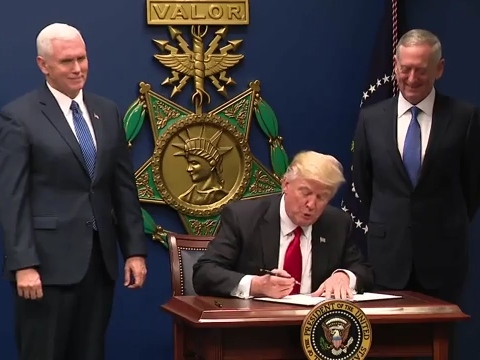
The proposal highlighted how fear shapes political messaging, particularly during times of uncertainty. Trump’s rise coincided with widespread anxiety about terrorism, economic change, and cultural identity. His message capitalized on those fears by offering a simple, dramatic solution to a complex problem.
Political scientists observed that fear-based messaging often thrives in moments of crisis. While it can mobilize support quickly, it also risks long-term damage by normalizing exclusion and eroding trust between communities.
Media Coverage and Public Debate
Media coverage of the proposal was relentless. News outlets analyzed its legality, morality, and political implications. Opinion columns debated whether Trump’s statement represented genuine policy intent or calculated provocation designed to dominate headlines.
Public debate quickly extended beyond the proposal itself. It became a conversation about who counts as American, how far security measures should go, and whether democratic societies can resist fear-driven policymaking.
Legal Scholars Weigh In
Constitutional scholars were nearly unanimous in their assessment that a religious ban would face serious legal challenges. They pointed to Supreme Court precedent emphasizing religious neutrality and warned that implementing such a policy could set a dangerous precedent.
Even those sympathetic to stricter immigration controls argued that targeting religion crossed a legal and ethical line. They cautioned that once religious exclusion is normalized, other forms of discrimination become easier to justify.
Supporters and the Appeal of Simplicity
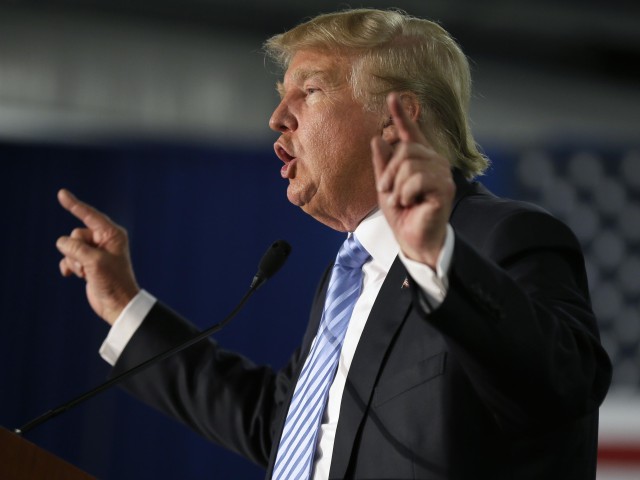
Despite widespread criticism, the proposal energized Trump’s base. Supporters praised the clarity and decisiveness of his message. To them, it represented a break from political caution and a willingness to confront uncomfortable realities.
This divide revealed a deeper tension in American politics. For some voters, complexity feels like evasion. Simple answers, even controversial ones, feel reassuring in uncertain times. Trump’s proposal tapped into that desire for certainty.
The Broader Pattern of Campaign Rhetoric
The call for a Muslim ban was not an isolated moment. It fit into a broader pattern of campaign rhetoric that emphasized exclusion, nationalism, and cultural boundaries. Immigration became a central theme, framed as both an economic and security issue.
Critics argued that this rhetoric blurred the line between policy debate and cultural antagonism. Supporters countered that it reflected legitimate concerns about national sovereignty and identity. The resulting polarization reshaped the tone of political discourse.
Long Term Consequences for Political Norms
Even as a campaign proposal, the Muslim ban had lasting consequences. It shifted the boundaries of what could be said openly by major political figures. Ideas once considered politically unthinkable entered mainstream debate.
Scholars warn that such shifts can permanently alter norms. When exclusionary rhetoric becomes normalized, it lowers the threshold for policies that would previously face universal rejection.
The Intersection of Security and Civil Liberties
The controversy underscored a recurring dilemma in democratic societies. How can governments protect citizens without undermining the freedoms that define them. Security and liberty often exist in tension, especially after violent events.
The Muslim ban proposal forced Americans to confront where they draw that line. Is collective punishment acceptable in the name of safety, or does it betray foundational principles. The intensity of the debate reflected how unresolved that question remains.
Voices of Resistance and Solidarity
In response to the proposal, many Americans expressed solidarity with Muslim communities. Interfaith groups organized events emphasizing unity. Public figures spoke out against religious discrimination.
These responses highlighted another side of American identity. One rooted in pluralism, resistance to fear, and a belief that diversity strengthens rather than weakens society.
How the Proposal Shaped the Election
The proposal became a defining moment in Trump’s campaign. It drew sharp contrasts between him and his opponents, who condemned the idea as unconstitutional and immoral. Yet it also solidified Trump’s image as a candidate willing to challenge political norms.
For voters, the issue became a litmus test. Support or opposition to the proposal often reflected deeper beliefs about immigration, religion, and national identity.
A Reflection of Deeper Divisions
Ultimately, the controversy revealed divisions that extended far beyond one policy idea. It exposed fault lines around race, religion, and belonging that had long existed but were often unspoken.
The debate forced Americans to confront uncomfortable questions about fear, prejudice, and the responsibilities of leadership in times of crisis.
What This Moment Signaled for the Future
The call for a Muslim ban marked a turning point in modern American politics. It demonstrated how quickly fear-based proposals could gain traction and how fragile political norms can be under pressure.
Whether viewed as a warning or a reflection of existing anxieties, the moment reshaped conversations about immigration and civil rights for years to come.
A Broader Lesson About Democratic Values
Beyond the immediate controversy, the episode offered a broader lesson. Democratic values are not self-sustaining. They require constant defense, especially when fear tempts societies to compromise them.
The reaction to Trump’s proposal showed that many Americans were willing to push back, even as others embraced exclusionary rhetoric. That tension continues to define political life today.
Conclusion
Donald Trump’s call to ban Muslims from entering the United States was more than a campaign soundbite. It was a stress test for American democracy, revealing how fear, identity, and power interact in moments of uncertainty.
The proposal ignited global backlash, reshaped political norms, and forced a national conversation about who the country is willing to exclude in the name of safety. Its legacy endures not because it became law, but because it showed how quickly fundamental principles can be challenged.