
Table of Contents
- Life at the End of the World
- The Incident That Shocked the Scientific Community
- Why Books Became the Breaking Point
- Psychological Pressure in Extreme Isolation
- Antarctica as a Natural Psychological Laboratory
- The Role of Routine and Control
- International Cooperation and Responsibility
- Warning Signs That May Have Been Missed
- The Limits of Human Endurance
- Evacuation and Aftermath
- Broader Implications for Polar Research
- Lessons for Other Extreme Environments
- Media Reaction and Public Fascination
- Ethical and Institutional Responsibility
- The Thin Line Between Order and Breakdown
- A Reminder of Human Fragility
- What This Means for the Future
- Conclusion
Life at the End of the World
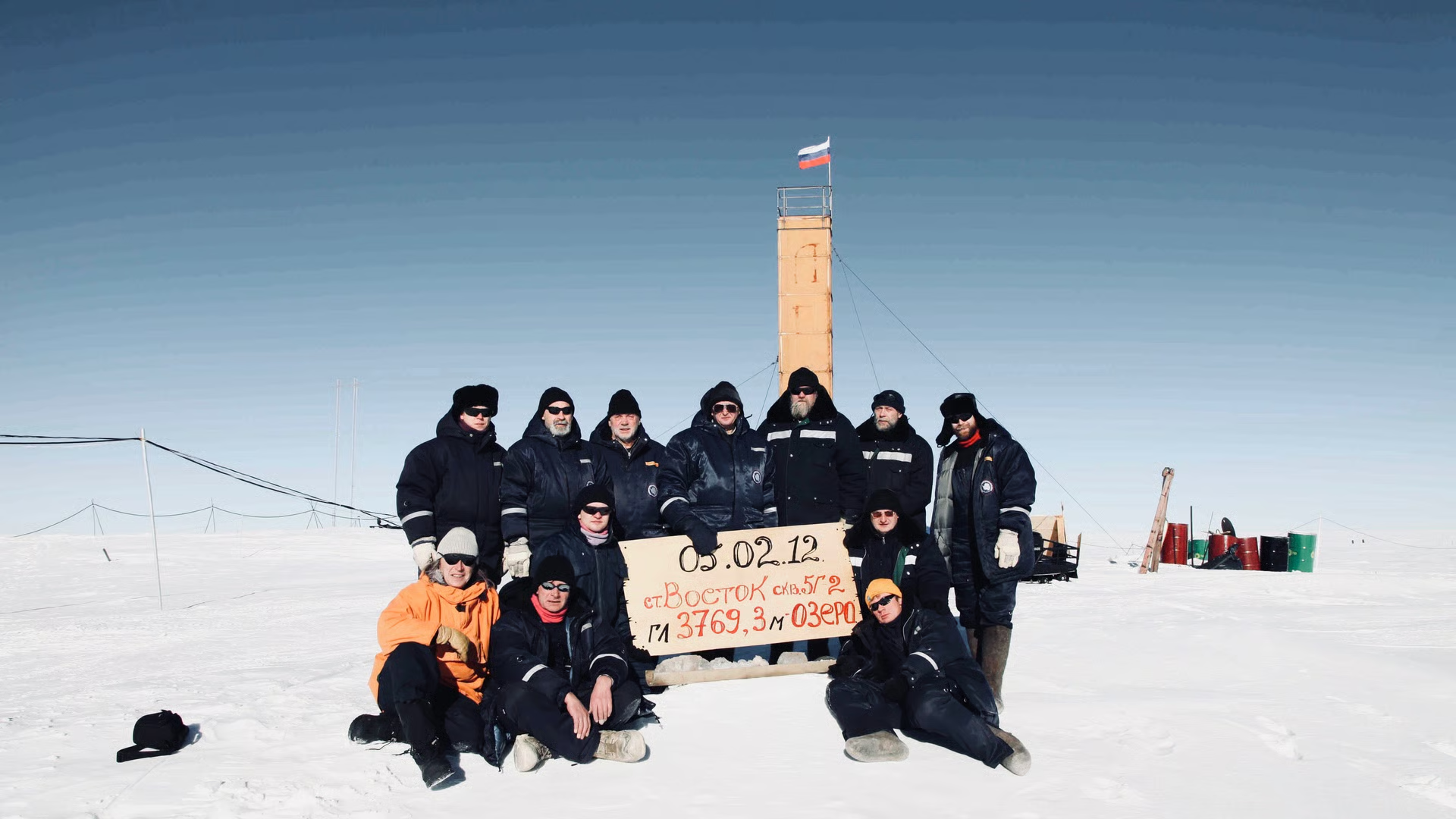
Antarctica is unlike any other workplace. Research stations scattered across the frozen continent operate in near total isolation for months at a time. During winter, darkness can last for weeks, temperatures plunge to deadly lows, and evacuation becomes nearly impossible. Personnel must rely entirely on one another for safety, cooperation, and survival.
Living conditions are tightly regulated, routines are repetitive, and personal space is limited. While these measures are designed to maintain order and efficiency, they also place immense psychological strain on those stationed there. Every interaction carries more weight when there is no escape from the environment or the people within it.
The Incident That Shocked the Scientific Community

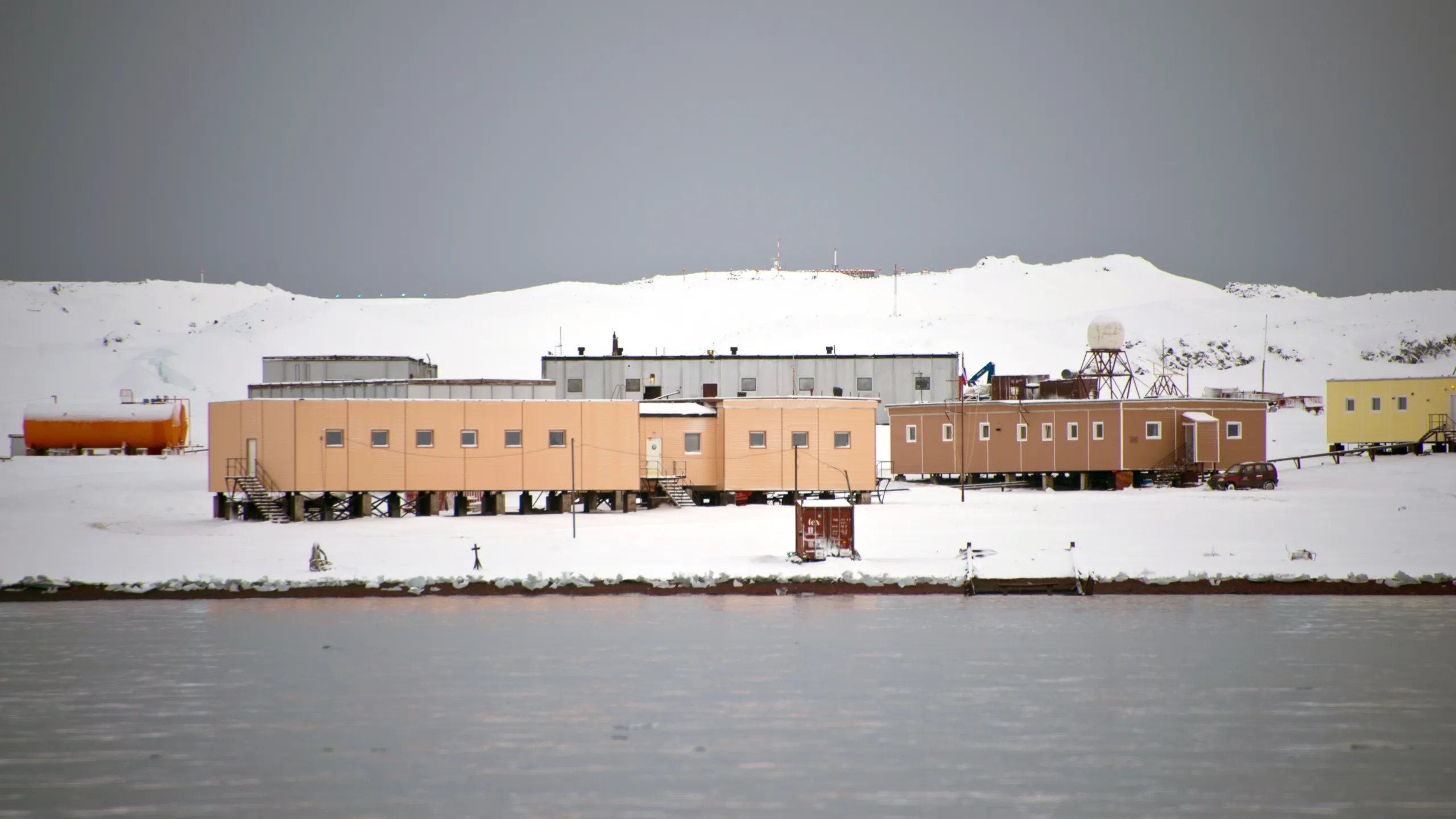
The assault reportedly took place at a Russian research station after a dispute escalated over damaged books. According to accounts, the engineer attacked a colleague with a knife, causing serious injury. Emergency protocols were initiated, and the injured individual was eventually evacuated for medical treatment once conditions allowed.
Authorities emphasized that the incident was isolated, but its implications resonated far beyond the station itself. Violence is exceedingly rare in Antarctica, a place governed by strict international cooperation and scientific purpose. That rarity made the event all the more unsettling.
Why Books Became the Breaking Point
On the surface, a disagreement over books may seem trivial. In the context of Antarctic isolation, it becomes easier to understand. Books are more than entertainment in such environments. They serve as emotional anchors, mental escapes, and connections to life beyond the ice.
When those books were damaged, the loss may have symbolized something deeper. Control, comfort, and personal refuge are scarce in isolation. Losing one of the few remaining comforts can feel catastrophic when there are no alternatives.
Psychological Pressure in Extreme Isolation
Psychologists who study polar environments describe a phenomenon known as psychological saturation. Over time, minor irritations accumulate without release. There is no opportunity to step away, change surroundings, or seek new social circles.
This pressure can distort perception and reduce emotional regulation. Individuals may react more intensely to perceived slights, and conflicts that would normally be resolved calmly can escalate rapidly.
Antarctica as a Natural Psychological Laboratory
Antarctica has long been studied as an analog for space missions and other extreme environments. Researchers examine how isolation, confinement, and monotony affect mental health and group dynamics.
The incident has renewed interest in these studies. It highlights the importance of psychological screening, ongoing mental health support, and conflict resolution training for those assigned to remote stations.
The Role of Routine and Control
Strict routines help maintain safety in Antarctica, but they also reduce autonomy. Meals, work schedules, and leisure time are often predetermined. While structure provides stability, it can also contribute to a sense of powerlessness.
When individuals feel they have little control over their environment, they may cling more tightly to personal possessions or rituals. Any disruption to those small sources of control can trigger disproportionate reactions.
International Cooperation and Responsibility
Antarctica is governed by international agreements that prioritize peaceful scientific collaboration. Incidents of violence challenge that ideal, prompting discussions about responsibility and oversight.
Authorities from multiple countries monitor safety protocols and mental health standards. This case has sparked calls for stronger psychological support systems and clearer intervention procedures when warning signs appear.
Warning Signs That May Have Been Missed
Experts caution that extreme incidents rarely occur without warning. Changes in behavior, withdrawal, irritability, or fixation on specific issues can signal rising distress.
In isolated stations, colleagues often become the first line of observation. Training personnel to recognize and address early signs of psychological strain may prevent future crises.
The Limits of Human Endurance
Humans are adaptable, but adaptation has limits. Extended isolation, sensory deprivation, and lack of privacy can erode resilience even in highly trained individuals.
The Antarctic environment strips life down to essentials. Without variety and external support, emotional reserves can deplete faster than expected.
Evacuation and Aftermath
Following the attack, the injured colleague was evacuated when conditions permitted. The accused engineer was reportedly detained and is expected to face legal consequences under applicable jurisdiction.
The logistical challenges of handling emergencies in Antarctica complicate both medical response and legal processes. These challenges underscore how vulnerable isolated stations can be when crises occur.
Broader Implications for Polar Research
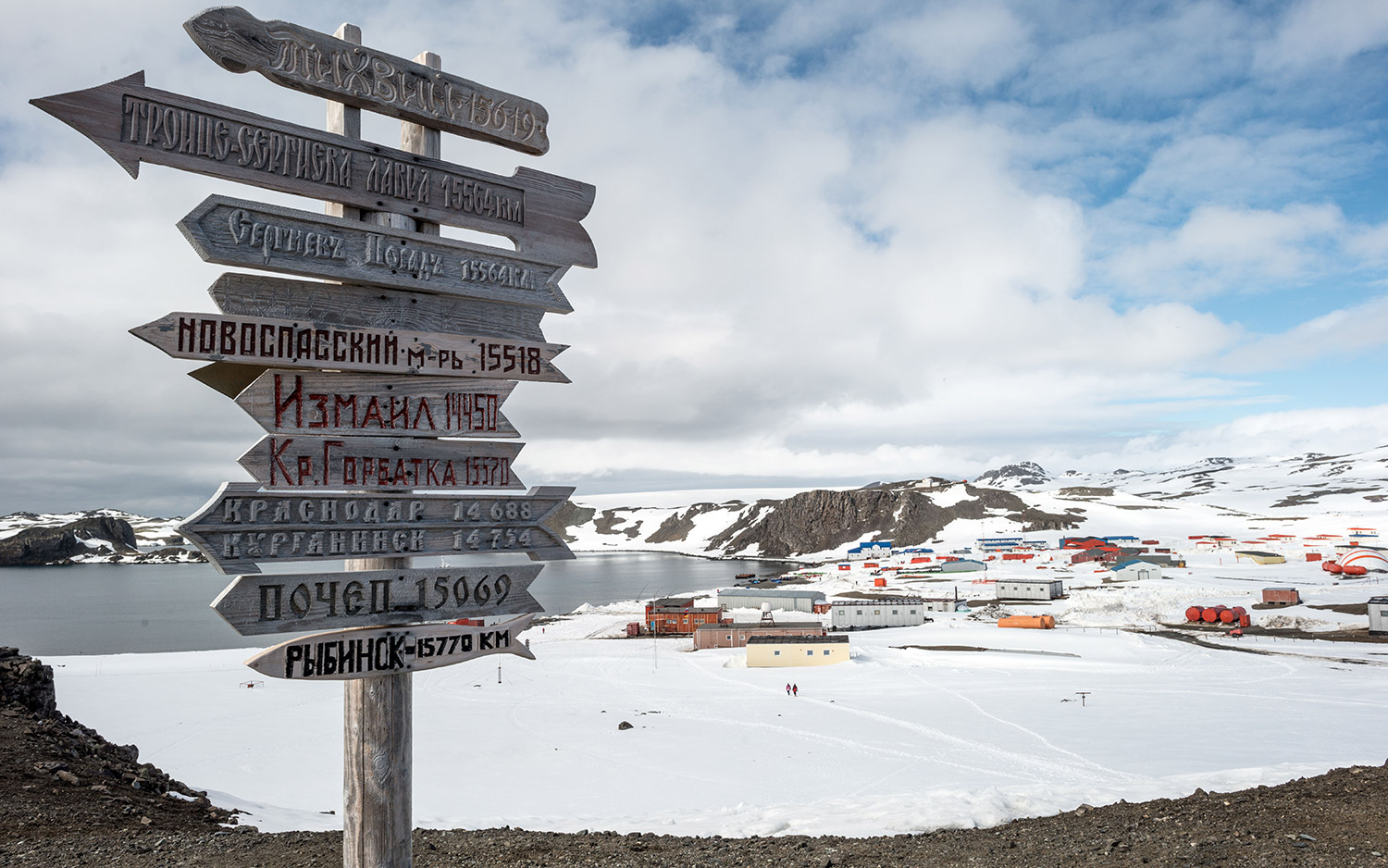
The incident has prompted renewed scrutiny of life at polar research stations. While safety protocols are robust, mental health provisions often receive less attention than physical hazards.
Researchers argue that psychological wellbeing should be treated as a core component of safety, not an afterthought. This includes regular mental health check ins, access to counseling, and mechanisms for conflict mediation.
Lessons for Other Extreme Environments
The lessons extend beyond Antarctica. Submarines, space missions, offshore rigs, and remote military bases all share similar conditions of confinement and isolation.
Understanding how small stressors can escalate in these environments is critical for future exploration and operations. The human factor remains one of the most unpredictable variables.
Media Reaction and Public Fascination
Public fascination with the incident reflects a broader curiosity about life in extreme places. Stories from Antarctica often carry a mythic quality, portraying scientists as insulated from ordinary human conflict.
This incident shattered that illusion. It reminded audiences that even in the most extraordinary settings, human emotions and vulnerabilities remain.
Ethical and Institutional Responsibility
Institutions that send personnel to extreme environments carry ethical responsibility for their wellbeing. This responsibility includes preparing individuals not only physically and intellectually, but emotionally.
The incident has sparked discussions about whether current screening and support measures are sufficient, or whether new standards are needed.
The Thin Line Between Order and Breakdown
Antarctic stations rely on cooperation and trust. When that trust fractures, consequences can be severe. The close quarters that foster teamwork can also magnify conflict.
Maintaining harmony requires constant effort, communication, and awareness. The margin for error is slim when isolation removes external buffers.
A Reminder of Human Fragility
The attack serves as a sobering reminder that human fragility does not disappear in the face of scientific purpose. Even those selected for resilience and discipline are not immune to psychological strain.
Recognizing this fragility is not a weakness. It is a necessary step toward building safer and more humane systems.
What This Means for the Future
As polar research expands and long duration missions become more common, addressing mental health will become increasingly urgent. Incidents like this one provide painful but valuable lessons.
Institutions may need to rethink how they prepare individuals for isolation, how they support them during deployment, and how they respond when things go wrong.
Conclusion
The attack by a Russian engineer on a colleague in Antarctica after a dispute over spoiled books is more than a shocking headline. It is a powerful illustration of how extreme isolation can magnify ordinary human tensions into extraordinary outcomes.
In one of the most controlled environments on Earth, the incident revealed the limits of structure without sufficient psychological support. As humanity continues to push into harsher and more remote frontiers, this story stands as a cautionary tale. Survival depends not only on technology and training, but on understanding the human mind under pressure.