
Table of Contents
- A Sudden Closure That Shocked Travelers
- Another Severe Event in a Troubling Pattern
- Why Authorities Had No Choice
- The Impact on Local Communities
- How Climate Extremes Are Reshaping Tourism
- When Paradise Becomes Fragile
- Strain on Emergency Infrastructure
- Travelers Reconsidering Their Plans
- Economic Consequences Beyond Tourism
- Environmental Recovery and Opportunity
- The Question of Reopening
- A Global Trend, Not an Isolated Case
- Rethinking How Destinations Are Managed
- Responsibility of Tourists
- Media Attention and Public Perception
- Lessons for the Travel Industry
- Long Term Implications for Tourism
- A Moment of Reflection
- Conclusion
A Sudden Closure That Shocked Travelers
Authorities announced the shutdown after conditions deteriorated rapidly, making it unsafe for visitors and residents alike. Emergency services moved quickly to restrict access, citing concerns over infrastructure damage, unpredictable environmental conditions, and the risk of further escalation.
For many tourists already en route or preparing to arrive, the news came with little warning. Flights were canceled, accommodations suspended, and local transport halted. The speed of the decision reflected the seriousness of the threat and underscored how quickly conditions can change in vulnerable regions.
Another Severe Event in a Troubling Pattern
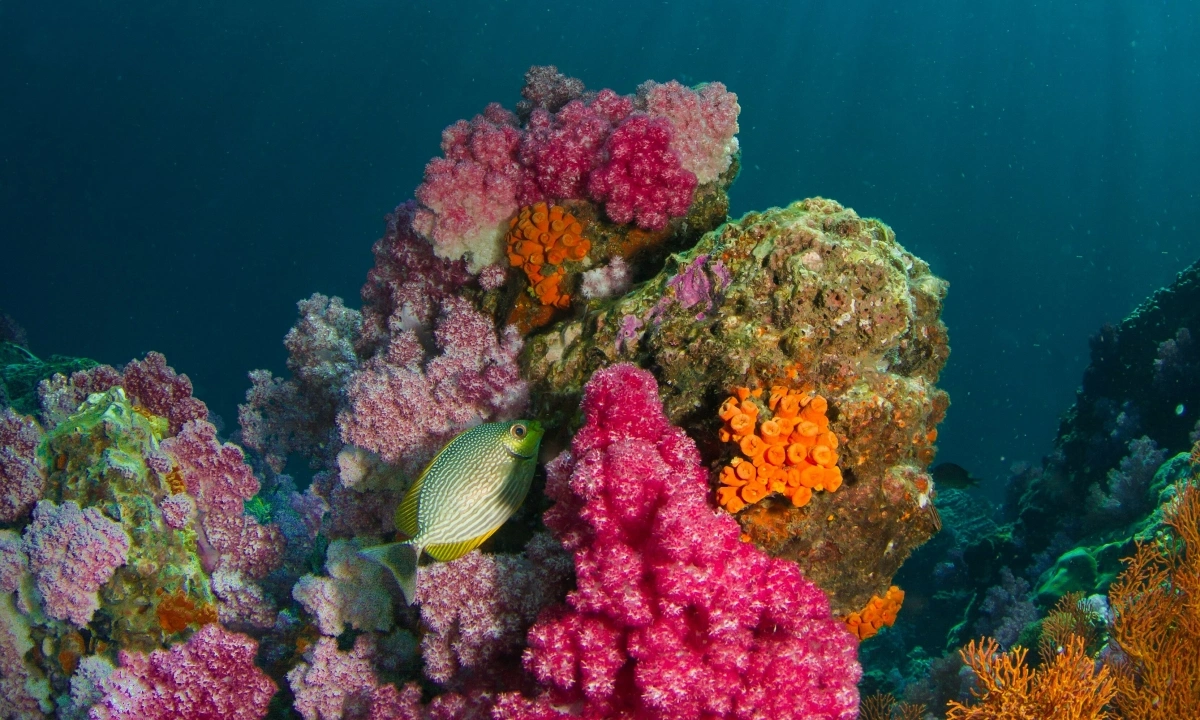
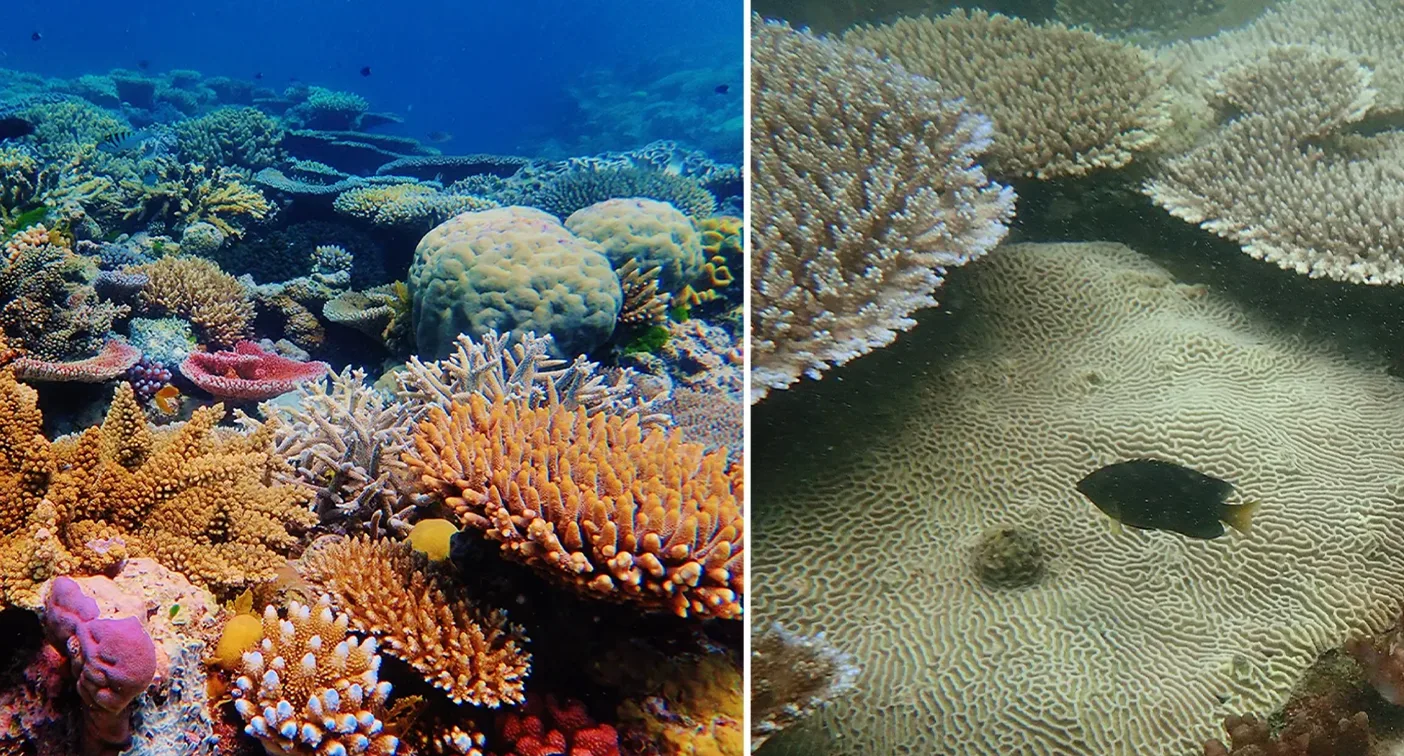
This was not the first time the destination had faced disruption. Officials confirmed that the latest incident followed a series of severe natural events that have occurred with increasing frequency in recent years.
Experts note that while isolated incidents can be managed, repeated events place enormous strain on infrastructure and emergency response systems. Each occurrence compounds the damage, reducing recovery time and increasing long term risk.
Why Authorities Had No Choice
Local authorities emphasized that closing the area was not taken lightly. Tourism is a major economic driver, supporting thousands of jobs and businesses. However, public safety outweighed financial considerations.
Environmental assessments indicated heightened risk, including unstable terrain, flooding, landslides, or extreme weather conditions. Allowing tourists to remain would have stretched emergency services and potentially endangered lives.
The Impact on Local Communities
For residents, the closure brought mixed emotions. Relief that safety was prioritized was tempered by concern over lost income and uncertainty about reopening timelines.
Small business owners who rely heavily on seasonal tourism described the shutdown as devastating. Many had only recently recovered from previous disruptions, and the sudden halt reignited fears about long term viability.
How Climate Extremes Are Reshaping Tourism
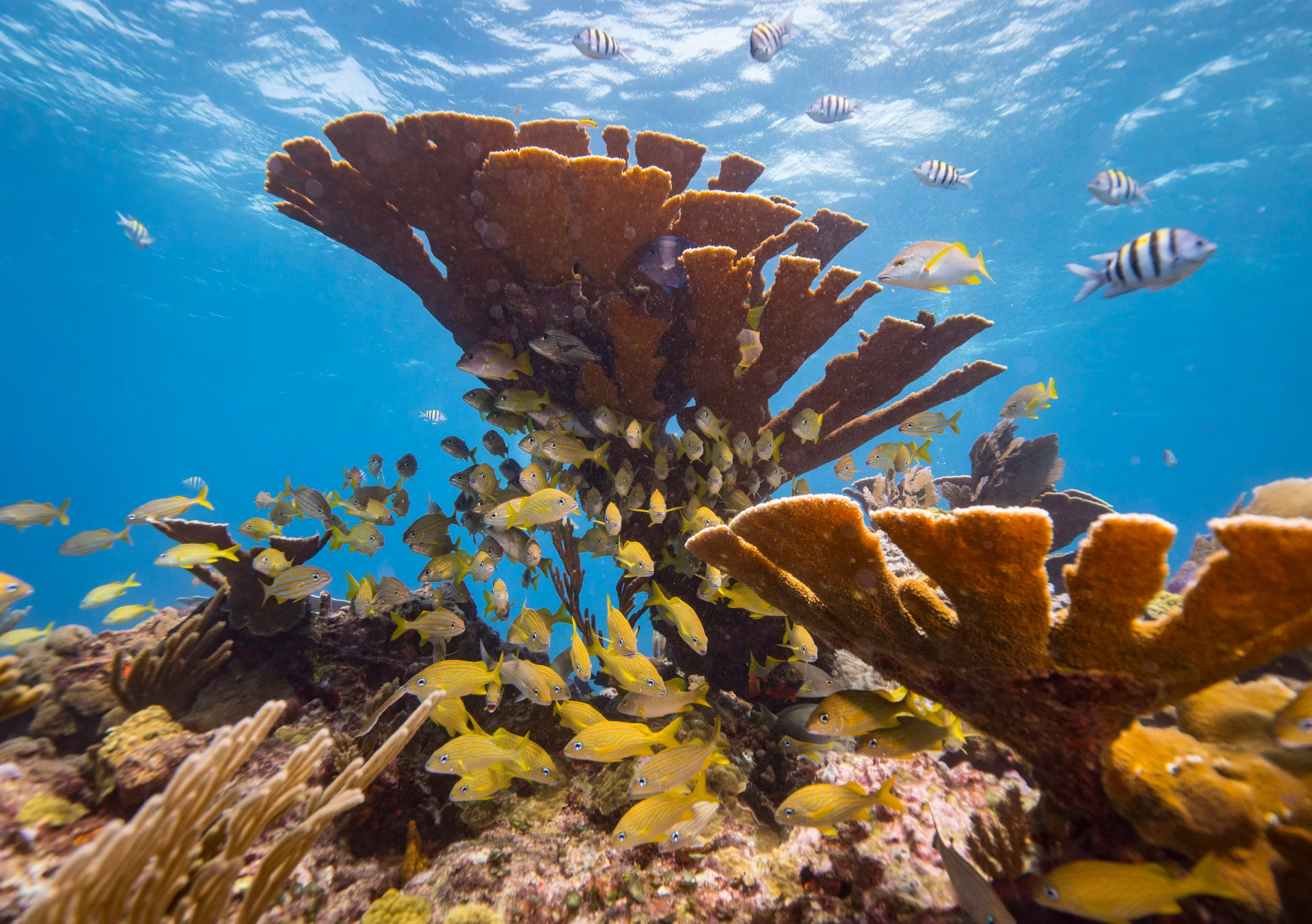
Climate scientists have long warned that rising global temperatures would intensify extreme weather events. This closure serves as a real world example of those warnings becoming reality.
Tourist destinations built around predictable seasons are now facing unprecedented volatility. Heatwaves, storms, wildfires, and flooding are no longer rare anomalies but recurring threats.
When Paradise Becomes Fragile
Holiday hotspots often market themselves as timeless and unchanging. In reality, many are located in environmentally sensitive areas such as coastlines, volcanic regions, or mountainous terrain.
These locations offer beauty and appeal, but also inherent risk. As climate patterns shift, those risks are becoming harder to manage, forcing authorities to reconsider how tourism is structured.
Strain on Emergency Infrastructure
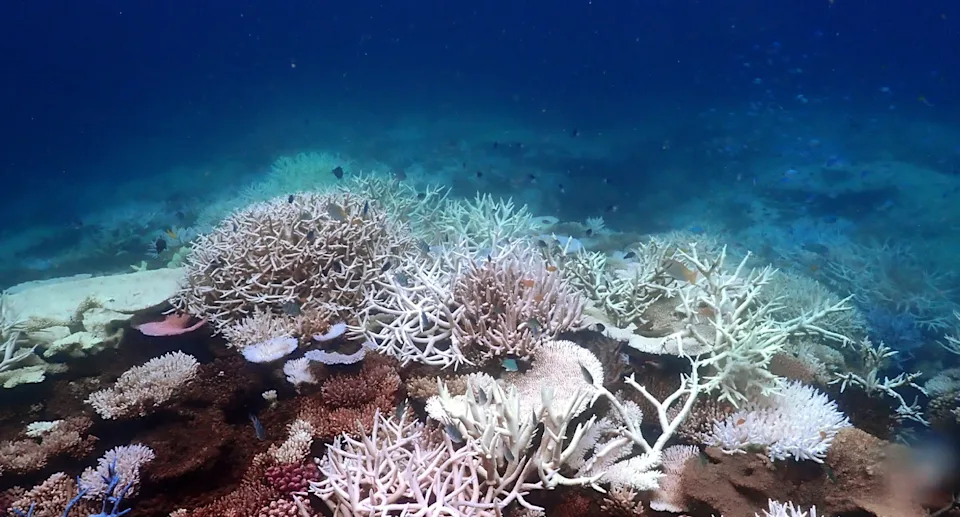
Repeated severe events place significant pressure on emergency services. Evacuations, rescues, and repairs require manpower, funding, and coordination that may not be sustainable long term.
Officials acknowledged that each closure depletes resources and delays recovery efforts. Over time, the cumulative burden raises questions about whether some areas can continue operating as mass tourism destinations.
Travelers Reconsidering Their Plans
The closure has prompted many travelers to rethink how and where they vacation. Travel insurers report increased inquiries about coverage for climate related disruptions, while booking platforms have seen a rise in cancellations and destination changes.
For some, the incident reinforces a growing awareness that flexibility is now essential when planning trips. What was once considered a safe bet can change overnight.
Economic Consequences Beyond Tourism
The ripple effects extend beyond hotels and tour operators. Supply chains, transport services, and local producers all feel the impact when tourists disappear.
Regional governments may also face reduced tax revenue, affecting public services and infrastructure investment. The economic shock can linger long after tourists return.
Environmental Recovery and Opportunity
Some conservationists argue that temporary closures can offer environmental benefits. Reduced foot traffic allows ecosystems time to recover, particularly in over visited areas.
Officials indicated that environmental assessments would be conducted during the closure period, potentially informing new management strategies aimed at balancing tourism with preservation.
The Question of Reopening
Authorities have not provided a definitive timeline for reopening, stating that conditions must stabilize and safety assessments be completed first.
This uncertainty leaves businesses and travelers in limbo. It also highlights the difficulty of forecasting in an era where extreme events are increasingly unpredictable.
A Global Trend, Not an Isolated Case
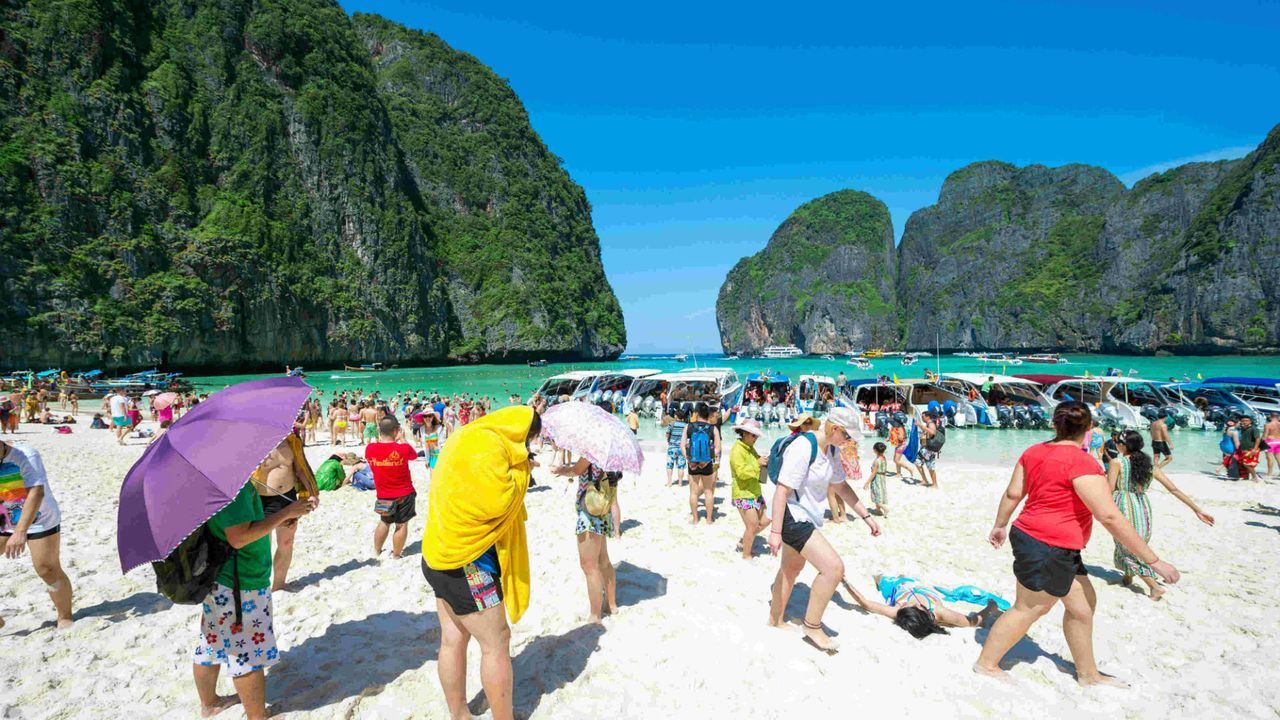
This closure is part of a broader global trend. Around the world, destinations are grappling with similar challenges, from wildfire prone regions to flood vulnerable cities.
Tourism experts warn that without adaptation, disruptions will become more frequent and more severe. The industry must evolve to survive.
Rethinking How Destinations Are Managed
Some policymakers are calling for stricter limits on visitor numbers, improved infrastructure resilience, and clearer emergency protocols.
The goal is not to eliminate tourism, but to make it safer and more sustainable. This may involve difficult decisions that prioritize long term stability over short term profits.
Responsibility of Tourists
Travelers also play a role. Understanding risks, respecting closures, and staying informed can reduce strain on local systems.
Experts urge tourists to avoid pressuring authorities for early reopenings and to recognize that safety decisions are made with limited options.
Media Attention and Public Perception
The dramatic nature of the closure has attracted widespread media coverage. Images of empty streets and closed attractions reinforce a sense of urgency and vulnerability.
Public perception can influence future travel demand, potentially accelerating shifts away from destinations perceived as unstable.
Lessons for the Travel Industry
Industry leaders emphasize the need for transparency and adaptability. Clear communication with travelers, flexible booking policies, and realistic marketing are becoming essential.
Destinations that acknowledge risk openly may ultimately build greater trust than those that downplay challenges.
Long Term Implications for Tourism
If severe events continue at current rates, some locations may face permanent changes to how tourism operates. Seasonal closures, visitor caps, or even relocation of infrastructure could become necessary.
The industry must confront the reality that climate resilience is now a core component of tourism planning.
A Moment of Reflection
The closure invites reflection on what travelers seek and what destinations can sustainably offer. Endless access may no longer be realistic in a changing climate.
Instead, quality, safety, and environmental respect may define the next era of travel.
Conclusion
The decision to slam a renowned holiday hotspot shut to tourists after another severe natural event marks a pivotal moment for global tourism. It is not merely a response to immediate danger, but a signal of deeper structural challenges facing popular destinations.
As climate driven extremes become more common, closures like this may no longer shock the world, but serve as reminders of a fragile balance between human desire and environmental reality. What happens next will depend on how governments, communities, and travelers adapt.