
Table of Contents
- The Growing Need for Enhanced Defense in Greenland
- The U.S. Military’s Involvement
- A Growing Focus on the Arctic
- The U.S. Military’s Role in the Arctic
- The Political and Social Implications for Denmark
- Greenland’s Strategic Importance in the 21st Century
- The Implications for Denmark-U.S. Relations
- The Future of Greenland’s Defense and Sovereignty
- Conclusion
The Growing Need for Enhanced Defense in Greenland
Greenland, an autonomous part of Denmark, has long been of strategic interest due to its location in the Arctic, a region increasingly recognized for its geopolitical and military importance. With its proximity to the North Pole, Greenland holds vast untapped resources and serves as a crucial point in controlling Arctic shipping routes. The growing interest in the region has led to heightened tensions, particularly with Russia’s increasing military activity in the Arctic.
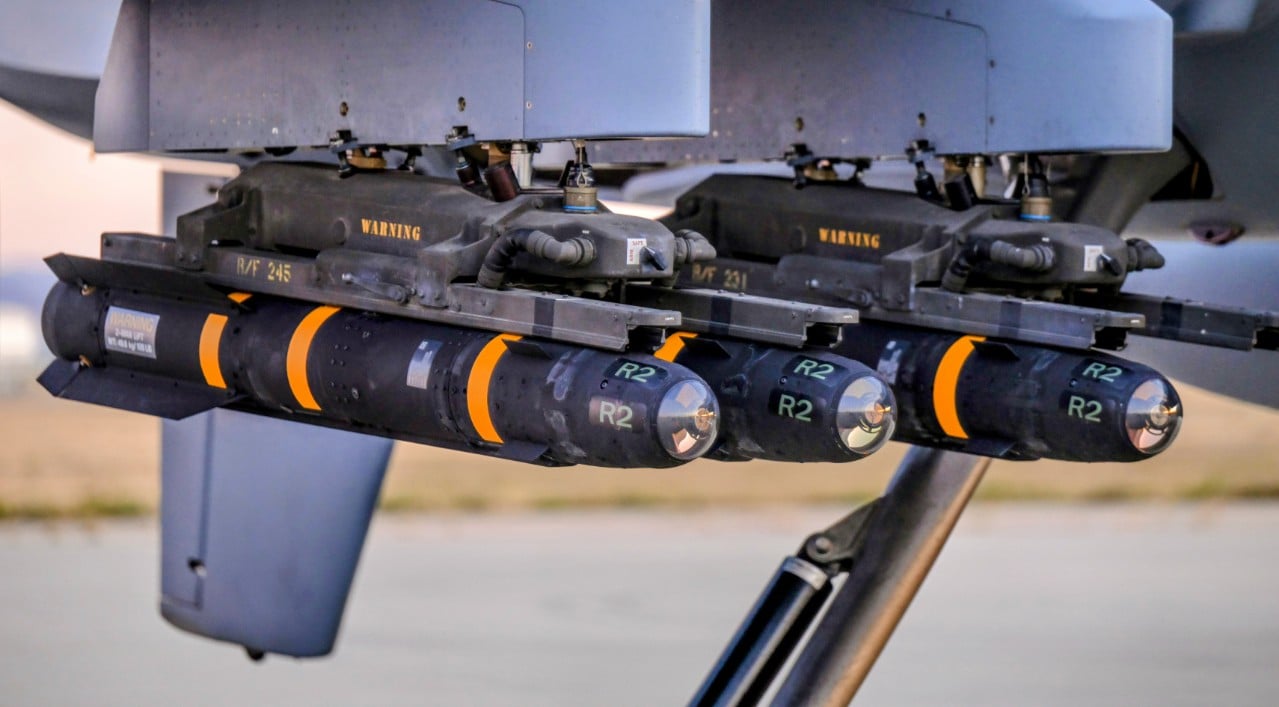
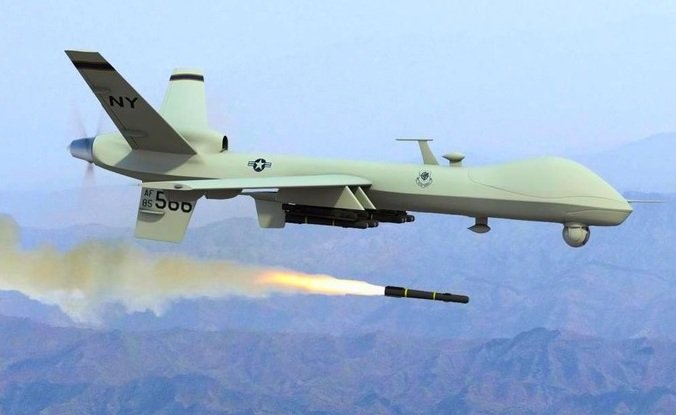
Denmark’s decision to upgrade its military presence in Greenland comes in response to these shifting dynamics. The purchase of Hellfire missiles, a high-precision weaponry system, is seen as part of Denmark’s effort to secure its sovereignty over Greenland and ensure its defense capabilities are in line with modern military needs.
The U.S. Military’s Involvement
The irony of Denmark buying military hardware from the United States to defend Greenland against potential U.S. interests has not gone unnoticed. The United States, under former President Donald Trump, made several public statements suggesting that it might seek to control Greenland for its strategic value. These comments led to diplomatic tensions between the U.S. and Denmark, as Trump’s suggestion was met with strong resistance from both the Danish government and the people of Greenland.
Despite these tensions, the U.S. remains a key ally in Denmark’s defense strategy. The missile deal, part of the U.S.’s Foreign Military Sales (FMS) program, underscores the complex dynamics between the two nations. While Denmark is strengthening its military capabilities in Greenland, it is doing so with the support of the same country that once made overtures about acquiring the territory.
A Growing Focus on the Arctic
The Arctic has become one of the world’s most important geopolitical battlegrounds, with nations scrambling for influence over the region’s vast natural resources and strategic shipping routes. Russia’s expanding military presence in the Arctic, coupled with the growing interest in Arctic shipping lanes due to climate change, has made the region a focal point of global military strategy.
In this context, Greenland’s location is vital. As an autonomous territory of Denmark, Greenland is not only a key player in the Arctic’s future but also a potential flashpoint in international relations. The recent missile purchase is seen as a proactive measure by Denmark to ensure that it can defend its sovereignty over Greenland and respond to any potential threats in the region.
The U.S. Military’s Role in the Arctic
The U.S. has long maintained a military presence in the Arctic, including in Greenland, where it operates a radar system at Thule Air Base, located in the northernmost part of the island. This base is crucial for monitoring missile launches from Russia and other potential threats to U.S. security. The U.S. military has invested heavily in the region, and its strategic interests in the Arctic are unlikely to wane.
While the U.S. has been a key partner in Denmark’s defense strategy, the question of Greenland’s future remains unresolved. Denmark’s military purchases from the U.S. highlight the complex relationship between the two countries, as well as the broader geopolitical competition in the Arctic.
The Political and Social Implications for Denmark
The missile deal has significant political implications for Denmark. On one hand, the purchase of advanced weaponry is seen as a necessary step to modernize the country’s military capabilities. On the other hand, the deal highlights the delicate balance Denmark must maintain between protecting its sovereignty in Greenland and navigating its relationship with the U.S., particularly in light of the Trump administration’s interest in Greenland.
Denmark’s decision to acquire these weapons systems is likely to spark debate within the country. Some may view it as a prudent step to ensure the country’s security, while others may argue that it further entrenches Denmark’s dependence on the U.S. and raises uncomfortable questions about the true nature of Denmark’s sovereignty in Greenland.
Greenland’s Strategic Importance in the 21st Century
Greenland’s strategic importance has grown considerably in recent years, particularly as the effects of climate change make the Arctic more accessible. The island is home to significant mineral resources, including rare earth metals, and its location is critical for controlling the Arctic’s shipping lanes, which are expected to become increasingly important as global warming melts the region’s ice.
The growing global focus on the Arctic has brought attention to Greenland’s role in the future of international trade and resource extraction. While Denmark remains the governing authority, Greenland has its own government and increasingly exercises autonomy over local affairs. However, Denmark still plays a key role in the island’s defense and foreign policy, which is why the purchase of U.S. missiles is an important step in securing Greenland’s future.
The Implications for Denmark-U.S. Relations
The missile purchase is part of a broader pattern of military cooperation between Denmark and the U.S. However, the timing of the deal is significant, coming at a time when tensions between the two countries were high due to Trump’s comments about Greenland. The missile deal underscores the complexities of alliance politics and highlights how Denmark is balancing its need for security with its desire to maintain its independence.
The U.S. remains a key ally in Denmark’s defense strategy, but the missile purchase also signals that Denmark is willing to act independently when it comes to securing its national interests. The deal is a reflection of the complex dynamics between the U.S. and Denmark, especially in light of Greenland’s unique geopolitical position.
The Future of Greenland’s Defense and Sovereignty
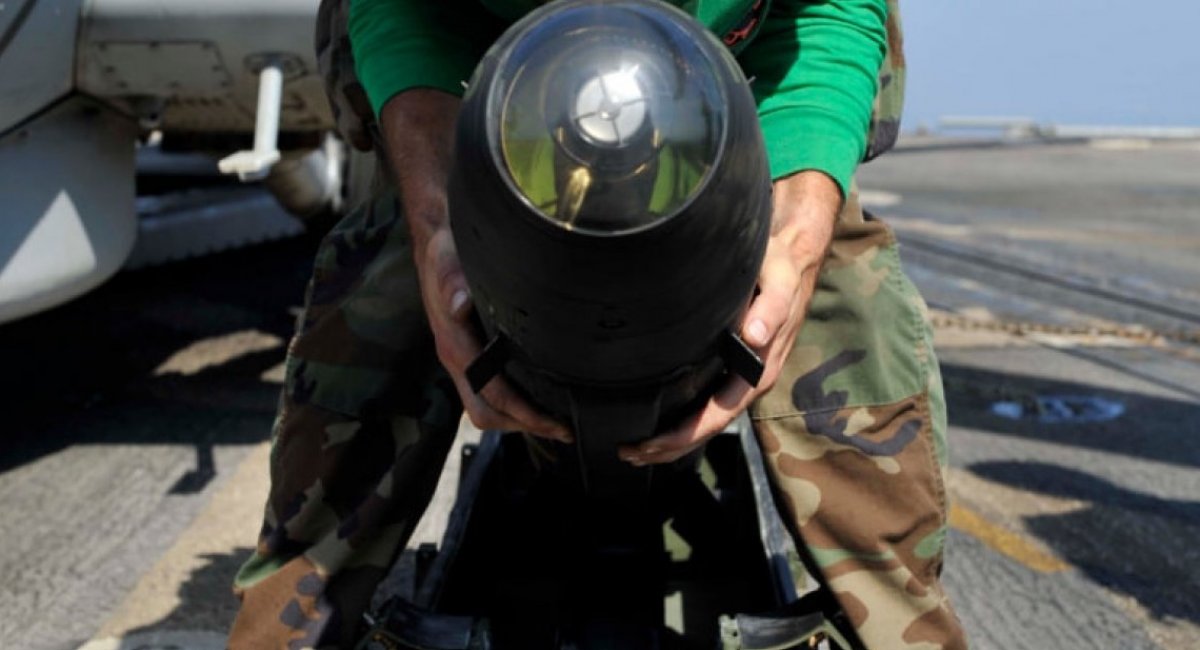
Looking forward, Denmark’s recent missile purchase marks just one step in a larger effort to secure Greenland’s defense in the face of rising tensions in the Arctic. As global attention on the region increases, Denmark will continue to navigate the delicate balance between maintaining sovereignty over Greenland and responding to external threats.
The missile deal is part of a broader strategy to modernize Denmark’s military and ensure that it can contribute effectively to NATO operations. However, the future of Greenland’s sovereignty remains a key issue, one that Denmark will continue to confront as geopolitical tensions rise in the Arctic.
Conclusion
Denmark’s acquisition of advanced missile systems from the U.S. represents a significant moment in the country’s defense strategy, especially in relation to Greenland. While the purchase of Hellfire missiles underscores Denmark’s commitment to securing its territory, it also highlights the complexities of international relations and the delicate balance of power in the Arctic.
As Greenland’s strategic importance continues to grow, Denmark will likely face increasing pressure to secure its sovereignty and navigate its relationships with both the U.S. and other global powers. The missile deal, while a necessary step in modernizing Denmark’s military, is also a reminder of the challenges that come with defending a territory as geopolitically sensitive as Greenland.