

Table of Contents
- The Epstein Files and Growing Public Scrutiny
- Zack Nelson’s Offer
- The Legal and Ethical Implications of Digging Up Epstein’s Ranch
- The Growing Impact of Online Communities in Seeking Justice
- The Clone of YouTube
- Legal Repercussions and the Push for Accountability
- The Future of the Epstein Investigation
- Conclusion
The Epstein Files and Growing Public Scrutiny
The Epstein scandal continues to captivate the public’s attention, particularly after the release of the Epstein files by the U.S. Department of Justice. The files contain details of Epstein’s criminal activities, his connections to influential figures, and his notorious island and ranch properties. These revelations have sparked global outrage and intensified calls for accountability.
In particular, the New Mexico ranch, once used by Epstein as a private retreat, has been a focal point of controversy. Claims have surfaced that Epstein buried victims on the property, raising fears about the extent of his criminal operations. The alleged burial sites have fueled speculations, prompting calls for authorities to take further action and investigate the area thoroughly.
Zack Nelson’s Offer

Zack Nelson’s decision to offer funding for the investigation is part of a broader trend of public figures becoming involved in the search for justice in the wake of Epstein’s crimes. Nelson, whose channel is known for tech reviews and explorations of intricate machinery, posted his offer on social media, urging former Texas gubernatorial candidate Don Huffines to support the investigation. He emphasized that the operation would be professionally conducted, ensuring respect for the potential victims while bringing any evidence of wrongdoing to light.
Nelson’s post was both a call for action and a challenge to political figures to address the lingering mysteries surrounding Epstein’s activities. By offering to pay for the excavation and investigation, Nelson has positioned himself as an advocate for transparency in a case that continues to be shrouded in secrecy. His offer has sparked mixed reactions—while some commend his efforts to seek the truth, others question his motives and the potential consequences of such an endeavor.
The Legal and Ethical Implications of Digging Up Epstein’s Ranch
Nelson’s offer to fund the excavation raises serious questions about the legal and ethical dimensions of investigating Epstein’s ranch. While the desire to uncover the truth is understandable, there are concerns about the potential risks of such a public endeavor. Critics argue that the operation could disrupt ongoing investigations or interfere with legal procedures, especially if it is not conducted under the oversight of authorities.
Additionally, the notion of privately funding an investigation into a criminal matter raises questions about who should control the process. Should individuals or independent entities take the lead in seeking justice, or should these efforts remain under the purview of law enforcement agencies? The involvement of a private citizen in funding such a high-profile investigation adds a layer of complexity to the issue.
Furthermore, there are ethical concerns regarding the potential exploitation of the victims’ gravesite for media attention. The need for respect and dignity for those who may have been buried on the ranch is paramount, and it is crucial that any investigation be conducted with the utmost sensitivity. Nelson has expressed his intention to ensure that the operation is handled professionally, but the public nature of his offer raises the question of whether such matters should remain within the confines of legal and governmental institutions.
The Growing Impact of Online Communities in Seeking Justice

Nelson’s public offer reflects the increasing involvement of online communities in seeking justice for high-profile cases like Epstein’s. The internet has become a powerful tool for raising awareness, mobilizing action, and demanding accountability. Social media platforms, like X, have provided an outlet for individuals like Nelson to voice their support for investigations and push for further action.
While the democratization of information and activism through social media has empowered individuals to influence change, it also presents challenges in terms of managing misinformation and ensuring that investigations are conducted within legal frameworks. Nelson’s offer, while well-intentioned, highlights the growing influence of online figures in shaping the discourse around public issues.
The Clone of YouTube
In parallel to Nelson’s offer, a user-created platform called JeffTube has surfaced, designed to host videos related to Epstein and his criminal activities. JeffTube is a clone of YouTube that has been circulating online, allowing users to access and organize content related to Epstein’s case, including video footage of the financier and his associates.
The emergence of JeffTube has added another layer to the Epstein investigation, as it provides a more accessible and user-friendly platform for individuals to explore the content. This development has generated praise from some quarters, with users noting that the platform offers a more streamlined and effective way to access Epstein-related videos than the Department of Justice’s website.
While the platform itself is a powerful tool for uncovering information, it also raises concerns about privacy and the potential for exploitation. The creation of a clone platform that hosts sensitive content could lead to the spread of misinformation, and questions have been raised about the legal implications of hosting such materials in an unregulated space.
Legal Repercussions and the Push for Accountability
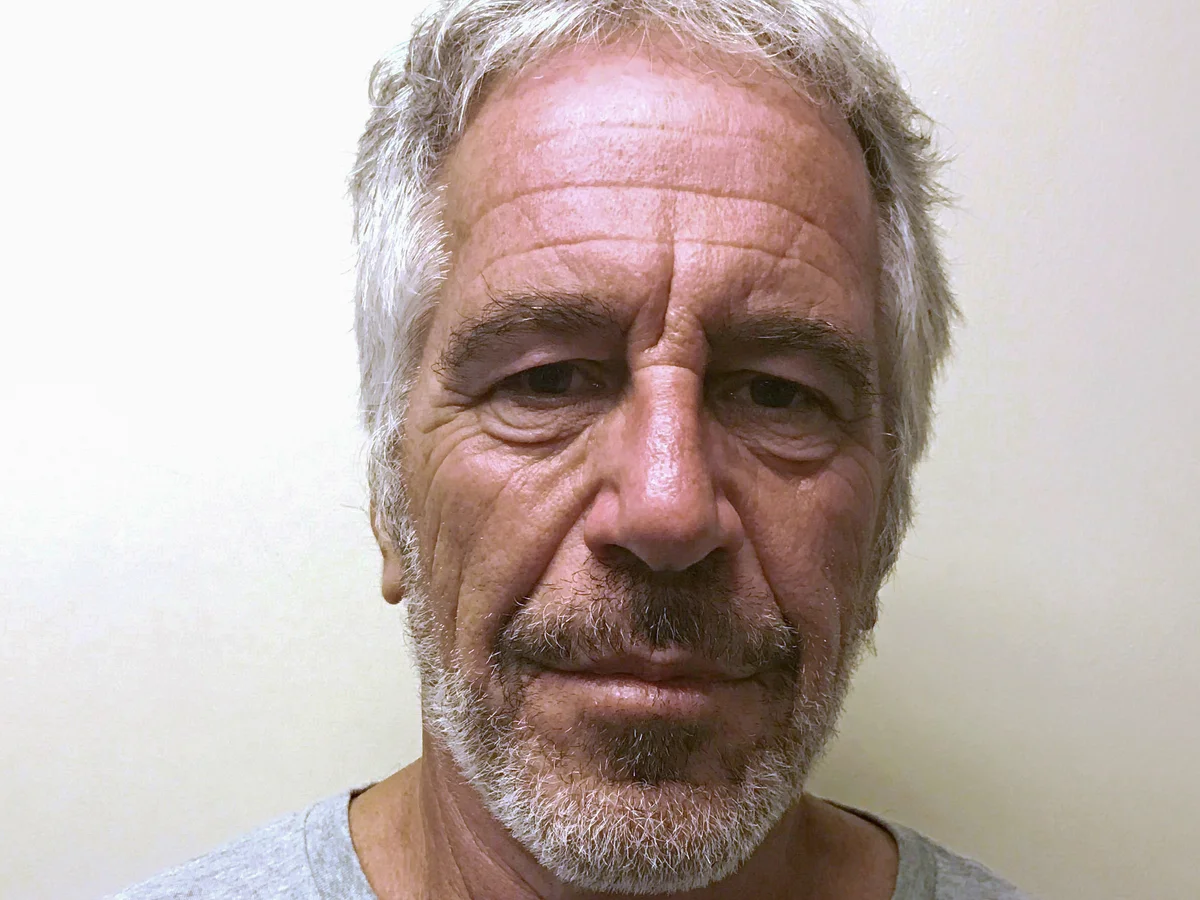
As the Epstein case continues to unfold, legal and ethical questions remain at the forefront. Epstein’s arrest and subsequent death in 2019 left many unanswered questions about the extent of his crimes and the individuals involved in his network. While many of Epstein’s associates have been brought to justice, the full scope of his criminal operations remains unclear.
The decision to pursue further investigations, such as the potential exhumation of remains from Epstein’s ranch, highlights the growing demand for accountability. The victims of Epstein’s abuse deserve justice, and efforts to uncover the truth are crucial for ensuring that those responsible are held accountable. However, the methods used to achieve this goal must balance the need for transparency with respect for the victims and the legal process.
The Future of the Epstein Investigation
As new information continues to emerge about Epstein’s activities, the demand for accountability is only growing. While Nelson’s offer to fund the investigation is just one example of public involvement, it reflects a broader trend of individuals and communities pushing for greater transparency in high-profile cases.
The future of the Epstein investigation remains uncertain, with ongoing legal proceedings and investigations into Epstein’s network of associates. As public interest in the case continues to grow, it is likely that more individuals and organizations will take an active role in seeking justice for the victims.
Conclusion
The Epstein case is a complex and ongoing saga, and Zack Nelson’s offer to fund the exhumation of remains from Epstein’s ranch is just one chapter in a larger narrative. The case continues to raise important questions about the role of individuals in seeking justice, the ethics of private investigations, and the broader issue of accountability for powerful figures.
As the investigation into Epstein’s crimes continues, it is clear that the public’s demand for justice will not fade. Whether through online platforms, private efforts, or legal action, the push for transparency and accountability in the Epstein case will remain a central issue for years to come. The path to justice may be complicated, but the determination to uncover the truth is unwavering.