
Table of Contents
A Breakthrough in Nuclear Research
Fusion energy, the process that powers the sun, has been the subject of research for decades. Unlike conventional nuclear power, which relies on fission (splitting atoms), fusion involves merging atoms together to release energy. If harnessed on Earth, fusion could provide an almost limitless source of clean energy, with no harmful emissions and minimal environmental impact. However, achieving controlled nuclear fusion has proven to be an incredibly challenging task, due to the extreme conditions required to initiate and sustain the fusion process.
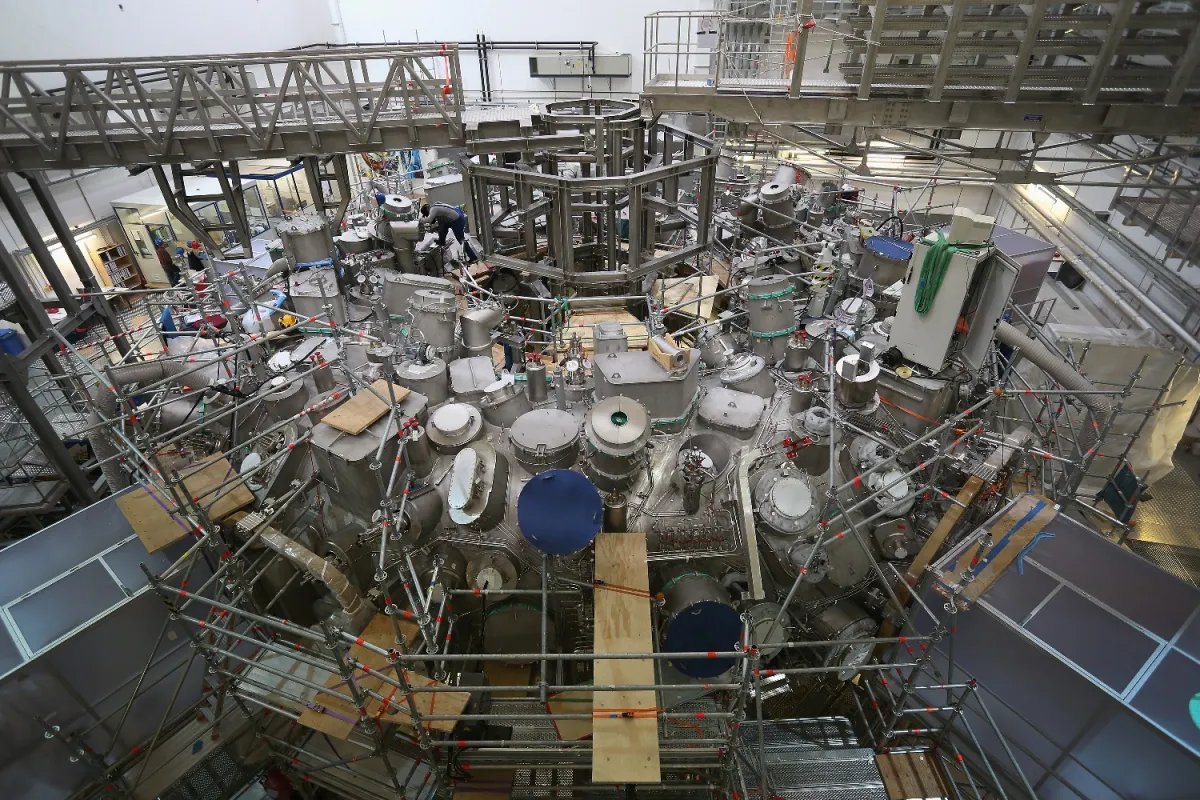
The Wendelstein 7-X reactor is part of a global effort to make fusion energy a reality. Developed by the Max Planck Institute for Plasma Physics, this reactor utilizes a cutting-edge design known as a stellarator. Unlike traditional tokamak reactors, which use magnetic fields to contain the plasma, stellarators are designed to more effectively control the plasma without relying on external energy sources. This innovation could be key to making fusion energy both viable and sustainable in the future.
What Makes the Wendelstein 7-X Reactor Different?
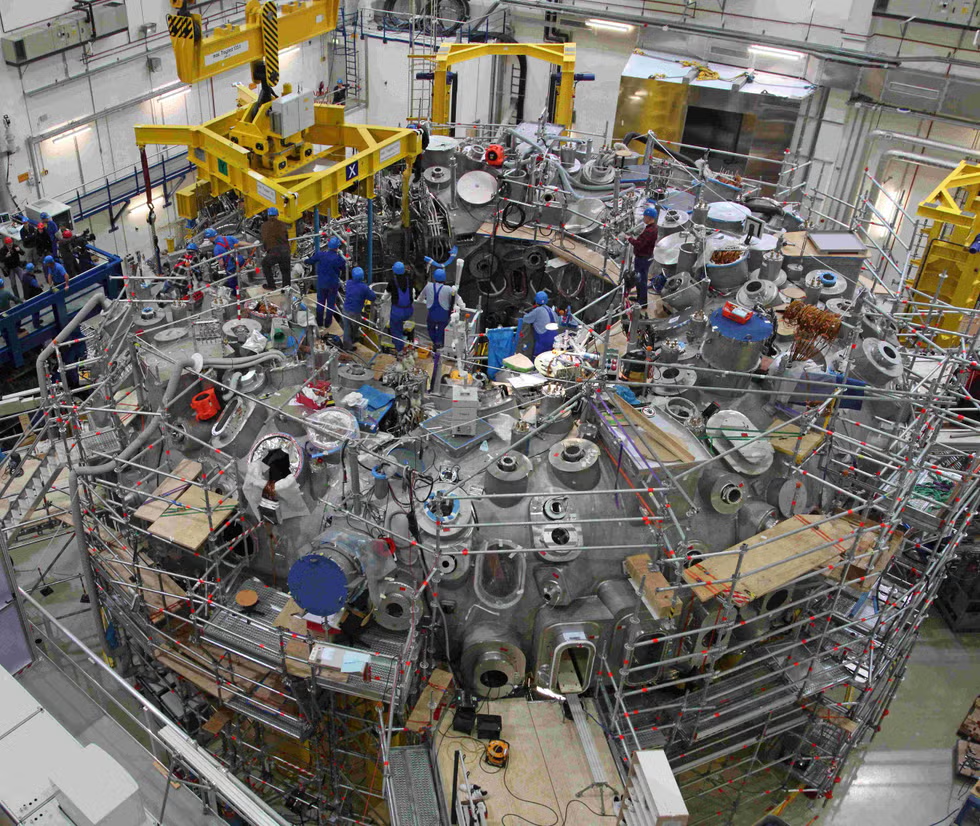
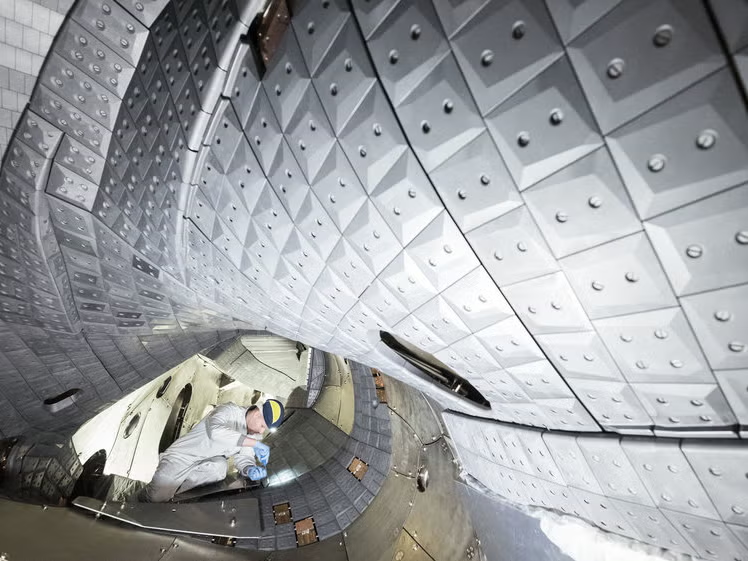
The Wendelstein 7-X reactor is unique because of its stellarator design. Unlike other fusion reactors that use a donut-shaped magnetic field to contain plasma, the Wendelstein 7-X’s helical design mimics the natural shape of plasma, creating a more stable and controlled environment. This innovation aims to address one of the biggest challenges in fusion energy—maintaining the necessary conditions for fusion to occur over a long period.
Additionally, the reactor has been designed to operate at higher temperatures and pressures than previous fusion reactors, making it more efficient and capable of achieving the conditions needed for fusion. Its ability to withstand extreme conditions means that the Wendelstein 7-X could pave the way for future reactors that are not only more effective but also more energy-efficient.
A Step Toward Clean, Sustainable Energy
The first successful firing of the Wendelstein 7-X reactor marks a monumental moment in fusion research. During this initial test, scientists were able to achieve a stable plasma discharge, a crucial step in demonstrating that the reactor can generate the necessary conditions for fusion reactions. While this is just the first phase of the reactor’s activation, it has already surpassed previous milestones in fusion research, giving scientists hope that this technology could one day provide a scalable and reliable source of clean energy.
The activation of the Wendelstein 7-X reactor also highlights the growing potential of nuclear fusion to replace fossil fuels. Traditional energy sources like coal, oil, and natural gas are major contributors to climate change, and transitioning to renewable energy is critical to reducing carbon emissions and mitigating the impacts of global warming. Fusion energy offers a potential solution to this problem, providing a clean and virtually inexhaustible source of power.
Fusion Energy and the Future of Power Generation
The success of the Wendelstein 7-X reactor could have far-reaching implications for the future of energy production. If fusion energy becomes viable on a commercial scale, it could revolutionize the way we generate electricity. Fusion reactors produce no harmful emissions, and the fuel used in fusion reactions (such as hydrogen isotopes) is abundant and widely available. This makes fusion a much cleaner and more sustainable energy source than fossil fuels.
Moreover, fusion energy could help address the world’s growing demand for power. As the global population continues to rise, the need for reliable and sustainable energy sources becomes increasingly urgent. Fusion energy could provide a solution, offering a nearly limitless supply of clean electricity without the environmental impact associated with other forms of energy production.
The Challenges Ahead
While the activation of the Wendelstein 7-X reactor is a significant milestone, there are still many challenges to overcome before fusion energy can be used on a commercial scale. One of the biggest hurdles is achieving a net-positive energy output, meaning that the reactor must produce more energy than it consumes. This has been a persistent challenge in fusion research, as maintaining the high temperatures and pressures needed for fusion reactions to occur requires significant energy input.
Additionally, scientists and engineers must continue to improve the reactor’s design and performance to ensure that it can operate efficiently and safely for long periods. The Wendelstein 7-X reactor is still in the experimental phase, and more tests and refinements are needed before it can be scaled up for commercial use.
A Global Collaboration
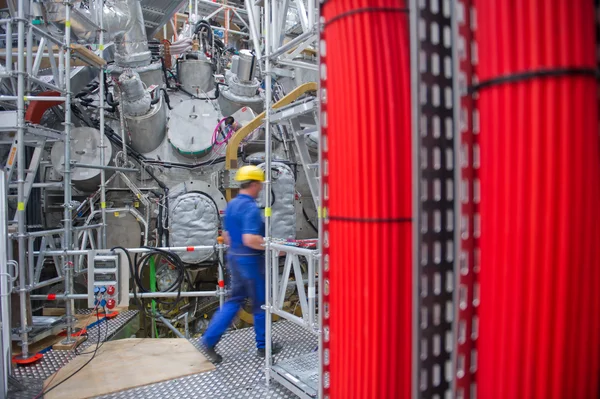
The development of the Wendelstein 7-X reactor is a result of decades of international collaboration in the field of fusion research. Scientists and engineers from around the world have contributed to the design and construction of the reactor, and their collective efforts have played a crucial role in its success. The international nature of fusion research highlights the global importance of this technology and the need for continued cooperation in advancing it.
Many countries are also investing in their own fusion energy programs, with the goal of making fusion a viable energy source for the future. The International Thermonuclear Experimental Reactor (ITER) project in France, for example, is one of the largest and most ambitious fusion energy projects in the world. ITER aims to demonstrate the feasibility of nuclear fusion as a large-scale and carbon-free source of energy.
Implications for the Energy Market
The potential for fusion energy to replace fossil fuels in the coming decades is one of the most exciting prospects of the Wendelstein 7-X’s success. With the increasing demand for clean energy, fusion power could become a key component of the global energy mix. It could significantly reduce the world’s reliance on fossil fuels, contributing to a cleaner and more sustainable future.
Fusion energy also offers the potential for energy independence for countries around the world. Unlike oil or natural gas, which must be imported from specific regions, the fuel for fusion reactions is abundant and widely distributed. This could reduce geopolitical tensions related to energy resources and help stabilize global energy markets.
The Promise of Fusion Energy
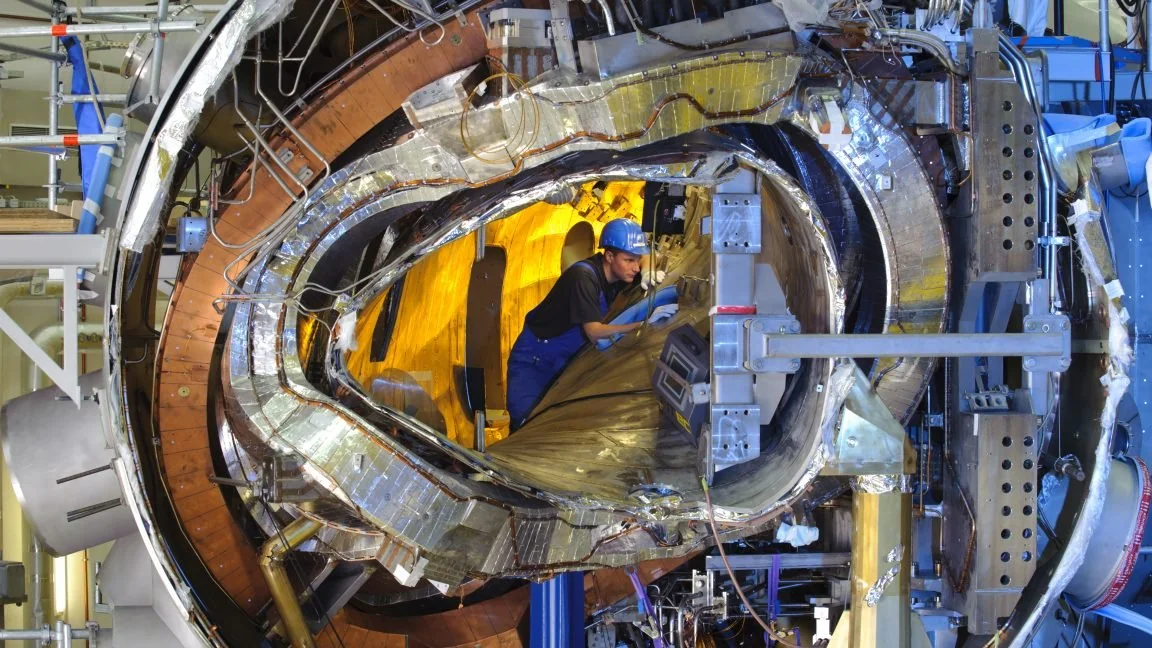
The successful activation of the Wendelstein 7-X reactor is a major step forward in the journey toward clean, sustainable energy. While there are still many challenges ahead, the promise of fusion energy remains a powerful driving force in the quest for a carbon-free future. The advancements made in this field are laying the groundwork for future fusion reactors, which could eventually provide a virtually limitless source of clean energy for generations to come.
Conclusion:
The Wendelstein 7-X reactor represents a breakthrough in the pursuit of fusion energy, one of the most promising solutions to the global energy crisis. Its successful activation marks a significant step toward achieving the long-sought goal of harnessing the power of the sun for electricity generation. While challenges remain, the potential for fusion energy to replace fossil fuels and revolutionize the energy sector is immense.
As scientists continue to refine the technology and work toward scaling it up, the Wendelstein 7-X reactor stands as a symbol of hope and progress in the fight against climate change. Its success offers the promise of a future where clean, sustainable energy is accessible to all, making fossil fuels obsolete and ensuring a cleaner planet for future generations.