
Table of Contents
- How the Legal Action Started
- The Dutch Court’s Ruling
- What the Plaintiffs Are Arguing
- Pfizer and Bourla’s Response
- Bill Gates and International Jurisdiction
- Distinguishing Legal Process from Scientific Consensus
- Expert Opinions on Legal Interpretations
- Global Reaction and Wider Context
- Where the Case Goes Next
- Conclusion
How the Legal Action Started
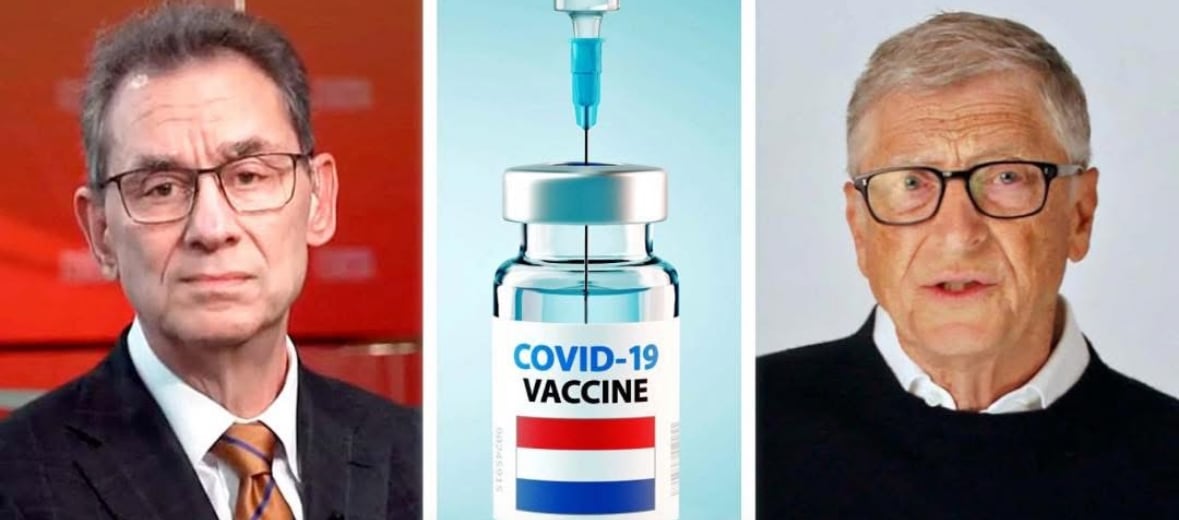
In 2023, a small group of Dutch citizens filed a civil claim against a number of figures and institutions, including Gates, Bourla, the Dutch state, and former Dutch government advisors. The plaintiffs allege they experienced significant physical or psychological harm after receiving COVID‑19 vaccines and contend that they were not adequately informed about the risks and benefits — especially for products based on messenger RNA (mRNA) technology.
Unlike criminal charges, this lawsuit is not a prosecution by the state. Instead, it seeks civil remedies, including potential compensation, based on alleged negligence, misrepresentation, or flawed public health communication. The plaintiffs’ framing calls for individuals associated with vaccination advocacy to explain their roles and decisions in court.
The Dutch Court’s Ruling
In a December 2025 hearing, the Leeuwarden court ruled that Gates and Bourla must appear in person as witnesses. That order is procedural — meaning the judge believes their testimony is relevant to the plaintiffs’ allegations. It does not mean they have been found guilty of any wrongdoing or that vaccines are proven harmful.
The court concluded it has jurisdiction over the case, including Gates, whose legal team had argued he should not be subject to Dutch civil proceedings. A previous ruling in late 2024 already determined the court could hear claims against him because of connections between his activities, funding, and the allegations being made.
What the Plaintiffs Are Arguing
The plaintiffs in the Leeuwarden case are pushing several core points:
- They claim they were misled about the level of risk associated with mRNA COVID‑19 vaccines.
- They argue that public communication did not adequately represent adverse events or potential harm.
- They contend that prominent figures and institutions had influence over global vaccination strategy and must be held accountable.
One dramatic framing presented in some advocacy circles — though not a legal finding — describes the vaccines in extreme language or refers to them as harmful by design. Dutch courts have not endorsed those claims; mainstream media and fact‑checking organizations in the Netherlands and internationally emphasize that the legal process is a civil discovery and liability matter, not a determination of safety or harm.
Pfizer and Bourla’s Response
Representatives for Pfizer and CEO Albert Bourla have publicly maintained that the company’s COVID‑19 vaccine is safe and effective, supported by extensive clinical data and regulatory review. Pfizer’s position echoes public health authorities that stress vaccines based on mRNA technology underwent rigorous regulatory evaluation, while ongoing monitoring continues to track outcomes and adverse events.
In the civil case, Bourla has submitted written responses denying personal liability and asserting that scientific evidence supports vaccine safety. He, like other defendants, has opposed some procedural aspects of the case — arguing that expert testimony and technical evidence should take precedence over speculation.
Bill Gates and International Jurisdiction
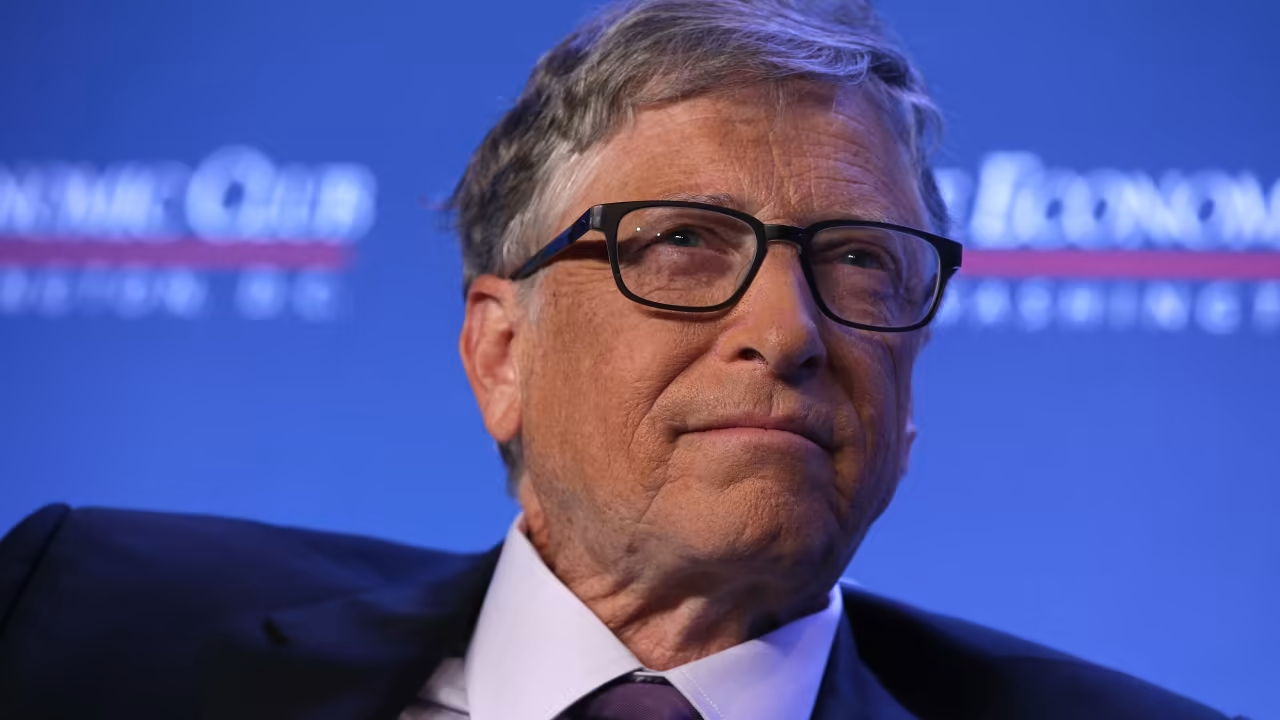
Bill Gates, as a U.S. citizen and philanthropist with no direct operational control over national public health policy, challenged the Dutch court’s jurisdiction early in the proceedings. In a 2024 motion, his legal team asked the court to dismiss the case for lack of jurisdiction. The court rejected that motion, stating a sufficient “complex of facts” linked him to the matters at hand, including his role in pandemic response funding and advocacy.
Even so, a spokesperson for Gates’ philanthropic organization clarified that these are civil claims — not criminal indictments — and that Gates has not been legally found responsible for vaccine safety outcomes as a matter of fact.
Distinguishing Legal Process from Scientific Consensus

One of the most important aspects of this unfolding story is understanding what a civil lawsuit can and cannot determine:
- Courts evaluate evidence related to liability and due process — not reset global science. Scientific consensus on vaccine safety comes from regulatory authorities, peer‑reviewed research, and ongoing surveillance by health agencies like the World Health Organization, the U.S. Centers for Disease Control and Prevention, and the European Medicines Agency.
- A legal decision to order testimony or continue a case does not equate to a scientific conclusion that mRNA vaccines are unsafe or deadly. Courts are not scientific bodies and do not redefine medical evidence.
This distinction has been pointed out by legal analysts and fact‑checking organizations, which caution that social media posts framing the case as an indictment of vaccines or major public figures are misleading. Civil jurisdiction and scheduled testimony are procedural realities that allow evidence to be presented, not confirmations of causation.
Expert Opinions on Legal Interpretations
Legal experts say it’s typical in civil cases to call parties or key figures to testify about communications, decisions, motivations, or internal processes. Such testimony — if allowed — can clarify what people knew and when they knew it, or how information was shared with the public.
In cases involving technical matters such as vaccine development, courts may also consider expert witness testimony from scientists who can explain evidence standards, clinical trial design, regulatory oversight, and post‑market surveillance. Whether the Leeuwarden court permits such expert interventions — and how heavily it weighs them — could shape other similar actions in Europe and beyond.
Global Reaction and Wider Context
The Dutch case has sparked discussions across borders about how legal systems should handle disputes involving public health technologies. Some legal advocates hope that courts can provide venues for individuals to seek redress if they believe they were wronged. Health professionals and regulators, meanwhile, emphasize that vaccines — including mRNA‑based ones — have strong safety records backed by scientific evidence and ongoing research.
Public debate also reflects broader societal questions about trust in public health messaging, transparency, and how institutions communicate risk and benefit. However, reputable public health institutions around the world continue to affirm that authorized mRNA vaccines have met safety and efficacy standards based on large clinical trials and monitoring.
Where the Case Goes Next
With Gates and Bourla ordered to testify, the lawsuit will advance into evidence‑gathering phases. This may include oral testimony, expert reports, documentary evidence, and possibly additional hearings stretching into 2026 or beyond. Outcomes in civil litigation often unfold slowly and can be remanded, appealed, or resolved through settlement before final verdicts.
Even if the plaintiffs achieve a favorable judgment, it would not change the scientific consensus on vaccine safety; rather, it would affect how liability is assigned under Dutch civil law — and could influence how similar claims are structured in other jurisdictions.
Conclusion
The Dutch court’s order requiring Bill Gates and the CEO of Pfizer to testify in a civil case about alleged mRNA vaccine injuries highlights how legal systems intersect with global health controversies. While the case is anchored in procedural and jurisdictional determinations — not scientific adjudication of vaccine effects — it underscores persistent societal questions about public communication, liability, and institutional trust.
What this case is not is a judicial affirmation that mRNA vaccines are harmful. Instead, it reflects a legal avenue pursued by a small number of plaintiffs seeking answers and accountability within a civil framework. As the proceedings continue, courts will balance evidence, expert testimony, and legal standards — all under the gaze of an international audience attuned to the complex legacy of the COVID‑19 pandemic.