
Table of Contents
The Announcement
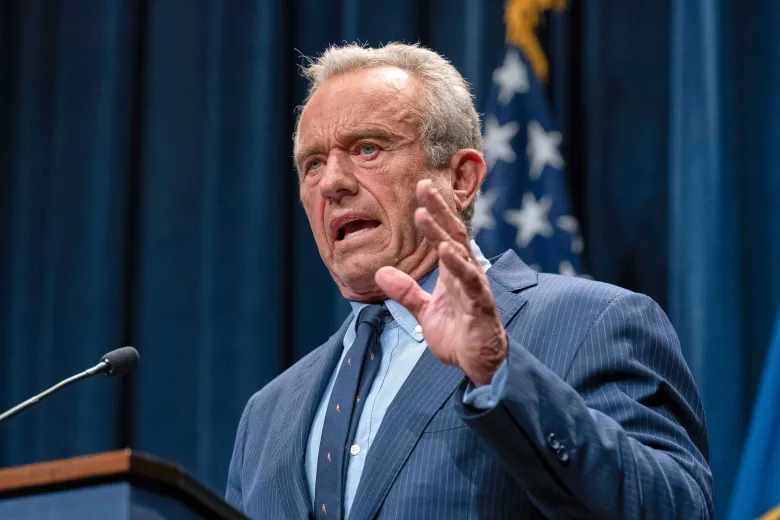
Robert F. Kennedy Jr. and Dr. Oz are not strangers to public attention, with both individuals having made headlines for their controversial stances on various issues. Kennedy, the environmental lawyer and vaccine advocate, has long been a figure who challenges the status quo. Dr. Oz, a renowned television personality and cardiothoracic surgeon, has built a reputation as a health guru. Together, they now aim to halt gender-affirming care for minors, arguing that the risks involved in transitioning at a young age are far too significant. Their proposed ban focuses on medical interventions such as hormone therapy and surgeries that are increasingly being used as treatment for transgender youth.
Both figures argue that these interventions could have irreversible consequences for children who may later regret their decisions. They highlight the increasing prevalence of detransitioners—individuals who initially transitioned but later reversed their decision—as evidence that youth may not have the maturity to make such a life-altering choice. However, advocates for gender-affirming care argue that these treatments are crucial for the mental and emotional health of transgender youth, potentially saving lives by reducing the high rates of depression and suicide among gender-nonconforming individuals.
Background on Gender-Affirming Care

Gender-affirming care refers to a range of medical interventions designed to help transgender individuals align their physical appearance with their gender identity. For minors, this often includes hormone therapy to block puberty or induce puberty in line with their gender identity. In some cases, surgery is performed to alter physical traits, though this is typically reserved for older adolescents who have undergone years of therapy and counseling.
The medical community is divided on the issue, with some organizations, like the American Academy of Pediatrics, supporting gender-affirming care as an essential part of providing compassionate and appropriate healthcare for transgender youth. These organizations argue that gender dysphoria is a serious condition that, if untreated, can lead to severe mental health struggles, including depression, anxiety, and suicidal ideation. For these children, gender-affirming care is not only beneficial but necessary.
Public Opinion and Political Implications
As RFK Jr. and Dr. Oz’s positions gain traction, the public discourse around gender-affirming care becomes more polarized. Supporters of the ban argue that gender-affirming treatments are being prescribed too hastily, without proper consideration of the long-term consequences. They point to instances where minors, after receiving hormone therapy, later regretted their transition, leading to a shift in public opinion on the matter. The debate is not just medical, but also deeply ethical, as it questions how far the state and healthcare professionals should go in allowing children to make decisions with lifelong consequences.
On the other side of the debate, advocates for gender-affirming care emphasize the importance of providing healthcare that respects the rights of individuals to live as their authentic selves. These individuals argue that denying such care can lead to increased rates of mental illness, self-harm, and suicide among transgender youth. Moreover, they note that gender-affirming care is backed by a growing body of research supporting its safety and efficacy when administered under proper medical supervision.
RFK Jr. and Dr. Oz’s Arguments
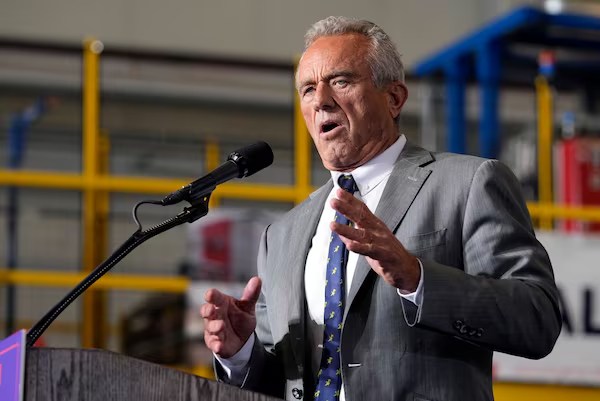
RFK Jr. and Dr. Oz argue that the medical community has rushed into providing gender-affirming treatments without adequate long-term studies on the outcomes for minors. They highlight the potential risks, including irreversible changes to the body and mind, and the possibility that minors may later regret their decisions. While this position resonates with those who view childhood as a time of exploration and growth, it also raises concerns about whether these individuals are undermining the rights of those who need gender-affirming care.
Kennedy, in particular, has been vocal in his criticisms of what he perceives as the medicalization of childhood. He believes that too many children are being rushed into treatments without fully understanding the long-term consequences. Meanwhile, Dr. Oz’s platform has often been criticized for promoting sensationalized medical claims, but he maintains that his stance is grounded in protecting the well-being of children.
The Science Behind Gender-Affirming Care
The science of gender-affirming care is still evolving, but studies have shown that when properly managed, the treatments can be beneficial for transgender youth. Puberty blockers, for instance, have been shown to provide adolescents with time to explore their gender identity without the pressure of physical changes that might feel out of alignment with their sense of self. This treatment has been endorsed by several major medical organizations, including the World Professional Association for Transgender Health (WPATH).
However, detractors argue that there isn’t enough long-term research to fully understand the impact of early medical intervention. They warn that early hormone therapy may lead to lifelong health complications and irreversible changes that may be regretted as individuals grow older and their identities evolve.
The Ethical Dilemma
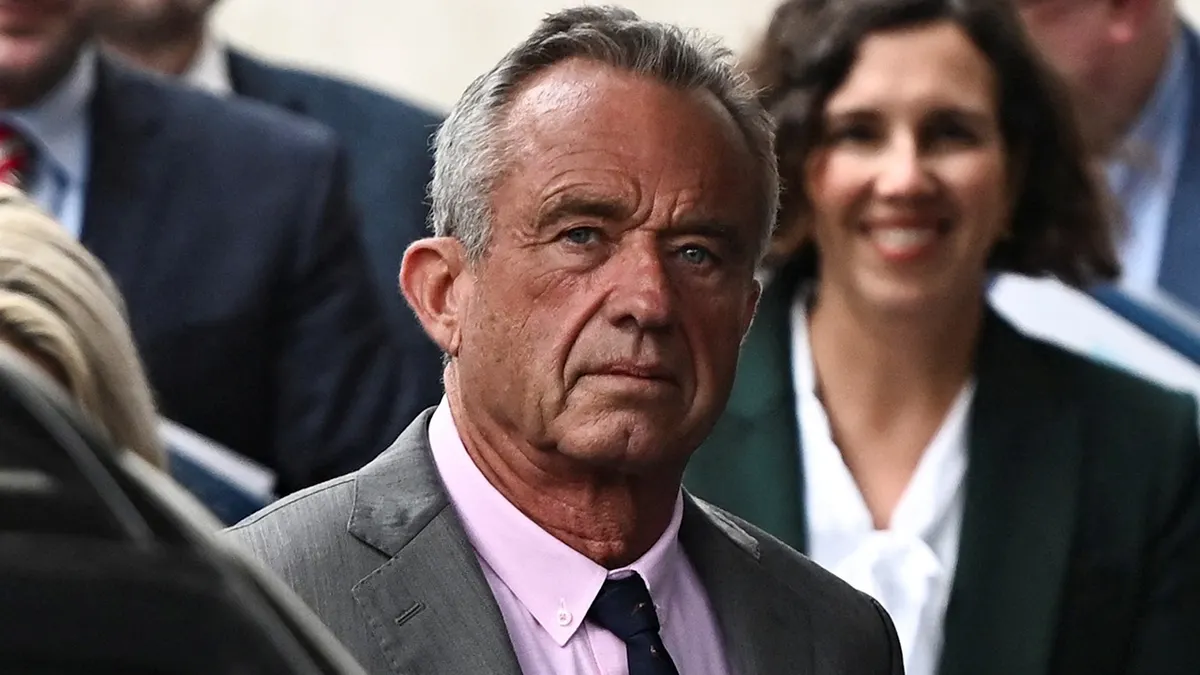
At the heart of the debate is a question of ethics. Should children, who are still developing their sense of self, be allowed to make decisions about gender-affirming care? Or is it the role of the state and medical professionals to protect them from potential harm? While there is no easy answer, the ethical dilemma centers on the balance between ensuring that minors are protected from irreversible consequences and respecting their autonomy and right to access the care they need.
Supporters of gender-affirming care argue that the medical guidelines for treating transgender youth are robust and carefully considered, ensuring that young people receive the care they need while minimizing risk. They also emphasize that gender-affirming care is not about making a decision for the child but about supporting them in making their own informed choices.
The Legal and Political Landscape
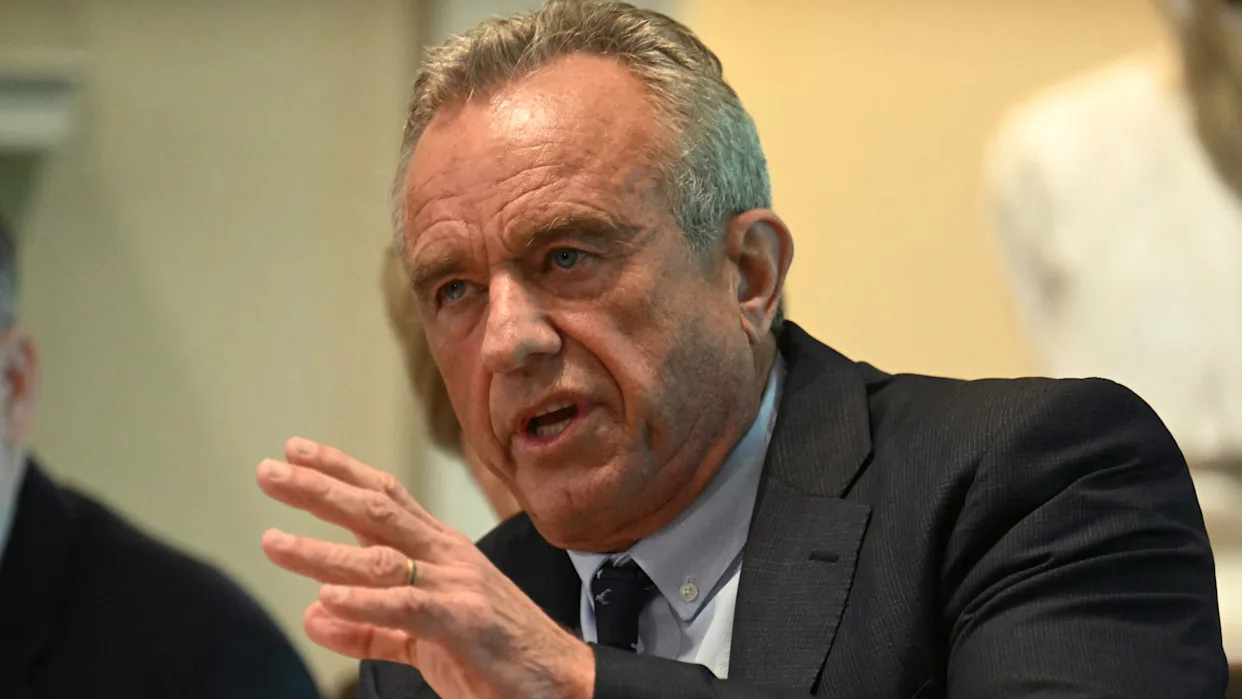
As the debate continues, legislative bodies across the country are considering various bills to either restrict or expand access to gender-affirming care for minors. Some states, like Arkansas and Tennessee, have already passed laws banning gender-affirming treatments for youth, while other states, including California and New York, have introduced laws to protect access to such care.
The political fallout from this debate is significant, with both sides rallying their bases and seeking to influence public policy. For Kennedy and Dr. Oz, the move to ban gender-affirming care is part of a broader ideological stance against what they see as the overreach of medical professionals and political elites in the lives of everyday Americans. For their opponents, the pushback is a fight for individual rights and the freedom to make personal health decisions.
Conclusion
The announcement by RFK Jr. and Dr. Oz to ban gender-affirming care for minors is likely to spark further division in an already polarized political landscape. While the debate rages on, one thing is clear: the issue of gender-affirming care is far from settled. It raises fundamental questions about medical ethics, the rights of minors, and the role of the state in making healthcare decisions. As more studies emerge and public opinion continues to evolve, it will be crucial to carefully consider the evidence, the risks, and the rights of individuals before making sweeping policy changes.